
Primary IBC Components & Core Fittings Catalog
Factory-direct intermediate bulk container accessories manufactured under strict ISO 9001:2015 standards, designed for UN-certified hazardous liquid containment and high-purity fluid transfer.
The Evolution of IBC Tank Fittings: Global Market Technical Analysis
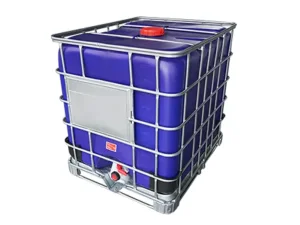
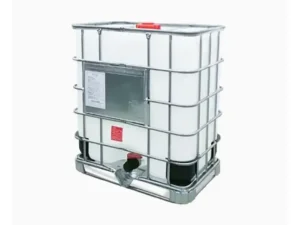
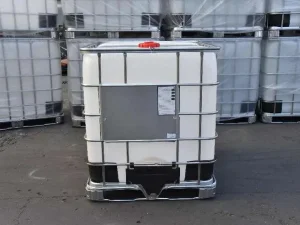
Intermediate Bulk Containers (IBC totes) serve as the core backbone of global liquid logistics, moving billions of tons of hazardous chemicals, agricultural formulations, pharmaceutical intermediates, and food-grade syrups annually. While the structural integrity of the outer tubular steel cage and inner blow-molded High-Density Polyethylene (HDPE) bottle is fundamental, the operational safety, zero-emission sealing, and fluid discharge efficiency depend heavily on the engineering quality of IBC tank fittings.
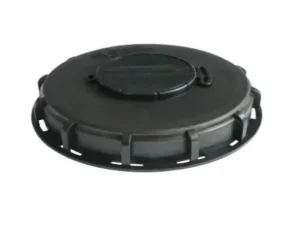
Modern industrial procurement has shifted away from treated commodity valves toward highly customized fluid control systems. Factors such as volatile chemical permeation, strict transport regulatory standards (UN 31HA1 certification, US DOT, ADR regulations), and automated discharge operations demand that every fitting component—ranging from bottom outlet discharge valves (DN50 butterfly and ball valves) to top fill closures (150mm and 225mm vented lids)—delivers uncompromised mechanical strength and chemical compatibility.
Leading industrial organizations, chemical processing conglomerates, and logistics reconditioners encounter continuous challenges regarding stress cracking under chemical load, micro-leakage at connection threads (such as S60x6 coarse threads versus NPT/BSP fine threads), and material degradation caused by UV exposure during prolonged outdoor storage. Evaluating verified IBC tank fittings suppliers and factories requires deep technical scrutiny of raw polymer resin formulations, mold design precision, chemical gasket compatibility matrices, and factory-level quality assurance protocols.
4 Critical Industry Trends Driving Engineering Innovation in IBC Fittings
As environmental safety mandates tighten worldwide, tier-one manufacturers are redesigning IBC closure infrastructure to address zero-VOC emissions, smart telemetry integration, and total chemical inertness.
1. Advanced Fluorination & Permeation Barriers
Non-polar solvents, aromatic hydrocarbons, and aggressive agrochemicals pose severe permeation risks when packaged in standard polyethylene containers. Manufacturers are increasingly utilizing post-molding in-line fluorination (Level 3 and Level 5 fluorination processes) for IBC body liners and discharge valve bodies. This specialized fluorine gas exposure creates a fluorocarbon polymer barrier on the surface, reducing solvent migration, vapor loss, and container paneling under thermal stress.
2. Smart Pressure-Relieving & Vented Lids
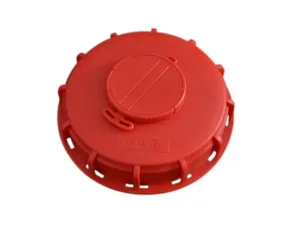
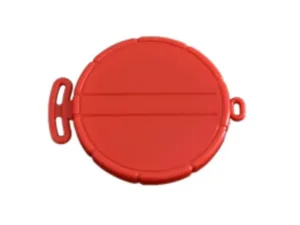
Chemical reactions, temperature fluctuations, and altitude change during global ocean or road transit induce substantial internal pressure buildup or internal vacuuming within 1000L IBC totes. Modern IBC red breathable covers feature hydrophobic ePTFE (expanded polytetrafluoroethylene) microporous membranes. These membranes allow bi-directional gas exchange (equalizing pressure spikes up to 0.2 bar while preventing liquid ingress or leakage) without exposing contents to external moisture or airborne contaminants.
3. Circular Economy & Multi-Trip Reconditionability
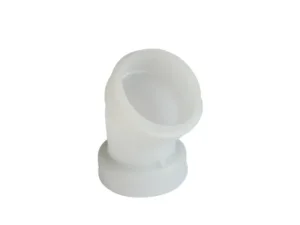
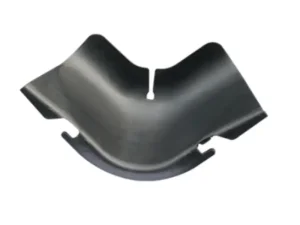
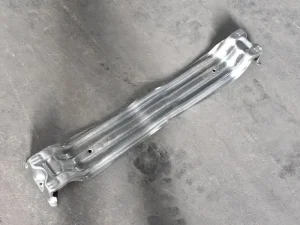
With corporate ESG commitments accelerating, logistics fleets are transitioning from single-use disposable totes to multi-trip reusable IBC platforms. This shift requires high-durability replacement parts. Valve guide pipes, replacement ball/butterfly valves, reinforced transom crossbeams, and protective plastic corner guards must withstand repeated automated chemical washing, hot-water sterilization, and mechanical handling without cracking or thread stripping.
4. High-Purity Fluoropolymer & SS316 Alloy Transition
For ultra-pure electronic-grade chemicals, food-grade flavorings, and pharmaceutical liquids, conventional PP (polypropylene) valve bodies can introduce trace extractables or leachables. The industry is rapidly adopting precision-machined 316 Stainless Steel Camlock quick-connect valves, SS spring-insert valve mechanisms, and total PTFE-encapsulated elastomeric seal ring assemblies to guarantee absolute chemical inertness and zero batch contamination.
Technical Selection Matrix: Valve Body & Gasket Compatibility
Selecting an improper valve resin or seal polymer leads to joint swelling, rapid degradation, dynamic leaks, and catastrophic containment failure. Utilize this verified material selection matrix when specifying wholesale IBC tank fittings.
| Material Category | Structural / Elastomer Compound | Chemical Compatibility Strengths | Thermal Operating Range | Recommended Industry Applications |
|---|---|---|---|---|
| Valve Body Resin | HDPE (High-Density Polyethylene) | Water, diluted acids, alkalis, inorganic salts, alcohols | -40°C to +60°C | General Industrial Bulk Water, Detergents |
| Valve Body Resin | PP-GF30 (30% Glass-Filled Polypropylene) | High mechanical strength, mineral acids, organic solvents, caustics | -10°C to +90°C | Chemical Logistics Agrochemicals, Resins |
| Valve Body Metal | Stainless Steel (AISI 316 / 316L) | Universal solvent resistance, high-pressure washing, extreme temperature | -50°C to +200°C | High-Purity / Food Food Grade, Fine Solvents |
| Sealing Gaskets | EPDM (Ethylene Propylene Diene Monomer) | Excellent resistance to polar solvents, caustics, ozone, steam, hot water | -40°C to +120°C | Caustics & Alkalis Acids, CIP Wash Systems |
| Sealing Gaskets | Viton / FKM (Fluoroelastomer) | Superior against petroleum oils, aromatic hydrocarbons, concentrated acids | -20°C to +200°C | Petrochemical Fuel Additives, Solvents |
| Sealing Gaskets | PTFE (Polytetrafluoroethylene / Teflon) | Near-universal chemical resistance, zero extractables, non-contaminating | -100°C to +260°C | Ultra-Pure Pharma, Microelectronics |
China Factory 4.0: Supply Chain Resilience & Manufacturing Superiority
How modern Chinese industrial ecosystems deliver unyielding quality, dynamic scale, and ultra-precise dimensional tolerances for global IBC tote distributors.
0.005mm Ultra-Precision Mold Tooling
Advanced tooling workshops in Shandong utilize 5-axis CNC machining, EDM wire cutting, and mold flow thermal optimization. Achieving tolerances within 0.005 mm ensures exact thread pitch alignment (S60x6 buttress threads) and flawless gasket sealing seats, eliminating thread binding and liquid weeping under pressure.
Integrated Manufacturing Hubs
Operating out of premier industrial clusters like the Jinluo Technology Industrial Park (Linyi City, Shandong), leading facilities operate over 3 production bases staffed by 300+ technical specialists. From virgin resin compounding to automated injection-blow molding and robotic valve assembly, end-to-end integration guarantees full process control.
Rigorous UN & ISO Quality Control
Every lot of wholesale IBC valves and breathable lids undergoes extensive physical stress testing: hydrostatic leak testing up to 100 kPa, pneumatic burst testing, drop-impact testing at sub-zero temperatures (-18°C), and environmental stress-crack resistance (ESCR) verification per ISO 16103 standards.
Global Procurement Needs: Mitigating Total Cost of Ownership (TCO)
For international sourcing managers, procurement directors, and plant operations engineers, selecting an IBC tank fitting supplier involves evaluating factors far beyond initial unit price. The total economic impact of fitting performance directly influences cargo safety insurance rates, liquid loss percentages, labor hours during filling/discharge, and environmental liability risks.
Key Procurement Evaluation Checkpoints
- Polymer Purity & Virgin Material Integrity: Reclaimed scrap plastic in valve bodies compromises tensile strength and leads to stress cracking. Demand 100% prime-grade virgin HDPE/PP resins.
- Thread Standardization & Universal Fit: Verify thread standards (S60x6 coarse thread, S100x8, 2" NPT, 2" Camlock) to ensure full interchangeability with world-standard tote liners (Schütz, Mauser, Greif, Werit).
- Rapid Stocking & Dispatch Lead Times: Global supply chain disruptions demand inventory agility. Suppliers maintaining bulk stock of standard lids, caps, and replacement valves can execute dispatch within 3 business days.
- Customization & OEM/ODM Engineering: OEM branding support, custom color-coded breathable lids, custom engraved stainless steel nameplates, and custom valve handle lockouts strengthen brand identity and fleet management.
Supplier Audit Quick-Check Checklist
When qualifying a new IBC component factory, ensure they satisfy the following minimum engineering benchmarks:
Field Implementation & Localized Industrial Applications
IBC tank fittings are deployed across diverse harsh environments. Discover how target product configurations solve unique operational challenges across global industry sectors.
Agrochemical & Liquid Fertilizer Packaging
Operational Challenge: Fertilizer formulations and liquid herbicides tend to off-gas under solar heating, causing tote bloating or severe vacuum collapse during rapid tractor field emptying.
Recommended Solution: Pair a 1000L heavy-duty UV-stabilized IBC tote with an IBC Red Breathable Cover featuring ePTFE membrane venting and a high-strength PP DN50 butterfly valve with Viton seals.
Food & Beverage Hygienic Processing
Operational Challenge: Bulk corn syrup, liquid sugar, dairy concentrates, and edible oils demand absolute zero contamination, easy CIP steam cleaning, and FDA material compliance.
Recommended Solution: Deploy a Stainless Steel Brushed Finish IBC Cover Lid Cap (150mm/225mm) paired with an industrial Stainless Steel DN50/DN80 Quick Connect Camlock Ball Valve equipped with sanitary food-grade PTFE seals.
Hazardous Chemical Transport & Reconditioning
Operational Challenge: Corrosive solvents, acids, and alkalis moved via intermodal shipping containers require leak-proof secondary containment and rugged structural reinforcement.
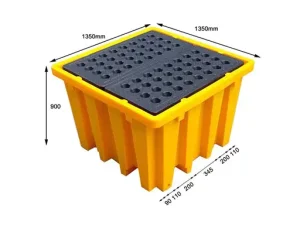
Recommended Solution: Utilize UN 31HA1 composite IBCs fitted with Galvanized Steel Crossbeam Transom Support Bars, Protective Plastic Angle Corner Guards, and Industrial Safety Spill Prevention Containment Pallets.
Replacement Fittings, Valves & Fleet Components
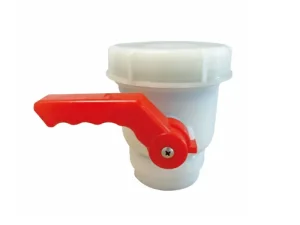
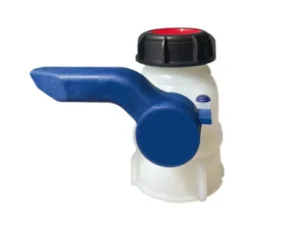
Extend the service life of your intermediate bulk container fleet with direct-fit OEM replacement hardware, reinforced structural supports, and precision adapters.
Frequently Asked Questions (Technical & Sourcing FAQ)
Expert guidance from our engineering desk regarding IBC thread specifications, venting valve mechanics, gasket selection, and custom OEM manufacturing lead times.
Q: What is the standard thread specification for IBC discharge valves, and how do I determine compatibility?
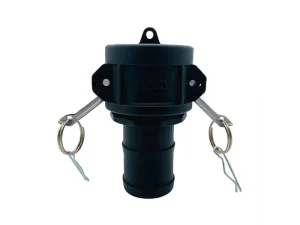
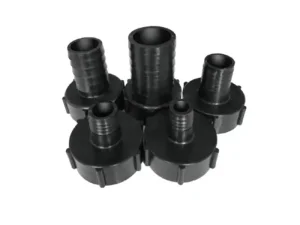
The vast majority of international 1000L composite IBC totes (such as Schütz, Mauser, Greif, and Dasheng) utilize the S60x6 (2 inch coarse thread) standard. The designation S60x6 indicates an outer thread diameter of 60mm with a thread pitch of 6mm between threads. Other industrial standards include S100x8 (large 3-inch outlet for viscous fluids) and standard 2" NPT or BSP fine threads. We manufacture universal adapters and conversion quick connectors (Camlock Type A, B, C, D, E, F, DC, DP) to connect any S60x6 valve directly to standard hose assemblies.
Q: How does an IBC red breathable venting cover operate, and when is it required over a solid sealing lid?
An IBC breathable lid integrates a porous ePTFE (expanded polytetrafluoroethylene) membrane or a mechanical spring-loaded vacuum valve assembly within the cap core. It is mandatory when packaging liquids that produce vapor pressure spikes (such as hydrogen peroxide, agricultural chemicals, or fermented organic liquids) or when rapidly pumping out fluid without opening the main top lid. The hydrophobic membrane permits air exchange to prevent tote ballooning or vacuum collapse while maintaining a 100% liquid barrier. Solid sealing lids with EPDM/Viton gaskets should be selected for stable, non-gassing hazardous liquids where absolute vapor containment is required.
Q: What are the primary differences between IBC butterfly valves and IBC ball valves?
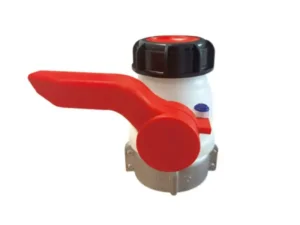
IBC Butterfly Valves feature a rotating internal disc plate. They are lightweight, cost-effective, offer smooth flow regulation, and are the standard factory choice for water, general industrial chemicals, and light liquids. IBC Ball Valves utilize a solid rotating sphere with a bored passage. Ball valves provide a 100% full-bore straight-through flow path, making them significantly better suited for thick, high-viscosity media (such as paints, resins, syrups, and heavy oils) where disc obstruction could cause clogging or product buildup.
Q: How does your factory ensure precision and quality control for OEM/ODM plastic injection molding?
With over 26 years of specialized plastic lid and closure manufacturing experience, our production capabilities center around 3 state-of-the-art bases equipped with high-tonnage injection molding machines and in-house CNC mold toolshops. We achieve tooling machine tolerances down to 0.005 mm. Every batch undergoes automated vision inspection for thread flash, pressure leak testing at 0.2 bar to 1.0 bar hydrostatic load, and tensile impact testing. We provide full material certificate documentation (FDA, REACH, RoHS, UN compliance) upon request.
Q: What is the typical production and delivery lead time for wholesale IBC fittings orders?
Because we maintain extensive bulk stock reserves of standard standard components (including S60x6 butterfly valves, 150mm/225mm HDPE lids, DN50 Camlock adapters, and replacement guide pipes), standard wholesale shipments can be prepared and dispatched for sea or air freight within 3 business days. Custom OEM projects involving specialized color compounding, custom logo plate engraving, or newly engineered mold tooling follow a scheduled project timeline, typically requiring 15 to 25 calendar days from initial 3D drawing approval to mass production delivery.
Q: Can stainless steel IBC lids and valves be sanitized for food-grade and pharmaceutical operations?
Yes. Our brushed finish stainless steel (AISI 316/316L) IBC covers, 150mm/225mm lids, and stainless steel ball valves are engineered specifically for sanitary compliance. They withstand aggressive Clean-in-Place (CIP) hot water washdowns, steam sterilization up to 135°C, and high-concentration organic sanitizing solvents without pit corrosion, seal surface erosion, or polymer degradation.