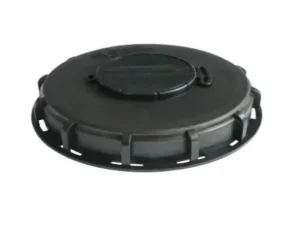
Primary Structural & Auxiliary IBC Components
Explore high-precision replacement support bars, valve guide pipes, corner guards, and adapter fittings engineered for demanding industrial bulk handling environments.

Executive Overview: Global Industrial Dynamics of IBC Auxiliary Hardware
Understanding the critical role of specialized secondary fittings in modern chemical, food, and pharmaceutical bulk liquid supply chains.
Structural Container Integrity
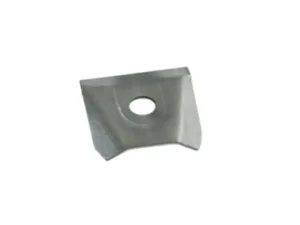
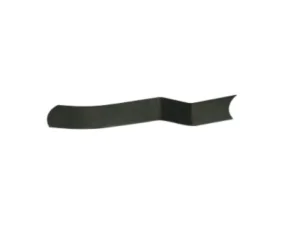
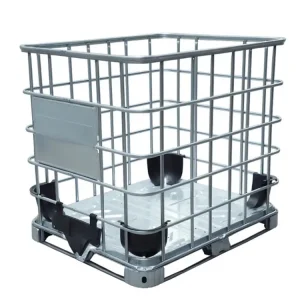
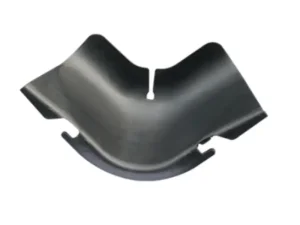
Intermediate Bulk Containers (IBCs) represent the backbone of global hazardous and non-hazardous liquid logistics. While primary components like the blow-molded HDPE inner bottle and main discharge valves receive significant focus, secondary structural fittings—such as crossbeam transom support bars, galvanized steel perimeter frame pipes, and heavy-duty corner guards—dictate the total dynamic load capability and stacking stability of 1000L tote systems during transit.
Fluid Control & Containment Safety
Auxiliary flow control fittings, including DN50 and DN80 valve guide pipes, anti-sloshing internal baffles, and PTFE/Rubber sealing washers, act as primary safeguards against cataclysmic spills, atmospheric pressure distortion, and chemical degradation. Industrial procurement directors must evaluate these hardware components against rigid hydrostatic pressure thresholds and ISO/UN packaging regulations.
The Circular Economy & Reconditioning
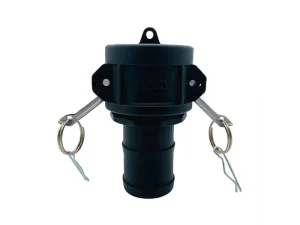
The global shift toward environmental sustainability has accelerated the growth of the IBC reconditioning market. Suppliers providing standardized replacement parts—such as universal Camlock quick connectors, S245x6 plastic lids with inner caps, and high-tension valve spring inserts—enable commercial reconditioners to refurbish used totes to near-OEM specification, reducing carbon footprints while optimizing capital expenditure.
Engineering Architecture & Material Metallurgy
In-depth technical breakdown of raw materials, corrosion mechanics, and precision injection molding parameters for auxiliary IBC components.
Engineering Insight: Component failure in IBC systems rarely stems from the primary HDPE container body; over 78% of field leaks and structural deformities occur due to substandard secondary hardware, degraded elastomer seals, or unpassivated steel framing bars subjected to cyclic fatigue.
| Component Category | Material Specification | Mechanical / Chemical Properties | Engineering Standards |
|---|---|---|---|
| Galvanized Steel Crossbeam & Pipes | | Q235B / Hot-Dip Galvanized Steel | Yield Strength > 235 MPa; Coating Thickness 60-80 µm; Anti-corrosion salt spray rating > 500 hrs | ISO 1461, ASTM A123 ||||
| Corner Angle Protectors | | High-Impact Virgin Polypropylene (PP) / HDPE | Tensile Modulus 1300 MPa; Shore D Hardness 70; UV-stabilized polymer matrix | EN ISO 178 ||||
| DN50 / DN80 Guide Pipes | | High-Flow Glass-Filled PP / HDPE | Thermal Deflection Temp > 110°C; Hydrostatic pressure resistance up to 4.5 Bar | DIN 8077/8078 ||||
| Sealing Gaskets & Washers | | Virgin PTFE / EPDM / Viton (FKM) | Chemical inertness to acids/alkalis; Working Temp -40°C to +180°C; Zero compression set | FDA 21 CFR 177.1550 ||||
| Quick Connectors (Camlock) | | 316L Stainless Steel / Reinforced Nylon | Working pressure up to 16 Bar; Thread specs BSP/NPT/S60x6 European standard | A-A-59326 / EN 14420-7 ||||
| Valve Internal Springs | | SUS316 Stainless Steel Wire | Tensile Strength 1650 N/mm²; High fatigue resistance under continuous spring cycling | ISO 6931-1 |
Advanced Injection Tooling Precision
Production of high-tolerance plastic fittings—such as the S245x6 plastic lid with inner cap or DN80 valve guide pipes—demands computerized mold design (CAD/CAM/CAE) with mold flow analysis. Precision CNC machining achieves tolerances as tight as 0.005 mm, preventing sink marks, weld line weaknesses, or thread pitch mismatches that could jeopardize hermetic sealing under thermal expansion.
Metallurgical Passivation & Corrosion Defense
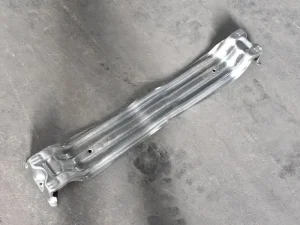
Metal framework components, including crossbeam transom bars and cage perimeter pipe replacements, undergo continuous hot-dip galvanization. This process forms a multi-layered zinc-iron alloy barrier that self-heals minor surface scratches, ensuring long-term structural resistance against aggressive chemical fumes, outdoor marine environments, and humidity.
Localized Application Scenarios & Industry Use-Cases
How specific IBC hardware solutions are deployed across specialized industrial, agrochemical, and logistics sectors globally.
Scenario A: Aggressive Chemical Manufacturing
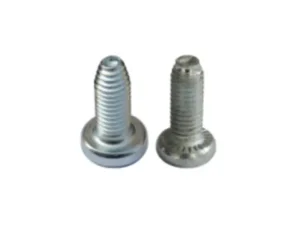
Chemical processing facilities handling concentrated nitric acid, sodium hydroxide, or fluorosilicic acid require IBC fittings with zero metallic exposure and specialized fluoropolymer seals. Stainless steel replacement screws paired with virgin PTFE screw gaskets ensure total chemical resistance, while glass-filled polypropylene Camlock quick connectors prevent valve point leaks during rapid batch discharge.
- Primary Fittings: PTFE Sealing Washers, Stainless Steel Screws, DN50 Camlock Adapters.
- Operational Focus: Zero-leakage chemical compatibility and vapor control.
Scenario B: Food & Beverage Bulk Logistics
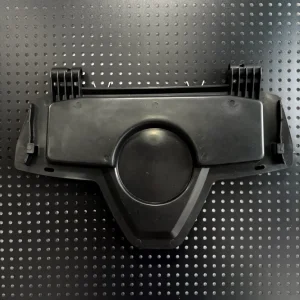
Bulk liquid food ingredients—such as high-fructose corn syrup, edible oils, wine, and milk concentrates—demand strict hygienic compliance (FDA / EU 10/2011). Heavy-duty S245x6 plastic lids with integrated breathable inner caps regulate ambient pressure differentials without allowing environmental dust, insects, or microbial contaminants to ingress into the food matrix.
- Primary Fittings: S245x6 Lid with Inner Cap, Black Breathable Cover, Food-Grade EPDM Gaskets.
- Operational Focus: Sanitary compliance, rapid filling pressure relief, and cleanability.
Scenario C: Long-Haul Intermodal Heavy Freight
During multi-modal transport via rail, sea container, or rugged road networks, liquid sloshing generates severe internal kinetic forces. Installing IBC anti-sloshing plastic baffles minimizes fluid dynamic momentum, protecting the outer cage. Concurrently, protective plastic angle corner guards absorb mechanical shocks at pallet contact points during double-stacked warehouse storage.
- Primary Fittings: Anti-Sloshing Baffles, Galvanized Support Bars, Protective Angle Corners.
- Operational Focus: Structural stability, slosh dampening, and impact absorption.
China Supply Chain Resilience & Manufacturing Synergy
Why leading global chemical packagers and container reconditioners leverage China's integrated industrial hubs for IBC hardware sourcing.
1. Vertical Industrial Cluster Integration
China's key manufacturing zones, particularly within Shandong Province (e.g., Linyi industrial packaging centers), feature hyper-dense industrial ecosystems. From raw polymer resin synthesis (HDPE, PP) and local steel tube galvanizing mills to high-speed multi-cavity injection mold manufacturing, every stage of the supply chain operates within a 50-kilometer radius. This vertical compression drastically eliminates inter-factory freight delays and raw material sourcing friction.
2. High-Automated Tooling & Economies of Scale
Chinese OEM factories utilize state-of-the-art robotic injection molding cells, multi-axis CNC tooling machines, and automated assembly equipment for spring inserts, gasket fitment, and cap assembly. Operating continuously at massive volume scales allows manufacturers to deliver high precision (e.g., DIN/ISO thread fidelity) at unit costs that Western component suppliers cannot match, granting international buyers a distinct margin advantage.
3. Rapid Prototyping & Agile OEM/ODM Turnaround
With fully integrated toolmaking workshops on-site, Chinese IBC fitting factories can take a customer's custom technical drawing or 3D STEP file from CAD validation to physical prototype tooling in under 14 days. Standard replacement parts—such as galvanized transom bars or replacement valve guide pipes—are maintained in permanent bulk stock buffers, enabling fast dispatch turnaround times (approx. 3 days) for urgent container maintenance orders.
Technology Roadmap & Next-Generation Innovation
The evolving technological landscape of smart container accessories, bio-based polymers, and circular packaging architectures.
IoT-Enabled Smart Lids & Valve Sensors
The future of IBC auxiliary hardware lies in digital integration. Modern top lids and valve guide caps are increasingly engineered with recessed mounting ports for low-power IoT sensor pucks. These smart fittings transmit real-time telemetry regarding internal pressure spikes, liquid temperature fluctuations, fill levels, and unauthorized lid opening events directly to cloud-based logistics control dashboards.
Low-Carbon Metallurgy & PCR Bio-Polymers
To align with global ESG mandates and Scope 3 carbon reduction targets, component manufacturers are transitioning toward Post-Consumer Recycled (PCR) HDPE matrices for non-food corner guards and lids. Simultaneously, crossbeam bars are leveraging high-strength, low-alloy (HSLA) steel formulations that reduce raw steel weight while maintaining identical yield strength ratings.
Universal Cross-Platform Standardization
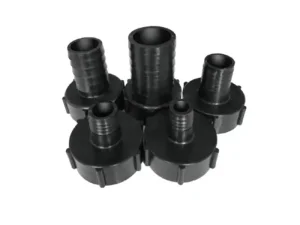
Historical friction between incompatible IBC brand standards (e.g., Schutz, Mauser, Greif, Werit) is driving demand for universal replacement fittings. Advanced multi-thread adapter sleeves (S60x6 to Camlock, NPT, or BSP) and universal steel frame replacement bars allow fleet operators to repair mixed-brand tote inventories using a single consolidated hardware stock.
Localized Global Compliance & Technical Risk Mitigation
Ensuring cross-border regulatory alignment, customs efficiency, and full material traceability for overseas industrial buyers.
UN Dangerous Goods Compliance Context
For IBC containers intended to transport UN-classified hazardous materials (Packing Groups II and III), every secondary fitting must withstand extreme environmental stress. Corner guards and crossbeam support bars must pass strict vibration testing (ASTM D999) and drop test protocols (ISO 16495). Reliable factories supply full material certificates (EN 10204 3.1) and batch test reports with every shipment.
Customs & International Logistics Optimization
Exporting plastic and metallic bulk container parts requires precise Harmonized System (HS) code classification (e.g., HS 3923.50 for plastic stoppers/caps; HS 7326.90 for steel cage brackets) to prevent tariff misclassifications and customs delays. Experienced Chinese factories handle export packing with ISPM-15 compliant heat-treated wood pallets, moisture-barrier shrink wraps, and container loading maximization.
Technical Knowledge Base & Procurement FAQ
Expert engineering answers to critical questions faced by chemical logistics specialists, packaging buyers, and IBC maintenance engineers.
How do I determine whether to specify a DN50 or DN80 valve guide pipe for my IBC fleet?
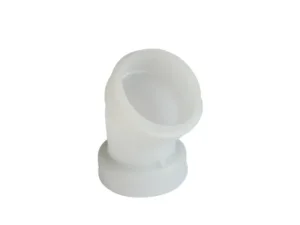
The choice between DN50 (2-inch) and DN80 (3-inch) guide pipes depends primarily on liquid viscosity and required discharge velocity. DN50 guide pipes are standard for low-to-medium viscosity fluids (such as water, solvents, and light oils) offering precise flow metering. DN80 guide pipes are recommended for high-viscosity media (heavy syrups, resins, latex, or slurries) where maximizing discharge rate and minimizing flow resistance is critical to prevent clogging and operational bottlenecks.
Are replacement crossbeam transom support bars universally compatible across all major IBC brands?
While standard 1000L IBC totes follow general ISO dimensional envelopes (1200 x 1000 mm base), crossbeam mounting hole pitches and profile geometries can vary slightly between manufacturers (e.g., Schutz style vs. Mauser style). High-quality China suppliers manufacture both exact OEM-replacement bars and universal slotted galvanized transom bars that accommodate variable bolt-hole spacing, allowing fleet managers to standardize on a single replacement bar design.
Why is EPDM or PTFE preferred over standard NBR for IBC sealing washers in chemical applications?
NBR (Nitrile Rubber) exhibits good resistance to petroleum-based oils but degrades rapidly when exposed to polar solvents, strong acids, ozone, and atmospheric oxidation. EPDM offers superior resistance to steam, water, alkalis, and polar liquids. Virgin PTFE provides near-universal chemical inertness across the entire 0-14 pH spectrum. Specifying PTFE or EPDM/PTFE composite washers prevents gasket swelling, degradation, and contamination during long-term storage of harsh chemicals.
What is the function of anti-sloshing baffles in bulk liquid transit?
When an IBC container is partially filled (under-ullage transport), sudden vehicle braking or cornering causes the internal liquid mass to surge against the bottle walls. This dynamic hydrodynamic forces can compromise vehicle stability and distort the outer steel cage. Internal anti-sloshing plastic baffles break up liquid wave motion, dissipating kinetic energy and stabilizing the load during transportation.
How does a breathable lid cap function compared to a completely sealed screw lid?
A completely sealed lid provides an airtight, vapor-tight closure suitable for non-gassing liquids under stable ambient temperatures. A breathable lid cap incorporates a microporous hydrophobic membrane (e.g., ePTFE vent) that allows gas molecules to escape or enter while blocking liquid passage. This continuous pressure equalization prevents tote sidewall swelling when temperature rises or collapse (vacuum panelling) during high-speed fluid pumping or atmospheric drops.
Complete Range of Specialized Replacement Hardware & Assemblies
Browse our additional catalog of sealing washers, valve spring inserts, anti-sloshing baffles, replacement cages, and high-flow discharge components.