
Standard & Specialized IBC Tank Solutions
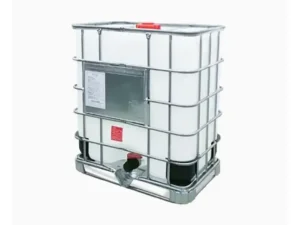
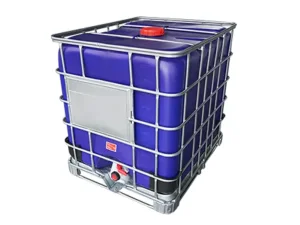
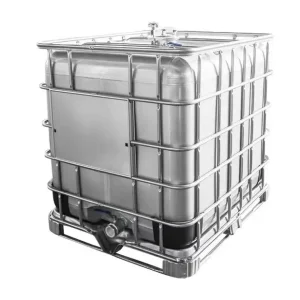
Factory-direct UN-certified 1000L/500L IBC totes, stainless steel containers, high-flow discharge valve assemblies, and precision closure fittings.
Executive Whitepaper: Industrial Bulk Packaging & Fluid Dynamics
An authoritative analysis of Intermediate Bulk Container (IBC) engineering, UN dangerous goods compliance, material degradation prevention, and global supply chain integration.
In modern industrial logistics, the Intermediate Bulk Container (IBC) represents the nexus of structural integrity, volumetric efficiency, and chemical containment security. As global supply chains accelerate toward automated material handling, fluid packaging can no longer be evaluated merely as a static vessel. It functions as an active asset within integrated transport loops, subject to dynamic hydro-mechanical stresses, environmental temperature fluctuations, multi-axis transportation vibration, and harsh chemical reactivity.
A qualified IBC tank manufacturer operates at the intersection of polymer polymer chemistry, metallurgy, precision blow-molding, injection molding, and international regulatory compliance. Whether storing hazardous industrial reagents, high-purity food additives, active pharmaceutical ingredients (APIs), or bulk agricultural concentrates, selection of the proper IBC architecture dictates operational safety, total cost of ownership (TCO), and corporate environmental, social, and governance (ESG) compliance.
Standard composite IBC totes (most frequently 1000-liter and 500-liter capacities) are engineered through three synergistic subsystems:
- Primary Inner Containment Vessel: High-Molecular Weight High-Density Polyethylene (HMW-HDPE) blow-molded bottles engineered with UV-stabilizer additives, optional anti-static co-extrusion layers, or fluorinated barrier coatings to prevent chemical permeation, stress cracking, and environmental degradation (ESCR).
- Secondary Structural Exoskeleton: Tubular galvanized steel grid cages designed to absorb multi-directional impact energies, stack static loads up to 4-high fully loaded totes, and prevent lateral wall bulging during high-density fluid containment.
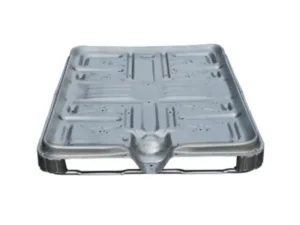
- Integrated Base Pallet & Discharge System: Forklift-accessible pallet bases (heavy-duty steel, lightweight rust-proof aluminum, or hygienic HDPE) paired with precision DN50/DN80 butterfly or ball discharge valves equipped with specialized elastomeric seals (EPDM, FKM/Viton, or PTFE).
Polymer & Stainless Steel Material Matrix
Technical comparison of inner container resins, metallic alloys, and elastomeric seals across chemical and thermal exposure profiles.
| Material Category | Structural Specification | Chemical Resistance Profile | Thermal Operating Range | Primary Industrial Applications |
|---|---|---|---|---|
| HMW-HDPE (Standard) | Virgin High-Molecular-Weight Polyethylene (Density ≥ 0.952 g/cm³) | Resistant to water, acids, alkalis, inorganic salts, alcohols. Vulnerable to non-polar aromatics. | -40°C to +60°C | General industrial chemicals, water treatment, agricultural fertilizers, non-hazardous fluids. |
| Fluorinated HDPE (Level 5) | Gas-phase fluorination modified HDPE matrix | Drastically reduced permeation of non-polar solvents, aromatic hydrocarbons, xylene, toluene. | -40°C to +60°C | Agrochemical formulations, solvent-based coatings, specialty fuels, organic chemicals. |
| AISI 304 Stainless Steel | Austenitic 18/8 Chromium-Nickel Stainless Steel Alloy | Excellent resistance to atmospheric exposure, organic chemicals, dairy, food acids, neutral solutions. | -196°C to +300°C | Food & beverage processing, edible oils, flavors & fragrances, general sanitary fluids. |
| AISI 316L Stainless Steel | Low-Carbon Molybdenum-Bearing Austenitic Steel Alloy | Superior resistance to chlorides, pitting corrosion, aggressive acids (phosphoric, organic), and solvents. | -196°C to +400°C | Pharmaceutical APIs, high-purity fine chemicals, aggressive acids, offshore oil & gas. |
| Lightweight Aluminum Base | Corrosion-resistant structural aluminum alloy grid pallet | Immune to rust, resistant to industrial washdowns, salt spray, and atmospheric moisture. | N/A (Structural Base) | Cleanroom logistics, maritime shipping, food processing facilities, hygienic reuse loops. |
Polymer inner bottles undergo continuous stress under chemical exposure. Premium IBC manufacturers utilize resins certified under ASTM D1693 ESCR testing exceeding 1000 hours. This guarantees that surfactants, oils, and wetting agents do not cause micro-fracturing along the blow-molded radius stress points during extended storage.
Liquid sloshing during sudden transit braking generates concentrated hydraulic kinetic energy. Standard cages utilize cold-rolled tubular steel welded in automated robotic grids, engineered to withstand internal pressure spikes during UN drop tests (up to 1.9 meters) and hydraulic pressure testing (≥ 100 kPa for 10 minutes).
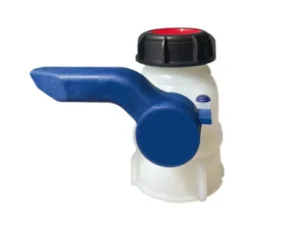
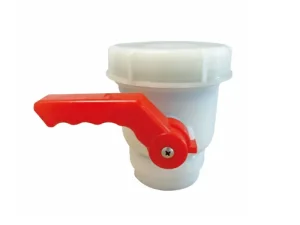
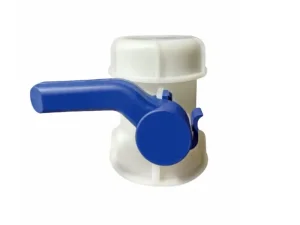
Valves represent the primary failure point in fluid containment. Integrated DN50 (2-inch) and DN80 (3-inch) butterfly or ball valves feature precision-machined threads, high-density PTFE/EPDM seats, and secondary screw-cap dust seal security to guarantee zero leakage across thousands of discharge cycles.
China's Factory Manufacturing & Supply Chain Ecosystem
Why leading global chemical distributors and industrial packaging buyers partner with specialized Chinese manufacturing hubs like Linyi, Shandong.
In manufacturing centers such as the Jinluo Technology Industrial Park in Linyi, Shandong, the complete supply chain—from raw resin polymerization, mold design, and extrusion blow molding to automatic cage welding, valve assembly, and pallet casting—is localized within a 15-kilometer radius. This vertical consolidation eliminates intermediate transport markups and reduces component lead times to zero.
Advanced toolmaking operations utilize 5-axis CNC machining centers and automated EDM tooling to craft multi-cavity injection molds for lids, valves, and structural connectors. Machining precision tolerances up to 0.005 mm ensure that every replacement cap, valve thread, and guide pipe seals perfectly without flash or wall thickness variation.
Operating multi-base production facilities housing 300+ technical employees enables high continuous output. High-demand stock configurations (such as standard 1000L HDPE IBC totes, DN50 butterfly valves, and 150mm breathable caps) maintain permanent buffer stock, enabling dispatch within 3 business days for global container shipments.
Global Industry Trends & Next-Gen Technologies
The transformation of static bulk packaging into intelligent, sustainable, and closed-loop fluid transport assets.
Modern industrial supply chains require real-time visibility. Next-generation IBC totes are equipped with ATEX/IECEx certified IoT sensors mounted inside specialized recess pockets on the top lid or cage frame. These sensors continuously broadcast:
- Volumetric Fluid Level: Ultrasonic distance sensing reporting real-time inventory levels.
- GPS & Geofencing: Tracking location during intermodal sea, rail, and truck transport.
- Environmental Telemetry: Monitoring internal temperature, ambient pressure, tilt, and impact shocks.
Driven by strict corporate sustainability targets and global carbon regulations (such as the EU Packaging and Packaging Waste Regulation), the industry is transitioning from single-use packaging to circular reconditioning loops:
- Triple-R Rinse Architecture: Smooth inner bottle geometry facilitating high-pressure automated washing without fluid traps.
- Modular Component Swapping: Standardized replacement valves, screw lids, and nameplates enabling 10-minute bottle or cage reconditioning.
- PCR Polymer Integration: Blending Post-Consumer Recycled (PCR) resin into outer bottle layers or structural pallets without compromising UN drop compliance.
Discharge efficiency directly impacts operational throughput. Advanced valve designs, such as integrated DN80 high-flow butterfly valves and bottom guide pipes, increase liquid flow rates by up to 45% compared to traditional DN50 outlets, while anti-drip recessed valve seats eliminate valuable chemical residue inside the bottle upon draining.
Macro Industry Solutions & Sector Applications
Customized fluid containment configurations tailored to specific industrial operational environments.
For aggressive solvents, concentrated acids, alkalis, and flammable liquids (UN Class 3, 6.1, 8):
- Configuration: UN-Rated 1000L HMW-HDPE bottle with Fluorinated Level 5 interior barrier layer.
- Discharge: DN50 integrated butterfly valve with PTFE/FKM gaskets and ground wire connection for static dissipation in EX-zones.
- Venting: Pressure-relief venting lid (breathable cap) preventing vacuum implosion during high-speed pumping.
For high-purity liquid sugars, dairy products, edible oils, flavors, and pharmaceutical ingredients requiring FDA / EC 1935/2004 compliance:
- Configuration: 1000L 304 or 316L Sanitary Stainless Steel IBC with 45° conical bottom for 100% total discharge.
- Hygiene: CIP (Clean-in-Place) and SIP (Steam-in-Place) compatible up to 130°C. Fully passivated weld seams.
- Fittings: Tri-Clamp sanitary outlets, food-grade EPDM gaskets, and tamper-evident sealing covers.
For liquid fertilizers, pesticides, biological inoculants, and UV-sensitive reagents stored outdoors:
- Configuration: 500L or 1000L Opaque Blue or Black Light-Proof UV-Resistant HDPE IBC Tank.
- Protection: 100% optical light block prevents algae growth, photo-degradation, and chemical breakdown under direct sunlight.
- Base: Lightweight rust-proof aluminum or plastic pallet base for all-weather outdoor storage fields.
Global Procurement Framework & Quality Audit Metrics
Essential engineering verification parameters for international procurement teams evaluating IBC suppliers.
Before issuing a purchase order for bulk IBC containers or OEM replacement components, international buyers should audit the following parameters:
- Raw Material Traceability: Insist on 100% virgin HDPE batch certificate analysis (Melt Flow Index MFI, Density, ESCR).
- UN Marking Validity: Verify that the UN embossing code (e.g.,
UN 31HA1/Y/...) corresponds to official third-party drop, leakproofness, internal pressure, and stacking test certificates. - Cage Weld Integrity: Inspect automated robotic multi-point weld penetration across tubular steel intersections to prevent premature vibration fatigue failure.
- Valve Pressure Testing: Ensure 100% of manufactured valves undergo pneumatic submerged leak testing at ≥ 0.5 bar before final packaging.
Maximizing container loading density significantly reduces per-unit shipping costs in ocean freight:
- 40ft High Cube (HC) Container: Holds exactly 52 units of standard 1000L IBC totes (26 totes per tier, double-stacked).
- 20ft Standard Container: Holds 18 to 20 units of standard 1000L IBC totes.
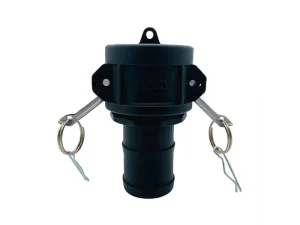
- Nested Component Shipping: When sourcing replacement parts (lids, valves, guide pipes, pallet bases), components are packed in high-density export cartons, maximizing container cube utilization.
Frequently Asked Questions (FAQ)
Expert technical answers to common questions asked by industrial buyers, packaging engineers, and supply chain managers.
What products does Dasheng manufacture and supply for global IBC users?
How do I choose between a Breathable (Vented) Lid and a Solid Sealing Lid?
When should a facility upgrade from HDPE Composite IBCs to 304/316L Stainless Steel IBCs?
What is the significance of Fluorination (Level 5) in HDPE IBC Totes?
What is your typical production lead time and sample policy for customized components?
How do your factory manufacturing processes guarantee zero valve leakage?
Valves, Connectors & OEM Accessories
Factory-direct replacement fittings engineered to standard industrial dimensions for seamless fleet maintenance and reconditioning.

Optimize Your Bulk Liquid Packaging Supply Chain Today
Whether you are sourcing standard 1000-liter UN-approved IBC totes, specialized stainless steel containers, high-flow DN80 valve replacement stock, or custom injection-molded components, our engineering team provides direct factory pricing, comprehensive quality certification, and reliable global delivery.