
Featured Industrial Household & Packaging Products in Pakistan
Direct Factory-Grade Solutions for Bulk Liquid Storage, Chemical Containment, and High-Density Household Packaging Systems
Pakistan’s Industrial & Household Products Landscape: Strategic 2026 Analysis
An In-Depth Evaluation of Manufacturing Capacities, Urban Household Demand, and Bulk Storage Infrastructure across Punjab, Sindh, and Khyber Pakhtunkhwa
The Islamic Republic of Pakistan stands at a critical juncture of industrial modernization and urban consumer expansion. As the fifth most populous country globally, with an estimated population exceeding 240 million, Pakistan’s internal market dynamics present unprecedented demand for standardized home products, heavy-duty storage containers, and chemical packaging. Historically dependent on informal plastic molding hubs in Karachi, Lahore, and Gujranwala, the market is undergoing a rapid transition toward high-density polyethylene (HDPE), food-grade certified storage solutions, and precision-engineered industrial housewares.
1. Industrial Manufacturing Clusters: Karachi, Faisalabad, and Lahore
Pakistan’s industrial household and plastic sector is organized geographically around three core economic corridors:
Karachi (Southern Logistics & Marine Port Access)
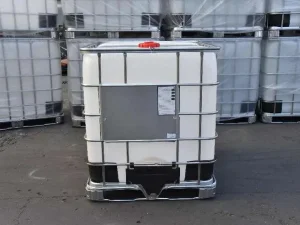
Home to Port Qasim and Karachi Port Trust (KPT), Karachi processes the lion's share of imported virgin HDPE, Polypropylene (PP), and linear low-density polyethylene (LLDPE) resins. The industrial estates of SITE (Sindh Industrial and Trading Estate) and Korangi house heavy chemical processing units requiring robust 1000L IBC totes, chemical drum closures, and bulk liquid handling apparatus.
Faisalabad (The Textile & Chemical Auxiliaries Capital)
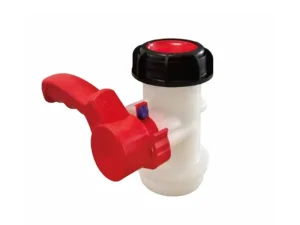
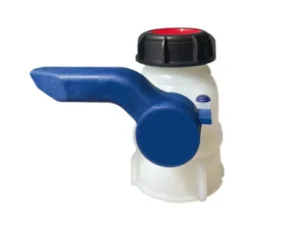
Known as the Manchester of Pakistan, Faisalabad’s vast textile dyeing, printing, and processing operations demand thousands of chemical-resistant storage containers annually. Textile auxiliaries, hydrogen peroxide, liquid dyes, and softeners require leak-proof, UN-certified Intermediate Bulk Containers (IBCs) with specialized DN50/DN80 butterfly valves to ensure zero contamination during storage.
Lahore & Gujranwala (Household Products Manufacturing Engine)
The Punjab industrial heartland specializes in consumer plasticware, water storage tanks, kitchen organizers, and domestic maintenance products. However, local mold-making precision often struggles with sub-millimeter tolerances required for leak-tight container lids, pressure-equalization breathable caps, and high-pressure chemical valves, creating a vital synergy with advanced Chinese precision factories.
China Factory Efficiency & Technical Advantages for Pakistani Buyers
How Modern High-Precision Production, Scale Economics, and CPEC Logistics Create Unbeatable Value for Pakistani Importers
Sourcing home products, industrial liquid containers, and heavy-duty plastics involves balancing cost per unit against long-term structural integrity. China’s manufacturing ecosystem, represented by premier producers like Linyi Dasheng Import & Export Co., Ltd., offers Pakistani distributors and industrial end-users undeniable operational advantages that local domestic facilities cannot replicate at scale.
1. Tooling Precision & 0.005mm Mold Tolerance
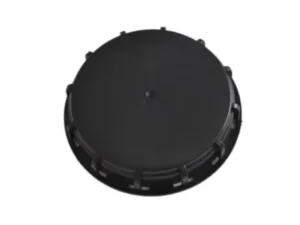
High-performance home containers and liquid storage systems depend on micro-precise threading and gasket seats. Advanced CNC machining centres in China achieve mold tolerances down to 0.005 mm. This guarantees that replacement parts—such as IBC lid covers, breathable vent caps, and DN50 butterfly valves—achieve an absolute air-tight seal, eliminating evaporation loss and chemical spill risks in Pakistan’s high ambient heat.
2. Polymer Chemistry & Material Science
Utilizing 100% virgin High-Density Polyethylene (HDPE) reinforced with anti-UV additives (UV-8 rating) ensures that plastic home products and heavy-duty containers exposed to harsh sunlight in Sindh and Punjab do not suffer from environmental stress cracking (ESCR) or photochemical degradation. Chinese factories employ automated gravimetric blenders to maintain exact resin purity across million-unit production cycles.
3. CPEC Freight Optimization & Transit Speed
Under the China-Pakistan Economic Corridor (CPEC), multimodal transit from Shandong industrial zones via Qingdao Port directly to Karachi (KPT/Port Qasim) or overland through the Khunjerab Pass offers streamlined customs clearance, preferential tariff structures under the CPFTA (China-Pakistan Free Trade Agreement), and transit times as short as 12–15 days by sea.
Localized Application Scenarios Across Pakistan Industry & Domestic Sectors
From Commercial Agriculture in South Punjab to Municipal Water Containment in Karachi, Discover How Standardized Products Serve Local Needs
A. Edible Oil Processing & Ghee Mills (Multan & Rahim Yar Khan)
Pakistan is one of the world's largest importers and processors of palm oil and soybean oil. Processing units require hygienic, food-grade certified 1000-liter IBC containers and heavy-duty plastic drums equipped with sealing lids. The non-reactive HDPE lining prevents lipid oxidation and maintains compliance with Pakistan Standards and Quality Control Authority (PSQCA) guidelines.
B. Agrochemical Formulation & Pesticide Bottling (Sahiwal & Sukkur)
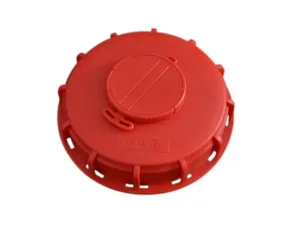
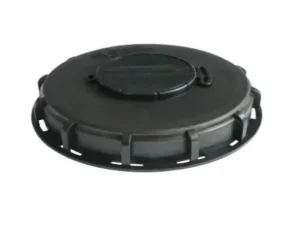
The agricultural backbone of the Indus Basin relies heavily on liquid fertilizers, pesticides, and growth enhancers. Storing raw chemical concentrates demands UN-rated hazardous liquid packaging. Using red breathable vent lids prevents internal pressure buildup caused by chemical off-gassing during heat waves exceeding 45°C in Upper Sindh and Central Punjab.
C. Urban Household Storage & Water Conservation (Karachi & Rawalpindi)
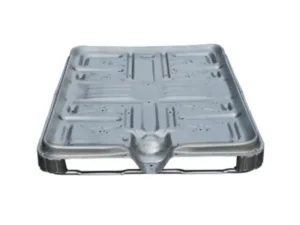
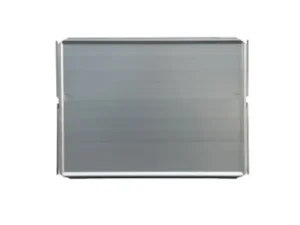
Faced with municipal water rationing in rapidly expanding urban centers like Karachi, Hyderabad, and Rawalpindi, residential complexes and commercial buildings utilize modular heavy-duty containers for domestic water harvesting, greywater processing, and emergency supply preservation. Aluminum pallet bases ensure zero corrosion even when installed in humid coastal environments.
D. Chemical & Dye Storage for Export Textiles (Sialkot & Faisalabad)
Export-oriented garment and sports goods manufacturers in Sialkot, Sheikhupura, and Faisalabad require zero-leak liquid storage to pass stringent international brand audits (e.g., ZDHC compliance). Stainless steel engraved nameplates on IBC containers allow seamless batch tracking, digital QR coding, and ISO chemical safety compliance.
Global Industry Trends & Enterprise Sourcing Blueprint
Navigating ESG Mandates, Circular Packaging Models, and Strict Quality Assurance Standards in 2026
1. The Shift Toward Circular Economy & Reusable IBC Totes
The global household products and industrial container market is undergoing a seismic shift away from single-use rigid plastics toward reusable, repairable modular containers. Enterprise buyers in North America, Europe, and Asia-Pacific now require suppliers to offer replaceable components—such as bolt-on butterfly valves, replaceable top caps, corner guards, and modular steel frames. By replacing only worn parts rather than discarding entire containers, industrial operations reduce carbon footprints by up to 64% over a 5-year lifecycle.
2. Standardization of UN Dangerous Goods Certifications
For international supply chains involving hazardous chemicals, raw solvents, and concentrates, adherence to UN dangerous goods specifications (UN 31HA1/Y design approval) is non-negotiable. Quality criteria include:
- Drop Test Performance: Free-fall drop impact test at -18°C without liner fracture or valve leakage.
- Stacking Test Durability: Load capacity exceeding 4,600 kg for multi-tier warehouse stacking.
- Hydraulic & Pneumatic Pressure Rating: Internal pressure retention at 100 kPa for 10 minutes minimum.
Complete Wholesale Product Catalog for Pakistani Importers & Distributors
Factory-Direct IBC Components, Corrosion-Proof Bases, Precision Valves, and Protective Accessories
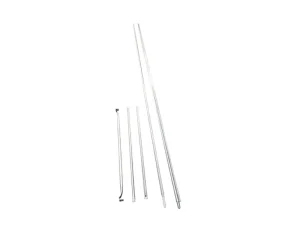
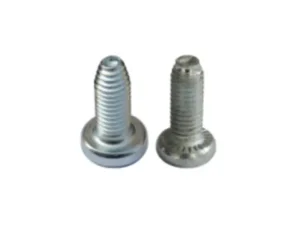
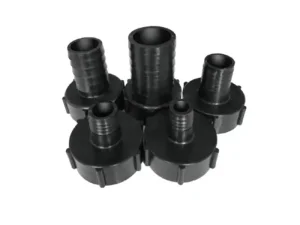
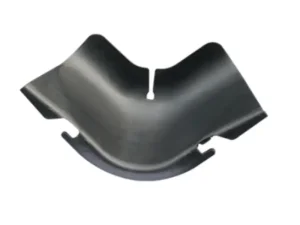
Frequently Asked Questions (FAQ) for Pakistani B2B Buyers & Importers
Expert Engineering & Sourcing Answers Regarding Import Duties, Chemical Resistance, Custom Tooling, and Delivery Protocols
Q1: What are the primary customs documentation requirements for importing IBC containers and plastic home products into Pakistan?
Importers require a Commercial Invoice, Packing List, Bill of Lading (B/L), Certificate of Origin (issued by CCPIT in China for CPFTA FTA benefits), and PSQCA compliance certificates where applicable. Under the China-Pakistan Free Trade Agreement (CPFTA Phase II), buyers can leverage preferential or zero-duty tariffs using Form FTA.
Q2: How do I choose between a sealing lid and a breathable vent lid for liquid storage in Pakistan’s hot climate?
Use a gasketed sealing lid (EPDM/NBR gasket) for non-gassing, stable liquids such as edible oils, potable water, or neutral food syrups to prevent external dust and insect contamination. Choose a breathable vent lid (featuring a hydrophobic PTFE microporous membrane) for organic chemicals, peroxide formulations, or agricultural fertilizers that release gas when ambient temperatures in regions like South Punjab exceed 40°C.
Q3: Can your factory support custom mold design (OEM/ODM) for local household branding in Pakistan?
Yes. Our in-house tooling facility handles complete mold design, mold flow analysis, CNC machining, and sample prototyping. We can mold custom logos, specific thread profiles, and specialized colors directly into plastic lids, containers, or structural components with a tolerance precision of 0.005 mm.
Q4: What is the typical lead time for a full container load (20FT / 40HQ) shipped to Karachi Port?
Standard products kept in stock can be prepared for export within 3 days. Mass production of custom-molded items takes approximately 10–15 days. Ocean transit from Qingdao or Lianyungang Port to Karachi (KPT/Port Qasim) typically takes 12 to 16 days, depending on shipping line routing.
Q5: Are aluminum pallet bases superior to traditional wooden or steel bases for Pakistani industrial buyers?
Aluminum pallet bases offer significant advantages: they are 100% rust-proof in humid coastal climates like Karachi, lighter than steel (reducing air/land freight costs), fully washable for sanitary food/pharma compliance, and immune to wood-boring pests, eliminating the need for ISPM-15 fumigation certificates.
Q6: How do DN50 welded butterfly valves withstand corrosive textile chemicals used in Faisalabad mills?
Our DN50 valves are molded from high-purity Polypropylene (PP) blended with glass-fiber reinforcement and paired with fluorocarbon (FKM) or PTFE seals. This engineering combination resists aggressive acids, alkalis, textile bleaching agents, and liquid colorants without swelling, cracking, or seizing.
Partner with China’s Leading Factory for Your Pakistani Supply Chain
Get Factory-Direct Pricing, Technical Data Sheets, and Custom OEM Quotes within 24 Hours