
The Strategic Role of Poland in European Supply Chain Architecture
Poland as the Manufacturing Epicenter of CEE
Over the past decade, Poland has solidified its position as the industrial engine of Central and Eastern Europe (CEE). Positioned geographically at the crossroads of major Trans-European Transport Networks (TEN-T), Polish manufacturing clusters—stretching from the upper Silesian industrial belt through Łódź, Poznań, to the maritime hubs of Gdańsk and Gdynia—deliver unprecedented supply chain responsiveness. For global procurement directors and enterprise distributors of home products, industrial fluids, and chemical solutions, Poland offers an optimal balance of cost-efficiency, high-precision engineering, and stringent regulatory compliance.
The Polish home products market encompasses a vast array of high-volume industrial liquid storage tanks, Intermediate Bulk Containers (IBC totes), modular fluid fittings, and consumer packaging. Driven by massive growth in domestic chemical manufacturing, agricultural processing, and specialized home product formulating, the demand for durable, UN-rated, and leak-proof liquid containment hardware has escalated. Polish suppliers and manufacturing factories are increasingly integrated into direct European distribution networks, serving key markets in Germany, Czechia, Scandinavia, and Western Europe with short lead times.
Dual-Track Sourcing Strategy & Risk Mitigation
Global economic shifts, coupled with volatile freight logistics, have prompted multinational buyers to adopt a "dual-track" procurement methodology. While high-volume resin synthesis and tool-and-die mold fabrication often originate in advanced Asian manufacturing zones such as Shandong, final assembly, regional stocking, localized custom engraving, and rapid dispatch are executed near the end market in Poland.
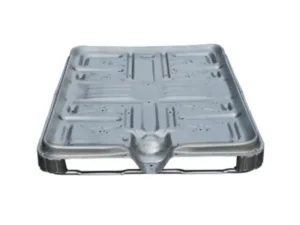
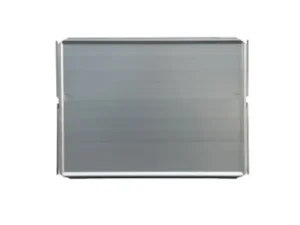
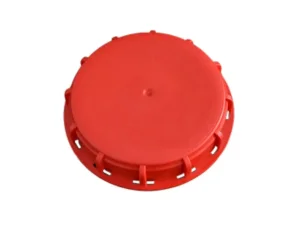
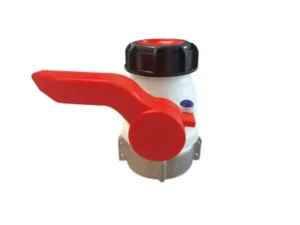
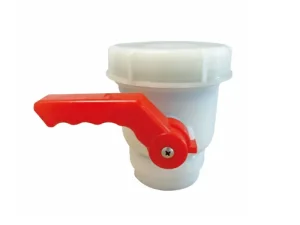
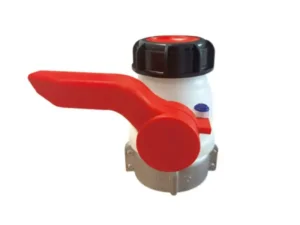
This hybrid model empowers European buyers to maintain low total cost of ownership (TCO) while securing immediate access to critical spare components—such as DN50 butterfly valves, pressure relief caps, and reinforced aluminum pallet bases—ensuring zero operational downtime for home care liquid bottling plants and industrial chemical operations.
Core Containment & Valve Systems for the Polish Market
Deciphering Global Enterprise Procurement Requirements in Poland
1. Structural Rigidity & ESCR Excellence
Industrial liquids, household detergent bases, and agrochemical formulations exert intense stress on polyolefin containers. Procurement managers in Poland mandate high Environmental Stress Crack Resistance (ESCR). Inner HDPE containers must be blow-molded with precise molecular weight distribution to withstand dynamic hydraulic pressure, thermal expansion, and mechanical vibration during cross-border transit across CEE highways.
2. Zero-Permeation Valve Engineering
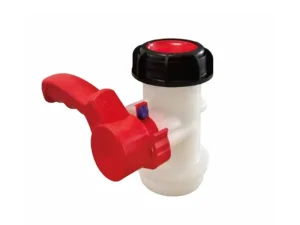
The discharge valve represents the most critical potential failure point in bulk liquid containment. Polish chemical compounders and home product manufacturers demand DN50 and DN80 valves (butterfly or ball type) manufactured with chemical-resistant EPDM, Viton (FKM), or PTFE seals. Valves must feature high-torque resistance, anti-welding collars, and quick-connect camlock adapters to integrate smoothly into automated filling lines.
3. Total Cost of Ownership (TCO) & Modular Repair
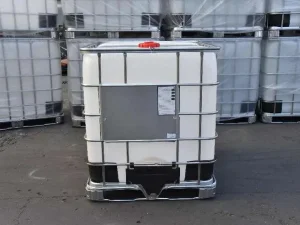
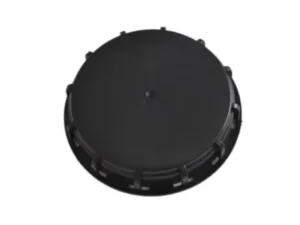
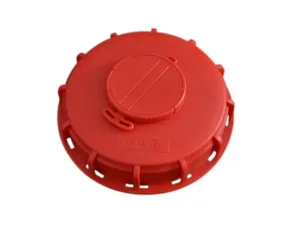
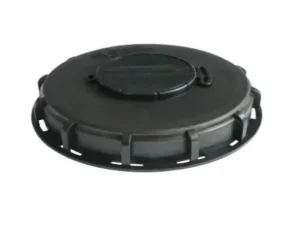
Rather than discarding whole 1000L IBC totes upon component wear, European sustainability frameworks favor modular repairability. Polish enterprise buyers aggressively search for factories that supply individual replacement lids, vented caps, steel cage frames, replacement valves, and custom stainless steel nameplates. Sourcing modular replacement spares significantly lowers ongoing capital expenditure.
Macro Industry Solutions & Product Engineering Specifications
High-Density Polyethylene (HDPE) Extrusion
The core vessel of modern industrial packaging is manufactured utilizing high-molecular-weight virgin HDPE resin. This polymer matrix yields optimal tensile strength and impact resistance. Advanced multi-layer co-extrusion technology enables dynamic UV-stabilization layer integration, protecting lightsensitive home chemicals, food syrups, and specialized industrial concentrates from photo-degradation during outdoor storage in Polish logistics yards.
- Wall thickness uniformity monitored via ultrasonic gauge sensors.
- Anti-static outer layer options to comply with ATEX explosion-proof zones.
- Smooth interior surface preventing liquid retention and simplifying clean-in-place (CIP) protocols.
Galvanized Tubular Steel Caging & Base Technology
To support 4-high stacking under full load (specific gravity up to 1.9), the external cage is constructed from grid-welded galvanized steel tubing. The hot-dip zinc coating ensures long-term resistance against atmospheric corrosion and chemical splashes in harsh industrial environments.
- Steel, lightweight aluminum, or 100% recycled HDPE plastic pallet bases.
- 4-way forklift entry engineered for automatic high-bay racking systems in Łódź distribution hubs.
- Corner guards and top corner protectors preventing cage collapse during dynamic transport.
Technological Roadmap & Sustainability Horizon
IoT Integration & Telematics
Next-generation containers for the Polish market feature integrated ultrasonic level monitoring sensors, GPS tracking units, and digital temperature logs. Enterprise fleet operators in Warsaw and Katowice can track fluid volume, thermal fluctuations, and shock impacts in real-time across international freight corridors.
PCR Polymer Integration (EU PPWR)
With the European Packaging and Packaging Waste Regulation (PPWR) imposing mandatory post-consumer recycled (PCR) resin quotas, manufacturers are pioneering multi-layer co-extrusion bottle structures containing up to 30% to 50% high-grade PCR HDPE in the middle layer, encased between virgin resin layers.
Advanced Fluorination & Barrier Tech
In-line fluorination during the blow-molding cycle modifies the inner polyethylene surface, creating an impermeable barrier against solvent migration, swelling, and aroma loss. This technology allows home chemical brands to utilize lightweight plastic totes for aggressive solvents and essential oils.
EU Regulatory Safeguards & Regional Quality Assurances
European Union Regulatory Compliance
Supplying home products and liquid containment into Poland requires absolute adherence to EU safety directives. Industrial packaging intended for dangerous goods transport must hold valid UN certification (ADR for road, RID for rail, and IMDG for sea freight).
- REACH Regulation (EC 1907/2006): All polymers, colorants, and elastomer gaskets are strictly compliant, free from SVHCs (Substances of Very High Concern).
- Food Contact Suitability: Specific model lines meet EU Regulation No 10/2011 for food-grade liquids, vegetable oils, and beverage bases.
- CE Mark & ISO 9001/14001: Factory production systems maintain full traceability from raw resin lot to finished valve assembly.
Rigorous Factory Quality Inspection Protocols
Before dispatching shipments to Polish logistics centers or direct factory clients, products undergo exhaustive physical testing inside specialized quality control laboratories:
- Pneumatic Leak Testing: Every individual IBC bottle and valve assembly is pressure-tested at 30 kPa to guarantee 100% leak-proof performance.
- Hydraulic Internal Pressure Test: Sample units undergo pressure testing up to 100 kPa for 10 minutes to verify seam integrity.
- Top-Load Stacking Test: Verified under simulated elevated ambient temperatures (+40°C) with a total top weight equivalent to 3 fully loaded IBCs.
- Drop Impact Test: Containers filled to nominal capacity and conditioned to -18°C are subjected to drop tests from heights up to 1.9 meters.
Industrial Spares, Valves, Lids & Accessories for Poland
Purchasing & Technical Insights for Polish Procurement
Optimize Your Polish Supply Chain & Industrial Sourcing Today
Speak directly with our technical application engineers to request product CAD drawings, sample validation units, or a customized factory-direct price quotation.
Send Inquiry Now