
High-Performance Liquid Handling & Storage Utilities
Engineered for high-durability containment across chemical, agricultural, and domestic industrial environments in Bangladesh and international export hubs.
The Bangladesh Home Products & Industrial Utilities Ecosystem
A comprehensive assessment of Bangladesh’s transformation into a multi-sector manufacturing powerhouse, expanding beyond ready-made garments (RMG) into high-grade plastics, home consumer products, and industrial liquid management.
Industrial Hub Clustering
Manufacturing capabilities are concentrated around primary economic corridors including Dhaka, Gazipur, Narayanganj, and the Chittagong EPZ. These clusters optimize supply chain logistics by connecting raw resin processing directly to deep-sea maritime ports.
Infrastructure Modernization
With mega-projects like the Matarbari Deep Sea Port, Padma Rail Link, and expanded Special Economic Zones (SEZs), freight handling velocity for raw polymers and finished home goods has increased by over 38% since 2022.
Export Diversification & Trade Status
Leveraging favorable tariff treatments, Generalized System of Preferences (GSP) structures, and competitive labor capital, local suppliers provide global buyers with high-margin alternatives under a robust "China Plus One" sourcing strategy.
Emerging Trends & Polymer Engineering Innovations
The transition from low-complexity home plastic tools to high-precision, heavy-duty industrial containers requires strict technological upgrades in polymer processing and mold execution.
PCR & Circular Economy Integration
Modern factories are adopting Post-Consumer Recycled (PCR) resin blends alongside virgin High-Density Polyethylene (HDPE). Advanced co-extrusion technology permits inner virgin layers for chemical purity with outer recycled structural layers.
Smart Mold Precision & Wall Control
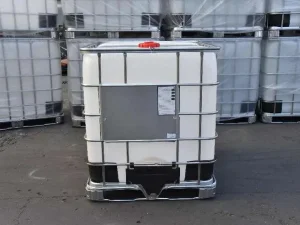
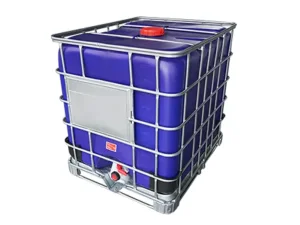
Using multi-cavity hot runner injection machinery and automatic continuous blow molding with 128-point parison control, modern plants maintain wall thickness uniformity within ±0.15mm across large 1000L IBC containers.
UV Resistance & Barrier Chemistry
To combat harsh tropical and oceanic UV degradation, suppliers blend 2.5% active carbon black and specialized hindered amine light stabilizers (HALS), extending outdoor container operational lifespans beyond 5 years.
Global Buyer Intent & Technical Sourcing Criteria
Institutional procurement managers evaluate factory partners using rigorous engineering metrics rather than basic unit cost alone. The matrix below outlines vital performance requirements.
| Evaluation Metric | Standard Household Grade | Heavy-Duty Industrial Grade (IBC) | Compliance Standard |
|---|---|---|---|
| Polymer Base Resin | Standard PP / Low-Density PE | High-Molecular Weight HDPE (HMW-HDPE) | ISO 1183 Resin Classification |
| Environmental Stress Crack (ESCR) | < 50 Hours (Non-Critical) | > 1,000 Hours (Active Chemicals) | ASTM D1693 Condition B |
| Drop Impact Resistance | 1.0 Meter Height (Ambient) | 1.9 Meter Height (-18°C Cold Testing) | UN Dangerous Goods Code 6H1 |
| Gasket & Seal Chemistry | Natural Rubber / Standard PVC | EPDM, Viton (FKM), PTFE Coated | FDA 21 CFR 177.2600 |
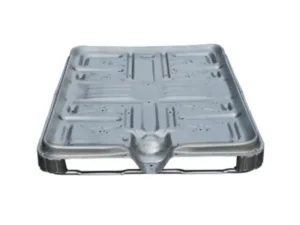
| Frame & Pallet Load Dynamic | N/A | Galvanized Steel Tube Grid (Max 4-High Stack) | ISO 16467 Load Testing |
Localization Support, Quality Standards & Regulatory Compliance
Ensuring that home products, commercial plastic goods, and industrial fluid totes meet international regulatory frameworks requires multi-stage quality control mechanisms built directly into the factory floor.
UN Packaging Certification
For liquid transport involving hazardous materials, products undergo rigorous hydraulic pressure tests (up to 100 kPa), vibration verification, and stacking endurance to carry valid UN markings.
ISO 9001:2015 & BSTI Audit
Factories are audited annually under ISO 9001:2015 Quality Management Systems and BSTI (Bangladesh Standards and Testing Institution) guidelines, ensuring batch-to-batch structural integrity.
Food Contact & REACH Compliance
Plastic products destined for beverage, agriculture, or food processing must pass migration testing for heavy metals, phthalates, and bisphenols in compliance with EU Directive 10/2011 and FDA standards.
Technological Roadmap & Future Sourcing Outlook
As smart manufacturing takes hold, the future of plastic home products and industrial containers in Bangladesh hinges on digital quality tracking and sustainable materials innovation.
AI Quality Control
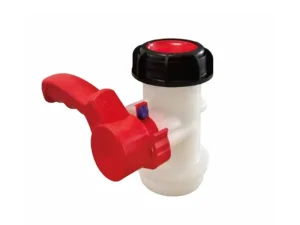
Deployment of computer-vision automated optical inspection (AOI) lines to spot microscopic micro-cracks and thread deformities on valve assemblies in real time.
IoT Fluid Telemetry
Integrating RFID and cellular telemetry into container lids to provide real-time monitoring of liquid volume, temperature, and localized pressure during global transit.
Bio-Polymer Matrices
Incorporating bio-based polyethylene derived from renewable sugarcane feedstock, cutting net carbon footprints of industrial containers by up to 45%.
Zero-Landfill Loop
Establishing nationwide container collection, reconditioning, and remanufacturing networks across South Asia to close the circular plastics loop entirely.
Frequently Asked Questions for Global Procurement Officers
Direct answers addressing supply chain risks, customization requirements, tariff frameworks, and quality control protocol in Bangladesh.
Why source home products and industrial containers from Bangladesh?
Bangladesh offers strategic logistics advantages through deep-sea maritime ports, competitive labor costs, strong government incentives under Special Economic Zones, and favorable tariff structures for European, North American, and Asian import channels.
What custom branding and OEM options are available?
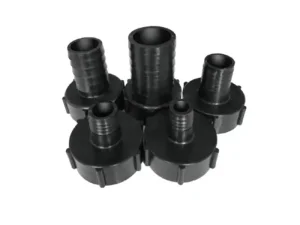
Factories provide comprehensive OEM/ODM services including custom mold development, laser-engraved stainless steel nameplates, custom color masterbatch matching, localized logo embossing, and specific thread pitch adaptations for valves and closures.
How do suppliers ensure leak-proof performance for chemical storage?
Containers undergo 100% automated pneumatic bubble leak testing, hydrostatic pressure tests, and drop impact tests. Closure system options utilize Viton or EPDM gaskets designed specifically to match the chemical compatibility matrix of the target fluid.
What are standard lead times for bulk container orders?
Standard catalog components (e.g., standard IBC lids, replacement caps, valves) are typically dispatched in 3 to 7 business days from stock. Custom mold development or bulk container production runs typically require 20 to 30 days including pre-shipment inspection.
What is the difference between breathable and sealing IBC lids?
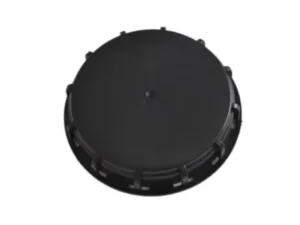
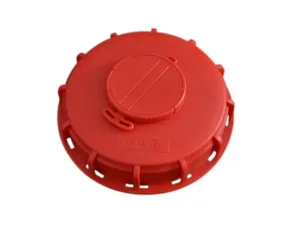
Breathable lids feature integrated hydrophobic membrane vents that allow off-gassing liquids to balance internal tank pressure without leaking. Sealing lids use solid gasket compression designed for airtight containment of stable non-gassing liquids during long ocean shipments.
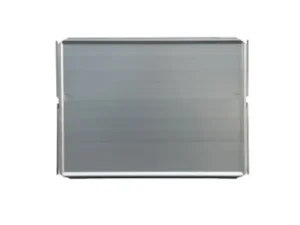
How do I select the right pallet base (Steel, Plastic, Aluminum)?
Steel pallet bases offer maximum cost-efficiency for dry storage; plastic pallets prevent corrosion in chemical wash-down areas; lightweight aluminum bases provide maximum durability and rust-proof hygiene for food-grade cleanroom applications.
Precision Replacement Parts, Fittings & Accessories
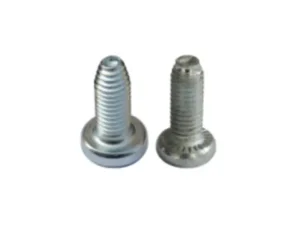
Explore our extensive range of specialized replacement components, structural bases, and precision fittings engineered for heavy-duty container fleets in Bangladesh.
Partner with Verified Bangladesh Manufacturing Leaders
Request technical datasheets, chemical compatibility charts, and competitive volume pricing tailored for your supply chain requirements.