Industrial Manufacturing Intelligence · West Africa Terminal Supply
Home Products Manufacturers & Factories for Conakry
Engineering premium rigid composite IBC tanks, chemical-resistant closures, precision discharge valves, and structural pallet containment systems designed for Guinea’s domestic liquid compounding, potable water reservoirs, and municipal distribution hubs.
High-Integrity Bulk Containment Systems for Conakry Infrastructure
Essential primary packaging and fluid handling fittings engineered to resist coastal maritime humidity, solar UV degradation, and rigorous overland transit across Guinea’s industrial and residential corridors.
1000L Industrial Series
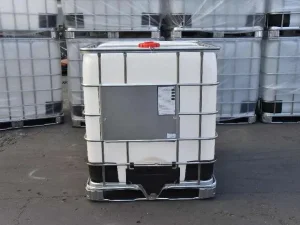
1000L Heavy Duty IBC Tank for Conakry Potable Water & Chemical Storage
Blow-molded high-density polyethylene inner bottle reinforced by a hot-dip tubular galvanized steel cage. Engineered for domestic water reservoirs, commercial detergent packaging, and agricultural liquid handling.
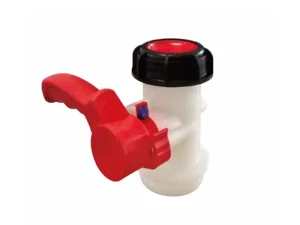
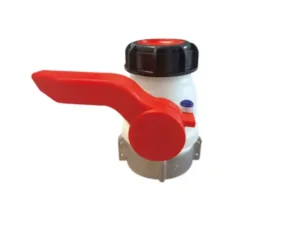
DN50 Welded Butterfly Valve for Controlled Residential & Factory Drainage
Sonic-welded directly to the inner HDPE tank neck. Features reinforced aluminum clamping handles, anti-leak PTFE/Santoprene seals, and standard S60x6 buttress threads for universal camlock couplings.
Industrial & Domestic Liquid Packaging Realities in Conakry
As the economic epicenter of the Republic of Guinea, the greater Conakry urban conurbation—stretching from the historic maritime peninsula of Kaloum through the densely populated manufacturing districts of Matam, Dixinn, Ratoma, and Matoto—faces a transformative shift in both consumer product manufacturing and municipal infrastructure. With rapid urban population growth exceeding 2 million residents, local manufacturing capabilities for domestic household chemicals, potable water reserves, sanitization products, and packaged consumer goods require scalable, factory-direct bulk packaging infrastructure.
Historically reliant on informal, single-use, re-purposed drum packaging that frequently posed contamination and structural collapse risks, Conakry’s industrial packaging ecosystem is experiencing rapid modernization. The establishment of decentralized liquid compounding operations in zones such as the Kagbelen industrial park and along the Dubréka corridor has driven heightened demand for standardized Intermediate Bulk Containers (IBCs) and precision injection-molded components. In a tropical climate characterized by an aggressive six-month monsoon season followed by intense equatorial heat, fluid containment solutions must withstand both extreme ultraviolet exposure and corrosive maritime atmospheric salinity.
Critical Local Vulnerability: The Intermittent Water & Fluid Grid
Due to intermittent municipal water distribution from the Société des Eaux de Guinée (SEG) network across suburban Conakry communes, multi-family domestic estates, healthcare clinics, and commercial food processors utilize 1,000-liter composite IBC tanks as essential hygienic cisterns. Standard rotational or thin-wall blow-molded vessels frequently develop environmental stress cracking (ESCR) under Conakry’s high ambient solar radiation. The adoption of virgin UV8-stabilized high-molecular-weight HDPE (HMW-HDPE) composite totes provides the essential mechanical toughness to secure domestic potable water and consumer-packaged liquids without algae proliferation or chemical leaching.
Furthermore, Conakry functions as the premier logistics gateway for Guinea's broader hinterland. The Autonomous Port of Conakry (Port Autonome de Conakry - PAC) acts as the primary offloading terminal for raw chemical polymers, food additives, and industrial base oils destined for domestic FMCG plants. Having standardized, factory-tested IBC packaging readily available at port-adjacent logistics facilities drastically reduces freight turnaround delays and prevents loss caused by container rupture on poorly paved transit corridors leading into the interior Fouta Djallon and Upper Guinea regions.
Domestic Water Security
Multi-tier modular potable water stations for residential compounds and municipal clinics across Ratoma and Matoto, preventing biofilm formation through food-grade, FDA-compliant high-density polyethylene surfaces.
Local Chemical Compounding
Turnkey intermediate storage for small-to-medium home product chemical factories producing liquid soaps, household disinfectants, bleach (sodium hypochlorite), and surface sanitizers in Kagbelen.
Tropical Maritime Logistics
Zinc-electroplated or hot-dip galvanized steel grid frames paired with aluminum and composite pallet bases to actively counteract salt-mist corrosion off the Gulf of Guinea coastline.
Global Market Convergence
Global Packaging Trends: Circular Economy & Smart Traceability
On an international scale, the industrial bulk container market is experiencing a profound transformation guided by ESG (Environmental, Social, and Governance) commitments, post-consumer recycled (PCR) resin compounding, and closed-loop reconditioning lifecycles. Globally, manufacturers are moving toward lightweight yet ultra-rigid designs that minimize raw polymer usage while elevating drop-impact tolerance and dynamic stackability under UN Chapter 6.1 performance thresholds.
In Western Africa, and specifically across the Guinean logistics corridor, the primary competitive differentiator is shifting from sheer initial purchase cost to Total Cost of Ownership (TCO). Inferior IBC units fabricated from unverified recycled resins or low-grade steel tubing suffer catastrophic failures in Conakry: bulging bottle walls under thermal expansion, sheared bottom valves during forklift mishandling, and structural cage collapse when stacked two-high in warehouse facilities. As local consumer brands demand higher quality standards, international supply chains must deliver containers engineered with certified virgin materials, optimized wall-thickness profiles, and traceability assets.
Engineering Attribute
Standard Export IBC Specification
Sub-Standard Market Alternative
Operational Impact for Conakry Facilities
Inner Bottle Resin
100% Virgin High Molecular Weight HDPE (Total Petroc chemical grade)
Uncertified blend with unregulated regrind scrap
High Chemical Compatibility · Resists cracks and aggressive cleaning alkalis.
UV Resistance Index
UV8 to UV12 Weathering Stabilizer Masterbatch
Zero or minimal UV additive (<1%)
Equatorial Sun Stable · 3+ years open-yard survival without embrittlement.
Outer Cage Anti-Corrosion
Hot-Dip Galvanized or 180g/m² Zinc-Plated Tubular Steel
DN50 Welded Butterfly with Virgin PTFE / Santoprene Seals
Threaded clamp valves with recycled NBR gaskets
100% Zero-Leak Guarantee · Eliminates costly fluid drip and chemical vapors.
Pallet Base Design
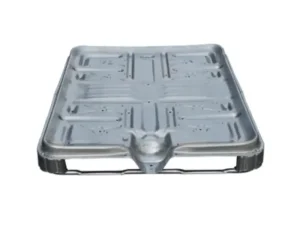
Reinforced Steel Plate, Aluminum or High-Impact PE Pallet
Untreated low-density softwood pallet
4-Way Forklift Entry · Immune to tropical moisture rot, wood borers, and splintering.
Tailored Deployment
High-Impact Application Scenarios Across Conakry Communes
Bridging industrial fluid dynamics with municipal consumer realities to empower commercial enterprises, residential developments, and agro-processing hubs.
Household Potable Water Distribution & Rain Harvesting
Kaloum, Matoto & Lambanyi Residential Blocks
Due to municipal supply intermittency, multi-tier residential compounds and commercial hotels deploy multi-unit IBC arrays as sanitary buffer cisterns. Equipped with food-grade sanitary top sealing lids and high-flow DN50 or DN80 discharge conduits, our units connect seamlessly with domestic booster pump networks while maintaining drinking water purity without plasticizer odor.
UV-resistant black or translucent white tanks inhibit microalgae growth
150mm & 225mm top inspection manholes simplify seasonal cleaning
Direct integration with residential downspout filtration modules
Domestic Chemical & Detergent Manufacturing
Kagbelen & Dubréka Industrial Districts
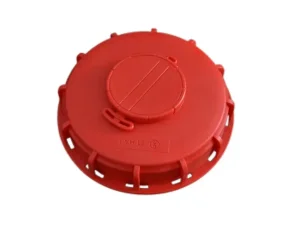
Local blending facilities processing domestic bleach, concentrated floor cleansers, multi-surface detergents, and liquid hand soaps demand containers capable of managing exothermic reactions and vapor emissions. Breathable red relief lids balance vapor buildup while preserving liquid containment during rigorous automated filling cycles.
Chemical-inert HDPE prevents stress cracking from surfactants and alkalis
High-flow DN80 guide pipes reduce batch decanting times by up to 45%
UN-specification certification for safe road transport across Guinea
Large-scale healthcare complexes, international embassies, and mining service headquarters operating staging hubs in Conakry utilize 1,000L composite totes for centralized chemical disinfection reservoirs, emergency wastewater containment, and diesel power-generation fuel buffers.
Heavy-duty airtight black sealing lids preserve active chlorine sanitizers
Anti-static grounding provisions available for volatile combustible liquids
Dynamic stack testing validated up to 2-high laden container weights
Forward-Looking Engineering
Technological Roadmap & Manufacturing Outlook
Continuous investment in polymer processing, automated quality verification, and smart logistic telemetry tailored for global and emerging markets.
Phase 01
Multi-Layer Co-Extrusion
Deploying 3-layer and 6-layer co-extrusion blow molding lines to integrate EVOH gas barrier layers. This prevents hydrocarbon permeation and delivers oxygen-impermeable packaging for volatile household chemical compounds.
Phase 02
Robotic CNC Weld Automation
Fully automated cage fabrication lines with multi-point resistance welding, ensuring uniform shear strength across all steel junctions. Prevents frame detachment under harsh Guinean gravel road transport vibrations.
Phase 03
IoT Telemetry & Level Monitoring
Incorporating wireless ultrasonic fluid-level sensors and GPS/GSM telemetry beacons into the IBC cap structure. Enables remote monitoring of community water reservoirs and chemical factory inventory in Conakry.
Phase 04
Circular Loop Reconditioning
Establishing localized modular washing, leak-testing, and rebottling partnerships in West Africa to allow multi-trip reuse of steel cages, reducing enterprise carbon footprints by up to 68% per container cycle.
Strategic Procurement Model
Macro Turnkey Packaging Solutions for West African Importers
Procuring industrial packaging across international borders requires a reliable manufacturing partner who understands ocean logistics, customs clearance dynamics, and the high cost of shipping empty space. For Guinean importers, packaging distributors, and industrial plants, our factory offers comprehensive procurement architecture designed to optimize freight expenditure.
Shipping assembled 1000L IBC containers overseas incurs significant sea-freight costs due to volumetric displacement. To resolve this challenge for our Conakry partners, we provide Semi-Knocked-Down (SKD) and Completely-Knocked-Down (CKD) logistics configurations. In an SKD shipment, inner HDPE bottles are nested or high-cube packed alongside pre-formed galvanized steel tubular cages and modular pallet bases. This methodology allows a standard 40-foot HQ shipping container to accommodate significantly more complete units compared to fully assembled units, cutting per-unit ocean freight costs substantially upon arrival at the Autonomous Port of Conakry.
Comprehensive Quality Assurance & Replacement Part Security
An IBC tote is only as reliable as its weakest component. In humid and dusty industrial environments, valves, gaskets, and lids inevitably experience operational wear or mechanical damage from rough forklift handling. As a primary manufacturer of mold tooling, precision injection-molded caps, and sonically welded butterfly valves, we supply comprehensive replacement component assortments—including replacement galvanized pipe segments, DN50/DN80 valves, sealing gaskets, and personalized stainless steel serial plates—ensuring continuous operation without having to scrap entire container units.
Technical Knowledge Base
Frequently Asked Questions: Sourcing IBCs for Conakry
Expert engineering insights regarding technical specifications, chemical resilience, shipping options, and local deployment in West Africa.
Why are composite IBC tanks preferred over traditional 200-liter blue drums in Conakry?
A single 1,000-liter composite IBC replaces five 200-liter steel or plastic drums while reducing warehouse storage footprint by roughly 35%. IBCs feature an integrated 4-way forklift pallet base, eliminating the need for manual rolling and substantially decreasing workplace injuries. For fluid handling, an IBC features a bottom DN50/DN80 discharge valve that allows complete decanting by gravity, whereas standard drums require top-mounted siphons that leave residual product waste. In Conakry’s high-throughput household chemical compounding and water distribution centers, IBCs drastically reduce turnaround times and packaging handling costs.
How do your IBC containers resist intense equatorial UV radiation in Guinea?
Our inner HDPE bottles are compounded using specialized virgin resin enriched with high-efficiency UV stabilizers (such as Tinuvin/Chimasorb UV8/UV12 masterbatches) at controlled weight ratios. This molecular stabilizer absorbs destructive ultraviolet photons, dissipating them harmlessly as low-grade heat and preventing polymer chain scission. This protection eliminates early embrittlement, stress cracking, and discoloration, ensuring structural performance even when stored in outdoor yards across Conakry, Coyah, or Kindia.
What is the difference between a red breathable lid and a black sealing cover?
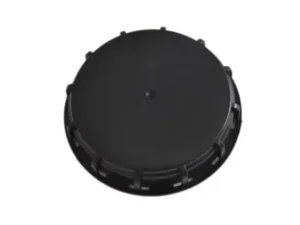
The black sealing lid provides an airtight, hermetic closure fitted with food-grade EPDM or Viton seals. It is designed for maximum leak prevention during transport, ocean shipping, and long-term storage of chemically stable liquids (such as potable water, edible palm oil, or neutral lubricants). Conversely, the red breathable lid incorporates an engineered micro-porous membrane or mechanical degassing valve that allows gas release without permitting liquid escape. This venting is essential for chemicals that off-gas under tropical heat—such as sodium hypochlorite (bleach), hydrogen peroxide formulations, and agrochemical emulsions—preventing bottle expansion or vacuum collapse during elevation shifts.
Can these 1000L IBC containers be safely used for residential drinking water in Conakry?
Yes, provided the inner container is specified as Food-Grade Virgin HDPE. Our standard food-grade IBC lines comply strictly with FDA 21 CFR 177.1520 regulations and EU 10/2011 food contact directives. They are free from heavy metals, plasticizers, and recycled municipal plastic scrap. Paired with non-toxic santoprene-sealed valves and food-grade top covers, they serve as hygienic, algae-resistant water storage cisterns for domestic compounds, commercial beverage processors, and healthcare institutions across Guinea.
How is freight optimized when shipping from your Chinese factory to the Port of Conakry (PAC)?
To combat elevated container shipping rates, we offer flexible dispatch configurations. In addition to standard fully assembled units (42 to 44 units per 40ft HQ container), we offer Semi-Knocked-Down (SKD) shipping formats. By nesting inner bottles and packing steel cages and modular pallets separately, we can increase container packing capacity, reducing per-unit ocean freight costs. Our factory shipping department handles complete maritime documentation including Bills of Lading, Certificate of Origin, and export customs paperwork to ensure smooth clearance at Conakry Port.
Which pallet base is most suitable for Conakry’s climate: Steel, Aluminum, or Plastic?
While wooden pallets are economical in dry climates, they degrade rapidly in Conakry due to heavy seasonal monsoon rainfall, high humidity, and termite infestation. For long-term durability, we recommend either Lightweight Aluminum Pallets or Composite Steel/Plastic Pallets. Aluminum bases provide exceptional corrosion resistance in coastal environments and withstand wet outdoor storage, while heavy-duty molded plastic bases deliver superior impact resistance against rough forklift operation on uneven factory floors.
Can customized serial numbers, company logos, and hazard warnings be engraved on the tanks?
Yes. We produce custom-engraved, corrosion-proof Stainless Steel IBC Identification Nameplates that mount directly to the front face of the galvanized tubular cage. We can engrave your company branding, asset tracking barcodes, serial numbering, batch codes, or specific chemical hazard instructions in French or English. This asset management feature is invaluable for commercial fleet operators and chemical distributors managing deposit-and-return container rotations across Guinea.
What is your production capacity and lead time for standard bulk container orders?
Operating across 3 dedicated production bases with over 300 experienced technical staff and advanced automated blow molding machinery, our manufacturing capacity exceeds 3,000 complete IBC units per month alongside tens of thousands of auxiliary valves, lids, and injection-molded parts. Standard stock items can be prepared for export container stuffing within 3 to 7 days, while custom-tailored branding, bespoke colors, or specialized valve material configurations follow a clear timeline confirmed prior to deposit.
Essential modular replacement parts, heavy-duty bases, corrosion-proof plates, and high-flow discharge fittings to maintain optimal fleet performance in Conakry.
Corrosion-Proof Base
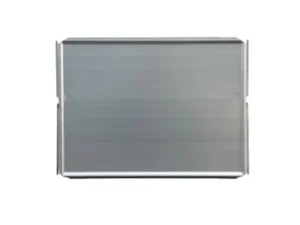
Rust-Proof Aluminum Pallet Base for Conakry Coastal Facilities
High-tensile aluminum alloy construction immune to wet floor deterioration, biological rot, and maritime air salinity. Reduces overall tote weight while supporting full multi-ton static stacking loads.
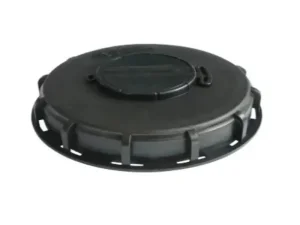
Airtight Heavy-Duty Top Sealing Cover for Volatile Chemicals
High-torque threaded PP construction with reinforced perimeter ribs. Engineered to withstand physical impacts, extreme temperature variations, and high internal vapor pressures during transport.
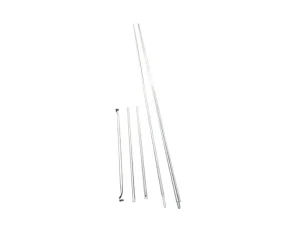
Galvanized Steel Pipe Replacement for Structural IBC Cage Repair
Pre-formed, heavy-gauge galvanized steel tubing specifically engineered for cage repair and fleet reconditioning. Restores full stacking rigidity to totes damaged during inland transport.
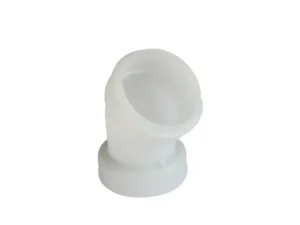
DN80 High-Flow Valve Guide Pipe for Rapid Viscous Fluid Drainage
Wide-bore 3-inch directional discharge guide pipe that fast-tracks fluid transfer for high-viscosity liquids, edible crude oils, and thick chemical slurries without splashing or turbulence.
Heavy-Duty Protection IBC Container Lid with Integrated Seal
Robust injection-molded secondary containment lid engineered to seal IBC top openings against debris, grit, and torrential monsoon downpours encountered across Guinea’s industrial yards.
Ready to Optimize Your Industrial & Domestic Packaging Supply in Conakry?
Partner with an authoritative primary manufacturer of 1000L composite IBC tanks, precision-engineered valves, high-durability lids, and replacement components. Enjoy full technical documentation, verified UN certificates, and factory-direct pricing for West African commercial operations.