
Featured Industrial Containment & Heavy-Duty Pallets
Engineered for high-load capacity, chemical resistance, and seamless integration with Automated Guided Vehicles (AGV) across Aichi Prefecture industrial zones.
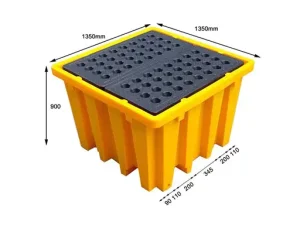
Nagoya Industrial Safety Spill Prevention Control HDPE 4-Drum Composite Pallet
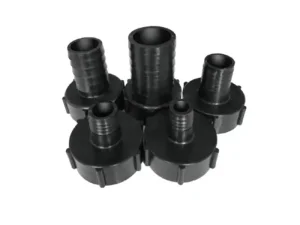
China IBC Quick Connector Camlock Type DN50 DN80 Stainless Steel Adapter for Nagoya Ports
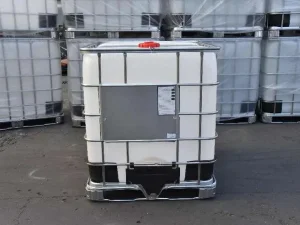
Nagoya Grade 1000 Liter Heavy Duty IBC Tank Container with Integrated Pallet
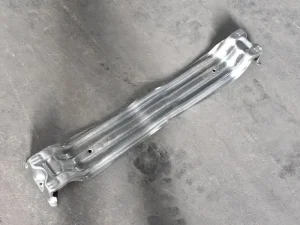
China Galvanized Steel Crossbeam Transom Support Bar for Heavy Duty Pallets
1. Nagoya’s Industrial Ecosystem & Micro-Logistics Demands
The Greater Nagoya Area, serving as the heartland of the Chukyo Industrial Zone in Aichi Prefecture, represents Japan’s premier manufacturing and logistics hub. As the nation's leader in industrial output value for over four decades, Nagoya’s economic momentum is anchored by automotive titans such as Toyota Motor Corporation, aerospace components assembly, precision machinery, advanced ceramics, and high-volume chemical processing plants.
In modern Automated Storage and Retrieval Systems (AS/RS) and automated manufacturing assembly lines across Nagoya, traditional wood pallets are increasingly treated as operational liabilities. Wood pallets exhibit dimensional instability due to humidity variance, shed micro-splinters that foul sensor arrays, and pose contamination risks in pristine cleanrooms and food-grade chemical plants. Consequently, the demand for high-density polyethylene (HDPE) and polypropylene (PP) plastic pallets engineered to rigid Japanese Industrial Standards (JIS Z 0602 and JIS Z 0606) has experienced exponential growth.
Nagoya’s micro-logistics ecosystem demands specific architectural profiles for plastic pallets:
- AS/RS & AGV Compatibility: Robotic forklift tines and automated conveyor belts require dimensional tolerances within ±1.5 mm. Deflection under full dynamic load must not exceed 1% of the span to prevent sensor faults.
- High Thermal Load Resilience: Operating environments range from cold-chain pharmaceutical storage at -30°C in Nagoya Port warehouses to high-temperature automotive stamping facilities operating at +60°C.
- Spill Containment Integrity: Chemical processing zones in Nearby Yokkaichi and Kinuura Port require spill pallets capable of catching aggressive solvents, oils, and toxic reagents without structural degradation.
2. Global Plastic Pallet & Industrial Packaging Landscape
The global material handling industry is undergoing a paradigm shift driven by Environmental, Social, and Governance (ESG) directives, strict sanitary regulations (such as FDA, EU 10/2011, and Japan’s Food Sanitation Act), and the imperative for automated efficiency.
Zero ISPM-15 Quarantine Overhead
Unlike wooden pallets requiring heat treatment (HT) or methyl bromide fumigation under ISPM-15 rules, plastic pallets pass instantly through Nagoya Customs and port inspections without quarantine delays or chemical contamination risks.
Closed-Loop Circularity
Modern industrial operations are shifting from single-use wooden pallets to heavy-duty, multi-trip plastic pooling systems. Premium virgin HDPE pallets withstand up to 50–100 trips, dramatically lowering the total cost per movement (CPM).
Hazardous Material Compliance
For chemical manufacturers exporting out of Nagoya Port, composite IBC totes and spill-containment plastic pallets certified to UN dangerous goods transport standard ensure zero leak risk during ocean cargo transit.
Information Gain Insight for Sourcing Directors:
When evaluating pallet lifespan, dynamic load capacity is heavily dependent on internal rib design and resin crystallization rates during high-pressure injection molding. China’s advanced injection facilities utilize Finite Element Analysis (FEA) to place structural ribs at high-stress vectors, optimizing loading efficiency while reducing tare weight.
3. China Manufacturing Efficiency & Supply Chain Synergies
As a dominant global plastic manufacturing powerhouse, Chinese suppliers provide Nagoya enterprises with an unmatched combination of extreme cost optimization, massive injection molding scale, and hyper-agile custom tooling capabilities.
| Evaluation Parameter | Domestic Japanese Suppliers | China Direct OEM Supply (Dasheng Synergy) | Industrial Impact for Nagoya Procurement |
|---|---|---|---|
| Custom Tooling Lead Time | 12–16 Weeks | 3–5 Weeks | Rapid implementation of custom pallet dimensions for proprietary assembly lines. |
| Molding Equipment Scale | Standard 800T – 2000T Presses | Ultra-Heavy 2500T – 4000T Injection Presses | Ability to mold massive 1400x1200mm single-shot heavy-duty pallets with zero weld lines. |
| Raw Material Sourcing | Regional Polymer Markets | Direct Petrochemical Resin Contracts (ExxonMobil, Sabic) | Guaranteed virgin HDPE consistency with high Melt Flow Index (MFI) control. |
| Ocean Freight Lead Time | Immediate Local Stock (High Unit Price) | 3 to 5 Days Direct Freight (Qingdao/Lianyungang to Nagoya Port) | Near-domestic delivery agility at direct factory-gate pricing tiers. |
By leveraging direct maritime routes from Shandong ports straight into Nagoya Port (Nagoya-ko), procurement managers eliminate intermediary markups while retaining full control over custom design specifications, color coding, and embedded RFID/barcode serialization.
4. Technical Deep Dive: Polymer Science & Structural Engineering
To ensure optimal performance across Nagoya’s diverse operational conditions, understanding polymer mechanics and structural rib engineering is critical for procurement engineers.
A. Resin Formulations: Virgin HDPE vs. Co-Polymer PP
Selecting the appropriate thermoplastic resin impacts impact resistance, flexural modulus, and thermal stability:
- High-Density Polyethylene (HDPE): Excellent low-temperature impact strength down to -40°C. Highly resistant to chemical reagents, acids, and alkalis. Ideal for food processing, cold-chain operations, and outdoor logistics docks at Nagoya Port.
- Polypropylene Co-Polymer (PP): Superior flexural rigidity and higher tensile strength at room temperature. Prevents deck sagging under heavy static loads in rack storage systems. Recommended for closed-loop automated warehouses in internal plant environments.
B. Internal Steel Tube Reinforcement Mechanics
For heavy racking environments (edge-racking loads up to 1,500 kg), internal structural steel tubes are co-molded or inserted into engineered channels within the deck and runners. This hybrid steel-plastic structure minimizes creep deformation (time-dependent strain under continuous stress) and ensures zero deflection inside high-density drive-in pallet racks.
Deck & Runner Configurations
3-Runners (Bottom Skeleton): Optimized for automatic conveyers, pallet jacks, and 4-way forklift entry.
Cross-Perimeter (Picture Frame): Distributes extreme stack weights evenly across lower layers during multi-tier bulk storage.
Full Perimeter (9-Legs Block): Superior nestability for space-saving return logistics when empty.
Anti-Slip Technology Integration
High-friction Thermoplastic Elastomer (TPE) grommets are ultrasonic welded onto top deck surface zones and fork entry pockets. This engineered grip prevents rubberized container slip during rapid AGV acceleration and cornering inside Nagoya smart factories.
5. Localized Application Scenarios in Aichi / Nagoya Sector
Scenario A: Automotive Component Supply Chains
Location Focus: Toyota City, Kariya, Anjo, & Komaki
In high-velocity Kanban supply loops, plastic pallets carry heavy engine blocks, transmission housings, and stamped metal components. Standardized 1100x1100mm and 1200x1000mm reinforced plastic pallets resist oil contamination, eliminate wood debris on robotic assembly lines, and integrate seamlessly with robotic arm pick-and-place stations.
Scenario B: Chemical & Petrochemical Logistics
Location Focus: Yokkaichi & Nagoya Port Chemical Terminals
Exporting dangerous liquid reagents demands zero-fail secondary containment. 4-Drum HDPE spill prevention pallets featuring internal sumps up to 220 liters catch accidental drips. Paired with UN-certified 1000L composite IBC totes, chemical manufacturers secure regulatory peace-of-mind during transpacific export shipping.
Scenario C: Food & Pharmaceutical Cold Chain
Location Focus: Ichinomiya, Kasugai, & Nagoya Warehouse Zones
Hygienic smooth-deck plastic pallets feature zero open cavities, preventing bacteria accumulation and permitting easy high-pressure hot water washdown. Ideal for seafood imports, frozen poultry processing, and pharmaceutical cleanroom logistics requiring strict HACCP compliance.
6. Global Procurement & Quality Evaluation Framework
Procuring plastic pallets and industrial packaging containers from China for Nagoya operations requires strict technical vetting. The following matrix outlines recommended testing protocols prior to batch sign-off:
| Test Category | Test Standard (ISO / JIS) | Target Benchmark Value | Operational Significance for Nagoya Logistics |
|---|---|---|---|
| Static Load Test | ISO 8611-1 / JIS Z 0602 | 4,000 kg – 6,000 kg (24 Hours) | Ensures bottom pallet integrity under 4-tier warehouse stacking. |
| Dynamic Load Test | ISO 8611-1 / JIS Z 0602 | 1,000 kg – 1,500 kg | Guarantees safety during transport via forklift and AGV acceleration. |
| Racking Deflection Test | ISO 8611-1 (Edge Racking) | Deflection < 0.5% at 1,200 kg load | Prevents high-bay rack collapse in automated storage systems. |
| Diagonal Drop Test | JIS Z 0606 Corner Drop | Zero cracking from 1.0 m height | Validates resilience against accidental operator forklift impact. |
| Melt Flow Index (MFI) | ASTM D1238 / ISO 1133 | 4.0 to 8.0 g/10 min (Virgin HDPE) | Confirms optimal molecular weight distribution and stress resistance. |
7. Future Industry Trends: Smart Pallets, ESG, & Circularity
The material handling domain in Nagoya is undergoing rapid technological convergence:
A. IoT & RFID Smart Serialization
Embedding Ultra-High Frequency (UHF) RFID chips and Bluetooth Low Energy (BLE) beacons directly into the internal ribs of plastic pallets during the molding process enables real-time asset tracking. Nagoya logistics managers achieve 100% visibility over pallet fleet location, temperature histories, and dwell times across global supply routes.
B. Carbon Footprint Accounting & PCR Resins
With corporate carbon neutrality mandates expanding across Japan, plastic pallets containing audited Post-Consumer Recycled (PCR) resin blends offer up to 40% reduction in Scope 3 embodied carbon while maintaining 90%+ of virgin mechanical performance through proprietary nanostructured polymer additives.
Comprehensive Packaging & Component Fleet
Explore our complete ecosystem of IBC totes, replacement frames, high-seal valves, covers, and heavy-duty plastic packaging manufactured for global export.
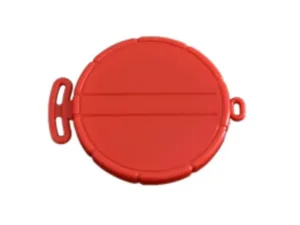
China Stainless Steel Brushed Finish IBC Cover Lid Cap 150mm 225mm for Food-Grade Safety
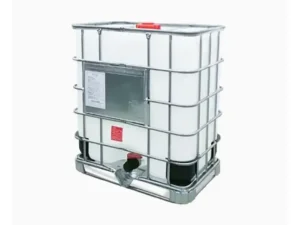
Wholesale 500L Vertical IBC Storage Tank Solution for Space-Constrained Facilities
China 500L Vertical HDPE Liquid Storage IBC Container for Chemical Plants
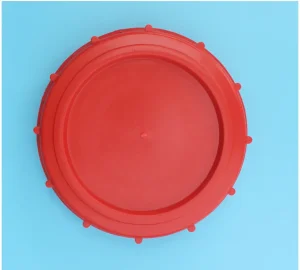
China Heavy Duty 50L Plastic Drum Cap & IBC Tank Storage Barrel Sealing Lid
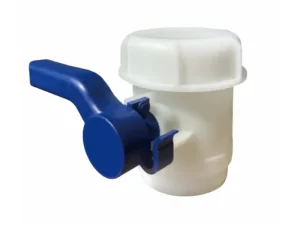
China High Precision DN80 Welded Butterfly Valve for Industrial Outlet Containment
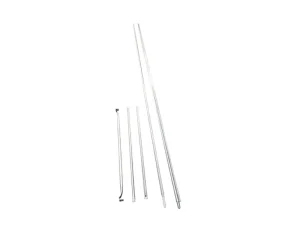
Galvanized Steel Pipe Frame Structure Replacement for Heavy-Duty Pallet Containers
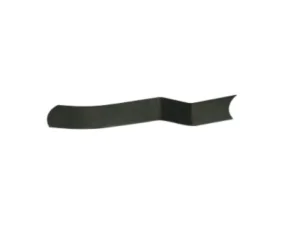
Stainless Steel Spring Insert Components for High-Cycle Valve Outlet Assemblies
Corrosion-Resistant Stackable Galvanized Steel Pipe Outer Frame Structure
Frequently Asked Questions for Nagoya Procurement
What is the typical shipping lead time from China to Nagoya Port?
Do plastic pallets imported from China require ISPM-15 heat treatment or fumigation?
Can you engineer custom plastic pallet sizes to fit JIS (Japanese Industrial Standards)?
How do China-manufactured plastic pallets perform in automated AS/RS systems?
What material is recommended for cold storage logistics in Aichi Prefecture?
Are spill containment pallets suitable for hazardous chemicals in Yokkaichi and Nagoya ports?
What is the operational lifespan of a heavy-duty plastic pallet versus a wooden pallet?
How can Nagoya companies initiate a factory audit or sample evaluation?
Optimize Your Nagoya Supply Chain Logistics Today
Consult with our senior technical engineering team for factory-direct quotes, FEA load calculations, and custom tooling solutions tailored for your facility.
Send Inquiry Now