
1. Metro Manila Logistics Architecture & Macro Economic Context
Analyzing the structural demand for heavy-duty, hygienic, and climate-resilient material handling infrastructure across Luzon’s key industrial corridors.
Metro Manila stands as the primary economic engine of the Philippines, driving over 32% of the national Gross Domestic Product (GDP). The rapid expansion of international container shipping throughput via the Manila International Container Terminal (MICT) and Manila South Harbor has created unprecedented pressure on domestic supply chains. Modern industrial logistics parks across Pasig, Caloocan, Valenzuela, and extending south into the Cavite-Laguna-Batangas-Rizal-Quezon (CALABARZON) industrial corridor, require standardized, durable, and rot-proof material handling platforms to handle high-frequency intra-logistics operations.
For decades, conventional timber pallets dominated local warehousing. However, Manila's harsh tropical climate—characterized by relative humidity levels consistently exceeding 80% during the monsoon season, severe rainfall, and intense ambient heat—accelerates wooden pallet degradation. Timber pallets absorb moisture, encouraging black mold growth, splintering under heavy dynamic loads, and harboring pest infestations. Under the stringent regulations enforced by the Bureau of Customs (BOC) Philippines and international sanitary mandates, wood packaging must undergo expensive, chemical-heavy ISPM-15 heat treatments, creating ongoing operational overhead and compliance bottlenecks for Philippine importers and exporters.
Direct sourcing from specialized China plastic pallet manufacturers and factories presents a high-gain strategic shift for Manila-based procurement executives. Engineered from high-density polyethylene (HDPE) and polypropylene (PP) via high-tonnage injection molding, heavy-duty plastic pallets offer immunity to moisture absorption, zero risk of ISPM-15 quarantine delays, structural integrity up to 6,000 kg static loads, and seamless integration with modern automated rack systems.
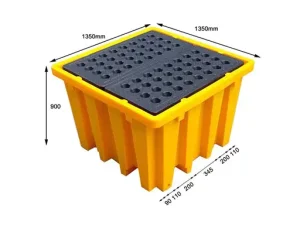
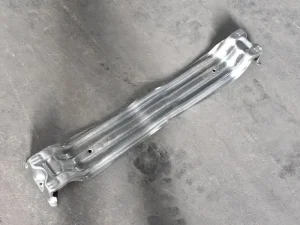
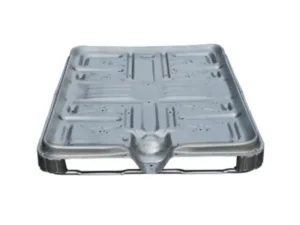
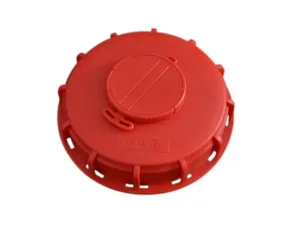
2. Featured Heavy-Duty Pallets & Chemical Containment Systems for Manila Warehouses
Immediate factory-direct availability for industrial chemical containment, IBC container handling, and primary material logistics serving the Port of Manila.
3. Global Purchasing Drivers & Philippine User Intent Analysis
Understanding the Total Cost of Ownership (TCO) matrix and regulatory frameworks dictating industrial container sourcing decisions.
Total Cost of Ownership (TCO) Transition
While initial acquisition cost of a plastic pallet is approximately 2.5x to 3x higher than a basic timber pallet in the Philippines, the operational lifecycle completely reverses the ROI curve. Timber pallets in Manila last an average of 8 to 15 trips before suffering structural failure or mold contamination. High-Density Polyethylene pallets manufactured under precise heat molding perform reliably across 100+ trip cycles, reducing per-trip asset costs by up to 68% over a 3-year operating horizon.
Strict FDA & Hygiene Compliance
The Philippines Food and Drug Administration (FDA) and the National Meat Inspection Service (NMIS) have tightened hygiene standards for food processing centers in Metro Manila and Central Luzon. Plastic pallets feature non-porous, smooth surfaces that prohibit bacterial absorption, withstand high-pressure hot-water washdowns, and resist aggressive industrial cleaning chemicals without chemical leaching.
Material Comparison Matrix: Manila Warehousing Environments
| Evaluation Parameter | Virgin HDPE Plastic Pallets | Recycled PP Plastic Pallets | Traditional Timber Pallets |
|---|---|---|---|
| Tropical Moisture Resistance | 100% Waterproof / Zero Swelling | 100% Waterproof / Zero Swelling | High Absorption / Mold Growth Risk |
| Average Lifecycle (Trips) | 100 to 150+ Trips | 50 to 80 Trips | 8 to 15 Trips |
| ISPM-15 Customs Exemption | Exempt (Fast-Tracked Clearance) | Exempt (Fast-Tracked Clearance) | Requires Heat Treatment & Certification |
| Rack Dynamic Load Capacity | Up to 1,500 kg (Steel Reinforced) | Up to 1,000 kg | Variable / Unpredictable Failure Points |
| Cold Storage Performance (-30°C) | Excellent (Impact Modifiers Added) | Becomes Brittle / Risk of Cracking | Moderate / Absorbs Ice & Increases Weight |
4. Technical Manufacturing Roadmap & Polymer Engineering
Inside the advanced injection molding techniques and structural reinforcement technologies that guarantee longevity in tropical environments.
Internal Steel Reinforcement
For high-bay automated pallet racking in Manila distribution centers, steel-reinforced plastic pallets integrate embedded galvanized steel tubes within the upper deck and runners. This prevents deflection (sagging) under constant loads exceeding 1,200 kg in ambient temperatures of 35°C.
UV-8 Polymer Stabilization
Philippine sunshine contains high levels of UV radiation. Factory formulations incorporate Hindered Amine Light Stabilizers (HALS) and Carbon Black additives, protecting the polymer matrix against photo-oxidation, discoloration, and polymer embrittlement when stored outdoors at port yards.
Anti-Slip Rubber Co-Molding
Safety during forklift transport across wet warehouse floors in Manila is paramount. Specialized rubber grommets are integrated directly into the upper deck and bottom runners, creating high friction between the pallet deck and cardboard cartons or plastic crates.
5. Industry-Specific Solutions Matrix for Philippine Enterprise Operations
Tailored structural designs engineered for Metro Manila’s distinct manufacturing, chemical, and cold-chain hubs.
Fast-Moving Consumer Goods (FMCG) Logistics
Designed for multi-tier distribution networks throughout Greater Manila. Standardized 1200x1000mm 3-runner nestable and perimeter-base plastic pallets optimize truck loading for regional supply routes along the North Luzon Expressway (NLEX) and South Luzon Expressway (SLEX).
Chemical & Petrochemical Spill Containment
Industrial chemical plants operating in Batangas and Manila manufacturing zones utilize heavy-duty HDPE spill pallets equipped with high-capacity sumps. These systems catch accidental leaks of oils, solvents, and corrosive chemicals, complying with DENR-EMB Philippine environmental standards.
Cold Chain Storage & Agriculture
Manila’s cold storage facilities require materials that resist cracking at -25°C. Specially formulated virgin HDPE pallets maintain structural ductility under sub-zero conditions, preventing damage during high-density stacking of frozen seafood, meat, and processed foods.
Electronics & Semiconductor Assembly Export
High-tech manufacturing plants in Laguna Technopark require anti-static (ESD) conductive plastic pallets. These engineered units dissipate electrostatic charges during handling, safeguarding sensitive microchip shipments routed to Manila International Airport (NAIA).
6. China-to-Manila Shipping, Customs & Regional Compliance
Seamless import mechanics, container load optimization, and customs clearing protocols for procurement officers.
Direct bulk procurement from Chinese factories requires clear logistics execution to avoid demurrages at the Port of Manila. Standard shipping routes originate from major Chinese ports—including Qingdao, Ningbo, and Shenzhen—offering direct sea transit times of 5 to 8 days to Manila South Harbor or MICP.
Under the China-ASEAN Free Trade Area (CAFTA) agreement, importers in the Philippines can leverage Form E Certificates of Origin to secure preferential import tariff rates (often reduced to 0% duty on targeted plastic pallet tariff lines under HS Code 3923.90). This duty elimination directly enhances gross profit margins for Philippine distributors and lowers operational capital expenditure for end-users.
40HQ Container Load Optimization
Standard 1200x1000mm nestable plastic pallets stack efficiently, allowing up to 1,000 units in a single 40ft High Cube container. Steel-reinforced grid pallets stack up to 380-450 units per container depending on runner geometry.
Form E Duty Exemption
Every direct shipment is accompanied by authenticated Form E documentation issued by Chinese customs authorities, ensuring seamless clearance at Bureau of Customs (BOC) checkpoints across Philippine entry ports.
Custom Color & Brand Stamping
Factories provide screen-printing or heat-embossing of company logos along with custom polymer color coding (Blue, Red, Green, Yellow) to facilitate asset tracking and prevent pallet loss in shared logistics networks.
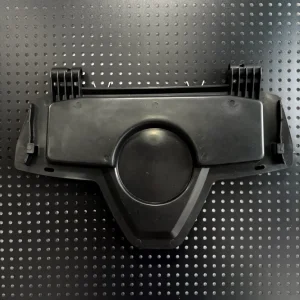
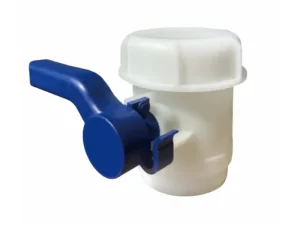
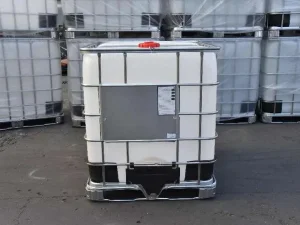
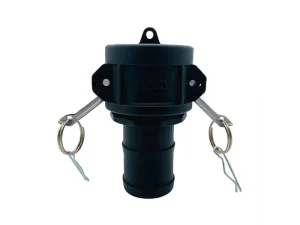
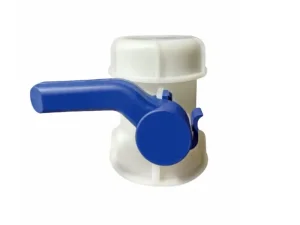
7. Full Range Industrial Components, IBC Valves & Pallet Configurations
Comprehensive wholesale catalog tailored for Manila chemical reconditioners, tote assemblers, and manufacturing plants.
8. Frequently Asked Questions (FAQ) for Manila Procurement Teams
Addressing primary engineering, customs, and operational queries from Philippine industrial buyers.
Why should Manila manufacturers source plastic pallets directly from Chinese factories?
What is the typical ocean freight transit time from China to the Port of Manila?
Are plastic pallets exempt from ISPM-15 quarantine regulations in the Philippines?
How do high humidity and tropical heat affect HDPE plastic pallets in Metro Manila?
What load capacity parameters should be specified for rack-mounted warehouse storage?
Can we claim zero-tariff customs entry under the China-ASEAN Free Trade Agreement (CAFTA)?
Partner with China’s Leading Plastic Pallet Manufacturer
Optimize your Metro Manila supply chain with factory-direct pricing, certified ISO quality control, customized polymer formulations, and fast sea freight dispatch.