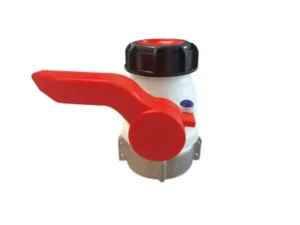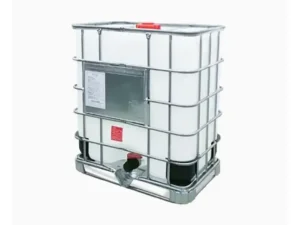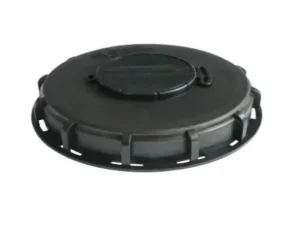
Featured IBC Tanks, Fittings & Identification Assemblies
Explore our premium factory-direct Intermediate Bulk Container packaging components, precision-engineered nameplates, and liquid handling valves engineered for maximum lifespan and rigorous international compliance.
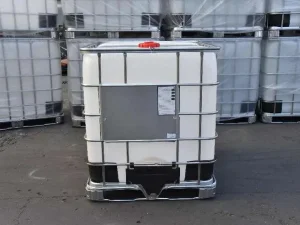
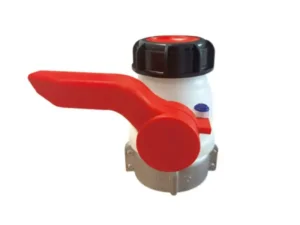
Global Sourcing & Procurement Framework for IBC Identification Systems
Understanding why leading multi-national chemical conglomerates, reconditioning plants, and tote original equipment manufacturers (OEMs) prioritize industrial-grade nameplates and safety labeling.
In the complex web of modern global supply chain logistics, Intermediate Bulk Containers (IBCs—commonly referred to as totes or tank containers) are the workhorses for transporting bulk liquid chemicals, petrochemicals, pharmaceuticals, food syrups, and hazardous materials. While the structural integrity of the high-density polyethylene (HDPE) bottle and galvanized steel tubular cage is paramount, the IBC nameplate and identification label assembly serves as the central brain of asset traceability, safety compliance, and regulatory accountability.
Procurement directors and packaging engineers face demanding operational challenges. An illegible, corroded, or detached IBC nameplate can result in severe consequences: customs impoundment, regulatory fines from international maritime authorities, hazardous chemical misidentification, and the costly loss of reusable asset tracking. Consequently, global enterprise buyers are shifting away from cheap standard adhesive stickers toward precision-engineered, laser-engraved 304/316L stainless steel nameplates and heavy-duty UV/chemical-resistant poly-composite decals.
Metallurgy & Substrate Selection: SS304 vs. SS316L vs. Polycarbonate
Selecting the optimal chemical composition and manufacturing method to withstand extreme environments, acidic immersion, UV degradation, and caustic washdowns.
AISI 304 / 316L Stainless Steel
The gold standard for industrial IBC nameplates. Grade 316L stainless steel contains molybdenum, delivering exceptional resistance to chloride pitting, corrosive solvent spills, and high-pressure steam cleaning in chemical processing facilities.
Fiber Laser vs. Chemical Etching
Deep fiber laser engraving guarantees permanent high-contrast alphanumeric text, matrix barcodes, and corporate branding. Laser engraving maintains total legibility even after decades of outdoor sunlight exposure and abrasion.
Multi-Layer Laminated Vinyl & Decals
Engineered for cost-effective secondary marking, GHS diamond warnings, and dynamic payload identification. Manufactured with high-tack acrylic adhesives capable of bonding securely to low-surface-energy (LSE) HDPE plastic bottles.
| Material / Specification | Primary Industrial Application | Chemical Resistance | Temperature Limits | Typical Lifespan |
|---|---|---|---|---|
| AISI 316L Stainless Steel Plate | Offshore Oil & Gas, Hazardous Solvents, Acidic Liquids | Exceptional (Acids, Chlorides, Steam) | -50°C to +500°C | 20+ Years (Lifetime) |
| AISI 304 Stainless Steel Plate | Standard Chemical IBCs, Food & Beverage, Reusables | High (General Industrial Solvents) | -40°C to +300°C | 15+ Years |
| Anodized Aluminum Stamped Plate | Lightweight Dry Bulk, Agricultural Totes | Moderate (Solvent Resistant, avoid strong bases) | -40°C to +180°C | 7 - 10 Years |
| Polycarbonate Heavy-Duty Decal | Outer Bottle Warnings, GHS Hazard Labels | High (Oil, Fuel, Mild Acid Splashes) | -30°C to +110°C | 3 - 5 Years |
Technical Roadmap: Smart Metal Nameplates & IoT RFID Integration
The convergence of physical metal stamping with digital asset management—transforming static nameplates into dynamic, ATEX-certified intelligence nodes.
The modern bulk packaging industry is experiencing a paradigm shift driven by Industry 4.0 digitisation. Traditional static nameplates—while crucial for regulatory visual checks—are being upgraded with integrated digital identification technologies. Leading wholesale IBC nameplate factories are pioneering the integration of UHF RFID tags, NFC transponders, and 2D DataMatrix codes directly embedded into or mounted alongside stainless steel nameplate assemblies.
ATEX-Certified On-Metal RFID Tags
Mounting RFID tags directly on metal surface cages creates radio frequency reflection issues. Our advanced smart nameplates incorporate specialized ferrite shielding isolators, allowing long-range UHF scanning (up to 8 meters) in explosive ATEX chemical zones.
Laser 2D DataMatrix & QR Serialization
High-speed automated scanning lines require high-contrast data codes. Our precision laser annealing process creates deep black oxide markings on stainless steel without cutting into the protective chromium oxide layer, preventing rust formation.
Automated Fleet Track-and-Trace
Seamlessly interface with enterprise ERPs (SAP, Oracle, Microsoft Dynamics) to monitor tote location, maintenance history, periodic pressure test intervals, previous payload logs, and reconditioning cycle counts automatically.
Engineering Insight: Anti-Vibration Mounting Mechanisms
During intermodal transportation by ocean vessel or rail freight, IBC totes experience intense harmonic vibration and mechanical shock. Our wholesale stainless steel nameplates feature reinforced mounting slots, radiused corner bevels, and custom wire-cage clamp clips to eliminate metal fatigue and prevent plate detachment under 5G acceleration loads.
Global Regulatory Standards & UN Hazardous Packaging Compliance
Ensuring every manufactured nameplate complies strictly with UN 31A/Y regulations, US DOT 49 CFR, ADR/RID European transport laws, and OSHA GHS hazard communication mandates.
The international transport of dangerous goods in intermediate bulk containers is strictly regulated by United Nations recommendations. The nameplate on an IBC container is not merely decorative—it is a legally binding compliance document. Failure to display mandatory data elements accurately can lead to immediate container grounding at ports worldwide.
Mandatory UN Marking Elements
Custom stamped fields include: UN Packaging Symbol, Container Type Code (e.g., 31HA1 for composite liquids), Packing Group (Y or Z), Month & Year of Manufacture, State Authorizing Mark, Manufacturer Registration, Stacking Test Load (kg), and Maximum Allowable Gross Mass.
Periodic Inspection & Maintenance Log
UN regulations stipulate that composite metal/plastic IBCs undergo leakproofness testing every 2.5 years and structural inspection every 5 years. Our plates include dedicated, laser-etched matrix grids for inspectors to stamp test dates permanently.
GHS & Chemical Resistant Decal Specifications
For chemical hazard warnings (corrosive, flammable, toxic), our accompanying poly decals utilize UV-cured screen printing links tested under BS 5609 (British Standard for Marine Immersion), ensuring 3 months of continuous sea water immersion without legend detachment.
Wholesale Factory Customization & Manufacturing Capabilities
From custom metal stamping tooling to high-volume laser production lines, explore our end-to-end OEM/ODM manufacturing process.
Precision Stamping & Tooling
Equipped with high-tonnage CNC hydraulic presses, our factory produces metal nameplates with burr-free edges, precise corner radii, customized mounting holes, and optional embossed border ribs for increased structural rigidity.
Rigorous Quality Control Testing
Every wholesale batch undergoes stringent quality validation: ASTM B117 salt spray testing, cross-hatch tape adhesion testing on printed labels, taber abrasion resistance, thermal cycle shock tests (-40°C to 120°C), and dimensional tolerance audits.
Global Logistics & Bulk Packaging
We supply international container buyers with optimized, corrosion-proof packaging. Nameplates are protective-film coated, vacuum sealed with desiccant packs, and stacked in reinforced export cartons on ISPM-15 compliant pallets.
Frequently Asked Questions: Wholesale IBC Nameplates & Labels
Get authoritative answers from our lead metallurgical engineers and regulatory compliance specialists regarding IBC identification systems.
What are the primary differences between 304 and 316L stainless steel IBC nameplates?
How are stainless steel nameplates securely mounted onto IBC tubular cages?
What information must legally be included on a UN-certified IBC tank nameplate?
Can your factory engrave customized variable data (serial numbers, QR codes) during wholesale production?
How do your adhesive IBC labels stick to HDPE bottles without peeling off?
What is the typical lead time and Minimum Order Quantity (MOQ) for custom wholesale orders?
High-Performance IBC Valves, Lids & Replacement Components
Pair your custom nameplates with our world-class industrial IBC valves, breathable sealing lids, and heavy-duty flow control accessories manufactured under ISO 9001 quality systems.