
Featured Industrial Containment & Lid Solutions
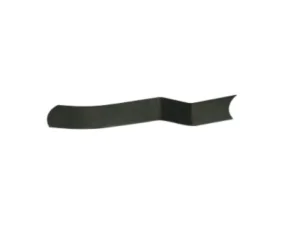
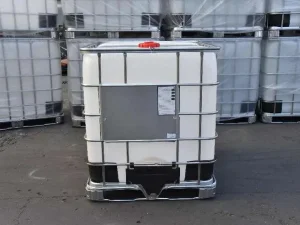
1. Executive Whitepaper: Global Industrial Plastic Closure Landscape
In the rapidly evolving global packaging sector, plastic bucket lids and container closures represent the critical interface between product integrity and supply chain safety. As industrial chemical, food processing, architectural coatings, and petrochemical sectors expand globally, the demand for high-precision injection molded plastic bucket lids has shifted from simple dust covers to engineered containment systems.
Modern rigid packaging requires lids capable of withstanding extreme hydrostatic pressures, thermal fluctuations, dynamic transport vibrations, and harsh chemical exposure. Sourcing managers navigating international supply chains must look beyond superficial unit pricing. The overall Total Cost of Ownership (TCO) hinges on zero-defect seal reliability, tamper-evident mechanisms, stacking structural integrity, and compliance with global regulatory standards such as UN Packaging Certification, FDA food-grade specifications, and REACH environmental requirements.
Engineered injection-molded bucket lids reduce catastrophic seal failure risks by up to 99.4% compared to generic compression closures when exposed to vertical drop tests and top-load stress stacks exceeding 1,200 kg.
2. Advanced Material Science & Injection Molding Precision
The manufacturing of industrial-grade plastic bucket lids requires deep expertise in polymer rheology, hot-runner mold architecture, and automated injection processing. As a leading manufacturer based in China, our facilities leverage state-of-the-art servo-electric injection molding machinery ranging from 450-ton to 1,200-ton clamping force, specifically optimized for high-density polymers.
HDPE (High-Density Polyethylene)
Utilized primarily for heavy-duty chemical pails and industrial totes. Provides exceptional Environmental Stress Crack Resistance (ESCR), tensile strength, and impact resistance at sub-zero temperatures (down to -40°C).
PP (Polypropylene & Co-Polymers)
Selected for high-clarity consumer buckets, hot-fill applications (up to 95°C), and food-grade packaging. Impact Modifier Co-Polymers (IM-PP) prevent brittleness during high-velocity dropping scenarios.
TPE / Gasket Co-Injection
Integrated Thermoplastic Elastomer (TPE) or poured PUR liquid gaskets engineered directly into the lid rim channel. Ensures a hermetic seal against volatile chemical gases and liquid egress.
Engineered Polymer & Manufacturing Parameters
| Property / Parameter | HDPE High-ESCR Grade | PP Impact Co-Polymer | Test Standard / Method |
|---|---|---|---|
| Melt Flow Index (MFI) | 4.0 to 7.0 g/10 min | 8.0 to 12.0 g/10 min | ASTM D1238 / ISO 1133 |
| Density | 0.952 - 0.960 g/cm³ | 0.900 - 0.910 g/cm³ | ISO 1183 |
| Tensile Strength at Yield | ≥ 26 MPa | ≥ 28 MPa | ISO 527-2 |
| Flexural Modulus | 1,150 MPa | 1,300 MPa | ISO 178 |
| Mold Tooling Tolerance | ±0.005 mm | ±0.005 mm | In-house CMM Inspection |
| Typical Cycle Time | 14 - 18 seconds | 12 - 16 seconds | Automated High-Speed Line |
3. Structural Mechanical Engineering & Sealing Integrity
The performance of an industrial bucket lid depends entirely on its mechanical geometry. A bucket during transit undergoes dynamic sloshing, internal pressure build-up due to off-gassing, and intense vertical top-load pressure during warehouse stacking.
Tamper-Evident Tear Strips
Integrated tear-tab systems provide immediate visual evidence of opening. Engineered fracture points ensure easy removal by end-users while preventing accidental shearing during automated sorting and palette wrapping.
Reinforced Radial Rib Architecture
Using Finite Element Analysis (FEA), the top face of the lid features radial and concentric structural ribs. This maximizes stack loading capacity without adding excessive weight, optimizing material utilization.
Micro-Venting Membrane Options
For chemical products prone to outgassing (e.g., hydrogen peroxide, organic fertilizers), breathable ePTFE membranes are molded into the lid core to equalize pressure while preventing liquid leaks.
4. Why Source from China: Industrial Hub Efficiency & Supply Chain Mastery
China remains the global powerhouse for plastic injection molding and packaging supply chains. Specifically, industrial manufacturing clusters in Shandong (such as Linyi) and Zhejiang provide unmatched operational advantages that benefit international enterprise buyers:
- End-to-End Vertical Integration: From steel mold tooling design, CNC precision machining, raw resin compounding, to high-speed injection molding and assembly, every phase occurs within a condensed geographic radius.
- Unrivaled Tooling Turnaround: Custom OEM/ODM mold design cycles that take 8–12 weeks in Western regions are executed in China within 15–25 days, incorporating rigorous Mold Flow Analysis (MFA).
- Scalable Production Throughput: Multi-cavity hot-runner molds (up to 16-cavity lid tooling) allow factories to produce hundreds of thousands of uniform lids daily, guaranteeing lead times even during global demand spikes.
- Cost-to-Quality Optimization: Lower overhead costs combined with ISO-certified Quality Management Systems (QMS) deliver factory-direct pricing with zero compromises on international quality benchmarks.
5. Sector-Specific Application Scenarios & Tailored Configurations
Different industries impose radically different stresses on bucket closures. Understanding these specialized requirements ensures accurate product selection:
Architectural Paints & Coatings
Requires airtight seals to prevent skinning of water-based latex paints. Lids feature double-lip gaskets and flex-spout pour fittings for clean dispensing.
Industrial Lubricants & Greases
Demands heavy oil-resistant NBR/EPDM gaskets, high structural rigidity for 20L/5-gallon pails, and secure stackability up to 6-high warehouse pallets.
Food Processing & Ingredients
Requires 100% virgin US FDA & EU 10/2011 compliant polypropylene resin, produced in cleanroom conditions with zero heavy metal pigments.
6. Future Trends: Industry 4.0, PCR Integration, and Lightweighting
The rigid plastic packaging industry is undergoing a major transformation driven by sustainability regulations and smart manufacturing:
Post-Consumer Recycled (PCR) Resins
Leading Chinese manufacturers now offer co-injection molded bucket lids utilizing up to 50% PCR HDPE in core structural layers while maintaining virgin material contact zones to meet corporate circular economy mandates.
Precision Lightweighting (Weight Reduction)
Through advanced mold design and wall-thickness optimization, modern lid designs achieve a 10%–15% plastic reduction while maintaining equivalent load strength, directly cutting ocean freight emissions and material expenditure.
Automated AI Vision Quality Inspection
High-speed optical camera systems inspect 100% of manufactured lids on the line for flash, short shots, gasket misalignment, and dimensional variance, eliminating human error in bulk shipments.
7. Global B2B Procurement Strategy & Quality Audit Checklist
When selecting a long-term OEM/ODM injection molding partner in China for bucket lids and IBC components, global procurement teams should evaluate suppliers against this technical audit protocol:
| Audit Dimension | Evaluation Criteria | Critical Verification Standard |
|---|---|---|
| Raw Material Traceability | Batch-level resin certification | MFI & Density Certs for every raw polymer lot |
| Tooling Design Capability | In-house CNC, EDM & CMM equipment | Mold flow simulation reports prior to steel cutting |
| Sealing Reliability Test | Hydrostatic & Vacuum decay testing | Zero leak at 30 kPa internal pressure for 10 min |
| Drop Test Performance | Cold-conditioned vertical impact drop | 1.8-meter drop test filled with liquid at -18°C |
| Compliance Documentation | International standard validation | FDA 21 CFR, UN 3H1/Y, REACH, RoHS Compliance |
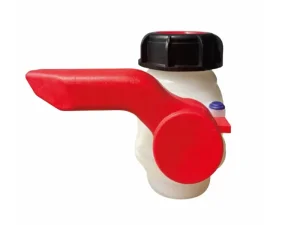
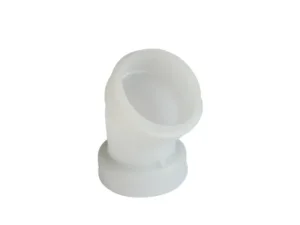
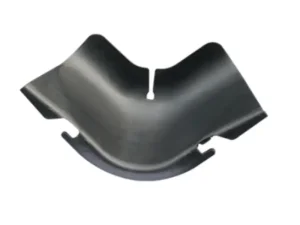
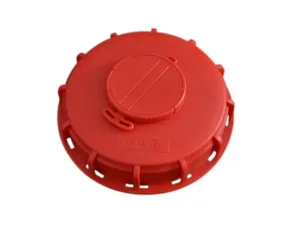
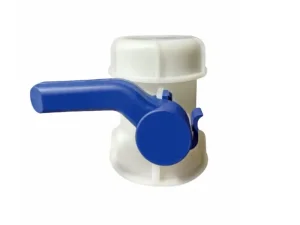
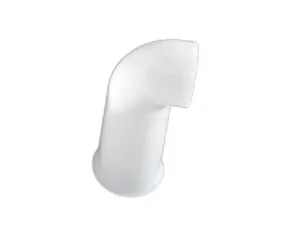
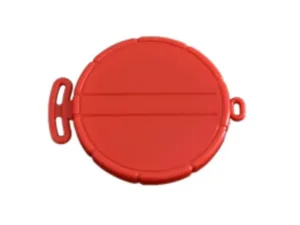
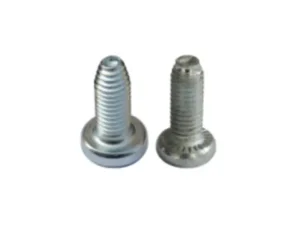
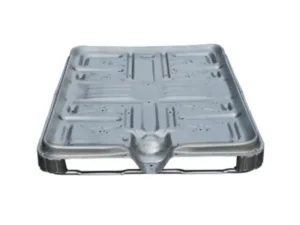
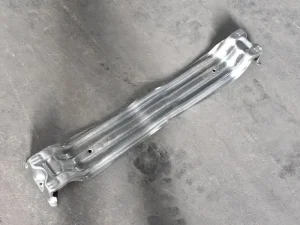
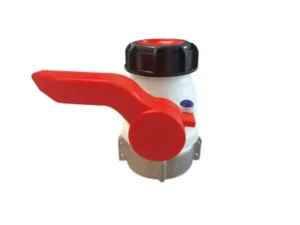
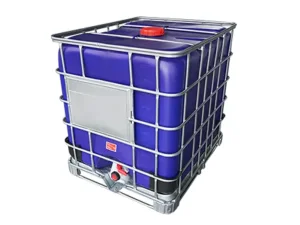
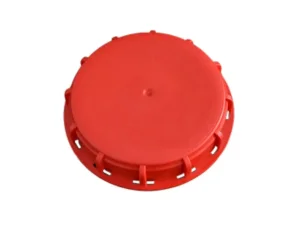
Complementary IBC Valves, Covers & Structural Components
8. Frequently Asked Questions (Technical & Commercial FAQ)
Q1: What are the primary polymer selection criteria for industrial bucket lids?
Selection depends on chemical compatibility and environment. High-Density Polyethylene (HDPE) offers superior ESCR and impact resistance for harsh chemicals, whereas Polypropylene (PP) provides better heat resistance for hot-fill processes and high clarity for retail products.
Q2: How do you prevent seal degradation when packaging aggressive solvents or oils?
We integrate co-injection TPE rings, poured polyurethane (PUR) gaskets, or specialized chemical-resistant Fluorocarbon/EPDM seals tailored specifically to the medium's chemical profile.
Q3: Can your factory support custom branding, colors, and proprietary mold modifications?
Yes. We provide complete OEM/ODM services, including custom mold engineering, in-mold labeling (IML), embossed brand logos, Pantone color matching, and custom tear-strip or spout integration.
Q4: What is the typical lead time for custom tooling and mass production dispatch?
Standard stock models ship within 3–5 business days. Custom mold development (tooling, flow testing, sample approval) takes 15–25 calendar days, followed by mass production output of up to 50,000 units per day.
Q5: What quality control protocols are applied during injection molding?
Our facilities employ automated AI vision inspection for surface and lip defects, coordinate measuring machines (CMM) for dimensional tolerances (within ±0.005mm), along with regular drop, hydrostatic pressure, and top-load stack testing.