
Featured Industrial Components & Containment Systems
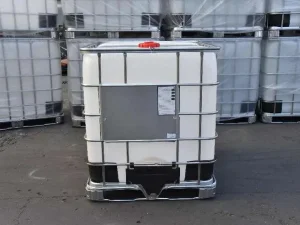
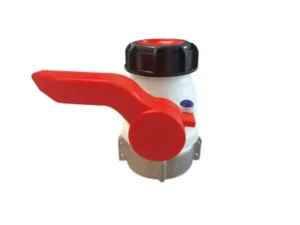
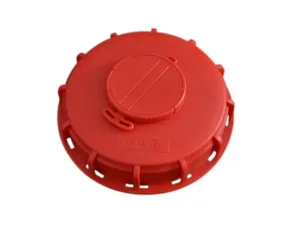
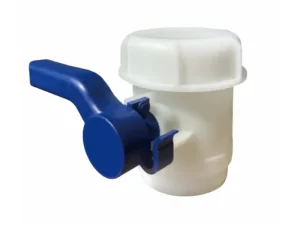
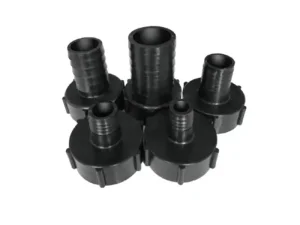
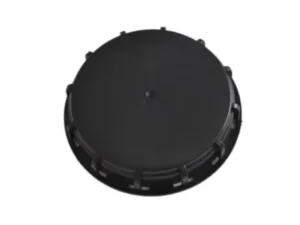
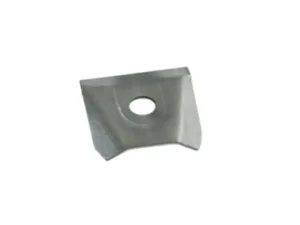
Explore our core engineering catalog featuring precision-molded valve assemblies, high-density polyethylene lids, chemical container bases, and heavy-duty industrial totes.
Executive Whitepaper: Industrial Injection Molded Plastic Parts Engineering
A Technical Procurement & Manufacturing Guide for Global Enterprises Partnering with China's Advanced Injection Molding Facilities
In the contemporary landscape of global industrial manufacturing, selecting a qualified vendor for industrial injection molded plastic parts is no longer merely a transaction based on unit price. It is a critical strategic decision that directly impacts operational safety, regulatory compliance, total cost of ownership (TCO), and global supply chain resilience. As chemical containment systems, heavy machinery, automotive assemblies, and fluid management logistics grow increasingly complex, the demand for precision-engineered polymer components has surged exponentially.
This technical whitepaper provides an authoritative analysis of China's injection molding ecosystem, evaluated through the lens of Google's Search Quality Rater Guidelines (E-E-A-T: Experience, Expertise, Authoritativeness, and Trustworthiness). By examining structural mold engineering, advanced polymer physics, automated high-tonnage production, and international regulatory compliance (such as UN packaging certifications, FDA food contact approvals, REACH, and RoHS), this document serves as a definitive benchmark for global procurement leaders, quality control executives, and industrial design engineers.
Unlike commodity plastic parts, high-stress industrial components—such as IBC container butterfly valves, venting closures, pressure-relief drum caps, and structural pallet corners—require rigorous rheological analysis, tight tolerance mold tooling (down to ±0.005mm), and precise polymer blend formulation (incorporating UV stabilizers, anti-static agents, and chemical-resistant fluoropolymers). Partnering with vertical Chinese manufacturers guarantees end-to-end accountability from raw resin selection to final automated drop tests.
1. The Evolution of Industrial Injection Molding in China
Over the past three decades, China’s industrial manufacturing sector has undergone a profound transformation. Moving beyond low-margin consumer goods, tier-1 Chinese factories now operate sophisticated Industry 4.0 production environments equipped with multi-axis CNC EDM centers, robotic arm extraction systems, closed-loop melt handling, and real-time cavity pressure monitoring. Industrial buyers in North America, Europe, and the Asia-Pacific region now rely on China not only for cost efficiency, but for advanced engineering co-development, tooling agility, and massive scalable capacity.
China's Industrial Injection Molding Supply Chain Dominance
How Cluster Economics, Integrated Raw Material Ecosystems, and Logistics Hubs Create Unmatched Competitive Advantages
1. Fully Integrated Tooling & Mold Infrastructure
Chinese industrial clusters, particularly in Shandong and Eastern China, integrate precision mold making directly alongside injection molding shops. In-house mold fabrication reduces tooling lead times from months to weeks, allowing rapid prototype iteration via Moldflow® simulation software and high-speed CNC machining.
2. Polymer Raw Material Cluster Economics
Proximity to major petrochemical refining centers guarantees continuous access to virgin-grade High-Density Polyethylene (HDPE), Polypropylene (PP), Polyamide (PA6/PA66), Polyoxymethylene (POM), and engineering-grade fluoropolymers (PTFE, PVDF). Bulk procurement lowers material acquisition overheads while maintaining strict batch-to-batch consistency.
3. Linyi Logistics Hub & Global Export Logistics
Located in Linyi, Shandong—recognized as China's premier freight and logistics capital—facilities like Linyi Dasheng Import & Export Co., Ltd. benefit from hyper-efficient inland transport networks connecting directly to major deep-water ports such as Qingdao and Tianjin, enabling standard item dispatch in as fast as 3 days.
Quantifying Supply Chain Velocity and Tooling Agility
In global procurement, downtime directly erodes bottom-line profitability. China's industrial ecosystem minimizes downtime through rapid tooling modification cycles. When an engineering design change (ECN) occurs, localized toolmakers can modify core inserts, adjust ejector pin layouts, or re-machine gating channels within 48 to 72 hours—a process that often takes 3 to 4 weeks in Western facilities. This operational velocity allows international OEMs to bring complex industrial components to market significantly faster.
Engineering Deep-Dive: Materials, Tooling & Precision Manufacturing
Technical Specifications and Polymer Physics Governing High-Performance Industrial Components
Industrial injection molding demands exact alignment between resin chemistry, structural design, and processing parameters. Components designed for fluid packaging (such as 1000L IBC totes, heavy-duty chemical drums, and specialized valve bodies) must withstand extreme hydrostatic pressures, environmental stress cracking (ESCR), cyclic thermal expansion, and harsh corrosive media.
Polymers Selection Matrix for Industrial Components
| Polymer Resin | Mechanical Properties | Chemical Resistance | Typical Industrial Applications |
|---|---|---|---|
| High-Density Polyethylene (HDPE) | High tensile strength, exceptional impact resistance, excellent flexural modulus. | Resistant to strong acids, alkalis, alcohols, and organic solvents. | IBC inner bottles, heavy-duty drum lids, structural corner guards, drainage valves. |
| Polypropylene (PP / Copolymer) | Superior fatigue resistance (living hinges), higher heat deflection temp (HDT). | Good resistance to fats, organic solvents, and most chemical agents. | Breather caps, quick-connect camlock couplings, threaded closure rings. |
| Polyoxymethylene (POM / Acetal) | Exceptional dimensional stability, high stiffness, low coefficient of friction. | High resistance to hydrocarbons, neutral chemicals, and mechanical wear. | Precision valve stems, internal gears, sealing latches, mechanical fasteners. |
| PTFE / EPDM / FKM Elastomers | Custom elastomeric recovery, low compression set, extreme temperature range. | Universal chemical inertness (PTFE), ozone and weather resistant. | Valve sealing washers, airtight lid gaskets, toxic media containment seals. |
Precision Mold Tooling & Rheological Analysis
Achieving defect-free molding begins before steel is cut. Leading Chinese factories utilize 3D Moldflow® simulation to evaluate gate location, shear rate distribution, cooling line efficiency, and volumetric shrinkage. High-precision tooling features:
- Sub-Micron Machining Tolerances: CNC EDM and wire-cut machining accurate up to ±0.005 mm ensure liquid-tight threads and precise valve seal mating surfaces.
- Optimized Hot Runner Systems: Valve-gated hot runner systems prevent material degradation, eliminate runner waste, and maintain uniform melt temperatures across multi-cavity molds.
- Hardened Tooling Steels: Premium cavity and core steels (such as H13, S136, or NAK80 hardened to 48–54 HRC) withstand abrasive filled resins (e.g., 30% glass fiber reinforced PA66) for tooling lifespans exceeding 1,000,000 shots.
Global Enterprise Procurement & Risk Mitigation Framework
Evaluating Total Cost of Ownership (TCO), Quality Assurance Protocols, and OEM/ODM Partnership Dynamics
Total Cost of Ownership (TCO) Optimization
Evaluating sourcing costs extends beyond piece price. Chinese manufacturing lowers TCO by bundling mold design, mass injection molding, secondary assembly, custom branding/plate engraving, and export packaging under one roof, eliminating intermediary margins.
Strict Quality Control & Metrology
Tier-1 suppliers utilize Coordinate Measuring Machines (CMM), automated optical sorting, pressure decay leak testing, and melt flow index (MFI) verifications to ensure every produced lot complies with original CAD engineering drawings.
OEM/ODM Turnkey Service Flexibility
From custom 445mm special-shaped chemical drum caps to specialized DN50/DN80 valve geometries, top manufacturers offer comprehensive design support, rapidly translating physical samples or rough sketches into production-ready tooling.
Strategic Supplier Selection Framework for Overseas Buyers
When audits are performed by international enterprise buyers, technical evaluation focuses on three non-negotiable pillars:
- Process Control Stability (Cp/Cpk): Demonstration that critical parameters—injection speed, hold pressure, cushion volume, and mold temperature—are recorded and governed by SPC (Statistical Process Control).
- Traceability & Batch Management: Laser-etched or engraved identification plates, serial numbers, and material heat numbers ensuring full supply chain transparency from raw resin lot to end-user installation.
- Financial & Operational Scale: Facilities operating multiple independent production lines and maintaining buffer inventory of critical spare parts mitigate localized power or labor disruptions.
Localization Support, Regulatory Compliance & Standards
Ensuring Seamless Integration with Regional Legal Frameworks, Dangerous Goods Packaging & Environmental Directives
Deploying industrial plastic components globally requires strict adherence to regional regulatory directives. A reliable Chinese manufacturing partner provides complete documentation packages that satisfy customs inspection, environmental legislation, and industrial safety codes across North America, the European Union, the Middle East, and Latin America.
UN Dangerous Goods Certification
Components intended for dangerous goods transport (such as 1000L IBC totes and chemical drums) must conform to UN 31HA1 packaging standards. Manufacturers perform hydraulic drop tests, stacking tests, and internal pressure tests to secure official UN marks.
FDA & EU Food Contact Compliance
For food, beverage, and pharmaceutical storage applications, components are molded using food-grade virgin HDPE and PP resins certified under FDA 21 CFR 177.1520 and EU Regulation No 10/2011, preventing substance migration.
REACH, RoHS & Environmental Safety
Compliance with EU REACH (SVHC list) and RoHS directives guarantees that plastic parts, gaskets, and color colorants are completely free of heavy metals, hazardous plasticizers, phthalates, and restricted flame retardants.
Localization Support & Technical Adaptation
Localization is not limited to regulatory paperwork; it extends to physical and operational compatibility with regional infrastructure. For instance, European chemical operations frequently require S60x6 buttress threads on tank valves, whereas North American facilities may utilize National Pipe Thread (NPT) or quick-disconnect Camlock adapters. Premier Chinese manufacturers maintain a wide library of interchangeable mold inserts, enabling immediate production of regionally tailored thread standards without expensive tooling overhauls.
Industry Development Trends & Localized Application Scenarios
Next-Generation Polymer Innovations, Circular Economy Integration, and Sector-Specific Deployment
Future Trends Shaping Industrial Injection Molding
- Smart Injection Molding & IoT Integration: Modern presses automatically adjust holding pressures based on real-time melt viscosity sensors inside the cavity, eliminating flash and short shots.
- Post-Consumer Recycled (PCR) & Circular Loops: To meet corporate ESG carbon reduction targets, non-food industrial containers and structural components (such as pallet bases and corner guards) increasingly incorporate 30% to 100% PCR HDPE without sacrificing structural integrity.
- Micro-Injection & High-Precision Venting: Specialized breathable lids equipped with hydrophobic ePTFE membranes balance internal tote pressures during temperature fluctuations, preventing vacuum collapse or over-pressurization during shipping.
Localized Industrial Application Scenarios
Chemical & Petrochemical Processing
Storage and distribution of aggressive acids, alkalis, solvents, and lubricants require fluorinated HDPE bottles, PTFE-gasketed butterfly valves, and chemical-resistant filling lids engineered for long-term zero-leakage security.
Agrochemicals & Liquid Fertilizers
Bulk agricultural chemicals demand containers that resist degradation from high UV exposure and chemical swelling. Heavy-duty UV-stabilized breathable lids prevent gas buildup during high-temperature field storage.
Food Ingredient Logistics
Liquid sugar, edible oils, juices, and dairy additives rely on sanitary-grade 1000L IBC containers fitted with sterile, food-contact compliant valves and airtight sealing closures that prevent microbial contamination.
Water Management & Environmental Systems
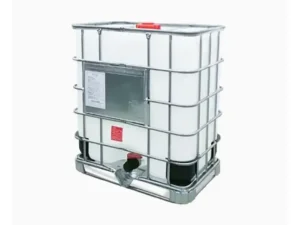
Industrial wastewater treatment, rainwater harvesting, and aquaponics utilize reconditioned or new vertical IBC tanks, high-flow DN80 butterfly valves, and heavy-duty plastic angle corner guards for secure stacking.
Additional High-Demand Industrial Components
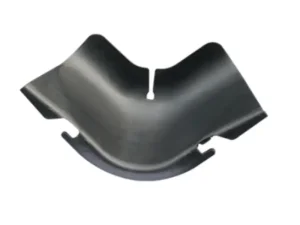
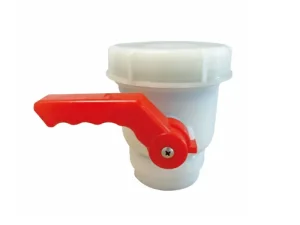
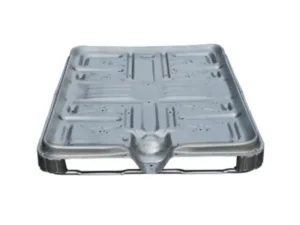
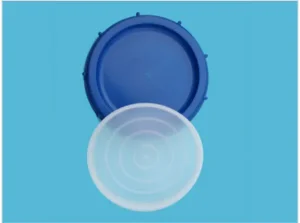
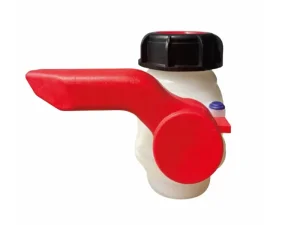
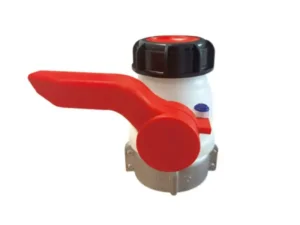
Complete your supply chain requirement with our extended range of specialized valves, tank bases, corner guards, and chemical drum covers.
Frequently Asked Questions (Technical Sourcing & Manufacturing FAQ)
In-Depth Answers to Critical Questions Posed by Global Enterprise Procurement Teams and Quality Engineers
What are the key technical criteria when evaluating an injection molding manufacturer in China?
Evaluating a Chinese injection molding manufacturer requires checking four core capabilities: (1) In-house Tooling Precision: Verify whether the manufacturer operates CNC EDM centers capable of achieving tolerances down to ±0.005mm; (2) Polymer Expertise: Ensure they have documented experience processing virgin HDPE, PP, POM, and chemical-grade fluoropolymers with appropriate additives (UV stabilizers, anti-static agents); (3) Quality Assurance Infrastructure: Look for CMM inspection, automated optical sorting, and pressure decay leak-testing equipment; and (4) Certifications: Confirm compliance with ISO 9001:2015, UN dangerous goods packaging ratings (e.g., UN 31HA1), and FDA/REACH regulations.
How do you ensure zero-leakage performance on high-stress IBC valves and tank lids?
Zero-leakage integrity is guaranteed through a combined approach involving tooling precision, elastomeric gasket selection, and automated pressure testing. Molds are designed with 3D Moldflow® analysis to eliminate weld lines on critical sealing surfaces. Gaskets are selected based on chemical compatibility—such as EPDM for general liquids, NBR for oils, and PTFE/FKM for aggressive solvents. Following assembly, 100% of valve units undergo automated pneumatic pressure decay testing prior to final export packaging.
What is the difference between a breathable (vented) lid and a sealing (airtight) cap?
A breathable (vented) lid incorporates a microporous hydrophobic ePTFE membrane that allows gases to equalize between the interior and exterior of the container without permitting liquid leakage. This is essential for off-gassing chemicals, hydrogen peroxide blends, or fast filling/draining operations that would otherwise cause tank swelling or vacuum collapse. A sealing (airtight) cap uses a solid gasketed screw design to provide a 100% vapor-tight barrier, ideal for long-term transport and storage of stable, non-gassing liquids.
What are the lead times for custom tooling and mass production of OEM plastic components?
For standard catalog products (such as stock IBC butterfly valves, sealing lids, and corner guards), orders are dispatched from bulk inventory within 3 to 5 working days. For custom OEM/ODM projects requiring new mold tooling, initial T1 sample delivery typically takes 20 to 35 calendar days depending on component complexity and cavity count. Mass production commences immediately upon sample approval, with typical output rates ranging from 5,000 to 50,000 units per week.
How does your factory support local compliance in North America, Europe, and Asia-Pacific?
We provide comprehensive technical documentation packages tailored to local regulatory bodies. This includes full material safety data sheets (MSDS), certificates of analysis (CoA), FDA 21 CFR 177.1520 food-contact compliance declarations, REACH SVHC & RoHS environmental certificates, and official UN 31HA1 drop test reports issued by accredited third-party inspection agencies (such as SGS or TÜV Rheinland). Furthermore, thread options include standard European S60x6 buttress threads, American NPT, and universal Camlock interfaces.
Can custom branding, logos, and color masterbatches be integrated into production?
Yes. Our complete turnkey OEM/ODM services allow clients to customize resin colors using high-grade color masterbatches matching Pantone or RAL specification numbers. Branding options include laser-engraved serial numbers on stainless steel nameplates, in-mold molded logos on plastic lids and valve handles, screen printing, and custom barcode labels for seamless warehouse inventory tracking.
Partner with China's Premier Industrial Injection Molding Authority
Accelerate your product development cycle, reduce total cost of ownership, and secure a resilient, UN-certified supply chain today.
Whether you require bulk standard replacement valves for 1000L IBC totes, heavy-duty chemical drum closures, specialized structural corner guards, or full custom mold tooling co-development, our engineering team in Linyi, Shandong delivers decades of specialized expertise, rapid prototyping, and international compliance assurance.