
Featured IBC Components & Identification Solutions
Direct factory supply of certified IBC nameplates, heavy-duty covers, valves, and structural replacement parts engineered to international shipping standards.
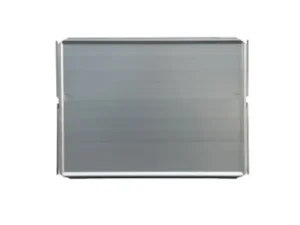
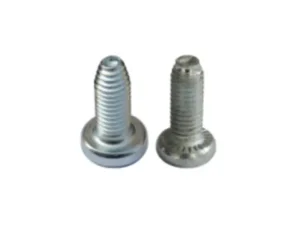
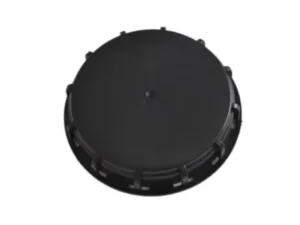
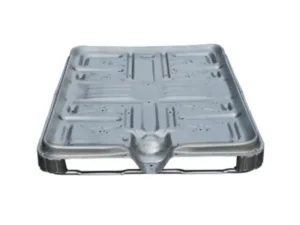
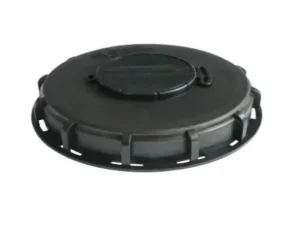
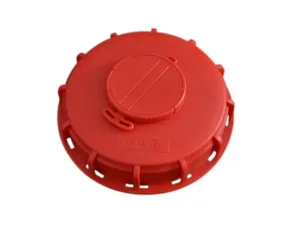
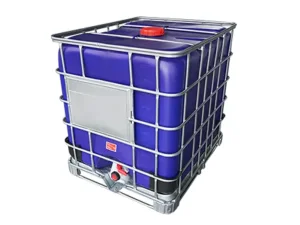
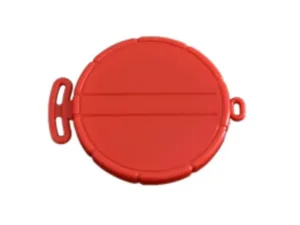
Advanced Polymer Physics
Utilizing high-density polypropylene (HDPP) and UV8-UV15 stabilized polycarbonate blends to withstand corrosive industrial environments and extreme temperatures (-40°C to +80°C).
Regulatory Traceability
Engineered to support UN dangerous goods packaging codes, DOT compliance, and ISO 9001 quality audits with high-contrast laser-etched matrix coding and RFID integration capabilities.
Supply Chain Resilience
Vertical integration across 3 modern manufacturing bases in China ensures immediate raw material processing, automated high-tonnage injection molding, and optimized export logistics.
The Technical & Operational Blueprint for Sourcing IBC Plastic Nameplates from China Manufacturers
In the realm of global industrial liquid logistics, Intermediate Bulk Containers (IBCs) serve as the backbone for chemical, pharmaceutical, agricultural, and food-grade supply chains. While significant attention is naturally directed toward the structural integrity of the blow-molded High-Density Polyethylene (HDPE) inner bottle and the galvanised tubular steel cage, the IBC Plastic Nameplate (Identification Plate) represents a critical yet frequently underestimated component. Far more than a mere surface label, an industrial plastic nameplate functions as the operational nexus for regulatory compliance, hazardous material tracking, brand identity, asset management, and circular fleet reconditioning.
As global environmental regulations tighten and international transport bodies enforce stringent track-and-trace directives (such as UN packaging codes, CFR-49 in North America, and ADR regulations in Europe), procurement directors and chemical packaging engineers are re-evaluating their sourcing strategies. China has evolved from a low-cost contract manufacturer into an Industry 4.0 center of excellence for high-precision polymer component engineering. This comprehensive report explores the technological shifts, material science advances, procurement methodologies, and manufacturing efficiencies defining top-tier China IBC plastic nameplate manufacturers today.
Core Takeaway for Procurement Executives: Transitioning from traditional stamped metal plates to high-impact engineered polymer nameplates reduces container tare weight, eliminates chemical corrosion risks, improves optical barcode scan readability by up to 99.4%, and cuts component replacement costs during tote reconditioning by up to 45%.
1. The Industry Evolution: Shift from Stainless Steel to Engineered Polymer Nameplates
Historically, stainless steel or painted aluminum identification plates were standard across 1000-liter composite IBC totes. However, modern operational environments have exposed fundamental flaws in metallic identification systems:
- Corrosion Vulnerability: Exposure to aggressive chemical vapors (such as hydrochloric acid, sodium hypochlorite, and organic solvents) causes surface degradation and pitting on metal plates, rendering regulatory text unreadable over multi-year logistics cycles.
- Permanent Deformity: Mechanical impacts during forklift handling and high-density warehouse stacking cause metal plates to warp or buckle, disrupting laser scanner tracking and creating sharp safety hazards for manual operators.
- Thermal Expansion Mismatch: Stainless steel plates riveted directly to galvanized steel cages experience differential thermal expansion, leading to stress fractures around mounting holes under solar heat cycles.
Modern China IBC plastic nameplate manufacturers have overcome these issues by formulating advanced compound polymers—specifically high-impact, high-density Polypropylene (HDPP) modified with ethylene-propylene-diene monomer (EPDM) rubbers and hindered amine light stabilizers (HALS). These engineered plastics deliver outstanding flexural modulus, high impact resistance down to -40°C, and complete chemical inertness across the full pH spectrum (1 through 14).
| Performance Metric | Engineered Plastic Nameplates (China) | Stainless Steel Nameplates (304/316) | Standard Aluminum Plates |
|---|---|---|---|
| Chemical Resistance (Acid/Base) | Superior (pH 1–14 Inert) | Moderate (Subject to Pitting) | Poor (Corrodes Rapidly) |
| Impact Recovery & Flexural Memory | High (Absorbs Collisions) | Zero (Permanent Denting) | Zero (Easily Creased) |
| UV Degradation Resistance | UV8 to UV15 Rated (5–10 Yrs) | Unaffected | Oxidizes Surface |
| Digital Integration (RFID/NFC) | Seamless In-Mold Embedding | Requires Insulated Standoffs | Blocks RF Signals |
| Cost per Unit (Mass Production) | Economical ($0.40 – $1.20) | High ($3.50 – $7.00) | Moderate ($1.80 – $3.20) |
2. Global Procurement Needs: Regulatory Compliance, Safety, and Fleet Track-and-Trace
Global enterprise buyers sourcing IBC components from Chinese factories operate under complex regulatory and environmental constraints. Sourcing managers must ensure that every plastic identification plate meets strict performance requirements:
A. UN & ISO 16106 Mark Compliance
Under international maritime (IMDG Code) and inland transport laws, composite IBCs carrying dangerous goods must prominently display durable UN design marks. China plastic nameplate manufacturers design plates featuring primary stamping zones, molded grid structures for thermal-transfer serial labels, and laser-engraved permanent fields for maximum visibility of container data (UN code, maximum gross mass, leakproofness test date, and re-inspection records).
B. Digitalization and Smart Logistics Integration
The global shift toward Industry 4.0 supply chains requires smart tracking solutions. Leading Chinese producers integrate dual-frequency Passive RFID (UHF/NFC) tags directly inside the plastic nameplate during the injection molding process (In-Mold Tagging - IMT). Encapsulating the microchip within high-density resin shields it from moisture, high-pressure washdowns (IP69K rating), and mechanical shocks during transit.
C. Fleet Circularity and Reconditioning Viability
Commercial IBC totes undergo multiple lifecycles—often filling, traveling globally, draining, and entering a reconditioning facility where they are jet-washed at 85°C with caustic solutions. Polymer identification plates manufactured by experienced Chinese factories utilize chemical-resistant surface coatings and UV-curable inks that endure repeated caustic wash cycles without fading or delaminating.
3. Polymer Material Science & Marking Engineering
Achieving decade-long outdoor service life requires precise material blending and high-accuracy surface treatment techniques during manufacturing:
- Base Resin Selection: High-flow copolymer polypropylene blended with virgin virgin HDPE resin delivers optimal rigidity without brittleness. Antioxidant additives prevent thermal degradation during hot-runner injection molding.
- UV Weathering Protection: Including Carbon Black Masterbatch (for dark plates) or Titanium Dioxide (TiO₂) coupled with HALS 944 guarantees long-term protection against UV radiation, preventing chalking and stress cracking in extreme sunlight environments such as Australia, the Middle East, or the US Sunbelt.
- Laser Marking vs. Screen Printing: Advanced factories utilize Nd:YAG and Fiber Laser systems. The laser induces a localized photochemical color-change reaction within the additive-doped polymer, forming high-contrast text and 2D Data Matrix codes that cannot be rubbed off by solvents or abrasion.
4. China Industry 4.0: Supply Chain Resilience, Mold Automation, and Manufacturing Efficiency
The global dominance of China's plastic manufacturing industry stems from deep infrastructure integration, continuous automation investments, and unrivaled supply chain density—particularly in manufacturing hubs like Shandong and Zhejiang provinces.
A. Precision Tooling and Rapid Prototyping
Premier Chinese suppliers utilize multi-cavity hot-runner molds built with hardened German S136 or Swedish Orvar ASSAB steel. Machining tolerances up to 0.005 mm are maintained via high-speed 5-axis CNC machining centers and mirror-finish EDMs. This guarantees tight mounting hole spacing for snap-fit attachment to steel cages across diverse global tote brands (e.g., Schuetz, Mauser, Greif, Werit).
B. Vertical Factory Integration and Scale
Leading Chinese production facilities operate integrated raw-material compounding plants, high-tonnage injection molding machine batteries (ranging from 250 to 1600 tons clamping force), automated robotic pick-and-place arms, and on-site laser etching labs under one roof. This vertical integration allows factory direct suppliers like Linyi Dasheng to scale production rapidly, drastically reducing lead times for standard stock items down to 3 days and custom tooling projects to under 15 days.
Factory Efficiency Indicator: Automated multi-cavity injection tooling paired with robotic in-mold labeling reduces production cycle times for plastic IBC nameplates to under 18 seconds per unit, allowing single-factory daily outputs exceeding 40,000 components.
5. Localized Industrial Applications & Specialized Operational Scenarios
IBC plastic nameplates manufactured in China are deployed across diverse global environments, each presenting unique engineering demands:
A. Petrochemical and Bulk Liquid Chemical Transport
Chemical processing hubs in North America (US Gulf Coast) and Western Europe (Rotterdam Chemical Cluster) require extreme resistance to volatile organic compounds (VOCs). Plastic nameplates molded with fluorinated surface layers resist swelling and blistering when exposed to spilled solvents during filling operations.
B. Agricultural Chemicals and Crop Protection Formulations
Agrochemical products often contain surfactants and oil-based emulsifiable concentrates that degrade low-grade plastics. Chinese factories engineer oleophobic plastic formulations that repel pesticide residue, keeping safety warning symbols legible across multiple farming seasons.
C. Hygienic Food and Beverage Ingredient Handling
Food-grade bulk liquid logistics demands compliance with US FDA 21 CFR 177.1520 and EU Regulation 10/2011. White, non-pigmented virgin polypropylene identification plates prevent batch contamination while maintaining hygiene during high-pressure sanitary washdowns.
6. Procurement Strategy: Evaluating China Suppliers on E-E-A-T Principles
When selecting a manufacturing partner for IBC plastic nameplates, valves, caps, and structural accessories, international buyers should evaluate suppliers using Google E-E-A-T parameters (Experience, Expertise, Authoritativeness, and Trustworthiness):
- Technical Experience: Verify factory longevity (e.g., companies established over 20+ years) and historical focus on plastic injection molding and closure manufacturing.
- Quality Engineering Expertise: Assess factory tooling infrastructure, mold flow simulation capabilities, and in-house testing labs for melt-flow index (MFI), tensile strength, and UV weatherometer testing.
- Certifications & Standards: Confirm valid ISO 9001:2015 Quality Management certifications, food-grade compliance documentation, and REACH/RoHS compliance declarations.
- Reliability & Scalability: Review export track records across major markets (North America, Europe, SE Asia), container loading capacity, and clear warranty terms covering material defect risks.
Frequently Asked Questions (FAQ)
Expert answers to critical technical, ordering, material, and regulatory inquiries from international procurement professionals.
Integrated IBC Accessories, Valves & Custom Molded Components
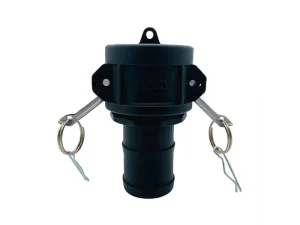
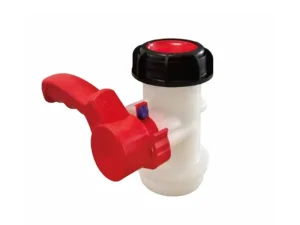
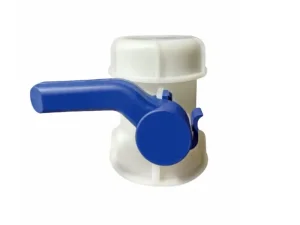
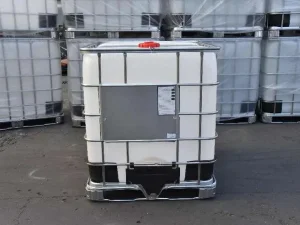
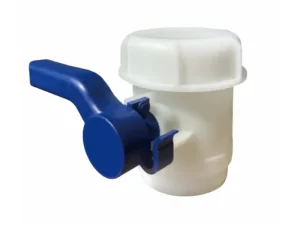
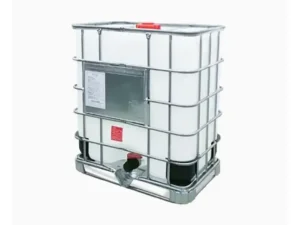
Pair your high-durability plastic nameplates with precision valves, custom drum caps, structural adapters, and complete container assemblies direct from Shandong's premier packaging factory.


Partner with China’s Leading IBC Component Manufacturer
Request direct factory quotes, technical CAD drawings, material chemical compatibility charts, or rapid custom tooling proposals today.
Request Technical Consultation