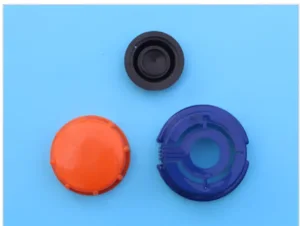
Industrial & Food Grade Fluid Handling Assemblies
Direct factory supply of precision injection-molded components, valves, lids, and seals designed for demanding liquid handling and storage.
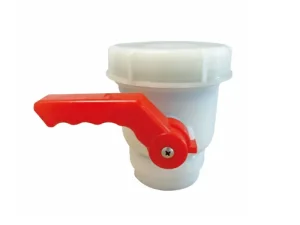
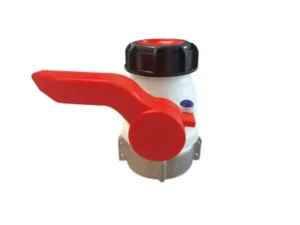
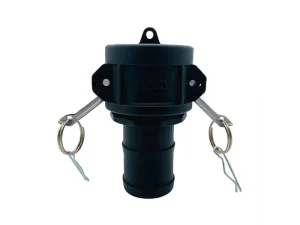
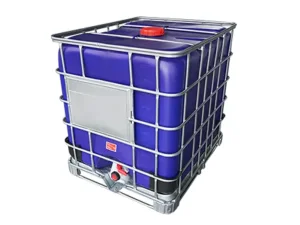
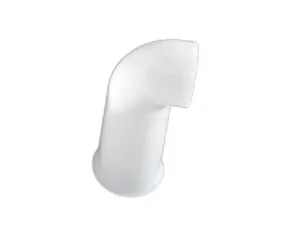
Global Ecosystem of Food Grade Plastic Injection Molding
An authoritative analysis on material compliance, mold engineering precision, and supply chain dynamics in food contact part production.
The manufacturing landscape for food grade injection molded parts in China has undergone a monumental shift from low-cost mass commodity production toward high-precision, highly regulated smart manufacturing. As international supply chains face escalating scrutiny from regulatory bodies such as the U.S. Food and Drug Administration (FDA), the European Food Safety Authority (EFSA), and China’s National Health Commission (GB standards), global brands are pivoting toward certified Chinese manufacturing partners who integrate polymer science, cleanroom processing, and robust traceabilities.
Food grade plastic components are not merely passive containers; they are integral functional safety barriers. Whether applied in liquid packaging closures, high-flow butterfly valves, multi-layer container caps, or food processing equipment components, these parts must demonstrate absolute chemical inertness, zero non-intentional added substances (NIAS) migration, high structural integrity under physical load, and long-term organoleptic neutrality (ensuring no scent or flavor transfer to food products).
Advanced Engineering Architecture for Food Contact Polymers
Selecting the optimal polymer matrix and mold design to withstand thermal degradation, chemical exposure, and mechanical stress.
Polymer Selection & Purity
We utilize ultra-pure virgin resins including High-Density Polyethylene (HDPE), Polypropylene (PP), Polyoxymethylene (POM), and Fluoropolymers (PTFE). Resins are tested for low Melt Flow Index (MFI) variability and complete absence of heavy metals, plasticizers, and phthalates.
Precision Hot Runner Tooling
Tooling designs feature electro-polished S136 or NAK80 stainless steel mold cavities to eliminate particulate shedding. Valve-gated hot runner systems prevent stringing and shear degradation of sensitive food-grade additives during injection cycles.
Non-Migration & Sealing Tech
For fluid transfer equipment and closures, multi-component injection molding (2K/3K) allows the co-molding of rigid HDPE/PP frames with compliant elastomer seals (TPE, EPDM, or PTFE co-extrusions) guaranteeing hermetic, zero-leak fluid isolation.
Technical Benchmark & Global Regulatory Compliance Standards
Engineering components for direct food contact demands strict adherence to global regulatory frameworks. A leading Chinese food-grade injection molding factory must navigate overlapping compliance standardizations depending on the export destination:
| Regulatory Body / Region | Standard Identification | Core Requirement / Test Metric | Application Scope in Injection Molding |
|---|---|---|---|
| FDA (United States) | 21 CFR 177.1520 (Olefins) | Maximum extractable fraction in n-hexane; soluble fraction in xylene | Polypropylene & Polyethylene food caps, valves, and liners |
| European Union | EU Regulation No 10/2011 (FCM) | Overall Migration Limit (OML < 10mg/dm²); Specific Migration Limits (SML) | All food contact plastic components, closures, & dispensers |
| China (National) | GB 4806.1 / GB 4806.7-2016 | Sensory testing, potassium permanganate consumption, heavy metal limits | Domestic food handling, liquid packaging, & bulk container fittings |
| NSF International | NSF/ANSI Standard 51 / 61 | Toxicological evaluation, potability, extraction testing | Beverage equipment, water dispensing valves, & fittings |
Scientific Molding Protocols & Cleanroom Execution
Achieving structural consistency across multi-cavity tools running at high cycle speeds requires the deployment of Scientific Injection Molding (SIM). Rather than relying on operator intuition, computerized sensors within the mold cavity measure real-time pressure curves, melt temperature shifts, and viscosity variations.
Key Technical Insight: Minimizing Internal Residual Stress in Injection Molded Valves
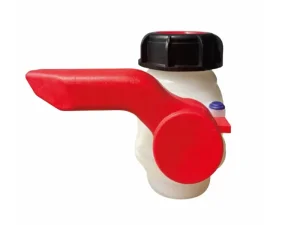
Injection-molded fluid control parts (such as IBC butterfly valves, ball valves, and screw adapters) often fail under pressure due to residual internal stress induced during the cooling phase. By utilizing decoupled molding (Decoupled II & III protocols), filling is separated from intensification. This prevents over-packing near the gate area and eliminates anisotropic warpage, ensuring smooth thread engagement and leak-tight valve operation across thermal ranges from -20°C to +80°C.
Industrial Application Scenarios for Food Grade Injection Components
Custom food-grade plastic components manufactured in China serve a vast array of critical downstream industries globally:
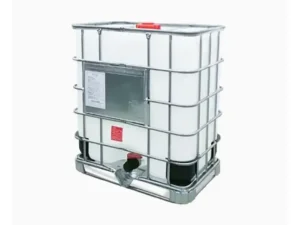
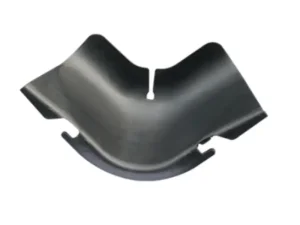
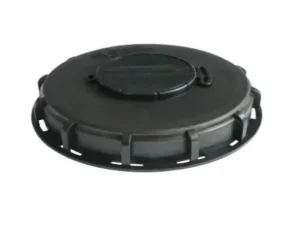
- Bulk Liquid Transport & Logistics: High-density polyethylene components, valve guide pipes, anti-theft lids, and chemical/food container accessories for Intermediate Bulk Containers (IBCs).
- Commercial Beverage Dispensing: Food-grade POM valve cores, quick-connect fittings, and tamper-evident caps for post-mix syrup systems and dairy packaging.
- Edible Oil & Sauce Packaging: High-speed snap-on drip-free pouring spouts, induction-sealed screw closures, and light-blocking opaque lids designed to prevent photo-oxidation of fats.
- Processing Plant Automation: Custom wear-resistant nylon/POM gears, conveyor guides, and hygienic pump impellers capable of enduring clean-in-place (CIP) steam and chemical cycles.
Future Trends in Food-Contact Injection Molding (2025–2035)
How sustainable materials, AI-driven quality inspection, and smart packaging are shaping the next decade of manufacturing.
PCR & Bio-Based Polymers
Transitioning toward food-grade post-consumer recycled (PCR) resins with super-cleaning decontamination technologies. Development of bio-based Polypropylene (Bio-PP) and PLA blends certified for direct food contact.
In-Mold Smart Tagging
Integration of ultra-thin RFID and NFC micro-chips directly molded into liquid container closures during the injection phase, enabling tamper detection, real-time temperature tracking, and anti-counterfeiting verification.
AI Optical Defect Inspection
Replacing manual sampling with high-speed 360-degree inline vision systems driven by machine learning models. Every part is scanned for micro-flashes, short shots, and contamination at 120 parts per minute.
Expert Insights on Sourcing Food Grade Injection Molded Parts
Addressing engineering, regulatory, and commercial queries from global procurement officers and quality managers.
Industrial Container Accessories & Replacement Solutions
Explore our complete catalog of heavy-duty IBC fittings, specialized lids, protective guards, and anti-theft closures.