
⚙️ High-Precision IBC Tank Lids for Japanese Industrial Specifications
Engineered to comply with strict JIS, UN Dangerous Goods, and cleanroom handling standards across Tokyo, Osaka, Nagoya, and Kyushu industrial hubs.
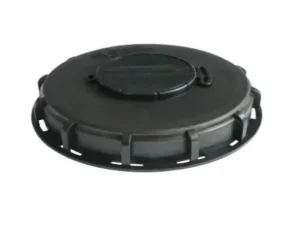
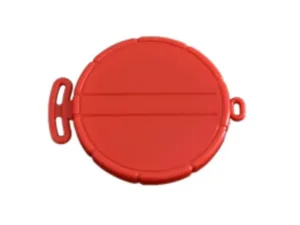
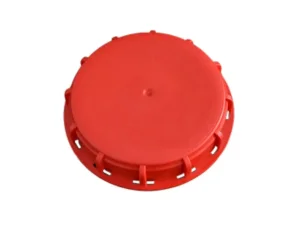
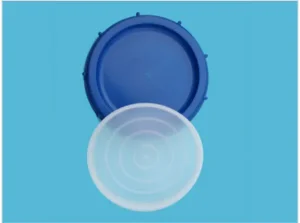
🏭 1. The Japanese Industrial Ecosystem: Evolving Demands for Intermediate Bulk Container (IBC) Closures
Japan’s advanced manufacturing ecosystem—spanning fine chemical production in Kanagawa and Hyogo, semiconductor photoresist formulation in Kyushu ("Silicon Island"), and specialty liquid food ingredients in Hokkaido—operates under stringent material compliance and zero-defect quality mandates. The Intermediate Bulk Container (IBC) tote lid is no longer viewed as a simple plastic cap; it is recognized as a critical safety boundary and primary pressure-regulating interface for bulk liquid logistics.
As Japanese enterprise buyers navigate global supply chain volatility, sourcing high-performance IBC lids directly from advanced Industry 4.0 production facilities in China provides an ideal balance of cost efficiency, massive capacity, and technical compliance. Modern Chinese manufacturing hubs, such as Linyi Dasheng Import & Export Co., Ltd., have upgraded tooling tolerances to ±0.005mm, satisfying the strict requirements of Japanese Industrial Standards (JIS Z 1651 and related container testing protocols).
High-Purity Chemicals
Requires zero-leaching HDPE resins, free of heavy metals and plasticizers, to prevent contamination of electronic-grade solvents and acids.
Transit Resilience
Designed to withstand multi-modal vibration across coastal shipping lanes and mountainous freight passages without thread back-off or seal deformation.
Circular Economy & Recycling
Fully recyclable high-density polyethylene structures supporting Japan's METI guidelines for container reconditioning and loop reuse.
🔬 2. Technical Engineering Roadmap: Material Science & Micro-Venting Mechanisms
The performance of an IBC lid under extreme environmental stress is governed by polymer crystallography, elastomer sealing geometry, and gas-permeable membrane physics. Below is an engineering overview of our technical design architecture catered to the Japanese industrial market:
A. High-Density Polyethylene (HDPE 5502G Grade) Matrix
We utilize prime virgin High-Density Polyethylene with a narrow molecular weight distribution. This ensures exceptional Environmental Stress Crack Resistance (ESCR), enabling the lid to resist aggressive surfactants, organic solvents, and corrosive inorganic acids without developing micro-fissures over long-term storage.
B. Micro-Venting & Gaseous Equilibrium Telemetry
For chemical compounds subject to off-gassing (e.g., hydrogen peroxide formulations, peracetic acid, or organic peroxides), seal integrity can be compromised by internal pressure spikes. Our breathable IBC lids incorporate hydrophobic expanded PTFE (ePTFE) microporous membranes. These membranes allow continuous gas diffusion (equalizing pressure between 5 kPa and 20 kPa) while maintaining a complete liquid barrier, preventing container bulging or vacuum collapse during cold-chain shifts in Northern Japan.
| Engineering Parameter | Standard Market Specs | Dasheng Japan-Grade Specs | Operational Benefit |
|---|---|---|---|
| Material Density | 0.941 - 0.948 g/cm³ | 0.955 - 0.960 g/cm³ | Superior hoop strength and impact resistance at sub-zero temperatures (-40°C). |
| Thread Fit Precision | ±0.05 mm | ±0.005 mm (CNC Tooling) | Eliminates thread binding and ensures uniform seal compression under automatic capping. |
| Gasket Options | Standard EPDM only | EPDM, Viton (FKM), PTFE-Encapsulated Silicone | Broadest chemical compatibility matrix across aggressive industrial reagents. |
| Venting Membrane | Basic slit vent / paper filter | Hydrophobic ePTFE Oleophobic 0.2µm Membrane | 100% liquid proof while permitting gas flow up to 120 L/hr under 10 mbar pressure differential. |
| Tamper Evidences | External tear tab | Integrated Security Clasp + Lock Pin Holes | Prevents unauthorized access during international maritime container shipping. |
🤖 3. China Factory 4.0 Architecture: Delivering Unmatched Cost-to-Quality Ratio for Japan
Located in the Jinluo Technology Industrial Park in Linyi, Shandong, Linyi Dasheng Import & Export Co., Ltd. operates three fully integrated production bases spanning custom mold prototyping, high-tonnage injection molding, automation assembly, and strict quality assurance testing.
For Japanese industrial buyers facing domestic labor shortages and surging operational costs, partnering directly with our OEM/ODM facilities provides distinct strategic advantages:
Rapid Tooling Development
In-house mold design and hot-runner tooling capabilities allow custom lid designs (e.g., specialized dip tube ports, unique thread pitches) to transition from CAD drawing to physical sample in under 15 days.
Zero-Defect Automated QC
Optical vision inspection systems automatically evaluate thread concentricity, flash presence, and gasket seating accuracy for 100% of manufactured units prior to export packing.
Direct Shipping to Japan Ports
Strategic logistics channels offering short ocean transit routes from Qingdao/Lianyungang directly to Tokyo, Yokohama, Nagoya, Kobe, and Osaka within 3 to 5 freight days.
🎯 4. Sector-Specific Packaging Integration Across Japan
Different enterprise segments in Japan present distinct challenges regarding chemical compatibility, cleanliness, and handling protocols. We engineer custom solution matrices tailored to each specific use case:
1. Semiconductor & Fine Chemical Supply Chains (Kyushu & Kantō Regions)
Semiconductor chemical supply chains demand sub-ppm level ionic cleanliness. Our cleanroom-molded fluorinated and stainless-steel hybrid lids prevent volatile organic compound (VOC) outgassing and micro-particulate shed, guaranteeing pristine reagent quality during transfer into ultra-pure chemical distribution systems (CDS).
2. Agricultural Chemicals & Surfactants (Kansai & Chubu Logistics)
Agro-chemical formulations frequently contain active organic solvents that cause standard plastic closures to swell or lose torque retention over time. By incorporating proprietary additive packages during resin compounding, our lids retain high structural modulus and dimensional stability under constant chemical contact.
3. Bulk Food Ingredients & Soy Sauce/Seasonings (Hokkaido & Tohoku Operations)
Food-grade packaging requires strict compliance with US FDA 21 CFR and Japanese Ministry of Health, Labour and Welfare (MHLW) Notice No. 370 regulations. We deliver virgin food-grade PE lids with steam-sterilizable silicone seals, engineered for hot-fill processes and high-hygiene food processing plants.
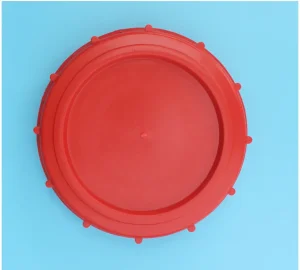
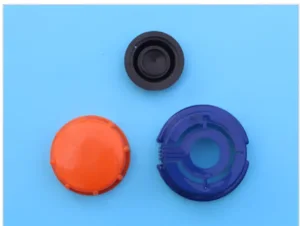
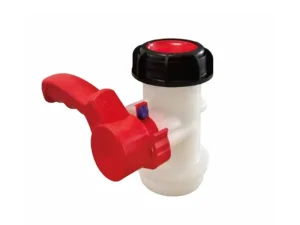
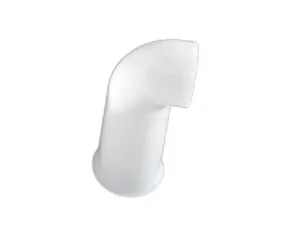
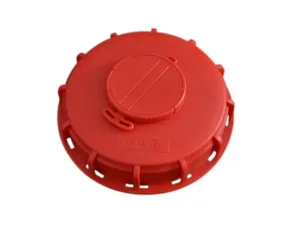
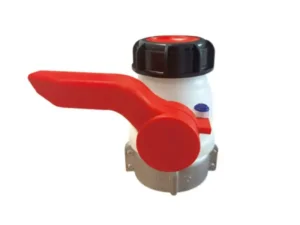
📦 Complete Portfolio: IBC Lids, Drum Closures & Valves for Japan Market
Explore our complete range of standardized and specialized closure solutions available for immediate factory-direct wholesale and OEM customization.


❓ Frequently Asked Questions by Japanese Technical Procurement Officers
Addressing regulatory compliance, international shipping lead times, custom mold tooling, and chemical compatibility questions.
Elevate Your Container Performance in the Japanese Market
Connect directly with our senior polymer engineers and international trade specialists to request technical CAD drawings, material safety datasheets (MSDS), and competitive factory-direct pricing.