
Featured Industrial Products for Melbourne
Factory-direct 1000L IBC replacement components, valves, and specialized covers optimized for Victoria's industrial supply chains.
Melbourne Industrial Packaging & Fluid Transfer Landscape: Strategic Sourcing Whitepaper
As Victoria’s manufacturing, chemical processing, agricultural export, and logistics sectors expand across key hubs such as Dandenong South, Campbellfield, Truganina, Altona, and Geelong, the demand for high-integrity bulk liquid handling systems has reached an all-time high. Intermediate Bulk Containers (IBC totes), high-density polyethylene (HDPE) components, fluorinated bottles, and heavy-duty stainless steel valve assemblies form the backbone of modern industrial logistics. Ensuring continuous operational uptime, zero-leak safety, and full compliance with Australian regulatory standards requires a deep engineering understanding of container metallurgy, polymer science, and fluid dynamics.
1. Macro-Industrial Ecosystem in Melbourne & Greater Victoria
Greater Melbourne represents one of the Southern Hemisphere’s most sophisticated industrial corridors. The Port of Melbourne serves as the primary maritime gateway for chemical reagents, food-grade additives, liquid fertilizers, and industrial coatings entering and exiting Australia. Surrounding this logistical ecosystem are specialized manufacturing hubs:
- Altona & Laverton North Chemical Clusters: Concentrated petrochemical refining, solvent manufacturing, and specialty chemical synthesis requiring UN-certified dangerous goods packaging (UN31HA1 designs).
- Dandenong South & Braeside Engineering Hubs: Advanced manufacturing centers utilizing custom valve configurations, camlock couplings, and automated filling lines for rapid batch turnaround.
- Goulburn Valley & Yarra Valley Agricultural Belts: Bulk liquid handling for food-grade processing, dairy processing, liquid sugar, winemaking, and agricultural formulations requiring FDA/HACCP compliant fluid pathways.
2. Global Supply Chain Dynamics vs. Local Procurement Resilience
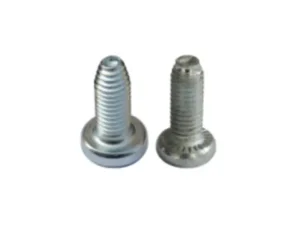
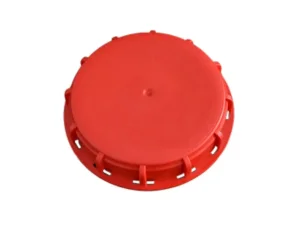
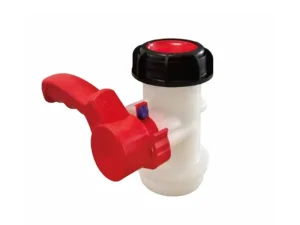
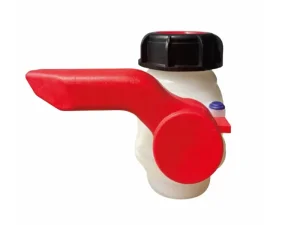
Global supply chain volatility has highlighted the necessity of maintaining robust, high-volume inventory reserves of critical replacement components. While primary tote bodies are often sourced locally for volumetric reasons, critical wear-and-tear components—such as bottom discharge butterfly valves, DN50/DN80 ball valves, replacement lid screws, breathable vent caps, and galvanized frame support bars—are frequently supply-constrained.
By establishing direct factory relationships with high-capacity injection molding and metal forging facilities, Melbourne-based enterprises can secure factory-direct pricing while maintaining stringent quality control. Factory-direct sourcing bridges the gap between global manufacturing economies of scale and local operational responsiveness.
Polymer Engineering
High molecular weight, high-density polyethylene (HMW-HDPE) engineered for maximum environmental stress crack resistance (ESCR) against aggressive solvents and surfactants.
Precision Tooling
In-house CNC mold production achieving machining tolerances down to 0.005 mm, ensuring perfect gasket compression and zero-leak thread engagement.
UN Packaging Compliance
Fully compliant with Dangerous Goods regulations (ADG Code), tested for drop impact, hydraulic pressure proofing, and stacking load limits.
3. Technical Analysis: Fluid Dynamics & Valve Metallurgy
The bottom discharge outlet of a 1000-liter IBC tote is subjected to continuous hydrostatic pressure, mechanical vibration during transit, and potential chemical attack. Choosing the correct valve geometry and elastomer seal is critical to avoiding catastrophic fluid loss.
| Valve Type | Primary Material | Elastomer / Gasket Option | Recommended Media Application | Operating Temp Range |
|---|---|---|---|---|
| DN50 Welded Butterfly Valve | HMW-HDPE / SS316 Trim | EPDM / PE Gasket | Water-based chemicals, liquid fertilizers, non-solvent resins | -20°C to +70°C |
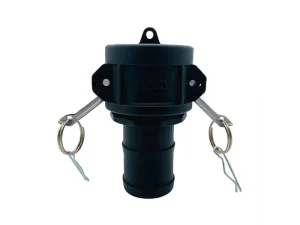
| DN50 Quick-Connect Camlock | Forged Stainless Steel 316 | PTFE / Viton (FKM) | Aggressive solvents, hydrocarbons, high-purity aromatics | -30°C to +150°C |
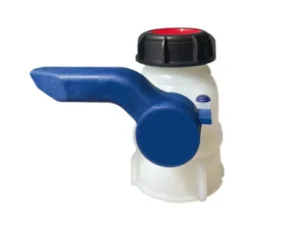
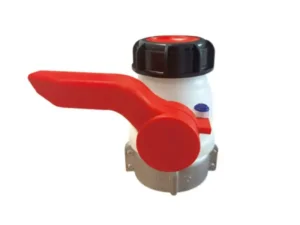
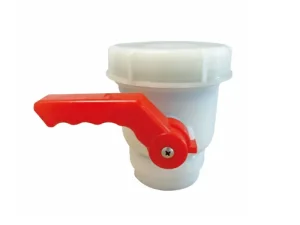
| DN80 Heavy-Duty Ball Valve | HDPE / Reinforced Alloy | FKM / Santoprene | High-viscosity liquids, sludgy slurries, food syrups | -10°C to +80°C |
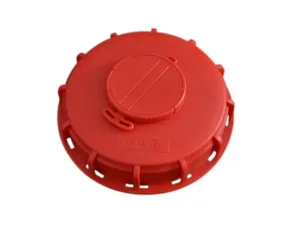
| Vented / Breathable Lid Cap | Polypropylene (PP) | ePTFE Microporous Membrane | Off-gassing peroxides, hypochlorites, biological liquids | -20°C to +60°C |
4. Localized Application Scenarios Across Victoria
Scenario A: Chemical Processing in Altona & Laverton
Chemical manufacturers handling corrosive acid blends, alkaline cleaners, and organic solvents require IBC components that resist chemical permeation. Utilizing fluorinated (Level 5 fluorinated) inner bottles combined with PTFE-sealed stainless steel camlock valves prevents outer container blooming, odor release, and material degradation.
Scenario B: Dairy & Food Ingredients in Northern Victoria & Gippsland
Food processing plants handling liquid whey, concentrate, edible oils, and syrups require virgin food-grade packaging complying with Australian Standard AS 2070 (Plastics materials for food contact use) and US FDA 21 CFR regulations. Clean-in-place (CIP) compatibility and smooth internal valve contours eliminate bacterial harborage zones.
Scenario C: Wineries in Yarra Valley & Mornington Peninsula
Modern viticulture relies heavily on stainless steel and food-grade IBC totes for temporary storage, fermentation lock setups, and juice transport. Precision-screwed replacement lids with integrated breathable membranes allow controlled CO2 release during secondary fermentation without risking oxidation or insect contamination.
5. Regulatory Compliance & Quality Assurance Standards
When transporting bulk liquids across Australia by road (ADG Code), rail, or sea (IMDG Code), packaging integrity is legally binding under WorkSafe Victoria and federal transport regulations. Key quality checkpoints include:
- Drop Impact Test: Conditioning containers to -18°C and dropping them from heights up to 1.9 meters loaded with heavy liquid media without leakage.
- Hydraulic Pressure Test: Sustaining internal pressure up to 100 kPa (or 200 kPa for dangerous goods models) for 10 minutes to verify seal and weld integrity.
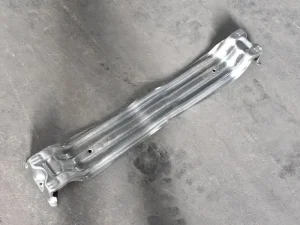
- Vibration & Stacking Strength: Evaluating galvanized steel cage transom support bars under static loads exceeding 4,000 kg for multi-tier warehouse stacking.
Need Custom Engineering Specifications or Bulk Pricing?
Connect with our senior packaging specialists to receive direct factory quotes, technical CAD drawings, and chemical compatibility charts tailored for your Melbourne operation.
Send Inquiry NowFrequently Asked Questions
Expert insights on technical selection, chemical compatibility, and Melbourne bulk order logistics.
What is the difference between breathable vent caps and standard sealing caps?
Breathable caps feature a hydrophobic, microporous ePTFE membrane that allows gases to vent out (preventing tote swelling caused by off-gassing liquids like hydrogen peroxide) while keeping liquid from escaping. Standard sealing caps feature airtight continuous gaskets designed for maximum leak prevention during transport of non-gassing liquids.
Are your IBC components compatible with standard Schutz, Mauser, and Hoover totes?
Yes. Our replacement lid screws, butterfly valves, ball valves, and camlock adapters are engineered to global ISO and DIN thread standards (S60x6 buttress threads and S100x8 heavy threads), ensuring seamless retrofit compatibility across Schutz, Mauser, Mamor, and Greif tote systems commonly used in Australia.
How do I select between EPDM, NBR, and Viton gaskets for my chemical application?
EPDM is exceptional for polar solvents, water-based solutions, acids, and alkalis, but unsuitable for hydrocarbons. NBR (Nitrile) excels with petroleum products, oils, and greases. Viton (FKM) provides superior thermal and chemical resistance against highly aggressive aromatic hydrocarbons, concentrated acids, and solvents.
What are the lead times for bulk shipment orders to Melbourne ports?
Standard inventory items (valves, lids, accessories) can be dispatched within 3 business days. Full container loads (FCL) of complete 1000L IBC totes or palletized fittings typically arrive at the Port of Melbourne within 14 to 22 transit days depending on direct shipping lane schedules.
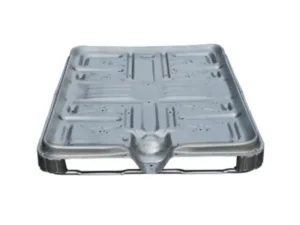
Why are aluminum pallet bases preferred over traditional timber bases in chemical facilities?
Aluminum bases are non-porous, corrosion-proof, completely washable, lightweight, and fire-resistant. Unlike wooden pallets, they do not absorb chemical spills, harbor pests, or splinter, making them ideal for cleanrooms, chemical plants, and export applications requiring ISPM-15 exemption.
Can you supply custom-branded lids and color-coded closures for fleet management?
Yes. We offer complete OEM/ODM injection tooling services, enabling custom company logos, color coding (red, blue, black, green), and molded serial numbers directly on lid caps and valve body plates to simplify container tracking across your Victorian distribution network.
Complete Industrial Packaging Catalog & Replacement Parts
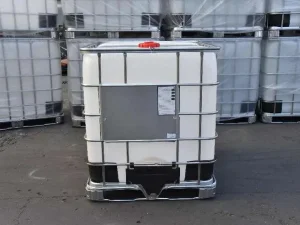
Explore our comprehensive lineup of factory-direct heavy-duty IBC totes, precision valves, adapters, and structural components.
Partner with a World-Class Packaging Manufacturer
Whether you operate a chemical blending facility in Laverton North, a food processing plant in Dandenong, or an agricultural distribution hub in regional Victoria, our team delivers uncompromised packaging reliability.
Send Inquiry Now