
Featured Products
High-Demand IBC Closures & Lids for Boston Industries
Factory-direct fluid handling solutions optimized for chemical packaging, life science processing, and commercial liquid distribution.
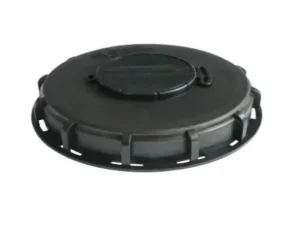
Sanitary Stainless Steel Brushed 150mm/225mm IBC Lid
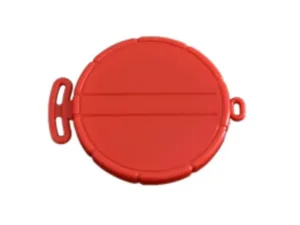
View Product Specifications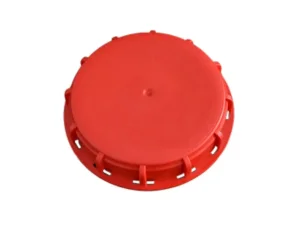
Heavy-Duty Red Hermetic Sealing IBC Lid (UN Rated)
View Product Specifications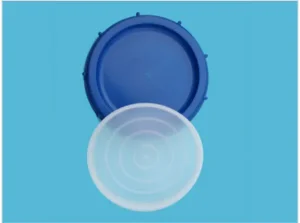
Custom 445mm Special-Shaped Chemical Cap (400mm Core)
View Product Specifications
Macro-Industrial Analysis
The Strategic Importance of Intermediate Bulk Container (IBC) Technology in Greater Boston
The Greater Boston metropolitan area, anchored by the Route 128 high-tech corridor and the Interstate 95 industrial arc, represents one of North America’s most concentrated hubs for biopharmaceutical innovation, advanced materials synthesis, specialty chemical manufacturing, and marine transport logistics. As industrial operations across Massachusetts expand their production footprints, the demand for reliable, compliant, and cost-effective liquid storage solutions has escalated dramatically.
Intermediate Bulk Containers (IBCs), commonly referred to as totes or bulk barrels, serve as the backbone of modern industrial fluid dynamics. Operating at the critical intersection between bulk storage tanks and small-format drums, 1000-liter and 500-liter IBC systems require absolute structural integrity. Among the various components comprising an IBC container assembly—including blow-molded High-Density Polyethylene (HDPE) bottles, outer galvanized tubular cages, and bottom drainage butterfly valves—the IBC Tank Lid (Top Closure Cap) acts as the primary barrier against hazardous leaks, volatile organic compound (VOC) emissions, environmental contamination, and pressure imbalance failure.
Information Gain Perspective: The Fluid Dynamics of Containment
Standard commercial packaging often treats IBC lids as simple threaded plastic caps. However, under high-density chemical transportation, trans-Atlantic ocean transit, and New England thermal variations (ranging from sub-zero winter temperatures to humid summer conditions), an IBC top closure functions as a complex mechanical equilibrium valve. Factory engineering teams in China, collaborating with industrial procurement officers in Boston, are advancing multi-phase gas-permeable membranes, elastomeric seals, and tamper-evident locking rings that guarantee zero-spill operation under extreme hydrostatic stress.
0.005mm
Tooling Machining Precision
100%
Virgin HDPE Resin Compliance
DN150/225
Standard Thread Sizes
UN 31H2
Dangerous Goods Approved
Engineering Specifications
Materials Science & Mechanical Architecture of Modern IBC Closures
To meet the rigorous standards demanded by Massachusetts Department of Transportation (MassDOT), OSHA, and global UN Dangerous Goods regulations, IBC tank lid factories utilize advanced polymer chemistry and precision metalworking. Below is an engineering evaluation of lid structural materials, venting dynamics, and sealing elastomers.
Polymer Chemistry & Metallurgy Breakdown
IBC lids operate under aggressive chemical exposure. The choice between thermoplastic polymers and austenitic stainless steels dictates chemical resistance, thermal stability, and mechanical fatigue life:
- High-Density Polyethylene (HDPE - Grade 5502BN / 4902F): Synthesized via low-pressure coordination polymerization, high-molecular-weight HDPE offers exceptional Environmental Stress Crack Resistance (ESCR). It resists strong acids (sulfuric, nitric), alkaline solutions, and organic solvents. Polymer degradation is prevented by incorporating 2-3% carbon black or specialized UV-stabilizers (Hindered Amine Light Stabilizers - HALS).
- AISI 304 / 316L Stainless Steel: For high-purity biopharmaceutical applications in Boston’s Cambridge life-science cluster, brushed 304 and passivated 316L stainless steel lids eliminate risks of plasticizer leaching, absorption of active pharmaceutical ingredients (APIs), or static electricity discharge in explosive atmospheres.
- Polypropylene (PP-R) Co-polymers: Selected for internal structural rings and pull-tabs where high dynamic fatigue resistance and thermal deformation threshold (>130°C) are paramount during hot-filling operations.
Pressure Equilibrium & Breathable Venting Thermodynamics
When an liquid tote undergoes rapid discharge, thermal expansion, or off-gassing due to chemical decomposition (e.g., hydrogen peroxide formulations or sodium hypochlorite solutions), internal pressure variances can cause catastrophic cage deformation or container collapse. Vented IBC caps integrate microporous ePTFE (expanded Polytetrafluoroethylene) hydrophobic/oleophobic membranes. These membranes allow gas molecules to diffuse freely while stopping liquid droplets even under hydrostatic pressure head up to 60 kPa.
| Lid Specification / Metric | Standard HDPE Sealing Lid | ePTFE Vented Breathable Cap | Stainless Steel Brushed Lid | Anti-Theft Tamper-Proof Cap |
|---|---|---|---|---|
| Thread Standard | S160x7 / DN150 / S240x9 | DN150 / DN225 (S225x7) | 150mm / 225mm Heavy Thread | Custom 355mm - 445mm Bayonet |
| Gasket Elastomers | EPDM / NBR / Silicone | Viton (FKM) / Encapsulated PTFE | Food-Grade Platinum Silicone | EPDM High-Durometer Ring |
| Pressure Release Threshold | Hermetic (0 Bar Diff) | Auto-Vent 0.02 - 0.05 Bar | Overpressure Valve Option | Hermetic Security Seal |
| Chemical Compatibility | General Acids & Bases | Off-Gassing / Oxidizers | High-Purity Solvents / APIs | Industrial Fuels / Lubricants |
| Operating Temp Range | -20°C to +60°C | -30°C to +80°C | -50°C to +180°C | -20°C to +70°C |
Industry Solutions
Tailored Fluid Containment for Greater Boston’s Core Sectors
Bridging East Asian manufacturing scale with New England's rigorous regulatory and operational requirements.
Biotech & Life Sciences (Kendall Square / Cambridge)
Ultra-clean, USP Class VI food-grade silicone-gasketed lids designed for process buffers, media transfer, and biological waste management. Non-pyrogenic, autoclavable polymer options prevent cross-contamination in cell culture media storage.
Specialty Chemicals & Advanced Coatings
Heavy-duty DN150 and DN225 sealing caps engineered to withstand hazardous solvents, acrylic resins, and surface treatments. Built-in tamper-evident tear bands ensure full custody chain verification from factory to end user.
Port of Boston Marine Freight & Logistics
Ocean freight containers experience intense ambient temperature shifts and micro-vibrations. High-torque deep-thread IBC caps prevent back-off and hydro-static dynamic leakage during trans-oceanic transit.
Supply Chain Advantage
China Industry 4.0 Smart Production: Cost, Quality & Capacity Scale
Procurement directors in New England frequently face a trade-off between expensive domestic distributors and variable overseas quality. Leading Chinese manufacturer hubs in Shandong and Zhejiang have eliminated this dilemma by implementing automated Industry 4.0 injection molding systems, tight tolerance toolmaking, and rigorous quality control protocols.
Automated Mold Tooling (0.005mm)
High-speed CNC machining centers and EDM spark erosion equipment produce multi-cavity injection molds with micro-inch surface finishes. Thread pitch tolerances are strictly maintained to eliminate cap cross-threading on standard tote bottles.
Dual-Stage Injection Molding
Robotic arms extract freshly molded caps and place them directly into automated gasket-inserting workstations. Continuous vision inspection systems detect flash, warpage, or gasket voids in real time.
Total Cost of Ownership (TCO)
Bypassing regional distributor markups in the US Northeast allows Boston bulk fluid handlers to cut replacement closure and accessory costs by 35% to 55%, while securing custom color-coding and corporate branding options.
Seamless Boston Local Support & Warehousing Integration
Through established logistics partnerships in Boston, Worcester, and Providence, international factory production is combined with local stocking programs. High-turnover items—such as DN150 breathable covers and replacement Viton gaskets—are buffered in local New England distribution warehouses, enabling 48-hour delivery for urgent maintenance and batch packaging needs.
Technical Q&A
Frequently Asked Engineering Questions
Expert insights for facility engineers, packaging specialists, and procurement managers in Boston.
How do I determine whether my Boston chemical facility requires a breathable vented lid versus a solid hermetic sealing lid?
A breathable vented lid (featuring an ePTFE membrane) is mandatory if your stored liquid releases gas under ambient temperature variations (such as hydrogen peroxide, organic peroxides, or chlorine compounds), or if you perform high-speed liquid pump-out without opening the main top fill opening. Solid sealing lids are recommended for volatile solvents where vapor escape must be zero, or for UN-certified dangerous goods transport where liquid containment must survive severe drop tests.
Are Chinese-manufactured IBC tank lids 100% compatible with Schutz, Mauser, and Greif totes used in Massachusetts?
Yes. Premium Chinese IBC component factories design closures to international thread standards including S160x7 (DN150 metric coarse thread) and S240x9 (DN225 coarse thread). These specifications are fully interchangeable with standard IBC brands including Schutz, Mauser, Greif, Hoopman, and Clawson totes deployed throughout North America.
What elastomer gasket material should we select for aggressive organic solvents and acids?
For general water-based liquids, weak acids, and alkalis, standard EPDM gaskets offer good elasticity and sealing memory. For aromatic hydrocarbons, petroleum derivatives, and concentrated acids, Viton (FKM) gaskets are required. For biopharmaceutical and high-purity applications, platinum-cured silicone or encapsulated PTFE (Teflon) gaskets provide maximum chemical inertness.
What is the lead time for shipping container-load quantities from China factories to the Port of Boston?
Standard factory production time for bulk lid orders ranges from 7 to 12 business days. Ocean transit from Ningbo/Shanghai ports directly to the Port of Boston (Conley Terminal) typically takes 28 to 35 days. For urgent requirements, air freight delivery to Boston Logan International Airport (BOS) can be arranged within 5 to 7 days.
Can custom brand logos, specific RAL colors, and tamper-evident security clasps be integrated into OEM production?
Absolutely. Custom tooling allow direct laser engraving or mold-embossing of company names, batch numbers, and instruction symbols on cap surfaces. Custom masterbatch coloring enables color-coding (e.g., Red for hazardous, Black for standard, Blue for food-grade), and integrated break-away security rings ensure tamper-evident security.
How do cold New England winters affect HDPE IBC tank lid performance?
Sub-zero temperatures can cause standard commodity plastics to become brittle and crack under impact. High-spec IBC lids utilize high-molecular-weight virgin HDPE copolymer resins formulated with cold-impact modifiers. This ensures the polymer retains ductility and impact strength down to -40°C.
Expanded Catalog
Complete IBC Systems, Caps & Valve Accessories
Explore our complete range of liquid storage accessories, replacement components, and specialized industrial containers.

355mm Pull-Ring Plastic Drum Cap (30L-50L Totes)
View Product Details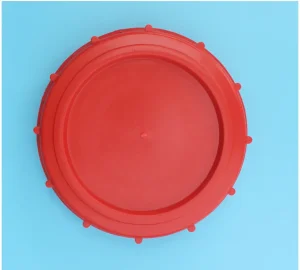
Boston Heavy-Duty 50L Industrial Plastic Barrel Lid
View Product Details
75L-100L Medium Volume IBC Tank Plastic Cap
View Product Details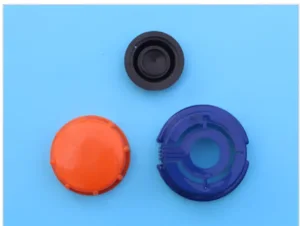
Anti-Theft Tamper-Proof IBC Security Lock Clasp
View Product Details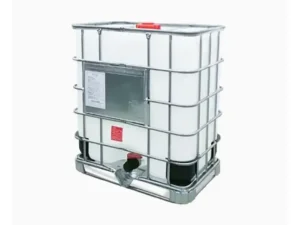
500L Vertical Compact IBC Tote for Space-Constrained Labs
View Product Details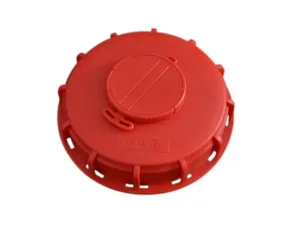
Industrial Vented Red Protection Lid for Chemical Totes
View Product Details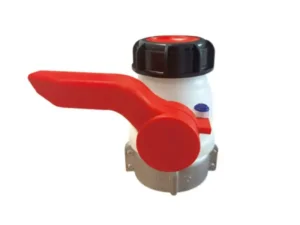
DN50 Stainless Camlock Quick Connect Valve System
View Product Details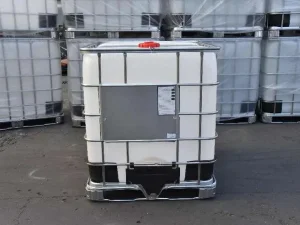
1000L Heavy-Duty UN-Certified Liquid Container Assembly
View Product DetailsOptimize Your Liquid Packaging Supply Chain Today
Whether you require standard DN150 replacement lids, specialized vented covers, or custom OEM mold tooling delivered directly to your Boston facility, our engineering team is ready to assist.