
Algeria-Optimized IBC Tank Fittings & Closures
High-demand replacement parts and flow control valves engineered to withstand North African ambient thermal cycles and corrosive fluid media.
1. Strategic Overview: Supply Chain Integration for Intermediate Bulk Containers (IBC) in Algeria
The People's Democratic Republic of Algeria represents the economic powerhouse of North Africa, driven by rapid industrialization, massive energy sector modernization, and a expanding agricultural infrastructure. As Algerian enterprises scale production across key industrial centers—including the hydrocarbon hubs of Hassi Messaoud, Skikda, and Arzew, as well as the manufacturing corridors of Algiers, Oran, Blida, and Bejaia—the demand for secure, standardized, and high-performance fluid packaging solutions has escalated dramatically.
Intermediate Bulk Containers (1000-Liter IBC totes) form the back-bone of liquid chemical distribution, petroleum refining additives, agricultural formulations, edible oil transport, and water treatment operations throughout the region. However, maintaining the integrity of these industrial containers under extreme Saharan ambient conditions requires specialized engineering. China's premier IBC tank fittings factories provide the key bridge: offering high-precision, UN-compliant polymer and stainless steel components tailored specifically for North African operational environments.
1.1 Localized Environmental & Operational Challenges in Algeria
Deploying liquid logistics infrastructure in Algeria exposes container components to stress factors rarely encountered in temperate zones. Chinese IBC component manufacturers serving Algerian importers engineering solutions designed around five critical environmental realities:
- Extreme Thermal Cycles & Internal Vapor Pressure: Saharan ambient temperatures routinely top 48°C, pushing internal tote liquid temperatures past 60°C. Without high-efficiency automatic pressure relief valves (breathable lids), thermal expansion leads to dangerous sidewall bulging, cage deformation, or catastrophic rupture.
- Particulate & Sandstorm (Sirocco) Infiltration: Fine desert silica dust causes severe micro-abrasion on standard EPDM gaskets and valve ball seals. Chinese factories engineering for Algeria utilize dual-stage dust caps, fluorosilicone seals, and secondary anti-abrasion ring barriers.
- Corrosive Chemical Resistance: Algeria’s oil refining (SONATRACH sub-contractors) and water desalination plants utilize aggressive dosing agents, including concentrated sodium hypochlorite, sulfuric acid, and aromatic hydrocarbon blends requiring specialty PTFE (Teflon) and Viton (FKM) valve seals.
- Long-Distance Multimodal Transport Stress: Moving freight from port cities like Bejaia or Oran deep into southern oilfields via rugged road networks requires reinforced structural crossbeams, high-tensile steel cages, and shock-resistant valve bodies to absorb high-frequency vibrations.
Information Gain Insights for Algerian Procurement Officers
Standard European replacement fittings often suffer from high procurement lead times and inflated costs. China's top-tier manufacturers offer identical thread pitch specs (S60x6 coarse thread, S100x8 heavy thread, and 2-inch Camlock interfaces) engineered from virgin High-Density Polyethylene (HDPE 5502BN) with added carbon-black UV stabilizers—delivering 300% longer service life in high-radiation zones at 40% lower landed costs.
2. Global Market Dynamics & China’s Industrial Manufacturing Dominance
The global market for Intermediate Bulk Containers is projected to exceed USD 13.5 Billion by 2030, driven by the phase-out of traditional 220-liter steel drums in favor of cube-optimized 1000-liter totes. A single standard 40-foot sea container can accommodate 42 rigid IBC totes (42,000 liters of product capacity), compared to only 80 individual drums (17,600 liters capacity), representing a 138% payload efficiency gain for trans-Mediterranean shipping routes between China, Europe, and North Africa.
2.1 Advanced Injection Molding & Tooling Precision
Leading Chinese IBC fitting suppliers operate state-of-the-art manufacturing hubs primarily centered in Shandong, Zhejiang, and Jiangsu provinces. Utilizing 800-ton to 1600-ton computer-controlled injection molding presses, these facilities maintain precision machining tolerances down to 0.005 mm. This precision guarantees absolute concentricity in valve ball mechanisms and perfect thread engagement with standard blow-molded HDPE tote bottles.
Virgin Material Purity
100% Prime Blow-Molding Grade HDPE (PE100/5502BN) ensuring resistance to stress cracking (ESCR) and full FDA food-contact compliance.
Automated Ultrasonic Welding
Seamless fusion of inner valve sleeves to outer polypropylene housings, eliminating leak points without chemical adhesives.
Hydrostatic Leak Testing
100% pneumatic bubble-testing at 0.5 bar pressure on every butterfly and ball valve prior to packaging and sea-freight loading.
3. Technical Compatibility Matrix & Material Engineering
Selecting the correct polymer compound and sealing gasket is critical for safety and zero-leakage operation. The table below outlines material selection standards optimized for Algerian industrial purchasing agents:
| Component Type | Material Specification | Chemical Compatibility | Temperature Range | Typical Algerian Application |
|---|---|---|---|---|
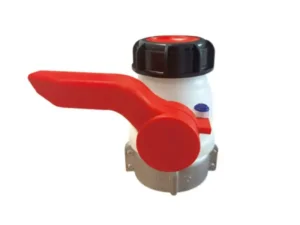
| DN50 / DN80 Butterfly Valve | HDPE Body + PE/PP Disc | Weak acids, alkalis, aqueous solutions, fertilizers | -20°C to +70°C | Agricultural agro-chemicals, Mitidja plain irrigation |
| Camlock Quick-Connect Valve | 316 Stainless Steel / Glass-Filled PP | Petroleum derivatives, aromatic solvents, crude oils | -40°C to +120°C | Hassi Messaoud Oilfield additives & refining chemicals |
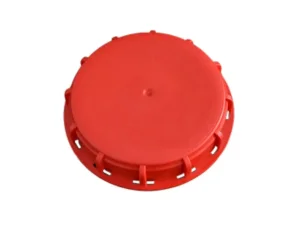
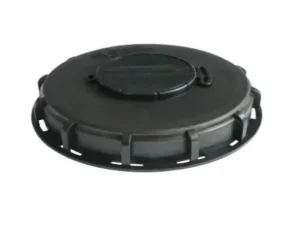
| Breathable Top Cover Cap | HDPE + ePTFE Venting Membrane | Off-gassing liquids, hydrogen peroxide, organic acids | -30°C to +80°C | Sahara transport prevent-vacuum & pressure buildup |
| Heavy-Duty Sealing Gasket | Viton (FKM) / Food-Grade Silicone / EPDM | Fuels, aggressive hydrocarbons, edible oils, olive oil | -25°C to +200°C | Export-grade olive oil (Mascara/Kabylie) & lubricants |
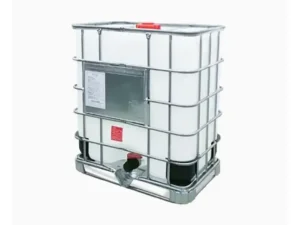
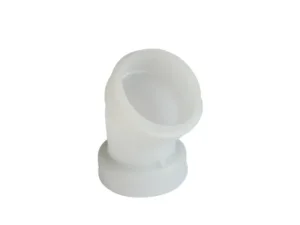
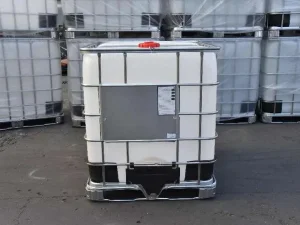
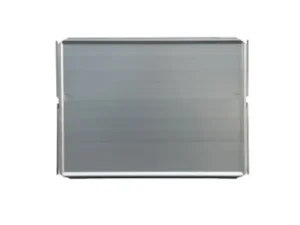
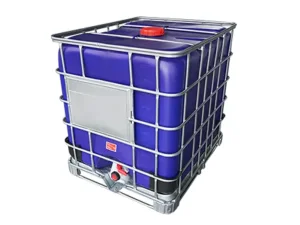
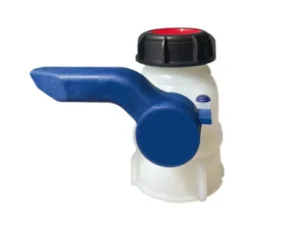
Industrial IBC Containers, Pipes & Custom Accessories
Factory-direct bulk inventory ready for rapid shipping from China to major Algerian ports (Algiers, Oran, Skikda, Bejaia).
4. Localized Sector Applications across Algeria’s Key Growth Industries
4.1 Upstream Hydrocarbon & Downstream Petrochemical Logistics
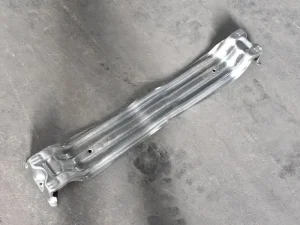
In the southern desert energy sectors centered around Hassi Messaoud, Rhourde El Baguel, and Hassi R'Mel, bulk container components must withstand continuous exposure to drilling fluid additives, scale inhibitors, acidizing solvents, and demulsifiers. Chinese factories supply specialized stainless steel nameplates, heavy-duty transom support bars, and Viton-sealed DN50 Camlock valves that prevent environmental leakage into delicate desert aquifers—fulfilling SONATRACH’s stringent HSE (Health, Safety, Environment) mandates.
4.2 Agricultural Processing & Olive Oil Export Expansion
Algeria is rapidly increasing its global agricultural footprint, specifically in Mediterranean olive oil exports from Kabylie and northern agricultural valleys, alongside liquid fertilizer distribution in the Mitidja plain. For edible liquids, Chinese OEM suppliers deliver FDA/EU 10/2011 food-grade certified IBC lids and butterfly valves. These components prevent oxidative rancidity during maritime transit across the Mediterranean to Southern European entry ports.
4.3 Municipal Water Treatment & Desalination Additives
With major seawater desalination plants operating along Algeria's 1,200 km coastline (including stations at Tipaza, Oran, and Cap Djinet), large volumes of water treatment chemicals (coagulants, anti-scalants, chlorine solutions) require continuous replenishment. Opaque, UV-resistant black IBC containers and heavy-duty replacement guide pipes supplied from China provide zero-algae growth containment during long-term storage in high-radiation coastal storage yards.
5. Sustainable Packaging Trends: The Circular Economy & Reconditioning Loop in Algeria
As sustainability regulations tighten globally, Algerian industrial enterprises are transitioning from single-use packaging to closed-loop IBC reconditioning workflows. Reconditioners in Algiers and Oran collect spent totes, perform automated high-pressure interior wash cycles, and replace worn discharge valves and top caps with fresh, factory-direct components from China.
Replacing only the valve, gasket, and lid assembly—rather than discarding the entire inner bottle and steel frame—reduces container lifecycle costs by over 65% while slashing corporate carbon footprints. Chinese manufacturers support this circular economy by supplying perfectly fitted replacement parts compatible with major global tote brands (Schütz, Mauser, Greif, and Werit).
Frequently Asked Questions for Algerian Importers
Direct expert answers regarding technical compatibility, shipping logistics, customs documentation, and OEM customization.
What are the primary IBC valve thread standards used for Algerian imports?
How do Chinese IBC factories ensure component survival in Saharan heat?
What export documents are required for shipping IBC components from China to Algerian ports?
Can Chinese factories produce custom-branded IBC lids and nameplates for local Algerian distributors?
What is the typical shipping lead time from Chinese factories to Algiers or Oran ports?
How do I choose between EPDM, Viton, and PTFE seals for industrial chemicals?
Accelerate Your Algerian Fluid Logistics Infrastructure
Partner directly with China’s leading IBC fittings manufacturer. Request instant factory-direct pricing, technical drawings, and complimentary sample kits for evaluation.