
Featured IBC Totes & Fluid Handling Components
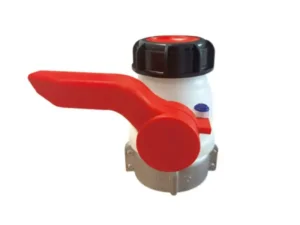
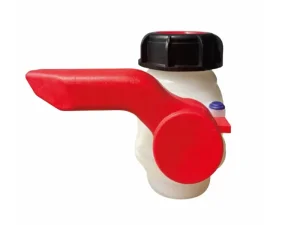
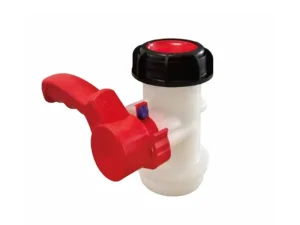
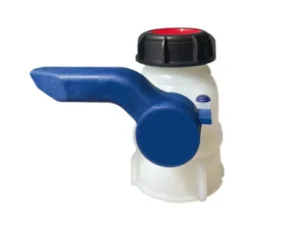
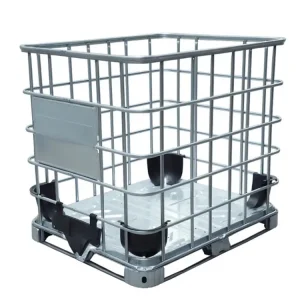
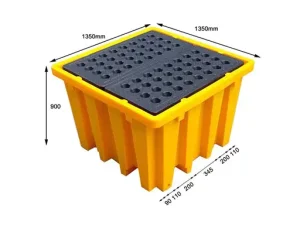
Explore top-tier replacement valves, reconditioned IBC containers, and heavy-duty industrial spill containment accessories manufactured to UN and ISO global standards.
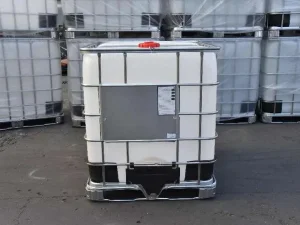
Executive Summary: The Evolution of Used & Reconditioned IBC Tanks
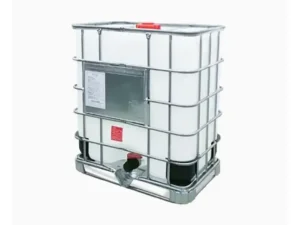
In global supply chain management, Intermediate Bulk Containers (IBCs)—commonly referred to as IBC totes, IBC tanks, or 1000L bulk packaging—represent the standard workhorse for liquid chemical, ingredient, and raw material logistics. As corporate ESG (Environmental, Social, and Governance) targets tighten and Total Cost of Ownership (TCO) optimization becomes paramount, sourcing wholesale used IBC tanks, rebottled units, and engineered replacement components has transitioned from a fringe cost-cutting tactic to a cornerstone industrial strategy.
A common misconception among procurement officers is that a "used IBC tank" represents an unverified, secondary container with structural risks. Modern manufacturing and reconditioning processes engineered by premier Chinese factories have rendered this view obsolete. Today’s industrial ecosystem differentiates between three distinct bulk packaging tiers:
1. Washing-Grade Reconditioned IBCs
Original HDPE bottles washed via automated high-pressure ultrasonic caustic lines, passivated, leak-tested, and paired with re-galvanized tubular steel cages. Ideal for industrial non-hazardous applications, construction water, and effluent management.
2. Rebottled (Cross-Hybrid) IBCs
Features a 100% brand-new blow-molded High-Density Polyethylene (HDPE) inner bottle fitted inside an inspected, refurbished, and structural-integrity-certified used steel cage. Provides 100% purity assurance for sensitive chemicals at 30-40% lower cost than full-new units.
3. UN-Certified Remanufactured Totes
Fully certified under UN 31HA1/Y packaging regulations for hazardous material transport. Undergoes hydrostatic pressure testing, drop impact testing, and valve seal verification prior to global export shipping.
Why Overseas Enterprise Procurement Prefers Chinese IBC Manufacturers
China's chemical packaging and plastic injection molding clusters, centered in provinces like Shandong, have evolved into global hubs of advanced IBC tote manufacturing, spare parts production, and reconditioning machinery engineering.
Full Vertical Integration & Tooling
Leading Chinese facilities house dedicated mold-making centers capable of machining mold tolerances up to 0.005 mm. From blow-molding 1000-liter virgin HDPE bottles to casting stainless steel DN50/DN80 butterfly valves and stamping steel corner guards, complete supply-chain integration eliminates third-party component markups.
Advanced Polymer Resin Formulations
Chinese manufacturers utilize high-molecular-weight HDPE (HMW-HDPE) blended with specialized UV-stabilizer additives and carbon black barrier layers. This prevents environmental stress cracking (ESCR) and photo-degradation during prolonged outdoor storage in high-UV overseas regions.
Optimized Freight & Knock-Down Packaging
To overcome international freight costs, suppliers offer SKD (Semi-Knocked Down) and CKD (Completely Knocked Down) shipping configurations. Stacking nestable inner bottles, collapsed steel cages, and pre-assembled valve sets maximizes container space, doubling unit capacity per 40ft High Cube container.
A professionally rebottled IBC tank—utilizing a factory-fresh HDPE inner container paired with a structural integrity-tested recycled galvanized cage—delivers identical burst pressure parameters, tensile strength, and chemical resistance as a 100% newly fabricated unit, while shaving up to 45% off capital procurement expenditure.
Technical Comparison: New vs. Rebottled vs. Washed Used IBCs
Understand performance characteristics, certification parameters, and optimal use cases across different container classifications.
| Evaluation Parameter | Brand-New IBC Container | Rebottled IBC (New Bottle + Refurbished Cage) | Washed Used IBC (Cleaned Bottle & Cage) |
|---|---|---|---|
| Cost Profile (% of New) | 100% Base Cost | 60% - 70% of Base | 40% - 50% of Base |
| Inner Bottle Material | 100% Virgin HMW-HDPE | 100% Virgin HMW-HDPE | Cleaned Prior-Use HDPE |
| UN Dangerous Goods Rating | UN 31HA1/Y Standard | UN Certified Available | Non-UN / Industrial Grade |
| Food-Grade Compatibility | FDA / EC 1935/2004 Compliant | FDA Compliant Options | Not Recommended for Food |
| Carbon Footprint Impact | Baseline Carbon Emission | ~55% Carbon Reduction | ~80% Carbon Reduction |
| Expected Service Life | 5 - 8 Years Cycle | 5 - 8 Years Cycle | 2 - 4 Years Cycle |
| Recommended Applications | High-purity pharma, food ingredients, hazardous chemicals | Agrochemicals, paints, lubricants, industrial liquids | Wastewater, dust suppression, non-critical chemicals |
Global Industry Trends: ESG, Circular Economy, and Packaging Decarbonization
The international bulk packaging industry is experiencing a seismic shift driven by regulatory mandates, corporate carbon-neutrality pledges, and fluctuating petrochemical feedstock prices. Global chemical producers are actively restructuring their packaging fleets around closed-loop sustainability models.
Scope 3 Emissions Decarbonization
Under the Greenhouse Gas (GHG) Protocol, corporate Scope 3 emissions encompass upstream and downstream supply chain activities. Utilizing reconditioned and rebottled IBC tanks significantly lowers the embodied carbon footprint of incoming raw materials and outbound finished products, helping companies achieve ISO 14064 compliance.
EPR Regulations & Extended Producer Responsibility
Governments across Europe, North America, and East Asia are enforcing Extended Producer Responsibility (EPR) laws. Chemical distributors are legally required to establish return-and-reuse networks for single-use containers. Wholesale used IBC suppliers provide the critical reconditioning infrastructure needed to close this loop.
Recycled Polymer Integration (PCR)
Innovations in multi-layer co-extrusion technology allow factories to manufacture outer layers incorporating Post-Consumer Recycled (PCR) HDPE, while maintaining an inner virgin HDPE contact layer. This hybrid engineering maintains UN pressure ratings while maximizing circular plastic utilization.
Localized Application Scenarios & Sector-Specific Solutions
From chemical synthesis facilities in Europe to agricultural irrigation networks in South America, engineered IBC containers serve diverse operational environments.
Petrochemical & Industrial Solvents
Requires high chemical stability and explosion-proof static grounding systems. Rebottled IBC totes equipped with fluorinated (Flour-Inlined) HDPE inner bottles and anti-static outer coatings prevent solvent permeation, static charge accumulation, and vapor leakage.
Agrochemicals & Bulk Liquid Fertilizers
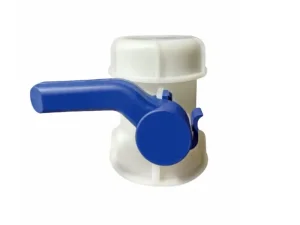
Agricultural distributors demand cost-effective bulk storage that withstands harsh field conditions. Reconditioned steel cage IBCs fitted with DN50 high-flow ball valves or integrated butterfly valves enable rapid transfer of liquid NPK fertilizers, pesticides, and soil conditioners.
Wastewater Treatment & Flocculants
Municipal and industrial effluent treatment plants utilize large quantities of coagulants, ferric chloride, and polyacrylamide. Washing-grade used IBC tanks paired with heavy-duty spill containment pallets offer an economical, secondary-containment compliant liquid handling solution.
Construction Chemicals & Concrete Admixtures
Concrete mixing batching plants move superplasticizers and accelerators directly to jobsites. Durable composite-pallet or steel-pallet IBC totes withstand rough site handling, crane lifting, and frequent truck transport.
Macro Industry Solutions: Rigorous Factory Quality Control Protocols
To eliminate risks of containment failure, professional manufacturers execute rigorous quality assurance programs across every stage of tote production, valve casting, and cage reconditioning.
1. Pneumatic & Hydrostatic Leak Testing
Every inner bottle is submerged or pressurized with air up to 100 kPa (15 PSI) for a minimum holding duration. Automated sensors detect micro-porosity, weld-seam weakness, or neck thread deformation, guaranteeing zero leakage.
2. Drop Impact & Stacking Load Analysis
Containers undergo cold-temperature (-18°C) drop tests from heights of up to 1.9 meters filled with water-antifreeze mixtures. Top-load compression testing ensures stable 3-high stacking capability in warehouse racking.
3. Valve Seal & Gasket Compatibility Verification
Discharge valves (DN50 butterfly or ball valves) are outfitted with application-specific elastomers. Buyers can select EPDM for general chemicals, Viton (FKM) for aggressive acids/solvents, or PTFE (Teflon) for maximum universal resistance.
4. Cage Weld Inspection & Galvanization Audit
Refurbished steel grid frames undergo ultrasonic flaw detection on structural joints. Zinc galvanization coating thickness is measured with magnetic meters to ensure rust resistance during maritime shipping.
Global B2B Sourcing Guide: How to Select a Reliable IBC Supplier
When evaluating overseas IBC tote manufacturers and used tank reconditioners, procurement teams should follow a structured verification checklist to safeguard product safety and continuity of supply.
Supplier Audit Checklist for International Buyers
- UN Certification Authenticity: Request valid UN dangerous goods packaging test certificates issued by recognized testing bodies (such as CCS, TÜV, or Bureau Veritas).
- HDPE Resin Traceability: Verify whether inner bottles use 100% prime virgin HMW-HDPE (e.g., Sabic 5621, Total 5502) or blended post-industrial regrind.
- Valve Thread Standard Compatibility: Ensure discharge outlet threads match your regional coupling systems (e.g., S60x6 buttress thread, 2" NPT male thread, or Camlock quick-connects).
- Pallet Base Selection: Match base material to warehouse handling equipment: Steel pallets (heavy duty, fire resistant), Plastic pallets (washable, chemical resistant), or Aluminum base frames (lightweight, zero rust).
- Customization Capabilities: Check for custom lid venting options (breathable pressure-relief caps vs. hermetic sealing lids) and custom nameplate engraving for fleet identification.
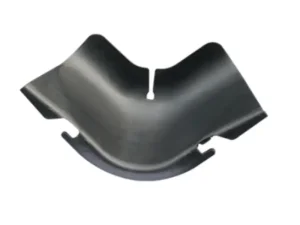
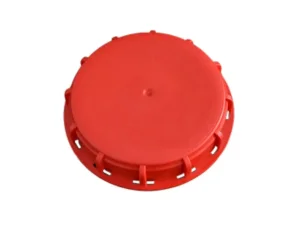
Industrial Valves, Tanks & Protective Accessories
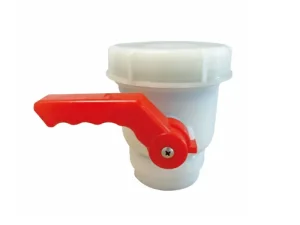
Complete your bulk liquid storage system with factory-direct high-flow valves, protective corner guards, and specialized tote configurations.
Frequently Asked Questions (FAQ)
Expert answers to standard B2B procurement, engineering, and compliance questions regarding used IBC tanks and replacement components.