
High-Performance Non-UN IBC Tanks & Engineered Fittings
Direct factory supply of precision-molded components, specialized lids, heavy-duty valves, and 500L-1000L tote assemblies optimized for non-hazardous industrial bulk logistics.
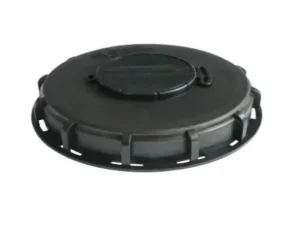
China Heavy-Duty IBC Tank Lid - Black Breathable Cover for Factory Use
View Specs
Wholesale Durable IBC DN50 Valve Guide Pipe for Efficient Liquid Transfer
View Specs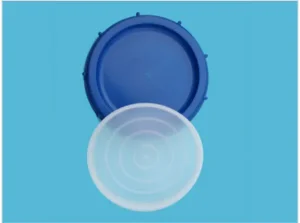
China 445mm Special-Shaped Chemical Drum Cap with 400mm Inner Core
View Specs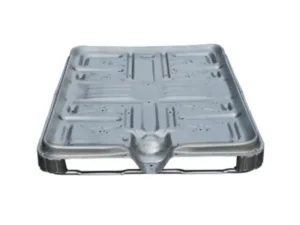
China Lightweight Aluminum IBC Container Base - Durable Rust-Proof Solution
View Specs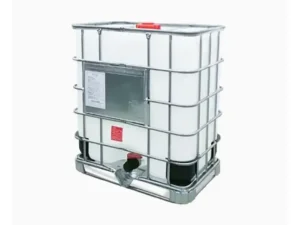
Wholesale 500L Vertical IBC Tank - Durable Liquid Storage Container
View Specs
Wholesale Lightweight Aluminum Pallet Base for IBC Containers
View Specs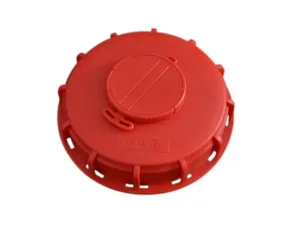
Wholesale China IBC Red Breathable Cover - Durable Protection for Totes
View Specs
Wholesale 355mm Plastic Drum Cap with Pull Ring for 30L-50L Totes
View SpecsDefining Un Certified IBC Tanks: Structural Engineering vs. Regulatory Framing
Deconstructing the technical, chemical, and economic boundaries between UN-certified hazardous media containers and engineered Non-UN bulk storage solutions.
In global liquid packaging logistics, Intermediate Bulk Containers (IBCs) are structurally divided into two major operational classifications: UN-Certified Totes (certified under United Nations dangerous goods regulations for Packing Groups I, II, and III) and Non-UN Certified (Un Certified) IBC Tanks. Procurement managers and chemical engineers often encounter semantic ambiguity around the phrase "Un Certified IBC Tank". In commercial procurement intent, this term overwhelmingly designates engineering-grade, non-hazardous liquid containers that forgo costly UN testing overheads while maintaining identical mechanical robustness, chemical resistance, and stackability metrics.
Choosing between UN-certified and non-UN certified tanks requires evaluating fluid toxicity, vapor pressure, transport jurisdiction, and lifecycle cost economics. Non-UN IBC tanks are not sub-standard containers; rather, they are engineered specifically for high-density, non-hazardous industrial fluids where paying a premium for UN transport certification represents an unnecessary operational expense.
Polymer Polymerization & HDPE Integrity
Manufactured using High Molecular Weight High-Density Polyethylene (HMW-HDPE) via multi-layer extrusion blow molding. Density ranging from 0.952 to 0.958 g/cm³ delivers exceptional Environmental Stress Crack Resistance (ESCR).
- High tensile strength against hydraulic surge forces
- UV-stabilized matrix (UV8 rating) preventing solar polymer degradation
- Smooth inner bottle walls preventing batch contamination
Structural Steel Grid Architecture
Outer containment frames constructed from tubular galvanized steel profiles welded in automated robot-mesh cells. Designed to distribute vertical compressive forces during multi-tier warehouse stacking.
- Hot-dip galvanized zinc coating for corrosion resistance
- Integrated corner protectors to absorb transit impacts
- Optimized frame geometry supporting 2-high dynamic loading
Pallet Base & Ergonomic Handling
Modular base options engineered for 4-way forklift and pallet jack entry. Available in heavy-duty galvanized steel, ultra-light rust-proof aluminum, or high-impact molded composite plastics.
- 4-way fork slot entry speeds up warehouse staging
- Drainage slope channels fluid towards bottom discharge outlet
- Compatible with standardized ISO sea container dimensions
Engineering Insight: Environmental Stress Crack Resistance (ESCR)
Environmental stress cracking is the primary breakdown mechanism in industrial polyethylenes exposed to surfactants, oils, and active chemical solutions. Non-UN IBC tanks manufactured by leading Chinese suppliers utilize resin compounds subjected to ASTM D1693 ESCR testing, verifying 1,000+ hours of continuous exposure resistance under mechanical stress without micro-fracturing.
China's Manufacturing Supremacy in Non-UN IBC Container Engineering
How Shandong's advanced industrial hubs, vertically integrated resin-to-assembly ecosystems, and precision mold technology lower total procurement expenditure for international buyers.
China has firmly established itself as the global manufacturing center for industrial bulk containment systems. Concentrated industrial clusters—such as those in Linyi City, Shandong Province—combine resin compounders, precision mold-makers, automated blow-molding equipment manufacturers, and steel tube fabricators within tight geographic proximity. This vertical integration allows suppliers to offer unmatched cost-efficiencies and custom design capabilities for non-UN IBC containers.
Automated High-Capacity Blow Molding
Modern Chinese factories utilize accumulator-head blow molding machines capable of extruding single-parison 1000-liter bottles in under 120 seconds. Closed-loop wall thickness control systems monitor plastic distribution in real time, ensuring consistent strength across structural stress points.
This automated precision prevents thin spots at bottle corners, ensuring hydrostatic rupture strength far exceeds standard operating pressures.
Tooling Precision & In-House Customization
With localized tooling design teams operating CNC machining equipment with tolerances down to 0.005 mm, Chinese manufacturers can prototype and mass-produce customized lid closures, DN50/DN80 discharge valves, and specialized adapters in fraction of typical lead times.
OEM buyers receive custom logos, color-coded components (such as red breathable covers or UV-proof blue bottles), and bespoke thread pitches tailored to their regional handling systems.
Total Cost of Ownership (TCO) & Sourcing Optimization
Comparative technical metrics: How matching containment regulatory specs to chemical volatility yields massive long-term operational savings.
A frequent error in global procurement is over-specifying containers for non-hazardous materials. Procuring UN-rated totes for non-dangerous liquids—such as food-grade syrup, agricultural surfactants, or water-based paints—can needlessly inflate unit packaging costs by 20% to 40%. Non-UN certified tanks utilize identical HMW-HDPE virgin resins and heavy-duty steel cages, eliminating only the bureaucratic certification fee structure and destructive drop-test overheads unnecessary for stable fluids.
| Engineering Specification | UN-Certified IBC Tank | Non-UN Certified (Un Certified) IBC | Procurement Impact |
|---|---|---|---|
| Primary Fluid Scope | Hazardous Chemicals (Class 3, 6.1, 8, 9) | Non-Hazardous Liquids, Water, Agri-Oils | Tailored Compliance |
| Resin Grade | HMW-HDPE Virgin Resin | HMW-HDPE Virgin / Tech Recycled Options | Flexible Material Selection |
| Hydrostatic Test Rating | 100 kPa – 200 kPa Verified | 100 kPa Hydrostatic Resistant Design | Equivalent Burst Protection |
| Drop Test Verification | 1.9m Free-Fall Frozen (-18°C) Test | Standard Factory Impact Tested | Reduced Testing Surcharge |
| Average Unit Cost Index | 135% – 150% (Baseline Premium) | 100% (Baseline Cost Structure) | 25% – 35% Direct Savings |
| Re-usability & Closed-Loop | Strict Recertification Timelines | Simplified On-Site Wash & Reuse | Lower Maintenance Overhead |
By shifting non-hazardous inventory lines to non-UN certified IBC tanks, industrial firms free up capital while maintaining reliable container integrity during transport and long-term storage.
Localized Application Scenarios & Global Industry Use Cases
Versatile fluid containment solutions deployed across agricultural, chemical processing, construction, and municipal infrastructure projects.
Agricultural Nutrients & Liquid Fertilizers
Ideal for bulk delivery of liquid NPK blends, amino acid biostimulants, and non-hazardous pesticides. Equipped with breathable red/black vented lids to balance internal headspace pressure caused by temperature fluctuations during field storage.
Construction Chemicals & Admixtures
Widely used for concrete superplasticizers, retarders, and curing compounds. The heavy-duty DN50/DN80 butterfly valves ensure fast, clean dispensing directly into ready-mix batching plants without leakage or clogging.
Industrial Lubricants & Processing Oils
Durable HMW-HDPE bottles resist hydrocarbon softening. They provide reliable bulk containment for hydraulic oils, metalworking fluids, transformer oils, and biodegradable greases across automated manufacturing plants.
Water Treatment & Non-Potable Greywater
Deployed in municipal wastewater treatment facilities for coagulants, flocculants, and anti-foaming agents. Also extensively repurposed in remote commercial irrigation and aquaponics setups.
Food-Grade Liquid Bulk Logistics
Manufactured using virgin FDA-compliant resins under strict hygiene protocols, providing cost-effective shipping containers for vegetable oils, corn syrup, fruit juices, and food-grade additives.
Customized OEM Liquid Packaging Loops
Configured with branded stainless steel nameplates, custom valve dust caps, and specialized color coding to support closed-loop returnable container systems for commercial chemical distributors.
Localized Technical Support, OEM Customization & Export Quality Guarantees
Comprehensive engineering services: From prototype tooling to multi-container logistics optimization, supporting smooth import compliance for global buyers.
Importing bulk industrial containers requires consistent manufacturing quality and reliable international logistics support. Leading Chinese non-UN IBC manufacturers offer streamlined OEM/ODM customization alongside complete export compliance assistance.
Custom OEM/ODM Engineering Scope
From custom bottle pigments (such as UV-resistant cobalt blue) to specialized discharge adapters, complete component customization is supported:
- Valve Gasket Options: EPDM, NBR, Viton (FKM), and PTFE (Teflon) seals matched to your fluid compatibility matrix.
- Top Lid Venting: Solid sealing covers for leak prevention, or auto-venting breathable caps to handle gas-releasing media.
- Custom Branding: Laser-engraved stainless steel nameplates for batch tracking, serial numbers, and corporate logos.
Export Logistics & Container Optimization
Maximizing ocean freight capacity directly reduces per-unit shipping costs. Export logistics support includes:
- Knock-Down (CKD/SKD) Shipping: Shipping nested bottle shells, steel frames, and pallet bases separately to fit up to 2.5x more units per 40ft High Cube container.
- Rapid Assembly Support: Standardized frame fasteners allow rapid on-site container assembly using basic tools.
- Export Documentation: Complete Bill of Lading, Certificate of Origin, ISO 9001 quality audits, and MSDS chemical compatibility sheets.
Industry Trends: Sustainability, Smart IBC Tracking & Circular Economy
How next-generation material science, IoT asset management, and closed-loop recycling are reshaping non-UN bulk packaging technology.
PCR Polymer Blending & ESG Compliance
Leading Chinese manufacturers are integrating Post-Consumer Recycled (PCR) resin into the middle layer of multi-layer extrusion bottles. This reduces carbon footprints by up to 28% while maintaining virgin resin contact on inner walls to preserve chemical purity.
IoT-Enabled Telematics & Smart Nameplates
Non-UN IBC tanks are increasingly integrated with low-power GPS and RFID tracking tags. Procurement managers can monitor tote location, fill levels, temperature, and tilt angles in real time across global supply chains via cloud dashboards.
Lightweighting & Hybrid Base Frames
Advances in structural alloy engineering have introduced ultra-light aluminum and high-impact composite plastic pallet bases. Reducing container tare weight by 8-12 kg per unit increases net payload capacity and lowers transport fuel consumption.
Frequently Asked Questions: Sourcing & Compliance
What is the exact distinction between a UN-certified and a Non-UN (Un Certified) IBC tank?
A UN-certified IBC tank has undergone mandatory regulatory testing—including drop tests, hydraulic pressure tests, and stacking vibration tests—and bears an official UN mark for transporting regulated hazardous dangerous goods (Packing Groups I, II, and III). A Non-UN Certified (or Un Certified) IBC tank is manufactured using similar high-density polyethylene (HMW-HDPE) resins and steel cages, but is intended for non-hazardous industrial liquids (such as agricultural fertilizers, food-grade oils, water treatment chemicals, and concrete admixtures). Sourcing Non-UN tanks eliminates certification surcharges, delivering 25% to 35% cost savings for non-hazardous fluid logistics.
How do I determine whether my fluid requires a breathable lid or a solid sealing cover?
Choose a breathable (vented) lid if your stored liquid releases gas, off-gasses under thermal expansion, or if high-speed pump-off causes vacuum pressure risks inside the bottle. Vented lids feature semi-permeable membranes or one-way valves that equalize headspace pressure while keeping out ambient dirt and contaminants. Choose a solid sealing cover (equipped with an EPDM or Viton gasket) for stable liquids where absolute spill protection, vapor retention, and prevention of oxidation are required during transport.
What container dimensions and valve threads are standard for international logistics compatibility?
Standard 1000-liter IBC tanks measure approximately 1200 mm (Length) x 1000 mm (Width) x 1160 mm (Height), engineered to fit efficiently side-by-side in ISO sea containers and standard freight trailers. Bottom outlet valves typically feature DN50 (2-inch) or DN80 (3-inch) male buttress threads (S60x6 thread pitch). Adapters are readily available to convert S60x6 buttress threads to NPT, Camlock, or BSP hose fittings used across global industrial plants.
Can Chinese factories supply custom colors, logos, and engraved nameplates for OEM buyers?
Yes. Chinese manufacturing facilities specialize in OEM/ODM customization. You can specify custom resin masterbatch colors (e.g., UV-blocking blue or black bottles), custom-molded brand logos on lids and valve handles, and laser-engraved stainless steel identification plates. These nameplates allow batch logging, tracking numbers, and compliance data to remain readable throughout the container's operational lifecycle.
How does pallet base selection (Steel, Plastic, Aluminum) affect container performance?
Each pallet base offers specific operational advantages:
- Galvanized Steel Pallets: Provide maximum structural rigidity, resistance to high temperature deformation, and superior multi-tier stacking stability in heavy industrial environments.
- Plastic Pallets: Impervious to moisture and chemical spills, easily cleaned, and preferred in hygienic processing or wash-down facilities.
- Aluminum Pallets: Offer maximum corrosion resistance combined with lightweight performance, reducing overall tare weight for air or long-distance truck freight.
What lead times and dispatch options are typical for wholesale orders?
Standard non-UN IBC tanks and common replacement parts (such as lids, gaskets, and DN50 valves) are typically maintained in factory stock, allowing dispatch within 3 to 5 business days. Custom colors, specialized mold fabrications, or large-volume OEM production runs generally require a 14 to 21-day manufacturing lead time, backed by full ocean-freight packing, container loading optimization, and export documentation.
Explore Additional Replacement Parts, Frames & Accessories
Maintain your bulk container fleet with direct factory replacements: Heavy-duty support bars, high-flow guide pipes, UV-resistant inner bottles, and precision gaskets.
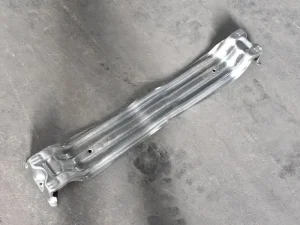
Wholesale Galvanized Steel Crossbeam Transom Support Bar for IBC Tanks
View Specs
Wholesale Galvanized Steel Pipe Replacement for IBC Tank Frame Cage
View Specs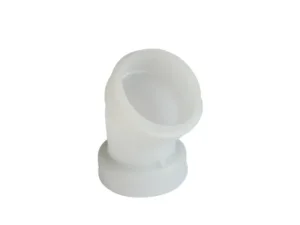
Wholesale Durable DN80 Valve Guide Pipe for High-Flow Liquid Transfer
View Specs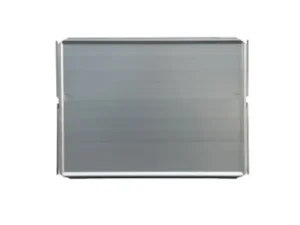
Wholesale Custom Engraved Stainless Steel IBC Tank Nameplates
View Specs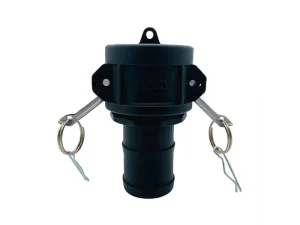
Wholesale Universal Plastic IBC Tank Adapter DN50 DN80 Connector
View Specs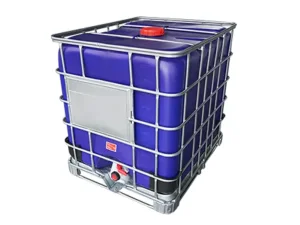
China Factory Blue Light-Proof IBC Tank UV Resistant for Sensitive Liquids
View Specs
China Rubber PTFE Replacement Screw Gasket Sealing Washer for IBC Fittings
View Specs