
Featured Industrial Container & Lid Solutions
Direct factory packaging solutions manufactured under ISO 9001 quality systems for hazardous liquids, chemical reagents, and food-grade storage.
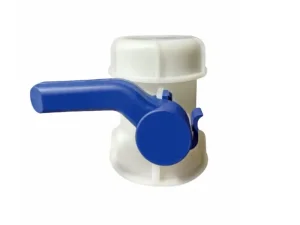
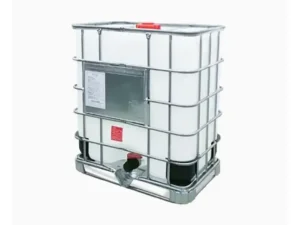
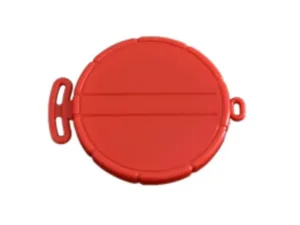
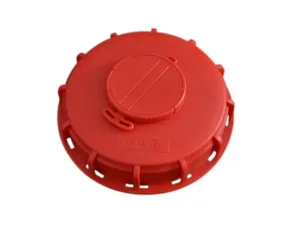
1. Plastic Bucket & Container Lid Technical Specifications Architecture
In high-stakes industrial containment—spanning specialty chemicals, food-grade raw materials, lubricants, and agrochemical formulations—the integrity of the plastic bucket lid or IBC tote closure dictates supply chain safety. Selecting the correct wholesale plastic bucket lid specifications requires a rigorous examination of polymer rheology, thread geometry, venting membrane thermodynamics, and elastomeric gasket seals.
1.1 Polymeric Polymer Selection & Rheological Specifications
The base resin selection forms the foundation of closure reliability. We exclusively utilize 100% High-Density Polyethylene (HDPE grade PE-100 / High Molecular Weight HDPE) optimized for injection molding applications requiring high environmental stress crack resistance (ESCR).
| Physical / Mechanical Parameter | Test Standard | Wholesale Specification Target Value | Industrial Application Significance |
|---|---|---|---|
| Melt Flow Index (MFI 190°C/2.16kg) | ASTM D1238 / ISO 1133 | 0.35 – 0.65 g/10 min | Ensures high melt strength, structural stiffness, and crack resistance during drop impact tests. |
| Density (Base Polymer) | ASTM D1505 / ISO 1183 | 0.952 – 0.958 g/cm³ | Provides superior chemical resistance and impervious barrier against volatile solvents. |
| Tensile Strength at Yield | ASTM D638 / ISO 527 | ≥ 26.5 MPa | Prevents hoop-stress deformation when torqued up to 60 Nm on heavy-duty container neck threads. |
| Flexural Modulus | ASTM D790 / ISO 178 | ≥ 1,250 MPa | Maintains rigid seal face geometry across top-load stacking conditions up to 3-high tote levels. |
| ESCR (Environmental Stress Crack Resistance) | ASTM D1693 (Condition B, 10% Igepal) | > 1,000 Hours (F50) | Eliminates micro-fracturing when exposed to aggressive surfactants, oils, and organophosphates. |
| UV Stabilization Index | ASTM G154 / ISO 4892-2 | UV8 Rating (HALS Tinuvin 770 additive) | Prevents photo-degradation and embrittlement during outdoor storage in high-insolation regions. |
1.2 Precision Thread Configurations & Standardization Matrix
A primary cause of leakage in industrial liquid logistics is thread pitch mismatch between container necks and caps. Dasheng closure solutions are precision-tooled according to stringent international thread profiles:
S160x7 & S245x6 Buttress Threads
Designed for large-aperture 1000L IBC totes and chemical drums. The steep 7° load-bearing tooth angle transfers axial tension directly down the neck wall, allowing maximum clamping pressure without thread stripping or jump-threading.
Fine Thread NPT & BSP Specs
Integrates secondary center bungs (2" NPT or BSP) within 150mm and 225mm plastic lids. Allows seamless insertion of discharge pumps, suction tubes, or pressure relief valves without removing the main container lid cap.
Tamper-Evident Tear-Ring Closures
Utilizes engineered snap-fit retaining teeth combined with a perimeter tear strip. Provides visual authentication for end users, guaranteeing chemical contents have not been diluted, contaminated, or tampered with in transit.
Factory Production Scale & Engineering Precision
2. Global Procurement Trends in Plastic Container Closures
The international market for rigid plastic containers, 5-gallon pails, and intermediate bulk containers (IBCs) is undergoing structural shifts driven by stringent environmental mandates, cross-border dangerous goods regulation, and supply chain automation.
Hazardous Goods Packaging & UN Certification
Multinational chemical manufacturers purchasing bulk bucket lids demand full compliance with UN Dangerous Goods Regulations (UN 31HA1/Y packing groups). Lids must undergo rigid hydrostatic pressure testing up to 100 kPa and dynamic drop impact testing at sub-zero temperatures (-18°C) while maintaining sealing integrity.
- Zero micro-cracking under low-temperature impact trials
- Hydrostatic hold pressure: 100 kPa for 10 minutes minimum
- UN Marking compatibility molded directly into the top cap surface
Food & Pharmaceutical Purity (FDA / EU 10/2011)
Buyers in food processing, dairy, syrup, and pharmaceutical sectors require virgin food-grade resins free of heavy metal catalysts, plasticizers, and phthalates. Manufacturing must take place within dust-free cleanrooms utilizing automated robotic extraction to satisfy HACCP and ISO 22000 audits.
- 100% Virgin HDPE compliant with FDA 21 CFR 177.1520
- Migration testing verified under EU Regulation No 10/2011
- Integrated tamper-evident sanitary seals
3. Gasket Sealing Chemistry & Breathable Venting Solutions
A container lid is only as reliable as its internal elastomeric gasket and pressure equilibration system. Matching chemical compatibility with gasket polymer selection prevents fluid permeation, swelling, and thermal stress relaxation.
| Gasket Material | Hardness (Shore A) | Temperature Range | Chemical Resistance Highlights | Recommended Industry Usage |
|---|---|---|---|---|
| EPDM (Ethylene Propylene) | 65 ± 5 Shore A | -40°C to +120°C | Exceptional resistance to polar solvents, dilute acids, alkalis, and glycol fluids. | General chemical packaging, liquid fertilizers, water-based coatings. |
| Viton / FKM (Fluorocarbon) | 75 ± 5 Shore A | -20°C to +200°C | Outstanding chemical barrier against aromatic hydrocarbons, fuels, acids, and aggressive solvents. | Petrochemicals, solvent distribution, highly hazardous UN chemicals. |
| PTFE-Encapsulated Silicone | 70 ± 5 Shore A | -50°C to +180°C | Zero chemical reactivity across almost all media combined with high elastomeric memory. | Ultra-pure pharmaceutical intermediates, electronic-grade chemicals. |
| SBR / Nitrile (NBR) | 60 ± 5 Shore A | -30°C to +100°C | High grease, vegetable oil, mineral oil, and fuel resistance. | Edible oils, lubricants, food processing, industrial greases. |
3.1 Micro-Porous ePTFE Venting Technology
During long-distance transit across varying altitudes and ambient temperatures, off-gassing liquids (such as hydrogen peroxide, peracetic acid, or concentrated bleach) generate internal container pressure. Conversely, cooling fluids create interior vacuums that collapse container walls.
Dasheng integrates hydrophobic and oleophobic ePTFE (expanded PTFE) breathable membranes into our specialized bucket lids and IBC red/black covers:
Air Permeability Rate
120 – 450 L/hr
Measured at 12 mbar differential pressure, maintaining continuous atmosphere equilibration.
Liquid Entry Pressure (LEP)
> 60 kPa (0.6 bar)
Ensures total liquid barrier under severe transit sloshing and container inversion.
Oleophobic Rating
Grade 8 (AATCC 118)
Prevents low-surface-tension oils and surfactants from clogging the venting pores.
4. Advanced OEM Tooling, Injection Molding & Quality Control
Dasheng operates 3 modern production bases equipped with high-precision CNC machining centers, automated hot-runner injection molding machines (ranging from 150T to 1200T clamping force), and robotic packaging systems.
Sub-Micron Mold Tooling Precision
Our in-house mold shop achieves machining tolerances down to ±0.005 mm. Utilizing Moldflow® thermal and filling simulation software prior to steel cutting eliminates sink marks, weld line weaknesses, and non-uniform shrinkage around thread zones.
- Mold Core / Cavity Steel: Hardened S136 / H13 (HRC 48-52)
- Hot Runner System: Yudo / Mold-Masters multi-gate pin shutdown
- Design Life: > 1,000,000 shots guarantee
Statistical Process Control (SPC & Cpk)
We implement automated vision-inspection systems along our assembly lines. Key dimensional parameters—such as sealing lip flatness, thread major/minor diameters, and gasket groove depths—are continuously sampled.
- Process Capability Index: Cpk ≥ 1.67 across critical dimensions
- 100% Vacuum Differential Leak Testing on Vented Closures
- Full batch traceability via laser-etched matrix codes
5. Industry Roadmap: PCR Circular Resins & Smart Closures
The future of wholesale plastic container closures is defined by circular economy initiatives and digital supply chain visibility. Dasheng is pioneering next-generation packaging engineering:
PCR Polyolefin Integration
Integrating up to 30%–50% Post-Consumer Recycled (PCR) HDPE without compromising drop impact or ESCR properties. Supported by chemical recycling purification processes for non-food chemical applications.
RFID / NFC IoT Smart Lids
Embedding passive RFID and NFC tags into container caps during injection molding. Enables real-time inventory tracking, tamper-detection alerts, and automated batch origin lookup via mobile devices.
Monomaterial Recyclability
Engineering closures where the lid body, retaining ring, and sealing membrane utilize compatible polyolefin grades, eliminating the need for manual component separation prior to industrial recycling.
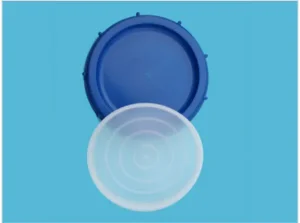
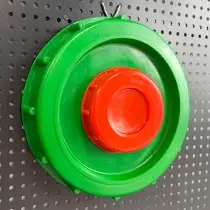
Complete Chemical Drum Caps & IBC Component Solutions
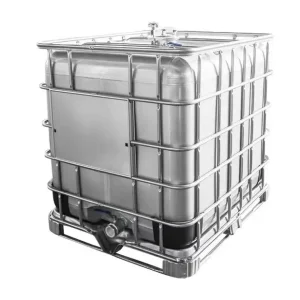
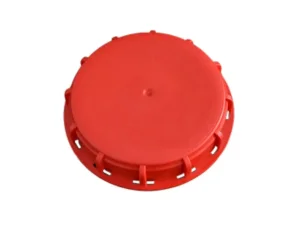
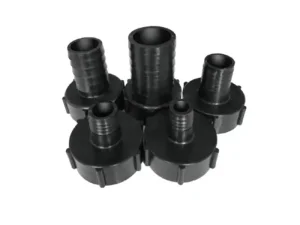
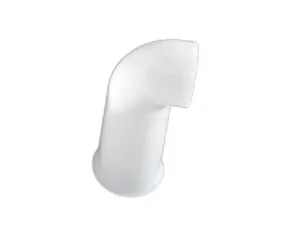
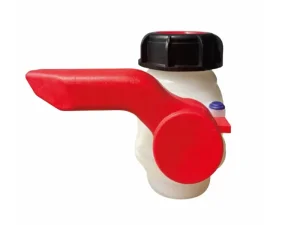
Explore our expanded catalog of special-shaped drum caps, stainless steel tanks, valves, and quick-connect camlock adapters.
Industrial Procurement FAQ: Plastic Bucket Lids & Specifications
Direct technical guidance from our senior engineering team to assist global purchasing managers and packaging operators.
How do I specify the correct thread size (e.g., S160x7 vs S245x6) for wholesale container lid orders?
To ensure exact thread engagement, measure the outer diameter (OD) of the container top neck and the thread pitch (distance between thread peaks):
- S160x7 Thread: Outer diameter approx. 160mm with a 7mm thread pitch. Common on standard European 1000L IBC totes (Schütz, Mauser style).
- S245x6 Thread: Outer diameter approx. 245mm with a 6mm buttress pitch. Used for wide-opening industrial containers requiring rapid filling of high-viscosity liquids or powders.
Dasheng provides technical drawing verification and 3D CAD sample matching prior to tooling or mass dispatch.
What is the functional difference between a breathable vented lid and a solid sealing cap?
Solid Sealing Caps: Feature a continuous elastomeric gasket (EPDM, Viton, or NBR) compressed tightly against the rim. Best suited for stable liquids that do not generate vapor pressure and where zero air ingress is required.
Breathable Vented Lids: Incorporate an expanded polytetrafluoroethylene (ePTFE) micro-porous membrane. This allows air and gases to pass through for interior pressure equalization while preventing liquid leakage under hydrostatic pressure. Vented lids are essential for organic acids, peroxides, and agricultural chemicals that off-gas during transport.
How does resin choice affect low-temperature impact performance during shipping?
Standard polypropylene (PP) lids tend to become brittle below 0°C, increasing the risk of cracking under drop impact or vibration. We utilize high-molecular-weight High-Density Polyethylene (HDPE grade PE-100), which maintains high impact resistance down to -40°C. This ensures full UN compliance during cold-climate sea or road freight.
What torque specifications are recommended for applying wholesale HDPE bucket lids?
Correct application torque prevents seal creep while ensuring leak-tight compression:
- 150mm (DN150) IBC Lids: 50 Nm to 70 Nm (37 – 51.5 ft-lbs) using a calibrated torque wrench.
- 225mm (DN225) IBC Lids: 70 Nm to 90 Nm (51.5 – 66.3 ft-lbs).
- 5-Gallon Plastic Bucket Lids: 18 Nm to 25 Nm depending on gasket Shore hardness.
Can Dasheng customize lid color, molded logos, and secondary port inserts?
Yes. Our in-house mold toolroom provides custom OEM/ODM services including laser-engraved or mold-inserted brand logos, custom masterbatch color matching (RAL/Pantone codes), integrated 2" NPT/BSP bungs, and pre-fitted venting valves tailored to your chemical formulations.
What documentation and certifications accompany your container closures?
All shipments include Material Certificates of Analysis (CoA), ISO 9001 quality audit reports, and compliance documentation for FDA 21 CFR 177.1520 and EU No 10/2011 where applicable. UN performance test certificates can be provided for specific UN-rated closure assemblies.