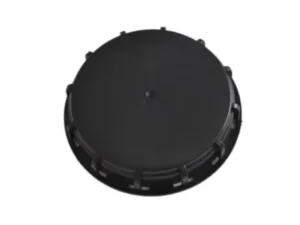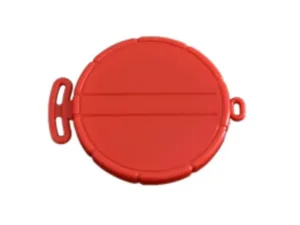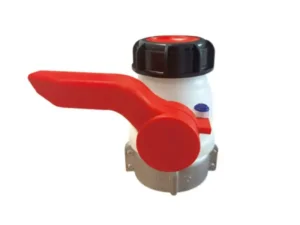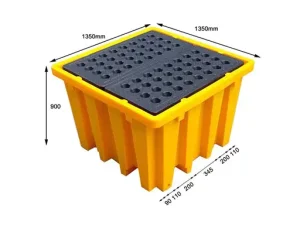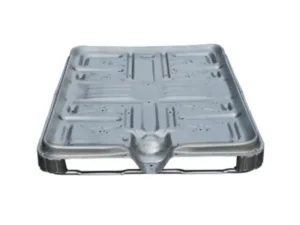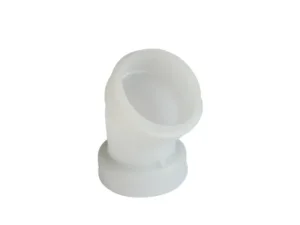
Featured Industrial Containers & Closure Assemblies
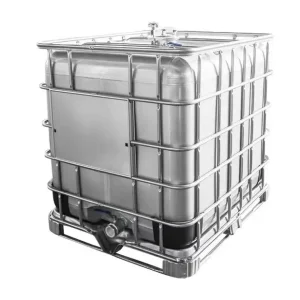
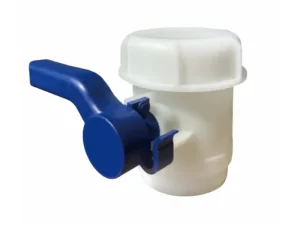
Direct factory supply of high-flow valves, heavy-duty lids, structural frames, and complete bulk liquid storage systems manufactured under ISO9001:2015 precision standards.
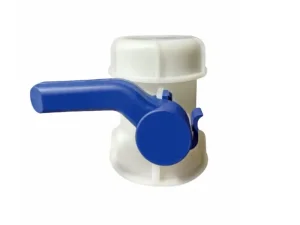
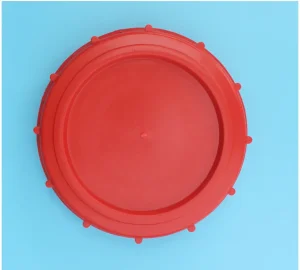
Executive Summary: The Strategic Value of Precision Plastic Bucket Lid Tooling
In modern industrial supply chains, the structural integrity of rigid plastic packaging is heavily governed by the closure mechanism. As global regulations tighten around chemical containment, food hygiene, and safe transport, the global procurement landscape for Wholesale Plastic Bucket Lid Molds has shifted from standard commoditized tooling to ultra-precise, high-cavitation injection systems.
A defective plastic lid mold leads to catastrophic supply chain vulnerabilities: flash formation on sealing threads, ovality deformation under thermal stress, non-uniform gasket compression, and premature failure during standardized UN drop-tests (ISO 16104). Consequently, tier-one manufacturers and industrial buyers are demanding tooling suppliers capable of delivering micron-accurate mould cavities, optimal cooling channel geometry, and multi-cavity hot runner balance.
Global Industrial Demand Drivers
The rapid expansion of the chemical coatings, agricultural pesticides, construction adhesives, and bulk food processing sectors has accelerated the consumption of 5L, 10L, 18L, 20L, and standard 5-gallon pails. Each pail demands a specifically engineered closure system—ranging from tamper-evident tear-strips to integrated pouring spouts and breathable gas-relief valves. Tooling engineers must calculate volumetric shrinkage rates of High-Density Polyethylene (HDPE) and Polypropylene (PP) resins down to 0.001 mm/mm to guarantee hermetic seals.
Risk Mitigation in Closure Manufacturing
Plastic container lids face extreme mechanical stress during automatic stack capping, pallet transport, and long-term storage under heavy load. A precision plastic bucket lid mold must integrate uniform wall-thickness ribs, distortion-free ejection mechanisms, and conformal cooling circuits. Without these advanced tooling attributes, molders experience long cycle times, high scrap rates, and compromised seal pressure under internal liquid surge.
The Structural Edge of Chinese Plastic Lid Tooling Engineering
China has transformed into the world's premier center for complex plastic injection mold manufacturing. By uniting full industrial supply chain clusters with high-end European machining equipment, leading Chinese mold factories offer global buyers superior precision at highly competitive lead times.
1. High-Grade Mold Steels
Quality Chinese mold factories utilize premium tool steel grades including DIN 1.2083, S136, H13, NAK80, and 718H. Core and cavity inserts undergo vacuum heat treatment to achieve 48–52 HRC hardness, resisting chemical corrosion and abrasive pigment wear over millions of molding cycles.
2. Conformal Cooling Design
Utilizing 3D metal printing for conformal cooling channels, Chinese tooling engineers map thermal heat extraction directly matching the bucket lid's contours. This decreases thermal stress, eliminates lid warping, and cuts overall cycle time by up to 25–35%.
3. Hot Runner System Integration
To eliminate runner waste and optimize melt flow, lid molds are engineered with direct needle-valve hot runner systems (Yudo, Husky, or Mold-Masters). This ensures precise multi-cavity balance, clean gate aesthetics, and automated part drop efficiency.
Tooling Parameter Matrix: Standard vs. Advanced Precision Lid Molds
| Technical Feature | Standard Market Mold | High-Efficiency Factory Tooling (China Benchmark) | Performance Benefit |
|---|---|---|---|
| Core & Cavity Steel | P20 / 45# Carbon Steel | S136 Stainless / H13 ESR Hardened (48-52 HRC) | Corrosion resistance & 3x extended tool life |
| Machining Tolerance | ±0.02 mm | ±0.005 mm (High-Speed CNC & Makino EDM) | Zero flash, perfect thread alignment |
| Cooling Technology | Straight-Drilled Baffle Channels | Conformal 3D Printed Cooling Circuits | Uniform cooling, zero warpage, fast cycle |
| Mold Cavitation | Single or 2-Cavity Manual | 4-Cavity / 8-Cavity / 16-Cavity Valve Gate Hot Runner | Massive throughput scaling for global OEMs |
| Ejection Mechanism | Standard Ejector Pins | Air Assist + Stripper Plate Ring Combination | Ejects lids smoothly without rim deformation |
Localized Application Matrix: From Industrial Pails to IBC Closures
Plastic bucket lids are not one-size-fits-all. Different manufacturing sectors require unique mechanical properties, sealing gaskets, and specialized mold structures to handle various fill media under harsh environmental conditions.
Hazardous Chemical & Oil Packaging
Specific Requirement: UN-Certified chemical tightness, pressure relief capabilities, and heavy solvent resistance.
Molds engineered for chemical bucket lids incorporate complex thread profiles to accommodate EPDM or NBR rubber gaskets. Additionally, molders design central vent cavities for automatic integration of PTFE breathable membrane valves to prevent container swelling or vacuum collapse during heat fluctuations.
Food Grade & Dairy Container Lid Tooling
Specific Requirement: Zero contamination, tamper-evident safety strips, and FDA-compliant resin flow.
Lid molds for food packaging (edible oils, ice cream pails, sauce containers) demand polished mirror finishes (SPI A1 polish) and hot runner systems designed with smooth melt channels to prevent resin degradation. The tear-strip mechanism must feature precisely calculated knife-edge cutouts to ensure easy opening while protecting freshness.
Architectural Paints, Coatings & Inks
Specific Requirement: Heavy stacking strength, drop-impact durability, and shaker compatibility.
Paints are subjected to intense mechanical mixing via industrial shakers. Bucket lid molds for paint pails require deep internal reinforcement rib arrays that absorb rotational shear force without cracking. The perimeter double-groove seal holds the rim tightly against high-frequency vibration.
IBC Intermediate Bulk Container Accessories
Specific Requirement: Large diameter (150mm - 225mm) heavy-duty threaded top caps and fill covers.
Large-format injection molds for 1000L IBC tank caps require robust core cooling and high-tonnage hydraulic unscrewing or collapsible core mechanisms to release heavy coarse threads cleanly during molding without damaging pitch tolerances.
Industry Trends: Smart Automation, In-Mold Labeling (IML) & Sustainability
The plastic packaging sector is undergoing a profound digital and ecological transition. Tooling design is expanding beyond basic shape creation into fully integrated, smart manufacturing cells.
In-Mold Labeling (IML) Integration
Modern bucket lid molds are built with high-speed side-entry robotic automation in mind. Metallic or PP labels are inserted directly into the mold cavity before injection. The label and molten plastic fuse together seamlessly, creating a scratch-resistant, 100% recyclable, high-definition decorated lid in a single operation.
PCR Resin Adaptation Tooling
With global ESG policies mandating Post-Consumer Recycled (PCR) plastic content, lid molds must accommodate variations in Melt Flow Index (MFI) and resin shrinkage. Advanced mold factories use adaptive pressure sensors and customized gate geometry to run up to 50%–100% PCR resins without flash or short shots.
2K Co-Injection Gasket Molding
Traditional manually inserted foam gaskets are being replaced by 2K (Two-Component) liquid silicone or TPE co-injection tooling. The mold injects the rigid lid structure and soft sealing ring in a single pass, eliminating secondary manual labor and guaranteeing 100% leak protection.
Enterprise Procurement Guide: Auditing a Plastic Bucket Lid Mold Factory
Procurement directors and packaging engineers must carefully evaluate mold suppliers to avoid high scrap rates and delivery delays. Use this standardized 5-step factory validation checklist when sourcing injection tooling.
Step 1: Verify Machining Infrastructure
Ensure the supplier operates high-end equipment such as 5-axis CNC machining centers (Hass, Roders, or Okuma), mirror EDM, and CMM (Coordinate Measuring Machines). Substandard equipment cannot achieve the tight tolerances required for leak-proof lid threads.
Step 2: Request MoldFlow Analysis Reports
Prior to steel cutting, inspect the supplier's MoldFlow simulation. Check for melt front velocity, weld line positioning, air trap predictions, and volumetric shrinkage. Weld lines must never sit directly across a sealing thread or tear strip.
Step 3: Steel Traceability Certification
Demand original steel certificates from reputable steel makers (e.g., ASSAB, Finkl, or LKM) confirming hardness numbers and ultrasonic flaw detection test results to guard against hollow pockets in core steel.
Step 4: Standardize Spare Components
Insist on standardized mold components (HASCO, DME, or MISUMI standards). This ensures that wear items like ejector pins, guide bushings, and hot runner nozzles can be sourced locally in your home market for quick maintenance.
Step 5: Rigorous T1 Sampling & UN Drop Tests
During T1 mold trials, inspect sample lids using full CMM dimensional scans. Run standardized 3-meter drop tests (filled with liquid at -18°C) and vacuum leak tests before sign-off and mold shipment.
Technical FAQ: Plastic Bucket Lid Mold Engineering & Purchasing
Complete Packaging Components & Heavy-Duty Accessories
Explore our full line of IBC storage accessories, specialized caps, corner protectors, and industrial spill containment pallets available for wholesale order.