
Featured OEM/ODM Industrial Bulk Packaging & Container Components
Explore our factory-direct inventory of high-density polyethylene systems, structural crossbeams, precision liquid valves, and specialized closure mechanisms engineered for chemical, food-grade, and heavy-duty logistics operations.
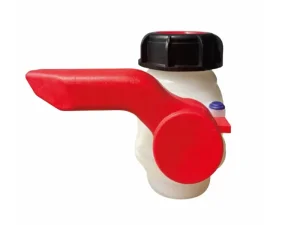
China Heavy Duty Stainless Steel IBC DN50 Welded Ball Valve for Tank Containers - China Suppliers & Factory Solutions Manufacturer, Factories
View Details & Specifications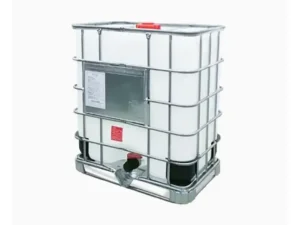
Wholesale 500L Vertical IBC Tank by China Suppliers - Durable Liquid Storage Container from Trusted Factory Suppliers, Factories
View Details & Specifications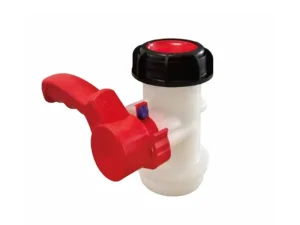
Wholesale China Factory Suppliers IBC DN50 Welded Butterfly Valve for Sanitary Bulk Container Systems with Stainless Steel Suppliers, Factories
View Details & Specifications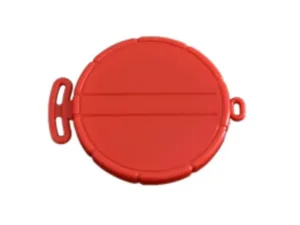
China China Suppliers Factory Stainless Steel IBC Brushed Cover Lid Cap 150mm 225mm for Liquid Protection Manufacturer, Suppliers
View Details & Specifications
Wholesale China Suppliers Factory Stainless Steel Brushed Finish IBC Cover Lid Cap 150mm 225mm - Protective Seal for Containers Factories, Factory
View Details & Specifications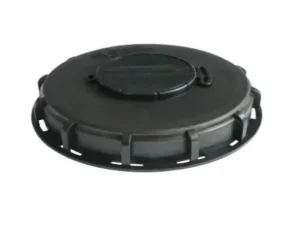
China Heavy-Duty IBC Tank Lid - Durable Black Breathable Cover from China Suppliers and Factory for Maximum Protection Supplier, Factory
View Details & Specifications
Wholesale China IBC DN50 Welded Butterfly Valve - Durable, Sanitary Valve from Trusted Suppliers & Factory for Liquid Transfer Manufacturers, Suppliers
View Details & Specifications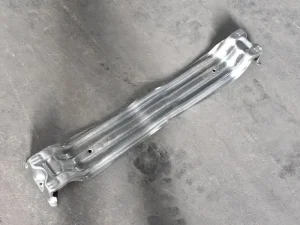
Wholesale China Galvanized Steel Crossbeam Transom Support Bar for IBC Tank Frame - Quality from Leading Suppliers and Factory Manufacturers, Factory
View Details & SpecificationsThe Global Evolution of Wholesale Plastic Bucket & Lid Manufacturing
Navigating polymer physics, precision injection molding, UN hazard compliance, and sustainable supply topologies in high-volume industrial packaging procurement.
In modern B2B supply chains, the humble industrial container has evolved into a highly complex, precision-engineered component. Sourcing from premier wholesale plastic bucket and lid factories requires an acute understanding of resin behavior, hot-runner injection molding tooling, structural rib matrix geometry, and liquid-tight closure integrity. Global enterprises across food processing, petrochemical production, agrochemicals, and architectural coatings can no longer treat pails, drums, and rigid intermediate bulk container (IBC) fittings as commodities. Instead, these components represent critical risk-mitigation vectors against structural failure, chemical permeation, supply chain bottlenecks, and regulatory non-compliance.
The macroeconomic trajectory of the global industrial packaging market is driven by three key factors: escalating environmental regulations, the rapid expansion of international chemical trade, and automated high-speed filling lines. Automated filling environments subject containers to intense operational stresses—ranging from high-pressure liquid dispensing and thermal hot-filling (often exceeding 85°C) to automated palletizing, multi-tier racking, and intermodal transport acceleration. Leading factories are transforming their infrastructure through fully automated robotic cells, real-time vision inspection systems, and advanced co-injection molding. This enables them to produce lightweight yet robust pails, lids, and containment valves capable of surviving severe environmental stress cracking tests (ESCR ASTM D1693).
Polymers & Rheology
Transitioning to ultra-pure virgin High-Density Polyethylene (HDPE) and impact-modified Polypropylene (PP Copolymer) ensures high tensile strength, structural flexural modulus, and low temperature impact resistance down to -20°C.
Automated Molding Tooling
Factory floor deployment of multi-cavity hot runner molds featuring core cooling channels minimizes cycle times, eliminates sink marks, and guarantees tight dimensional tolerance across lid skirt sealing lip profiles.
UN Hazard Regulations
Specialized wholesale factories engineer pails and closures to satisfy rigorous UN Packaging Group II and III standards, incorporating drop tests, stacking performance under load, and hydraulic pressure resistance.
Global Enterprise Procurement Criteria for Industrial Pails & Lids
How enterprise purchasing directors evaluate wholesale manufacturing plants, audit quality assurance frameworks, and calculate total cost of ownership (TCO).
Procurement decisions in multinational chemical, food, and manufacturing corporations extend far beyond initial per-unit costs. A failure in container integrity during transit can result in catastrophic product loss, environmental cleanup fines, toxic exposure, and severe brand damage. Enterprise buyers must evaluate potential plastic bucket and lid factory partners using a rigorous multi-tier audit matrix. This matrix analyzes raw resin traceability, tooling automation, quality assurance protocols, financial stability, and emergency surge capacity.
| Evaluation Parameter | Technical Benchmark & Standards | Industrial Operational Risk Avoided |
|---|---|---|
| Resin Integrity & MFI | 100% Virgin HDPE (MFI 0.3 - 0.7 g/10min), ISO 1133 tested | Environmental Stress Cracking (ESCR), brittle drop failure, wall weakening |
| Sealing & Closure Engineering | Tamper-evident tear strips, continuous elastomer gaskets (EPDM/Silicone) | Volatile chemical off-gassing, liquid leakage, oxygen ingress oxidation |
| Dynamic Top-Load Stacking | Minimum static compression resistance > 600 kg at 40°C | Pallet collapse in high-density warehouse stacking, cargo crush in transport |
| Wall Thickness Uniformity | Ultrasonic wall monitoring, variance < ±0.15 mm across bucket body | Thin-spot buckling, localized stress failure, hot-fill vacuum collapsing |
| Food Contact Compliance | FDA 21 CFR 177.1520, EU No 10/2011, FSSC 22000 cleanroom production | Heavy metal leaching, plasticizer migration, organoleptic food degradation |
Strict Quality Assurance (QA/QC) Verification
Tier-1 OEM factories maintain fully equipped onsite laboratories capable of performing real-time drop testing from 1.8 meters at -18°C, vacuum leak tests (-0.3 bar), hydro-pressure tests (200 kPa for 30 min), and melt flow index verification on every raw material lot before batch injection.
Supply Chain Resiliency & Lead-Time Security
Leading wholesale suppliers leverage dual-sourcing resin contracts, automated high-density warehouse storage, and strategic access to international ports. Standardized products feature rapid 3-day dispatch protocols, ensuring enterprise production lines experience zero downtime.
Macro Industry Containment & Closure Solutions
Engineered container configurations tailored to the rigorous chemical, physical, and sanitary demands of key global industrial sectors.
Specialty Chemicals & Hazardous Solvents
Operational Challenges: High vapor pressure, solvent permeation, stress cracking, hazardous exposure.
Engineering Solution: Heavy-duty UN-rated (UN 1H2/Y1.5/100) thick-walled HDPE pails paired with fluorinated surface treatments or EVOH barrier layers. Lids incorporate micro-porous PTFE vent membranes to equalize pressure differential without permitting liquid seepage.
Food Processing & Bulk Ingredients
Operational Challenges: Bacterial contamination, flavor migration, hot-fill deformation, strict sanitation standards.
Engineering Solution: 100% prime virgin PP/HDPE containers produced in BRCGS/FSSC 22000 cleanroom environments. Lids feature tamper-evident tear strips, pull-spouts for precision pouring, and food-grade liquid silicone injection gaskets for hermetic protection.
Architectural Paints & Industrial Coatings
Operational Challenges: Tint mixing shear stress, high dynamic stack loads, skinning from oxygen exposure.
Engineering Solution: Reinforced rim design pails with dual structural chime rings. Lids integrate airtight inner sealing lips, customizable tint plugs, and robust wire bail handles with ergonomic plastic grips designed for high-vibration paint shakers.
Smart Closures, Lightweighting & Sustainable PCR Circularity
Emerging manufacturing technologies redefining industrial rigidity, digital traceability, and carbon-footprint reduction.
The industrial packaging sector is undergoing a profound technological transformation driven by carbon reduction mandates, Industry 4.0 automation, and advanced material sciences. Forward-thinking wholesale plastic bucket and lid manufacturers are actively investing in next-generation processing platforms to optimize material usage without compromising structural load carrying capacities.
1. Advanced Microcellular Foaming & Lightweighting
By injecting supercritical gas (nitrogen or CO2) during injection molding, core layers develop a microcellular structure wrapped in dense solid outer skins. This structural foaming technique reduces plastic resin consumption by 8% to 15% while preserving top-load compression resistance and reducing transport freight costs.
2. In-Mold Labeling (IML) & Digital RFID Integration
Replacing traditional paper or adhesive vinyl labels, In-Mold Labeling (IML) fuses polypropylene label films directly to the bucket wall during molding. This creates a scratch-resistant, chemical-proof, 100% recyclable single-material container. Embedded RFID chips or serialized QR codes within the lid enable seamless track-and-trace across global logistics networks.
3. Post-Consumer Recycled (PCR) Multi-Layer Co-Injection
To meet stringent corporate ESG targets and European recycled plastic mandates, advanced factories utilize 3-layer co-injection molding. This technology sandwiches up to 50% Post-Consumer Recycled (PCR) HDPE between thin inner and outer layers of 100% virgin polymer, maintaining food-grade contact safety while lowering virgin resin reliance.
4. High-Performance Bio-Based Polyolefin Alternatives
Leading chemical formulation researchers are qualifying ISCC PLUS-certified bio-attributed HDPE synthesized from tall oil and agricultural residue feeds. These bio-polymers yield identical tensile strength, thermal resistance, and chemical inertness as traditional fossil-fuel resins, laying the groundwork for carbon-neutral industrial packaging.
Global Compliance, UN Certifications & Localization Support
Ensuring seamless international cross-border clearance, localized technical backing, and rigorous regulatory compliance.
Operating in international markets requires comprehensive alignment with localized maritime, railroad, and road packaging regulations. A reputable Chinese manufacturing partner provides complete technical dossiers, full material certification, and third-party laboratory verification to ensure swift customs clearance across North America, Europe, Australia, and the Middle East.
UN Dangerous Goods Marking
Containers designed for hazardous material transport undergo rigorous testing to earn UN certifications (e.g., UN 1H2/Y1.4/150). Markings are permanently embossed on the container base, verifying compliance with IMDG (Maritime), ICAO/IATA (Aviation), and ADR (European Road) standards.
Food Contact Hygiene Approvals
Factories maintain compliance with US FDA 21 CFR 177.1520 and European Regulation (EU) No 10/2011. Migration testing certificates verify that overall migration limits (OML) and specific migration limits (SML) remain well within legal safety thresholds.
Localized Engineering & Support
To streamline integration, suppliers provide CAD engineering files, custom mold prototyping, and local technical assistance. Regional stocking programs ensure steady inventory flow for high-demand pail sizes and specialized closure configurations.
Precision Engineering Accessories & Replacement Components
Complete your bulk liquid and solid storage architecture with factory-direct replacement gaskets, protective corner guards, specialized anti-sloshing baffles, and heavy-duty IBC valves.
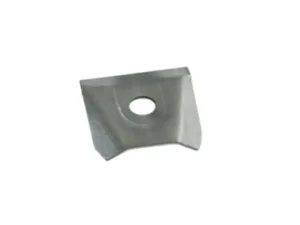
China China Factory PTFE Replacement Screw Gasket Sealing Washer for IBC Fittings - Reliable Suppliers for Bulk Containers Manufacturer, Suppliers
View Details & Specifications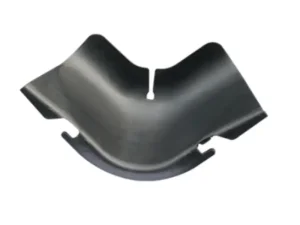
Wholesale Protective Plastic Angle Corner Guards for IBC Tanks - China Suppliers & Factory for Durable Corner Protection Suppliers, Factories
View Details & Specifications
China China Suppliers Factory IBC Cover Lid Cap 150mm 225mm - Stainless Steel Brushed Finish for Secure Storage Factories, Factory
View Details & Specifications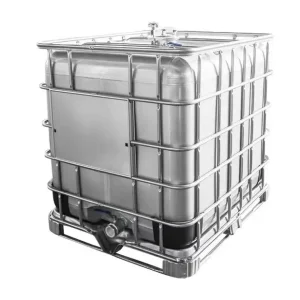
China 1000-Liter 304/316 Stainless Steel IBC Tank — 1000L IBC Tank Supplier, Factory
View Details & Specifications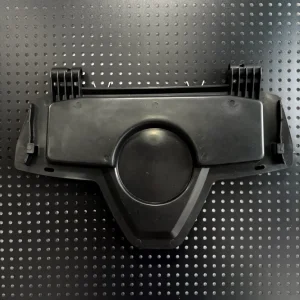
China China IBC Tank Plastic Anti-Sloshing Baffle - Quality Suppliers from Factory for 1000L Intermediate Bulk Containers Manufacturers, Factories
View Details & Specifications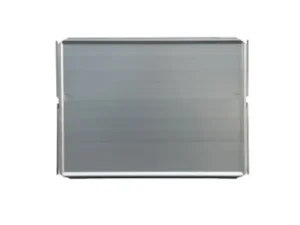
China Custom Engraved Stainless Steel IBC Tank Nameplate from China Suppliers | Durable Identification Solution Factory Factories, Factory
View Details & Specifications
Wholesale 75L-100L IBC Tank Plastic Drum Cap Factories, Factory
View Details & Specifications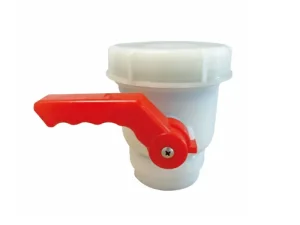
Wholesale China Suppliers Factory IBC DN80 Welded Ball Valve for Liquid Storage Tanks - Durable Stainless Steel Design Manufacturers, Factories
View Details & SpecificationsFrequently Asked Technical & Sourcing Questions
Detailed answers to crucial engineering, quality assurance, procurement, and regulatory inquiries regarding wholesale pails, lids, and container components.