
High-Performance IBC Valves & Structural Components
Direct factory supply engineered to prevent fugitive emissions, chemical leakage, and stress-crack deformation in extreme bulk fluid handling environments.
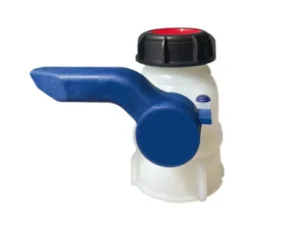
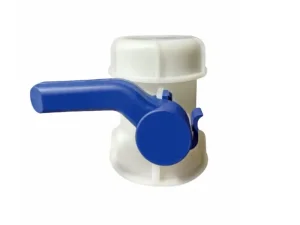
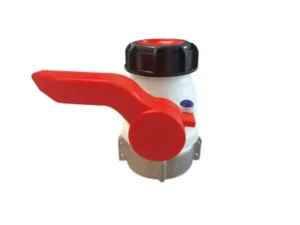
The Science of Zero-Defect Leak-Proof Plastic Closures
How advanced polymer thermodynamics, precision thread design, and elastomer seal science prevent industrial package failure during global multi-modal transit.
Polymer Resin Selection & ESCR Resilience
In industrial chemical packaging, environmental stress crack resistance (ESCR) is the paramount indicator of cap longevity. Leading manufacturers utilize high-density polyethylene (HDPE 5502BN grades) and specialized polypropylene (PP) compounds with narrow molecular weight distribution (MWD).
This molecular configuration resists degradation when exposed to aggressive surfactants, aromatic solvents, and extreme hydraulic surges, preventing micro-fractures along the root of the cap threads under torque stress.
Tri-Torque Thread Geometry & Gasket Dynamics
True leak-proof reliability depends on the mechanical interface between the container neck finish and the cap liner. Modern tooling utilizes optimized buttress thread angles (typically 45°/7°) to maximize axial force conversion per Newton-meter of applied torque.
Paired with custom-molded elastomeric gaskets—such as EPDM, FKM (Viton), or co-extruded expanded PE (EPE)—the assembly ensures complete hermetic containment under positive internal pressure and negative vacuum conditions.
Information Gain Insight: The Physics of Venting vs. Hermetic Sealing
When shipping volatile or off-gassing liquids (such as hydrogen peroxide solutions, peracetic acid, or organic fertilizers), sealed containers suffer from paneling (collapse) or catastrophic over-pressurization. Leading wholesale plastic cap manufacturers incorporate hydrophobic ePTFE (expanded polytetrafluoroethylene) gas-permeable membranes. These microporous vents allow continuous pressure equalization while maintaining a total liquid barrier up to 60 kPa water entry pressure (WEP).
Why Chinese Factories Lead Global Plastic Packaging Supply Chains
Integrating end-to-end mold design, high-speed automated injection moulding, and robust local petrochemical supply ecosystems.
In-House Tooling & Rapid Iteration
China's packaging industrial hubs maintain extensive high-precision CNC toolmaking clusters. Factories can transition from 3D CAD modeling and Moldflow stress simulation to physical 32-cavity hardened steel injection molds within 21 to 30 days, cutting development timelines by 50% compared to Western counterparts.
AI-Driven Vision Quality Inspection
Top-tier original equipment manufacturers (OEMs) in China have replaced manual quality checks with multi-camera AI optical inspection systems. Operating inline at cycle speeds below 4 seconds, these systems instantly detect microscopic flashes, short shots, thread deformities, or missing gasket liners.
Economies of Scale & Material Access
By leveraging mega-refinery petrochemical clusters (Sinopec, CNPC, Hengli), Chinese plastic cap manufacturers source virgin polymer resins at direct bulk pricing. Coupled with automated robot-arm take-out systems, energy-efficient electric molding presses, and zero-landfill scrap recycling, unit manufacturing costs remain unbeatably competitive.
Macro Industry Trends Shaping Plastic Packaging Engineering
Navigating global regulatory shifts, carbon-neutral mandates, and smart container technology integrations.
| Industry Trend | Technical Requirement | Manufacturer Solution | Operational Value Delivered |
|---|---|---|---|
| Post-Consumer Recycled (PCR) Mandates | Inclusion of 30%-50% PCR HDPE without sacrificing closure burst pressure. | Multi-layer co-injection molding (virgin resin chemical contact layer + PCR structural core). | Complies with EU Packaging and Packaging Waste Regulation (PPWR) while maintaining ESCR. |
| Tamper-Evident Security | Immediate visual indicator of unauthorized container opening or dilution. | Drop-down break-away ratcheted security rings with high tensile bridge strength. | Prevents supply-chain cargo theft, counterfeit chemical trade, and product contamination. |
| Smart Asset Management | Real-time identification of IBC chemical contents, fill dates, and maintenance logs. | Over-molded passive RFID tags and QR code caps resistant to acid wash and weathering. | Digitizes fleet management for logistics operators and chemical reconditioners. |
| Zero-VOC Off-Gassing | Elimination of volatile organic compound migration from plastic into high-purity fluids. | Medical/Food-grade virgin polymers processed in ISO Class 8 cleanroom injection facilities. | Meets strict FDA 21 CFR 177.1520 and EU 10/2011 food-contact compliance. |
Sector-Specific Application Scenarios
Leak-proof plastic closures are deployed across highly demanding vertical sectors:
- Bulk Agrochemical Distribution: Resisting high-vapor-pressure pesticides, solvents, and liquid nitrogen fertilizers.
- Food & Beverage Processing: Aseptic caps for 1000L tote liners carrying fruit concentrates, liquid sugar, and edible oils.
- Hazardous Petrochemicals: Heavy-duty UN-approved caps for drums storing acids, alkalis, and industrial coatings.
- Water Treatment & Specialty Chemicals: Vented closures for sodium hypochlorite and coagulant containers.
Global Enterprise Procurement Criteria
B2B procurement directors evaluating wholesale manufacturers look beyond unit price. Key operational benchmarks include:
- Cpk Capability Index: Statistical process control demonstrating Cpk > 1.33 across critical thread dimensions.
- Batch Traceability: Laser-etched production timestamps linking finished caps back to resin lot numbers.
- Tooling Ownership & IP Protection: Secure contractual protection for proprietary client logo molds and cap designs.
- Supply Chain Resilience: Guaranteed safety stock reserves and multi-port export logistics.
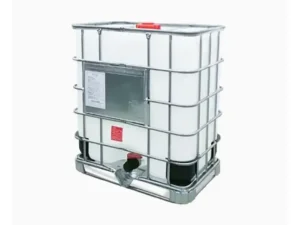
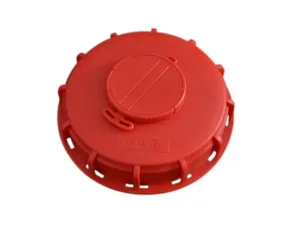
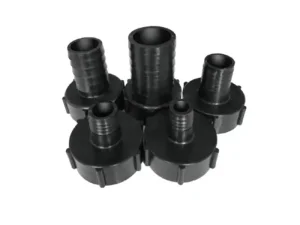
Bulk Containers, Lids, Adapters & Specialty Closures
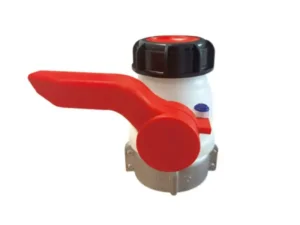
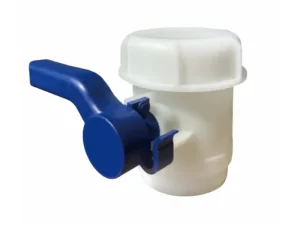
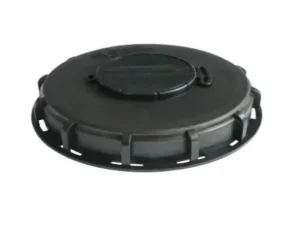
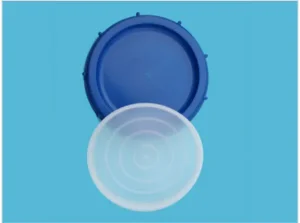
Explore complete IBC totes, breathable covers, heavy-duty caps, and precision-machined quick connectors directly from our China factory lines.
Frequently Asked Questions on Wholesale Leak Proof Plastic Caps
Expert engineering insights addressing high-intent queries regarding polymer selection, thread standards, leak testing, and global sourcing logic.
Manufacturers balance thermal expansion coefficient differentials between the plastic cap (HDPE/PP) and the container neck finish. By using elastomeric gaskets with high compression set resistance (like Fluorocarbon FKM or Santoprene TPE) and designing buttress threads that maintain constant axial tension across -20°C to +60°C operating environments, micro-gaps are prevented during sea freight transit across multiple climate zones.
S60x6 (60mm nominal outer diameter with 6mm thread pitch) is the dominant European and international coarse thread standard specifically designed for high-load plastic closures on IBC totes. Unlike tapered or fine NPT pipe threads, the steep asymmetrical profile of the S60x6 buttress thread allows rapid tightening, resists cross-threading, and absorbs substantial hoop stress without jumping threads during automated high-torque capping.
Certain chemicals—such as concentrated hydrogen peroxide, sodium hypochlorite, or organic pesticides—continuously release volatile gas or absorb oxygen during storage. A sealed solid cap would lead to severe container swelling or catastrophic wall rupture. Micro-vented caps with expanded polytetrafluoroethylene (ePTFE) membranes allow gas molecules to escape while blocking liquid water and chemical molecules up to high entry pressures, maintaining structural tote safety.
Professional procurement teams mandate three main validation protocols: (1) Hydrostatic and vacuum leak testing according to UN/ISO 16106 standards; (2) Torque-to-yield and torque retention decay analysis after 48 hours; (3) Environmental Stress Crack Resistance (ESCR) testing per ASTM D1693 in 10% Igepal CO-630 solution at 50°C. Leading Chinese factories provide batch-specific Certificates of Analysis (COA) along with Cpk control charts.
Factories offer multiple customization options including custom color matching (RAL/Pantone), embossed brand logos on the top face, tear-off tamper-evident security rings, heat-induction foil seals (HIS liners), and integrated anti-counterfeiting QR codes or RFID chips molded directly into the cap shell during injection.
For standard stock caps and IBC lids (e.g., standard black or red 150mm/225mm caps), MOQs typically start around 500 to 1,000 units with fast dispatch in 3 to 7 days. For custom color formulations, specialized gasket materials, or custom-engraved tooling, MOQs range from 5,000 to 10,000 units with production lead times between 14 to 25 business days depending on mold availability.