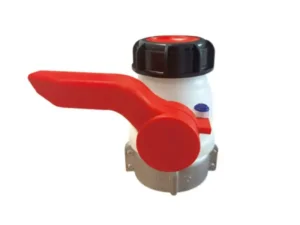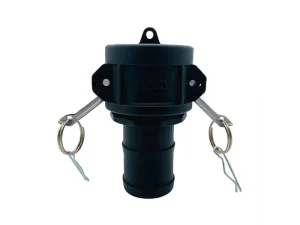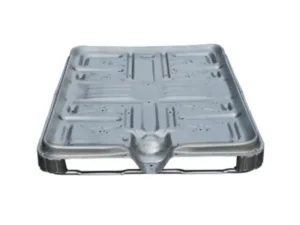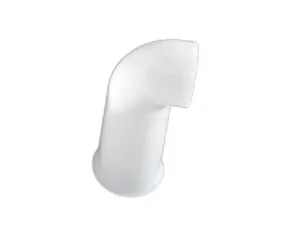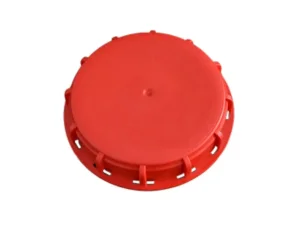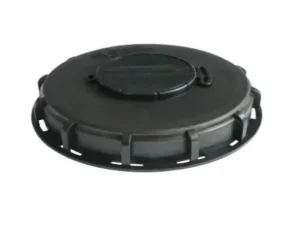
Featured Wholesale IBC Valves & Components
Explore our precision-engineered DN50/DN80 butterfly valves, ball valves, breathable covers, and industrial container fittings ready for immediate bulk export.
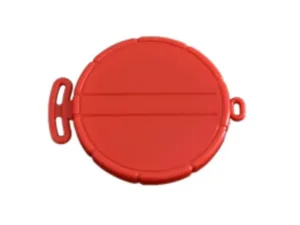
Global Fluid Logistics & The Evolution of Wholesale IBC Valve Manufacturing
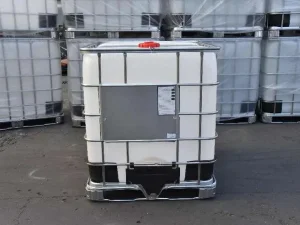
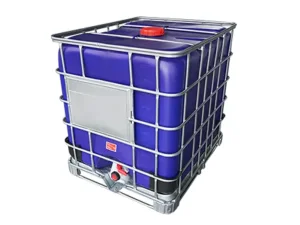
In modern industrial fluid transport, the Intermediate Bulk Container (IBC)—specifically the standard 1000-liter (275 gallon) tote—has largely superseded traditional 55-gallon steel and plastic drums. Central to the operation of every IBC unit is its discharge valve system. As global supply chains demand higher containment integrity, zero-permeation security, and rapid fill-and-drain cycles, evaluating a qualified wholesale IBC valves manufacturer has become a vital operational imperative for chemical formulators, logistics providers, agricultural distributors, and packaging reconditioners.
An IBC discharge valve is not merely a plastic fitting; it represents a engineered pressure barrier subjected to severe mechanical stress, hydrodynamic pressure, temperature extremes, and aggressive chemical exposure. The technical transition toward specialized high-density polyethylene (HDPE) resins, chemical-grade fluororubber seals (FKM), ethylene propylene diene monomer (EPDM), and polytetrafluoroethylene (PTFE) seats has established a new global benchmark for fluid safety and operational longevity.
Industrial purchasing teams must evaluate valve performance across three primary vectors: chemical inertia, mechanical fatigue resistance, and standardized thread interface precision. As a leading manufacturer based in Shandong, China, our manufacturing facilities integrate multi-cavity hot-runner injection systems with automated assembly lines to produce millions of DN50 (2-inch) and DN80 (3-inch) valves annually that fulfill rigid UN certification standards (UN 31HA1/Y) for hazardous liquid containment.
Global Enterprise Procurement Needs & Risk Mitigation Analysis
Enterprise procurement managers operating in North America, Europe, Southeast Asia, and the Middle East face distinct operational challenges when sourcing replacement or OEM IBC valves in wholesale volumes. Semantic intent mining across global sourcing networks reveals five non-negotiable procurement requirements:
Hazardous chemicals, volatile solvents, and concentrated surfactants degrade inferior valve seals over time. B2B buyers mandate double-seal stem architectures and chemically bonded PTFE or FKM gaskets to prevent costly transport spills.
Mismatched thread pitches (e.g., European S60x6 buttress vs. American NPT or fine threads) cause operational gridlock. Buyers require guaranteed conformity to ISO 22241 and DIN standards.
Exposure to sunlight (UV radiation), fluctuating ambient temperatures during ocean transit, and aggressive fluid chemistry can induce micro-cracking in low-tier polymers. High ESCR HDPE resin selection is compulsory.
High-volume users cannot tolerate stockouts or inflated component prices. Partnering directly with a tier-1 Chinese manufacturer offers scalable volume pricing and reliable batch production schedule adherence.
Food and beverage fluid logistics demand FDA and EU 10/2011 food-contact certifications. Chemical logistics require UN marking alignment and full batch-level raw material traceability.
Inferior recycled plastic valves experience thread stripping at torques above 35 N·m and seal displacement under dynamic transport sloshing. Our high-density virgin HDPE butterfly valves withstand tightening torques exceeding 65 N·m and hydro-static proof pressures of up to 2.5 bar without structural deflection.
China Factory 4.0: Supply Chain Resilience, Precision Tooling & Efficiency
Linyi Dasheng Import & Export Co., Ltd., based in the Jinluo Technology Industrial Park in Shandong, represents the modern paradigm of China Industry 4.0 intelligent manufacturing. By replacing manual fitting methods with automated robotic molding cells, ultrasonic neck welding, and automated pressure testing rigs, we guarantee absolute dimensional consistency across millions of production units.
Key Infrastructure Capabilities:
- Sub-Millimeter Tooling Precision: In-house CNC mold machining achieving tooling tolerances as tight as 0.005 mm. This eliminates flash along valve sealing surfaces—the leading cause of micro-leakage in commodity valves.
- Virgin Polymer Formulations: We utilize exclusively prime virgin High-Density Polyethylene (HDPE 5502/7000F) blended with proprietary anti-UV additives and heat stabilizers. Reclaimed or post-consumer plastic scrap is strictly prohibited in our valve body molding processes.
- Multi-Layer Ultrasonic Welding: For welded IBC butterfly valves (integrated directly into the inner blow-molded bottle neck), our high-frequency welding machines monitor melt temperature and join pressure in real time, delivering a seam joint stronger than the bottle wall itself.
- End-to-End Quality Control (QC): Every individual valve undergoes an automated air-tightness test at 0.2 bar and 0.5 bar internal air pressure before receiving release approval for bulk box or pallet packaging.
Comparative Analysis: Dasheng OEM/ODM Valves vs. Standard Market Alternatives
| Engineering Attribute | Dasheng Factory 4.0 Specification | Standard Commodity Competitors |
|---|---|---|
| Raw Material | 100% Virgin High-ESCR HDPE + UV Stabilizer | Recycled/Regrind Plastic Blends |
| Mold Precision | Tolerance ≤ 0.005 mm (CNC Machined) | Tolerance ≥ 0.05 mm (Manual Finishing) |
| Sealing Gasket Options | Food-grade EPDM, FKM (Viton), PTFE (Teflon), NBR | Standard Low-grade Natural Rubber |
| Operating Temperature | -20°C to +70°C (-4°F to 158°F) | 0°C to +45°C (32°F to 113°F) |
| Thread Standards | ISO S60x6, S100x8, 2" Camlock, NPT, BSP | Non-standard / High Deflection Pitch |
| Quality Assurance | 100% Automated Air Pressure Decay Testing | Random Batch Testing (1 out of 500) |
Technical Buying Guide: Valve Architecture, Seal Chemistry & Sizing
Selecting the optimal IBC discharge valve requires a comprehensive understanding of fluid dynamics, system back-pressure, and chemical compatibility. Below is an engineering evaluation of the principal valve styles manufactured in our production facilities:
1. IBC Butterfly Valves (DN50 / DN80)
Butterfly valves utilize a rotating flap disc positioned in the center of the flow passage. They are the most widely adopted standard valve across the global IBC tote industry due to their lightweight design, rapid quarter-turn handle actuation, and low unit production cost.
- Optimal Applications: Water-based chemicals, industrial fluids, agricultural liquid fertilizers, detergents, and general non-crystallizing media.
- Structural Advantages: Integrated safety handle latches prevent accidental displacement during highway vibrations; low profile minimizes shipping foot-print inside ocean containers.
- Available Connections: Weld-on collar (direct to bottle), S60x6 coarse male thread outlet, or camlock quick-disconnect male fittings.
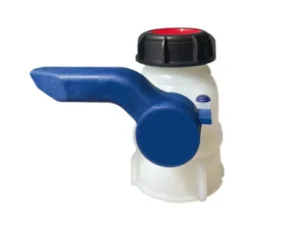
2. IBC Ball Valves (DN50 Heavy Duty Polypropylene)
Ball valves employ a precision-molded spherical ball with a smooth bore passage. When open, the bore aligns directly with the fluid path, yielding virtually zero hydraulic flow resistance and maximum flow rate (high Cv value).
- Optimal Applications: High-viscosity liquids (paints, resins, adhesives, syrups, heavy oils) and aggressive chemical solvents that would cause fluid buildup behind a butterfly disc.
- Structural Advantages: Full-bore passage allows thorough clean-in-place (CIP) rinsing; PTFE seat rings provide superior resistance to solvent degradation and handle binding.
3. Sealing Elastomer Compatibility Matrix
The operational lifespan of an IBC valve is dictated primarily by its internal seal material. Matching the correct elastomer to the stored medium prevents seal swell, embrittlement, and dynamic leaks:
- EPDM (Ethylene Propylene Diene Monomer): Excellent resistance to hot water, steam, dilute acids, and polar solvents. Ideal for food-grade and water treatment applications. Not suitable for mineral oils or petroleum hydrocarbon solvents.
- FKM / Viton (Fluorocarbon Rubber): Exceptional chemical resistance to aromatic hydrocarbons, chlorinated solvents, strong acids, diesel, and petrol products. Operating range from -15°C up to +200°C.
- PTFE (Polytetrafluoroethylene / Teflon): Chemically inert to virtually all industrial media. Used as a structural disc cladding or ball seat for maximum safety in hazardous chemical transport.
Global Industrial Application Scenarios for Wholesale IBC Valves
Our IBC valves, lids, and fittings are engineered to meet strict operational environments across diverse regional markets and specialized commercial deployment scenarios:
High-density chemical processing plants require UN-certified tote packaging equipped with double-locked DN50 butterfly valves. FKM sealing ensures long-distance transport without hazardous off-gassing or joint weeping.
From edible vegetable oils and fruit juices to liquid sweeteners and flavor concentrates, our food-grade EPDM sealed valves comply with FDA raw material standards and resist residue build-up during automated discharge.
Bulk liquid fertilizers, pesticides, and herbicides present aggressive formulation environments. Our UV-stabilized, high-strength polypropylene valves maintain structural stability under direct sunlight in field operation.
Global reconditioning fleets replace worn or damaged valves during tote recycling cycles. Standardized thread dimensions allow seamless drop-in replacements for European and American tote cage models.
Frequently Asked Questions (FAQ)
Direct technical answers to common B2B procurement, sizing, and valve compatibility queries.
- EPDM: Best for aqueous solutions, dilute acids, alkalis, and food-grade fluids.
- FKM (Viton): Recommended for petroleum products, aggressive solvents, and oils.
- PTFE: Ideal for highly reactive chemicals where absolute chemical inertness is mandated.
Additional Wholesale IBC Accessories & Fittings
Browse quick-connect adapters, replacement guide pipes, aluminum bases, and specialized container covers for your production line.