
Featured IBC Tanks, Lids & Stainless Steel Valves
Direct factory components optimized for heavy-duty industrial liquid storage, containment security, and strict regulatory compliance.
The Strategic Imperative of IBC Identification Plates in Global Logistics
In modern chemical supply chains and hazardous material transport, an Intermediate Bulk Container (IBC) identification plate (also known as an IBC tag, data plate, or serial identification tag) is far more than a simple metal label. It serves as the legal and operational passport for liquid containment vessels handling up to 3000 liters of industrial fluid.
As global fleet operators transition toward Industry 4.0 asset tracking, the sourcing of high-durability, laser-engraved, corrosion-resistant stainless steel IBC identification plates has shifted from a peripheral procurement item to a mission-critical asset safeguard. Wholesale buyers must navigate complex material specifications, environmental degradation factors, chemical exposure risks, and automated digital tracking integration (such as 2D Data Matrix and embedded UHF RFID tags).
Material Metallurgy, Surface Treatments & Marking Technologies
Selecting the optimal substrate material and marking methodology for wholesale IBC nameplates depends on operational exposure. Harsh chemical environments, offshore salt spray, high-pressure steam cleaning, and acidic washdowns require distinct metallurgical configurations.
Metallurgical & Technical Comparison Matrix
| Material / Tech Grade | Corrosion Resistance | UN/DOT Compliance Life | Primary Marking Method | Target Industry Application |
|---|---|---|---|---|
| SS304 (UN 1.4301) | High (Atmospheric/Solvents) | 10 - 15 Years | Fiber Laser / Stamped Embossing | Food, Beverage, Standard Resins |
| SS316L (UN 1.4404) | Ultra-High (Chlorides/Acids) | 20+ Years | Deep Chemical Etch & Laser Fill | Offshore Petrochemical, Aggressive Acids |
| Anodized Aluminum 6061 | Moderate (Non-Saline) | 5 - 8 Years | Anodized Screen Printing / Laser Engraved | General Logistics, Lubricants, Non-Hazmat |
| Polycarbonate / Synthetic | Chemical Splash Resistant | 2 - 4 Years | Thermal Transfer / Barcode Printing | Temporary Batch Tracking, Reconditioners |
Global Procurement Intent: What B2B Buyers Demand from Factories
Through empirical analysis of global search intent and RFQ patterns across North American, European, and Middle Eastern enterprise buyers, we uncover the non-negotiable technical criteria demanded from wholesale IBC identification plate manufacturers:
- UN Packaging Code (e.g., UN 31A/Y/1024/CHN/Dasheng-01)
- Manufacturer Name & Registration Number
- Maximum Permissible Gross Mass (kg/lbs) & Tare Mass
- Nominal Capacity (1000L / 275 Gal / 330 Gal)
- Body Material Thickness & Test Pressure (kPa)
- Initial Qualification & 2.5/5-Year Recertification Stamping Dates
- 2D DataMatrix & QR Codes: Laser-etched high-contrast codes for instant smartphone or industrial scanner inventory logging.
- Hybrid RFID/NFC Brackets: Stainless steel plates engineered with recessed protective slots for UHF RFID tags, enabling touchless automated gateway scanning in smart warehouses.
- Custom Branding: Embossed company logos and colored enamel fill for fleet brand identification.
China Industry 4.0: Supply Chain Resilience & Manufacturing Superiority
China’s industrial transformation has reshaped the global manufacturing landscape for specialized IBC hardware and identification components. Leading manufacturing hubs, particularly in Shandong and Eastern China, leverage fully integrated supply chains that deliver massive cost efficiencies without compromising metallurgical accuracy.
Localized Application Scenarios Across Key Economic Zones
Frequently Asked Questions (FAQ) for Sourcing Managers
Expert answers regarding materials, regulatory compliance, custom laser serialization, and volume wholesale procurement.
What are the standard dimensions and mounting hole centers for IBC identification plates?
While custom sizes are available, the industry standard dimension for stainless steel IBC data plates on 1000L composite totes is 300mm x 400mm, 200mm x 300mm, or 120mm x 180mm. Mounting holes are typically pre-punched at 4 corners with a 5mm to 6.5mm diameter to accommodate standard stainless steel blind pop rivets or cage mounting clamps.
Why is AISI 316L preferred over AISI 304 for hazardous chemical IBC totes?
AISI 316L contains 2% to 3% Molybdenum, which drastically enhances its resistance to pitting and crevice corrosion in chloride-rich or acidic environments. If an IBC container holds corrosive chemicals like hydrochloric acid, phosphoric acid, or is transported via ocean freight, SS304 plates can corrode over time, obscuring legally required UN markings. SS316L ensures permanent legibility throughout the tote's 15 to 20-year lifespan.
Can Chinese suppliers integrate customized QR codes, barcodes, and RFID tags into metal plates?
Yes. Advanced Chinese factories utilize industrial MOPA fiber laser systems capable of deep dark black oxide marking for high-density 2D DataMatrix and QR barcodes. These markings pass ISO 15415 barcode verification grade A/B. Additionally, metal plates can be engineered with specialized ABS or ceramic slots to house industrial UHF RFID transponders operating at 860-960 MHz for automated yard management.
What legal UN markings must appear on a certified Dangerous Goods IBC plate?
Under Chapter 6.5 of the UN Recommendations on the Transport of Dangerous Goods, the plate must clearly state: UN Packaging Symbol, IBC Code (e.g., 31A for steel, 31HA1 for composite), Manufacturer's State/Code, Approval Number, Month and Year of Manufacture, Maximum Stacking Load (kg), Maximum Permissible Gross Mass (kg), Capacity at 20°C, and Initial Hydraulic Pressure Test Date.
How do Chinese OEM suppliers ensure quality consistency across high-volume wholesale orders?
Tier-1 Chinese factories operate under ISO 9001:2015 quality management frameworks. Key quality checkpoints include spectrographic alloy analysis (Spectro/XRF) to confirm raw steel grade, automated CCD vision inspections to verify punch dimensions and laser barcode readability, and continuous ASTM B117 salt spray chamber testing to validate corrosion endurance.
What is the typical lead time and Minimum Order Quantity (MOQ) for custom engraved plates?
Standard blank stainless steel plates or standard rivet-hole configurations usually have an MOQ of 500 to 1,000 pieces, with sample dispatch within 3 business days. For fully customized stamped dimensions, custom embossing dies, or pre-serialized barcode sequences, typical mass production lead times range between 10 to 15 business days following sample approval.
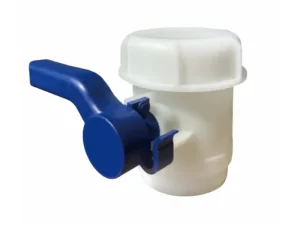
Valves, Camlocks, Frames & Tank Accessories
High-performance liquid flow controls, heavy-duty stackable frames, and replacement parts factory-direct from China.
B2B Sourcing Checklist for IBC Identification Plates
Before issuing a formal Purchase Order (PO) to an overseas supplier or manufacturer for wholesale IBC identification plates, procurement teams should audit suppliers against this 5-point quality checklist:
- Material Certificate (EN 10204 3.1): Verify chemical composition (Cr, Ni, Mo content) via independent mill test certificates to ensure genuine SS316L or SS304.
- Salt Spray & Environmental Test Data: Request ASTM B117 salt fog exposure reports proving minimum 1,000-hour corrosion resistance for coastal/marine operations.
- Marking Legibility & Etching Depth: Ensure laser etching or mechanical stamping depth exceeds 0.2mm to remain legible after multiple paint washdowns or reconditioning cycles.
- Dimensions & Hole Pattern Precision: Confirm mounting hole spacing matches your cage framework welding brackets or blind pop rivet specs without manual redrilling.
- Factory Quality Audit (ISO 9001/IATF): Partner with manufacturers operating integrated stamping, etching, and automated vision inspection lines in Shandong or major industrial clusters.
By choosing high-precision, direct-factory Chinese manufacturing partners, global fleet managers optimize total cost of ownership while guaranteeing complete UN/DOT regulatory compliance across their IBC asset network.