
Featured Industrial IBC Systems & Components
Explore our precision-engineered Intermediate Bulk Container (IBC) tanks, spill containment systems, high-flow valves, and replacement accessories directly supplied by our manufacturing bases.
Global Commercial & Industrial Status of IBC Certification Labels
How regulatory mandates under UN Chapter 6.5, IMDG Code, and OSHA HazCom 2012 dictate certification label construction, chemical resistance, and supply chain accountability across global shipping lanes.
In global industrial logistics, Intermediate Bulk Containers (IBCs)—specifically composite 31HA1 models featuring blow-molded High-Density Polyethylene (HDPE) inner liners enclosed within galvanized tubular steel frames—serve as the primary workhorse for liquid bulk movement. However, an IBC tote cannot legally enter international transport carrying hazardous chemicals, petrochemical derivatives, or active pharmaceutical ingredients without a fully compliant, permanent IBC Certification Label.
Regulatory authorities such as the United Nations Economic Commission for Europe (UNECE), the US Department of Transportation (DOT 49 CFR), and the International Maritime Organization (IMO under IMDG Code Chapter 5.2) strictly enforce the structural integrity and legibility of packaging markings. Certification labels must display vital data including the UN packaging code (e.g., UN 31HA1/Y/05 24/CHN/Dasheng-1500/2000/1060L/420kg), maximum allowable stacking load, hydrostatic test pressures, initial manufacturing date, and re-inspection records.
UN Chapter 6.5 Mandate
Requires indelible, permanent markings that withstand severe abrasion, weather exposures, and aggressive solvent spills without losing textual or barcode scanability throughout the container's operational lifecycle.
BS5609 Marine Durability
Crucial for ocean freight. Labels attached to IBCs must pass 3-month salt-water immersion tests (Section 2 adhesive bond strength) and artificial weathering (Section 3 print keying & image permanence).
GHS & OSHA HazCom 2012
Mandates 9 standardized hazard pictograms, signal words (DANGER/WARNING), hazard statements, and precautionary instructions integrated directly alongside UN certification markings.
Material Science & Technical Specifications of High-Gain Certification Labels
An in-depth comparative matrix detailing facestock polymers, high-tack acrylic adhesives, release liners, and thermal transfer ribbon selection for harsh chemical packaging environments.
A standard paper or commercial-grade vinyl label will fail rapidly when exposed to outdoor UV radiation, mechanical friction from forklift operations, or chemical washdowns during IBC cleaning. As a premier wholesale manufacturer and OEM factory, we engineer industrial-grade certification labeling systems utilizing multi-layer synthetic substrates tailored to low-surface-energy (LSE) plastics such as HDPE bottles and powder-coated steel plate frames.
| Substrate / Facestock | Adhesive Chemistry | Chemical Resistance | Temp Range | Primary Application Area | BS5609 Status |
|---|---|---|---|---|---|
| Biaxially Oriented PP (BOPP) | Emulsion Acrylic (High-Tack) | Moderate (Water, Acids, Oils) | -20°C to +80°C | Standard non-hazardous chemical totes & lubricants | Section 2 Compliant |
| Cast Polyethylene (PET) 75µm | Cross-linked Solvent Acrylic | Extreme (Toluene, Xylene, Acetone) | -40°C to +150°C | UN-Certified Class 3 Flammable & Class 8 Corrosives | Section 2 & 3 Certified |
| Destructible Polyvinyl Chloride | Modified High-Tack Rubber | High (Solvents, Detergents) | -30°C to +110°C | Tamper-Evident UN Certification Seals & Inspection Labels | Section 2 Compliant |
| Anodized Aluminum Foil Composite | Thermosetting Solvent Acrylic | Maximum (All Solvents, Hydrocarbons) | -50°C to +300°C | Permanent Factory Nameplates & Stainless Steel Frame Tagging | Exceeds Standards |
Information Gain Engineering Tip: For IBC reconditioners and fleet managers, low-surface-energy (LSE) HDPE inner bottles present a severe adhesion challenge. Standard acrylic adhesives experience "flagging" or edge lift. Our factory formulates a specialized 45g/m² solvent acrylic adhesive with ultra-high initial tack (>28 N/25mm) that fuses permanently to textured HDPE surfaces even when applied at temperatures as low as 0°C.
Smart IBC Labelling: RFID, NFC & Circular Economy Integration
Transitioning from static visual labels to dynamic, IoT-enabled RFID/NFC hybrid certification tags that automate fleet tracking, digital twin integration, and circular container reconditioning.
UHF RFID On-Metal Inlays
Modern certification labels embed thin UHF RFID (RAIN RFID) chips optimized for metal-cage environment reading. Enables automated gate scanning, instant container identification, and batch serial validation at 12+ meters.
Dynamic QR & GS1-Digital Link
Replaces basic static barcodes with 2D DataMatrix and GS1 Digital Link QR codes. Connecting maintenance teams directly to cloud-hosted Safety Data Sheets (SDS), chemical compatibility charts, and inspection history.
Wash-Off Reconditioning Adhesives
For circular economy IBC reconditioners: specialized label adhesives that hold firmly during chemical transit but cleanly release in hot caustic wash cycles (80°C NaOH), reducing residual contamination and speeding up rebottling.
Localized Applications & Regional Compliance Realities
How regional environmental conditions, regulatory variations, and logistics infrastructure impact IBC certification label engineering across North America, Europe, APAC, and the Middle East.
North American Highway & Rail (DOT & OSHA)
Under 49 CFR 178.703, US DOT requires IBC certification labels to feature high-contrast, minimum 12mm character height UN marking numbers. Labels must resist prolonged UV exposure in southern transit corridors (Texas, Arizona) without yellowing or cracking. High-tack PET materials printed with resin-based thermal transfer ribbons are mandatory to survive high-vibration intermodal rail transit.
European Union Chemical Corridors (ADR & REACH)
EU REACH compliance requires label raw materials to be completely free of SVHC (Substances of Very High Concern) and compliant with RoHS directive directives. Furthermore, transport across Western Europe via ADR requires strict inclusion of dual-language hazard markings and emergency response contact data, utilizing flame-retardant synthetic facestocks.
Middle East & Tropical Maritime Shipping
Offshore chemical logistics in Gulf Cooperation Council (GCC) regions and Southeast Asian sea lanes subject IBC certification labels to extreme temperatures (>60°C ambient, 80°C surface) combined with 95%+ relative humidity and sea-spray immersion. BS5609 Section 3 certified topcoats with UV-inhibited polyimide or polyester matrices prevent image degradation.
Sub-Zero Arctic Cold-Chain Logistics
Transporting industrial solvents across Nordic regions, Canada, or Alaska requires specialized cryogenic acrylic adhesives that do not glassify or lose shear strength at -40°C. Standard rubber adhesives fracture under freeze-thaw cycles, whereas our specialized cold-chain synthetic formulations maintain elastomeric bonding.
Technical Roadmap & Future Outlook: 2025–2030
How advanced material science, automated factory application lines, and AI-driven supply chain verification are transforming the certification labeling ecosystem.
Phase 1: High-Speed Print & Apply Automation
Direct integration of automatic robotic print-and-apply machinery on IBC assembly lines. Thermal transfer units print dynamic UN serialization numbers and apply labels to steel frames within 3.5 seconds with sub-millimeter placement accuracy.
Phase 2: Bio-Based Recyclable Substrates
Engineered replacement of traditional fossil-fuel derived polyesters with ocean-bound ocean plastic-recycled resins and bio-based PLA films that maintain full chemical immunity while reducing scope 3 embodied carbon by 40%.
Phase 3: Real-Time IoT Environmental Sensors
Integration of flexible printed sensors within the label matrix capable of detecting micro-leaks of acidic vapor, monitoring internal temperature spikes, and transmitting tamper notifications via low-power Bluetooth (BLE) to cloud dashboards.
Macro Industry Solutions & Vendor Evaluation Framework
What chemical manufacturers, tank fabricators, and global buyers must evaluate when choosing a B2B wholesale IBC certification label supplier and direct production factory.
Total Cost of Ownership (TCO) vs Label Failure Risk
Selecting an uncertified, low-cost label supplier to save cents per unit is a major false economy in bulk liquid transport. A single label failure resulting in unreadable UN markings during port customs entry can lead to container impoundment, fines exceeding $25,000 per violation under DOT regulations, and expensive vessel demurrage charges.
Our factory-direct wholesale model provides full batch-level traceability, ISO 9001 certified quality control, and rigorous lab test certification (including tensile pull tests, crockmeter rub tests, and 1,000-hour QUV accelerated weathering) for complete peace of mind.
Factory Audit Verification Checklist
- Raw Material Traceability: Tier-1 adhesive resins (Avery Dennison, 3M) with mill test certificates.
- Precision Die-Cutting Tolerances: Rotary die-cutting precision within ±0.15mm to ensure seamless automated application.
- Ribbon Compatibility Matching: Dual supply of full-resin thermal transfer ribbons matched exactly to facestock topcoats.
- Custom OEM Design Support: Factory plate-making for custom brand logos, serial prefixes, and multilingual hazard layouts.
- Bulk Logistics Packaging: Moisture-sealed roll packaging with core plugs to prevent roll telescoping during sea transit.
More Industrial IBC Solutions & Hardware
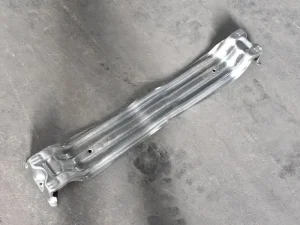
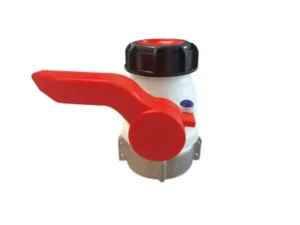
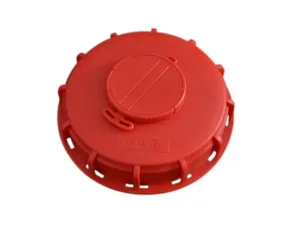
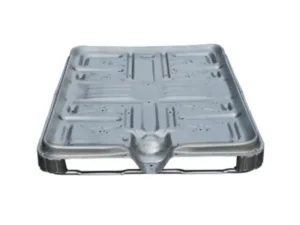
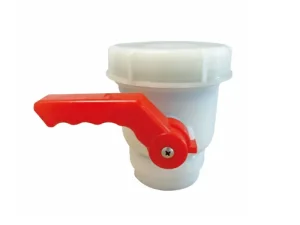
Browse our full range of heavy-duty valves, breathable lids, structural steel crossbeams, and specialized tank components for global export.
Frequently Asked Questions: IBC Certification & Labelling
Detailed technical answers from our senior engineering team regarding UN markings, BS5609 certification, chemical compatibility, and factory direct procurement.
According to UN Chapter 6.5 recommendations and international hazardous transport codes (IMDG, ADR, DOT), a compliant certification label must clearly display: the United Nations packaging symbol, the IBC type code (e.g., 31HA1 for composite IBCs with plastic inner receptacle), packing group letters (X, Y, or Z), month and year of manufacture, state authorization code, manufacturer identification code, stacking test load (kg), maximum permissible gross mass, and hydrostatic test pressure rating (kPa).
BS5609 is the British Standard for adhesive-coated labels used in marine environments. If an IBC carrying hazardous cargo is lost at sea, IMDG regulations require the certification and hazard labels to remain attached and legible after three months of seawater immersion. BS5609 Section 2 tests adhesive performance and substrate durability, while Section 3 tests ink keying and abrasion resistance of the printed text and barcodes.
High-Density Polyethylene (HDPE) is a low-surface-energy plastic (around 30-32 dynes/cm), making standard commercial adhesives prone to peeling or edge lift. To achieve permanent bonding, we utilize high-coat-weight (40–50 GSM) cross-linked solvent acrylic adhesives engineered with specific tackifying resins. This allows the adhesive to flow into the microscopic surface texture of the blow-molded HDPE tote wall.
Yes. Industrial thermal transfer printers (such as Zebra or SATO 300dpi/600dpi systems) equipped with full-resin thermal transfer ribbons (e.g., Ricoh B110CU or Armor AXR8) are standard across chemical filling plants. Full-resin ribbons melt directly into the PET topcoat, offering maximum resistance against aggressive solvents, diesel, rubbing, and high-pressure steam cleaning.
Permanent certification labels are built to last the lifetime of the outer steel cage or bottle (10+ years), employing indestructible PET or aluminum materials with permanent solvent acrylics. In contrast, wash-off labels designed for IBC reconditioners use alkali-sensitive acrylic adhesives. These hold firmly during transport but dissolve quickly when sprayed with hot caustic wash solutions (80°C, 2-3% NaOH), leaving zero adhesive residue on recycled bottles.
Standard RFID labels experience severe detuning when applied directly to metal surfaces like steel IBC frames. We supply specialized On-Metal RFID Inlay Labels that incorporate a micro-thin ferrite isolation layer between the adhesive and the RFID chip/antenna assembly. This directs the RF signals outwards, enabling long-range reading (up to 12 meters) even when surrounded by tubular steel cages.
As a direct manufacturer, we offer end-to-end OEM customization: custom label sizes, pre-printed corporate branding logos, multi-language GHS hazard layouts, pre-serialized barcoding, integration of RFID/NFC inlays, specialized die-cut shapes, and custom roll packaging configurations tailored to your automated applicator equipment.