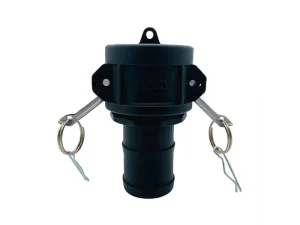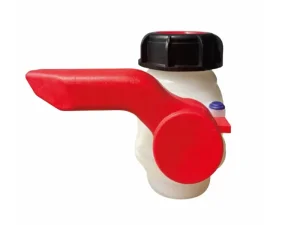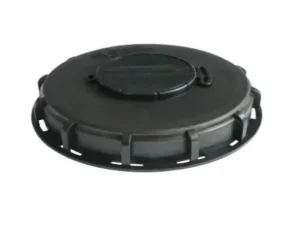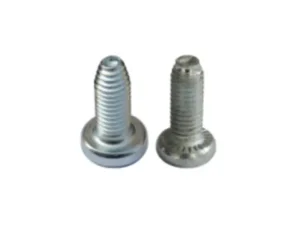
Featured Industrial Plastic Caps & Fluid Accessories (Part 1)
Explore our top-tier OEM & ODM closure systems engineered for intermediate bulk containers, chemical storage, and food-grade fluid transfer.


1. Global Industrial Landscape of High-Quality Plastic Closures
In modern industrial manufacturing and global chemical logistics, the plastic closure is no longer treated as a simple commodity accessory. Instead, high-grade plastic caps, container lids, and tank closures function as vital safety control points. Across complex supply chains handling hazardous chemicals, high-purity food additives, pharmaceuticals, and agricultural formulations, failure at the container orifice leads to costly spills, severe environmental liabilities, product degradation, and regulatory fines. Selecting qualified wholesale high quality plastic cap factories is therefore a primary risk-management strategy for global procurement leaders.
The global plastic caps and closures market has transitioned into a highly technical engineering discipline. Driven by demanding international transport directives—such as UN Dangerous Goods Packaging Standards (UN 31HA1/Y)—factories must consistently deliver micro-precise thread geometry, chemical-resistant elastomer gaskets (such as EPDM, FKM, NBR, and Fluorosilicone), and pressure-equalization systems. Top-tier plastic cap manufacturers maintain direct control over high-molecular resin selection, continuous blow molding, multi-cavity injection tooling, and optical quality verification systems.
Information Gain Insight: The Total Cost of Ownership (TCO) in industrial closures reveals that the initial purchase price of a plastic cap represents less than 0.5% of total liquid cargo value. However, cap failure accounts for over 68% of fluid transport claims. Precision factory engineering is the ultimate defense against logistics volatility.
Furthermore, contemporary global buyers demand complete traceability from raw polymer batching to finished packaging assemblies. To address global industrial needs, leading plastic cap factories integrate automated cavity-pressure monitoring directly inside injection molds, guaranteeing uniform wall thickness, optimal stress distribution, and zero micro-porosity across millions of production units.
2. High Quality Plastic Cap Industry Trends & Technological Innovations
Key technological breakthroughs reshaping performance, environmental sustainability, and intelligence in industrial closures.
Smart Vented Closures
Integration of hydrophobic and oleophobic expanded polytetrafluoroethylene (ePTFE) breathable membranes allows continuous gas exchange without liquid permeation. This prevents vacuum collapse during rapid unloading and mitigates pressure buildup caused by off-gassing chemicals during ocean transit.
Fluorinated Permeation Barriers
Advanced off-line and in-line fluorination technologies modify the inner surface layer of HDPE and Polypropylene caps. By replacing hydrogen atoms with fluorine, the resin develops extreme resistance to aggressive non-polar solvents, aromatic hydrocarbons, and concentrated oils.
PCR Polymer Integration
In compliance with European Union packaging waste regulations, factories are deploying virgin-to-Post-Consumer-Recycled (PCR) resin blending technologies. Engineered multi-layer co-injection molding allows a recycled core to be encased within virgin virgin-grade HDPE, maintaining structural integrity while satisfying ESG goals.
Advanced Tooling & Mold Flow Simulation
The manufacturing process of high quality plastic caps relies heavily on computer-aided mold flow analysis. Prior to cutting steel for multi-cavity injection molds, thermal dynamics, polymer shear rates, and fill times are simulated in software environments. This eliminates weld lines (fill knit lines) at critical stress locations, such as cap threads and sealing lip interfaces, ensuring that the finished cap withstands excessive torque installation from automated capping equipment on high-speed filling lines.
3. Global Enterprises Procurement Demands & Risk Mitigation
North American & European Requirements
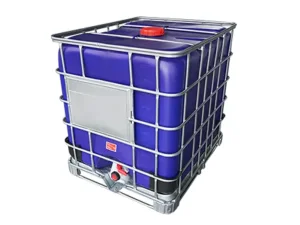
Procurement divisions in North America and Western Europe prioritize rigid regulatory compliance. For bulk liquid storage—including Intermediate Bulk Containers (IBC totes) and 55-gallon drums—plastic caps must demonstrate:
- Full compliance with FDA 21 CFR 177.1520 for food-contact applications.
- EU No 10/2011 compliance regarding heavy metal migration limits.
- Consistently reproducible torque retention to prevent back-off caused by transit vibration.
- Custom color-coding and high-contrast tamper-evident security tear bands.
Quality Assurance & Destructive Testing
Tier-1 B2B buyers audit plastic cap factories based on rigorous destructive testing protocols conducted on every production batch:
- Drop Impact Test: Containers sealed with factory caps are conditioned at -18°C and dropped from 1.9 meters onto concrete.
- Hydrostatic Pressure Resistance: Internal hydraulic pressure testing up to 200 kPa for 30 minutes without seal deformation.
- Environmental Stress Cracking Resistance (ESCR): Exposure to 10% Igepal CO-630 solution at 50°C under continuous hoop stress.
Technical Material Performance Benchmark Matrix
A detailed comparison of high-grade engineering polymers and elastomeric sealing components used across leading wholesale plastic cap factories:
| Polymer / Elastomer Type | Density Range (g/cm³) | Tensile Strength (MPa) | Chemical Resistance Profile | Thermal Resistance Window | Primary Application Target |
|---|---|---|---|---|---|
| HDPE (High-Density Polyethylene) | 0.945 - 0.965 | 26 - 33 | Excellent against acids, alkalis, inorganic salts | -50°C to +80°C | IBC top covers, dust caps, heavy-duty thread caps |
| PP (Polypropylene Copolymer) | 0.895 - 0.910 | 31 - 41 | High stiffness, superior fatigue resistance for hinges | -10°C to +100°C | Threaded adapters, valve caps, pour spouts |
| EPDM Gaskets | 1.15 - 1.25 | 10 - 15 | Outstanding ozone, steam, and polar solvent resistance | -40°C to +130°C | General chemical seals, liquid tote lids |
| FKM (Viton) Gaskets | 1.80 - 1.90 | 12 - 18 | Extreme resistance to hydrocarbons, concentrated acids | -20°C to +200°C | Aggressive chemical containers, solvent valves |
| Stainless Steel (304/316) Hybrids | 7.93 - 8.00 | 515 - 620 | Complete organic and inorganic acid immunity | -196°C to +400°C | Brushed metal protection plates, reinforcement rings |
4. China Industry 4.0: Supply Chain Resilience & Efficiency
How Shandong’s advanced manufacturing hubs deliver unparalleled cost efficiency, precision engineering, and rapid global delivery.
China's industrial landscape has evolved from high-volume labor-intensive processing to advanced Industry 4.0 smart manufacturing. Specialized manufacturing clusters, notably situated in Linyi, Shandong, represent the pinnacle of plastic injection molding technology and industrial container supply chains. Factories in this region leverage fully automated raw material central feeding systems, high-speed robotic arm extraction, and automated vision inspection systems capable of checking over 600 caps per minute for micro-defects.
Integrated Tooling
With internal tool-making shops executing CNC wire EDM and high-speed CNC milling up to 0.005mm tolerance, factories rapidly iterate cap prototypes, custom thread profiles, and branded company logos within days rather than months.
Supply Chain Resilience
Upstream petrochemical integration provides direct access to prime-grade virgin resins (Sinopec, PetroChina, Sabic). This buffers global buyers against raw material price shocks and guarantees uninterrupted supply continuity.
Rapid Export Logistics
Strategic proximity to major international deep-water ports (Qingdao Port) combined with warehouse bulk stocking allows standard order dispatch within 3 days, dramatically reducing lead times for international distributors.
5. Localized Application Scenarios & Field Specifications
Bulk Chemical Processing & Agrochemicals
In chemical processing operations handling concentrated fertilizers, pesticides, alkalis, and industrial acids, plastic caps must resist environmental cracking and chemical attack. Heavy-duty 150mm and 225mm threaded caps equipped with integrated pressure relief valves allow safe gas venting without chemical liquid spillage, safeguarding factory personnel and transport equipment.
Food-Grade & Beverage Liquid Packaging
For bulk liquid food ingredients such as edible oils, syrups, concentrated juices, and wine, closures must guarantee absolute biological and olfactory neutrality. High-purity virgin HDPE caps, coupled with food-safe silicone or EPDM gaskets manufactured in Class 100,000 cleanroom facilities, eliminate organoleptic transfer and ensure compliance with global sanitary standards.
IBC Tote Reconditioning & Fleet Maintenance
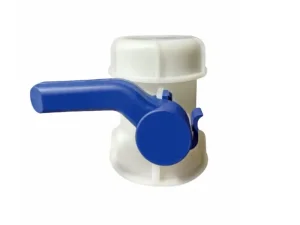
Industrial packaging reconditioners require exact-fit replacement parts to rebuild washed IBC totes back to UN certification standards. Universal DN50 valve guide pipes, replacement DN150 breathable covers, and heavy-duty dust caps provide seamless compatibility across standard European and American tote frames.
Hazardous Materials Logistics
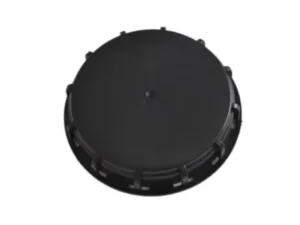
During ocean container shipments subject to extreme temperature swings and mechanical vibration, specialized black sealing covers with secondary locking mechanisms prevent cap back-off. UV-resistant blue and black masterbatch formulations prevent ultraviolet light degradation from breaking down light-sensitive liquid compounds inside the container.
Frequently Asked Questions: Factory & Sourcing Guide
Detailed technical answers to common queries raised by international procurement managers and packaging engineers.
What distinguishes a high-quality wholesale plastic cap from low-cost market alternatives?
How do I determine whether my application requires a breathable (vented) cap or a solid sealing cover?
What gasket materials are available for wholesale plastic caps, and how do I select the correct elastomer?
Can factory suppliers produce custom OEM/ODM plastic caps with personalized logos and colors?
What quality certifications should global procurement managers request from plastic cap factories?
How do China Industry 4.0 factories manage rapid lead times for high-volume wholesale orders?
Advanced Fluid Handling & Seal Solutions (Part 2)
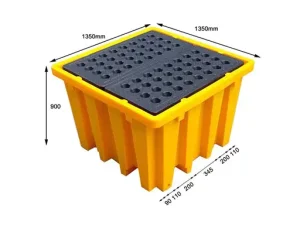
Complete your packaging assembly with heavy-duty valves, tank adapters, stainless steel covers, and spill prevention systems.