
High-Precision Precision Engineered Components (Part I)
Explore our flagship wholesale inventory, engineered for structural integrity, strict chemical compatibility, and zero-defect seal performance.

Global Market Analysis: High Precision Plastic Injection Manufacturing
Navigating macro trends, material science advancements, and zero-defect requirements in high-volume industrial molding.
The global demand for wholesale high precision plastic injection parts is undergoing a structural paradigm shift. Driven by aggressive weight-reduction mandates in automotive engineering, strict fluid containment requirements in chemical processing, and stringent hygienic standards in food-grade material handling, enterprise procurement teams are moving away from traditional metal fabrication in favor of advanced polymer solutions. High-precision plastic injection molding offers superior strength-to-weight ratios, absolute corrosion immunity, and complex geometric scalability that die-cast metals simply cannot achieve at mass production costs.
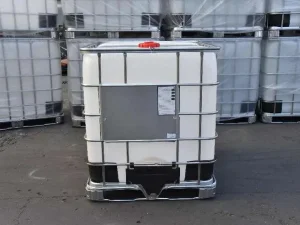
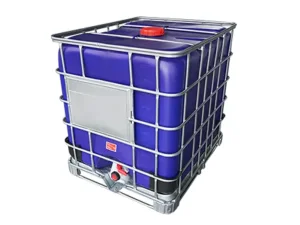
Modern industrial ecosystems—ranging from intermediate bulk container (IBC) tote logistics to specialized medical and aerospace fluid systems—depend on custom plastic parts capable of retaining mechanical properties under harsh operational stress. Key performance metrics such as creep resistance under continuous tension, chemical inertness against aggressive acids, dynamic torque stability in thread designs, and fatigue life under fluctuating thermal conditions have elevated injection molding from basic component production to a highly analytical material science discipline.
Metal-to-Plastic Conversion
Replacing heavy brass, bronze, and stainless steel assemblies with engineering-grade polymers (such as PEEK, POM, and glass-filled HDPE) reduces component weight by up to 65% while eliminating corrosion risks and lowers total life-cycle maintenance costs.
Zero-Defect Quality Mandates
Automated visual sorting, high-resolution optical CMM inspection, and integrated sensor technology ensure that micro-tolerances are rigorously maintained across multi-million part production runs without dimensional drift.
Circular Economy Integration
Modern suppliers must balance ultra-precise mechanical tolerances with green manufacturing principles, incorporating post-consumer recycled resins (PCR) and closed-loop scrap reduction without compromising structural safety margins.
Sub-Micron Tooling Tolerances & Polymer Science
How scientific molding principles and advanced steel cavity design guarantee repeatability across complex mechanical geometries.
Achieving long-term dimensional repeatability in high precision plastic injection parts requires absolute control over three interconnected parameters: Tooling Geometry, Material Rheology, and Injection Process Dynamics. A variance of even 0.01mm in a butterfly valve seat or a screw closure lid can lead to micro-leakage, pressure drops, or premature mechanical failure under load.
| Polymer / Resin Grade | Tensile Strength (MPa) | Heat Deflection Temp (°C @ 0.45 MPa) | Chemical Resistance Profile | Primary Industrial Applications |
|---|---|---|---|---|
| HDPE (High-Density Polyethylene) | 22 – 35 | 75°C – 85°C | Exceptional (Acids, Bases, Alcohols) | IBC Inner Bottles, Vent Covers, Chemical Drums |
| POM (Polyoxymethylene / Acetal) | 60 – 70 | 150°C – 160°C | High (Organic Solvents, Fuels, Oils) | Precision Valve Gears, Internal Thread Couplings |
| PP-R (Polypropylene Random Copolymer) | 25 – 40 | 90°C – 110°C | Excellent (Aqueous Solutions, Salts) | DN50/DN80 Valve Bodies, Sanitary Liquid Transfer |
| PBT (Polybutylene Terephthalate) | 55 – 135 (Glass-Filled) | 200°C – 220°C | High (Hydrocarbons, Dilute Acids) | Heavy-Duty Structural Clamps, Load-Bearing Guards |
| PVDF / Fluoropolymers | 45 – 55 | 145°C – 155°C | Extreme (Concentrated Oxidizing Acids) | Hazardous Chemical Valve Gaskets & Hazardous Seals |
Scientific Injection Molding & Moldflow Analysis (FEA)
Before steel is cut, our engineering teams perform full 3D Moldflow simulations to map cavity filling, gate shear rates, cooling channel efficiency, and volumetric shrinkage. By predicting warpage and air traps in advance, we optimize wall thickness uniformity and eliminate weld-line weakness in stress-critical parts.
The China Manufacturing Edge: Infrastructure, Scale & Speed
Why Tier-1 global procurement buyers source custom precision plastic components from Chinese manufacturing hubs like Linyi, Shandong.
Vertical Supply Chain Integration
China’s industrial manufacturing infrastructure offers unparalleled ecosystem integration. Located in establishing regions such as the Jinluo Technology Industrial Park in Linyi City, facilities like Linyi Dasheng Import & Export Co., Ltd. capitalize on immediate geographic proximity to raw resin refiners, high-grade mold steel suppliers, and specialized heat-treatment plants.
This concentrated ecosystem eliminates weeks of transit delays between design iteration, mold tool fabrication, pilot sampling, and full mass production. What takes Western tooling shops 12 to 16 weeks to execute is routinely completed in China within 3 to 4 weeks—without sacrificing precision or material integrity.
Automated 24/7 Smart Production Cells
China’s modern plastics factories have evolved far beyond manual assembly lines. Today’s premier factories operate fully automated injection molding cells equipped with multi-axis robotic arms, centralized resin drying systems, and closed-loop material feeding channels.
By reducing human intervention during the thermal cycle, automated handling ensures that cycle times are maintained within fractions of a second. This consistency drastically reduces internal stress variations within molded parts, yielding exceptionally stable dimensions across production batches exceeding hundreds of thousands of units.
3 Production Bases
Extensive manufacturing footprint providing dedicated capacity for high-volume wholesale orders and specialized low-volume production.
Rapid Prototype Turnaround
3D printed functional prototypes and single-cavity prototype tooling delivered within days for design validation prior to steel cutting.
Bulk Raw Material Sourcing
Volume purchasing power for prime virgin resins ensures competitive per-unit pricing insulated from short-term market volatility.
Export Logistics Hubs
Direct access to major deep-water ports (Qingdao/Port of Ningbo) streamlines FCL/LCL ocean transport with complete UN and customs paperwork.
Engineered Solutions Across Demanding Industrial Sectors
From hazardous chemical containment to heavy-duty warehouse logistics, explore how our precision parts perform in the field.
Chemical Packaging & IBC Totes
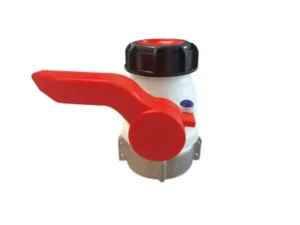
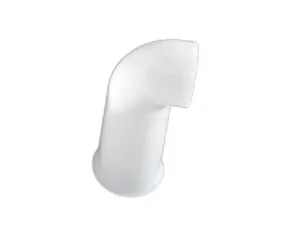
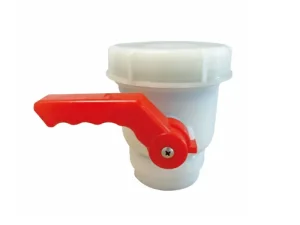
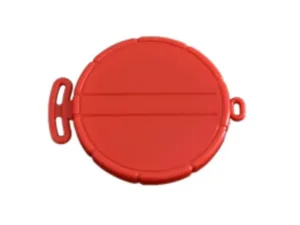
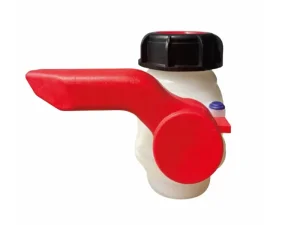
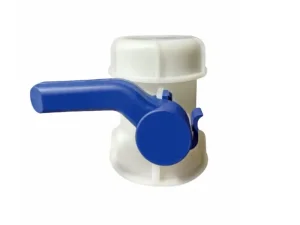
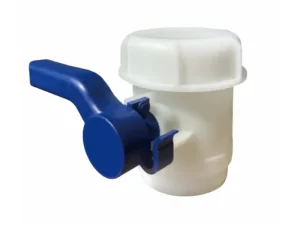
High-precision DN50/DN80 butterfly valves, integrated discharge spouts, and gas-venting breather caps designed to handle aggressive acids, solvents, and hazardous media without degradation.
Food-Grade Material Handling
FDA-compliant, BPA-free resin components molded in sanitary conditions. Ideal for liquid food ingredients, syrup dispense systems, dairy processing, and bulk beverage storage containers.
Logistics & Warehousing Protection
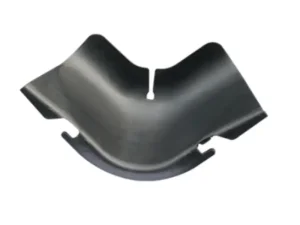
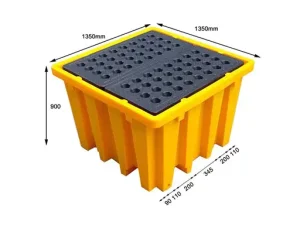
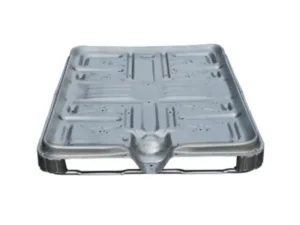
Heavy-duty protective angle corner guards, stackable plastic pallets, dynamic spill pallets, and impact-absorbing bumpers that safeguard bulk cargo during ocean transit and warehouse storage.
Total Cost of Ownership (TCO) Sourcing Checklist
A strategic guide for enterprise sourcing directors to evaluate vendor capability, reduce risk, and optimize unit landed costs.
Key Sourcing Checkpoints
- Tooling Ownership & Maintenance: Ensure contracts explicitly define mold ownership and require free lifetime mold maintenance during mass production.
- Resin Traceability: Verify raw material certs (MTRs) for every batch, guaranteeing 100% prime virgin polymer without unannounced filler substitution.
- Pressure & Hydrostatic Testing: Require factory verification for burst pressure, seal integrity under vacuum, and long-term drop tests.
- Lead Time Buffers: Select suppliers with fast-dispatch standard stock reserves (e.g., 3-day stock turnaround) to absorb sudden demand spikes.
TCO Cost Breakdown Matrix
Unit purchase price represents only a fraction of total landed cost. Partnering with experienced Chinese suppliers reduces hidden defect and delay expenses.
Industry 4.0 & Smart Plastics Manufacturing
How artificial intelligence, IoT cavity sensors, and automated quality loops are shaping the future of wholesale component supply.
In-Cavity Pressure Sensors
Real-time transducers installed directly inside mold cavities measure melt front velocity and pack pressure dynamically, auto-rejecting out-of-spec parts instantly before ejection.
AI-Powered Tooling Maintenance
Predictive analytics track mold shot cycles and thermal wear patterns, scheduling preventive maintenance before flash formation or dimensional drift occurs.
Advanced PCR Polymer Blending
Co-injection molding technologies allow high percentages of recycled material to be encapsulated inside an outer layer of virgin polymer, meeting ESG requirements without sacrificing strength.
High-Precision Precision Engineered Components (Part II)
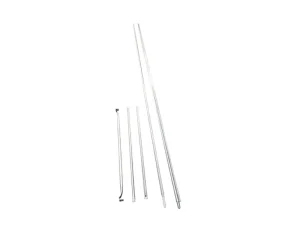
Browse additional specialized valve assemblies, structural steel frames, and industrial pallet components.
Frequently Asked Procurement Questions
Clear, direct answers regarding engineering specifications, tooling lead times, MOQ requirements, and international compliance.