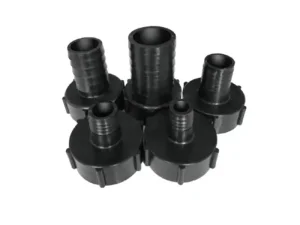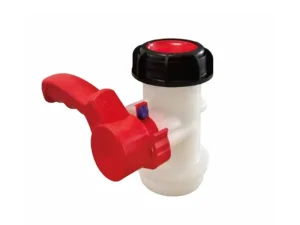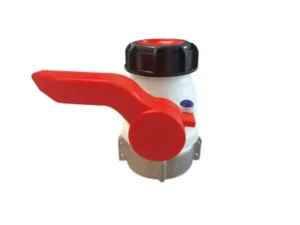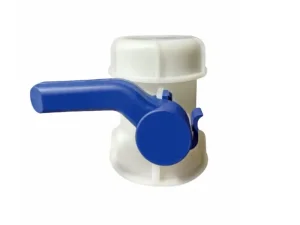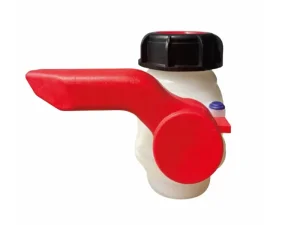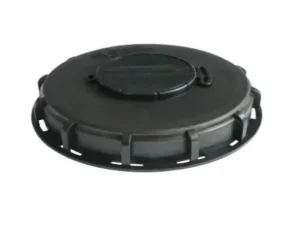
Primary HDPE IBC Caps & Connection Components
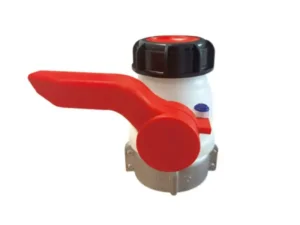
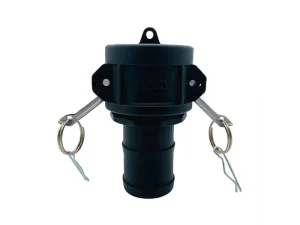
Explore our core factory-direct wholesale inventory of high-density polyethylene covers, precision valves, replacement gaskets, and heavy-duty structural adapters.
Direct Factory Authority & Production Integrity
Operating under Linyi Dasheng Import & Export Co., Ltd. (established in 2000, headquartered in Jinluo Technology Industrial Park, Linyi City, Shandong Province), our manufacturing matrix spans 3 specialized production bases powered by over 300 highly trained technicians. Utilizing state-of-the-art injection tooling maintaining up to 0.005 mm machining precision, we engineer UN-certified High-Density Polyethylene (HDPE) caps, butterfly valves, and containment seals exported to over 30 countries globally.
Executive Summary: Global Industrial Demand for Precision HDPE IBC Caps
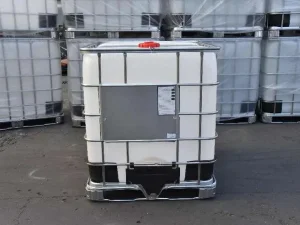
Intermediate Bulk Containers (1000-liter IBC totes) represent the backbone of global industrial fluid logistics, carrying millions of metric tons of raw chemicals, agricultural fertilizers, food ingredients, and pharmaceutical precursors across international trade lanes annually. Within this packaging ecosystem, the top closure cap—specifically the High-Density Polyethylene (HDPE) lid system—serves as the primary barrier preventing chemical volatilization, environmental oxidation, moisture ingress, and hazardous leakage during intermodal freight operations.
Selecting a wholesale HDPE IBC cap supplier requires rigorous evaluation beyond component unit price. Industrial procurement directors, plant engineers, and hazardous materials packaging specialists must evaluate material purity, Environmental Stress Crack Resistance (ESCR), thread profiles (such as standard European S60x6 buttress threads or heavy-duty S100x8 profiles), gasket elastomer compatibility, and pressure compensation mechanism integrations (ePTFE venting membranes). As a primary China manufacturer, our facility delivers end-to-end OEM/ODM custom closure solutions tailored to strict dangerous goods regulations (UN 31HA1 standards).
Polymer Architecture & Polymer Rheology of HDPE 5502
Advanced material science choices dictating mechanical strength, thermal endurance, chemical inertness, and seal tightness.
Polymer Density & MFI Control
We utilize virgin High-Density Polyethylene (specifically grade 5502BM and equivalent high-molecular-weight polymers) exhibiting a precise density profile between 0.952 and 0.965 g/cm³. Controlled Melt Flow Index (MFI ~ 0.35 g/10min) ensures structural rigidity during automated high-speed torque tightening without wall deflection.
Environmental Stress Crack Resistance (ESCR)
Chemical active agents such as surfactants, aggressive organic solvents, and concentrated acids induce polymer chain cleavage under mechanical stress. Our proprietary masterbatch formulations pass ASTM D1693 ESCR testing exceeding 1,000 hours under 10% Igepal CO-630 immersion without micro-fracturing.
Thermal Stability Spectrum
Factory caps retain dimensional stability across thermal operational envelopes ranging from cryogenic export environments (-40°C) up to hot-fill chemical discharge operations reaching +80°C. Molded threads maintain pitch accuracy without thermal creeping.
Technical Engineering Matrix: HDPE Cap Specifications vs. Application Thresholds
| Cap Metric / Feature | Standard 150mm Solid Cap | Vented 150mm Breathable Cap | 225mm Heavy-Duty Top Cover | High-Purity Hygienic Cap |
|---|---|---|---|---|
| Primary Polymer | Virgin HDPE 5502BM | Virgin HDPE + ePTFE Membrane | High-Impact Polymer Blend | FDA 21 CFR 177.1520 HDPE |
| Thread Profile | S160x7 / S150x6 Buttress | S160x7 / Integrated 2" Bung | S245x10 Coarse Thread | ISO Metric / Sanity Tri-Clamp Insert |
| Gasket Polymer Options | EPDM / NBR Rubber | EPDM + Hydrophobic Venting | Viton (FKM) / PTFE Enclosed | Food-Grade Silicone (FDA) |
| Pressure Relief (Venting) | Non-Vented (Hermetic) | 0.02 - 0.05 bar (Automatic) | Optional 2" Center Valve | Sterile Micro-Porous Filter |
| UN Hazmat Rating | UN 31HA1/Y Standard | UN Certified Gassing Media | UN 31HA1/Z High Density | Cleanroom Molded / Non-UN |
Industrial Capability Metrics & Manufacturing Scale
High-speed automated injection molding infrastructure delivering uniform wall consistency and zero-defect seal integrity.
Global Market Dynamics & Localized Industrial Application Scenarios
Analyzing cross-regional regulatory demands, chemical handling protocols, and supply chain operating conditions across major global industrial hubs.
North American Chemical Corridors (US & Canada)
High concentration of petrochemical refiners and agrochemical formulators along the US Gulf Coast requires DOT-compliant, heavy-duty 150mm HDPE caps integrated with Viton gaskets resistant to aromatic hydrocarbons, chlor-alkalis, and hydraulic fluids. Temperature cyclic endurance is essential for transcontinental rail transport.
European Union Circular Economy & ADR Compliance
EU REACH chemical compliance and ADR hazardous goods transit regulations prioritize reusable, 100% recyclable mono-material HDPE closures equipped with tamper-evident indicator rings. Reconditioning facilities across Rotterdam and Hamburg rely on standardized S160x7 thread pitches for automated high-torque washing systems.
Asia-Pacific Rapid Industrial Expansion
Massive growth in electronics manufacturing, battery chemical synthesis (lithium-ion precursor solvents), and palm oil processing across China, Southeast Asia, and India drives demand for vented ePTFE HDPE caps preventing container swelling under high ambient equatorial temperatures.
Micro-Venting Membranes & Elastomer Sealing Compatibility
Preventing structural tote deformation (implosion & bulging) while maintaining 100% hermetic liquid retention.
1. Expanded Polytetrafluoroethylene (ePTFE) Membrane Integration
When storing gas-generating compounds—such as sodium hypochlorite, concentrated hydrogen peroxide, peracetic acid, or organic liquid fertilizers—internal pressure buildup can distort the outer steel cage of an IBC tote or burst bottle welds. Our factory embeds hydrophobic and oleophobic microporous ePTFE membranes inside the central boss of the HDPE cap.
- Gas Flow Rate: Vents up to 80-150 Liters of gas per hour at 20 mbar differential pressure.
- Liquid Entry Pressure (LEP): Exceeds 1.5 bar, preventing liquid passage even when totes tip during transport.
- Oleophobic Rating: Grade 8 oleophobicity resists low-surface-tension surfactant blinding.
2. Precision Elastomer Gasket Selection Architecture
A cap is only as resilient as its underlying sealing ring. We precision-mold elastomeric profiles matching the inner sealing ring recess of our HDPE covers:
- EPDM (Ethylene Propylene Diene Monomer): Superior resistance to polar solvents, aqueous acids, alkalis, and steam. Excellent outdoor UV aging resistance.
- Viton / FKM (Fluorocarbon Elastomer): Mandatory for aggressive non-polar hydrocarbons, aromatic solvents (benzene, toluene), and concentrated mineral acids.
- PTFE-Encapsulated Silicone: Combines the chemical inertness of virgin PTFE envelope with the compression-set elasticity of inner silicone core for food/pharmaceutical purity.
OEM/ODM Tooling & Quality Control Execution Roadmap
From 3D Mold Flow Simulation to Automated Injection Molding and 100% Pressure-Leak Mass Inspection.
Phase 1: Mold Flow & Tooling Design
Engineers perform computer-aided Mold Flow Analysis to eliminate weld lines, micro-voids, and differential shrinkage across thread crests. In-house CNC tooling achieves ultra-precise tolerances up to 0.005 mm.
Phase 2: High-Pressure Injection Molding
Fully automated robotic injection presses mold caps under computer-controlled cavity pressure and cooling temperature cycles. This guarantees consistent torque resistance and zero internal strain stress.
Phase 3: Automated Leak & Drop Testing
Every cap production batch undergoes rigorous pressure decay leak testing, cold-impact drop tests at -20°C, and thread stripping torque tests exceeding 75 Nm prior to export packaging.
Technical FAQ: Wholesale HDPE IBC Cap Sourcing & Engineering
Detailed answers to critical industrial procurement questions, semantic intent queries, and engineering field inquiries.
Why is Virgin HDPE preferred over recycled regrind for manufacturing IBC caps?
Virgin High-Density Polyethylene (HDPE 5502BM) provides uniform polymer chain length and known molecular weight distribution. Recycled regrind material contains unpredictable trace contaminants, variable Melt Flow Index, and micro-inclusions that drastically reduce Environmental Stress Crack Resistance (ESCR). Under heavy torque application or long-term chemical vapor contact, caps made from recycled plastic suffer brittle cracking, leading to severe leakages during transport.
How do I verify if an S60x6 or S150x6 cap thread will fit my existing IBC tote bottle?
Standard European IBC totes (such as Schutz, Mauser, Greif, and Werit) typically utilize top openings with an S150x6 or S160x7 coarse buttress thread. "S150x6" indicates a nominal outer thread diameter of 150mm with a thread pitch of 6mm between crests. Measure the outer crest-to-crest diameter of your container's top neck with digital calipers; if it measures approximately 150mm with heavy 6mm saw-tooth pitch, standard S150 caps will fit perfectly.
What causes IBC totes to collapse inwards during fluid discharge, and how does a vented cap solve this?
When high-volume bottom discharge valves (such as DN50 or DN80 butterfly valves) open without a top vent open, rapid liquid evacuation creates a severe internal vacuum. If the top cap is completely sealed (hermetic), external atmospheric pressure crushes the thin-walled HDPE inner bottle. Installing an HDPE cap with an integrated ePTFE automatic pressure balance valve allows air to enter during discharge while maintaining liquid-tight security during transit.
What gasket material should be specified for storing highly concentrated nitric acid or organic solvents?
Standard EPDM rubber gaskets degrade rapidly under oxidation from concentrated nitric acid or aggressive solvents like toluene and xylene. For oxidizing acids and harsh organic solvents, we recommend specifying Viton (FKM) gaskets or PTFE-encapsulated elastomeric seals, which maintain total chemical inertness up to high temperature limits.
What is the standard torque requirement when securing wholesale HDPE caps on assembly lines?
For standard 150mm HDPE top caps fitted with EPDM or Viton gaskets, recommended closing torque on industrial automated filling lines ranges between 65 Nm and 75 Nm (Newton meters). Under-tightening (< 50 Nm) risks seal separation under vibration, while over-tightening (> 90 Nm) can distort the elastomeric gasket or strip plastic threads.
Can Linyi Dasheng produce custom OEM colors, branding logos, and anti-tamper features?
Yes. As a direct manufacturer with 3 production bases in Linyi, Shandong, we offer complete OEM/ODM customization. We produce caps in custom RAL colors (red, blue, black, yellow, green) for chemical hazard categorization, mold custom company logos directly onto the plastic top boss, and integrate tear-off tamper-evident security rings or wire seal holes for supply chain anti-theft tracking.
What packaging and lead times apply to wholesale export orders?
Standard catalog HDPE caps and adapters maintained in bulk stock are ready for container loading within approx. 3 business days. Custom OEM mold projects or specialized color masterbatch runs require approximately 15-20 days. All caps are poly-bagged and packed in heavy-duty corrugated export cartons stacked on heat-treated ISPM-15 wooden or plastic pallets.
Complete Wholesale Product Inventory & Accessories
Explore our extended series of butterfly valves, quick connectors, replacement seals, corner guards, and steel frame assemblies for complete container maintenance.