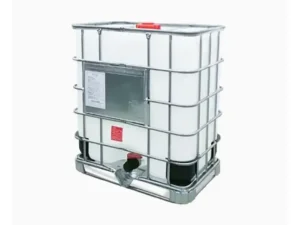
Featured Food-Grade 1000L IBC Tanks & Precision Componentry
Explore factory-direct wholesale components engineered for extreme structural integrity, airtight hermetic sealing, and global compliance.
1. Global Commercial & Industrial Landscape for Food-Grade Bulk Liquid Transport
Analyzing market growth drivers, global compliance shifts, and procurement dynamics in the 1000L Intermediate Bulk Container (IBC) manufacturing ecosystem.
Macro Supply Chain Shift Toward Reusable Rigid IBCs
The global industrial liquid packaging market has underwent a major structural transition. Companies moving away from traditional single-use steel drums and low-density flexitanks are prioritizing 1000L food-grade rigid Intermediate Bulk Containers (IBC totes). Driven by strict international decarbonization mandates and stringent food safety protocols (such as FSMA in the United States and EU Regulation 1935/2004), enterprise procurement divisions are standardizing their multi-modal liquid logistics around modular, high-density polyethylene (HDPE) container units.
A single 1000L IBC tank effectively replaces five 200-liter (55-gallon) drums. This volumetric consolidation yields a 35% improvement in cube utilization during intermodal ocean transport and truck freight, drastically lowering cost-per-liter shipping metrics for global food conglomerates handling edible oils, high-fructose corn syrups, dairy concentrates, liquid eggs, and wine masterbatches.
The Critical Imperative of Zero Cross-Contamination
Within the food and beverage industry, packaging failure translates directly to catastrophic batch loss, biosecurity risks, and severe regulatory recalls. Traditional bulk containers often suffer from micro-porosity, chemical leaching, stress-cracking, or valve gasket degradation when exposed to acidic food additives or fatty oils.
Furthermore, global export markets require fully traceable supply chains. Direct factory-sourced IBC containers must feature laser-engraved stainless steel nameplates, batch-tracked valve assemblies, and certified tamper-evident seals to preserve chain-of-custody integrity from factory floor to global end-user.
2. Technical Roadmap & Engineering Specs of Food-Grade 1000L IBC Containers
An engineering evaluation of high-density polyethylene polymer blow molding, cage structural dynamics, and valve seal chemistry.
Advanced Polymeric Inner Bottle Blow Molding
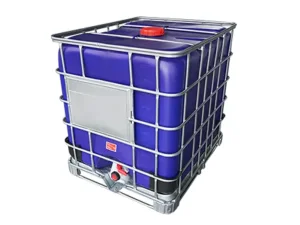
The core structural integrity of a food-grade 1000L IBC tank lies in its inner bottle polymer formula. Premier wholesale manufacturers utilize High-Density Polyethylene (HDPE) with high molecular weight (HMW-HDPE) processed via multi-layer continuous co-extrusion blow molding machines.
- Wall Thickness Uniformity: Computer-controlled 128-point parison programming ensures uniform corner wall thickness, avoiding localized thinning under hydrodynamic surge stress.
- Light-Proof & UV Protection: For light-sensitive liquid food ingredients (such as cold-pressed oils or liquid vitamins), specialized opaque blue or multi-layer UV-blocking formulations absorb up to 90%+ of damaging ultraviolet wavelengths.
- Smooth Inner Wall Finish: Ultra-polished interior surfaces prevent microbial attachment, residue buildup, and allow 99.8% liquid drainage during discharge.
Structural Tubular Cage & Base Pallet Engineering
The external framework must withstand high stacking pressures during multi-tier warehouse storage and dynamic G-forces experienced during ocean and rail freight.
- Galvanized Steel Grid Cage: Constructed from automated robotic-welded zinc-coated tubular steel, providing corrosion resistance against washing sanitizers and ambient sea-salt humidity.
- Integrated Anti-Sloshing Mechanics: Optional internal plastic baffles minimize liquid movement (sloshing effect) inside the tote during transit, mitigating kinetic load transfer during sudden vehicle braking.
- Multi-Material Base Pallets: Available in hot-dip galvanized steel, light-weight aluminum, or heavy-duty injection-molded plastic bases featuring 4-way forklift and pallet-jack entry profiles.
Fluid Control Valves, Lids & Gasket Chemistry
Preventing leakages requires precise tolerance matching across all threaded ports, pressure relief vents, and bottom outlet valve body designs.
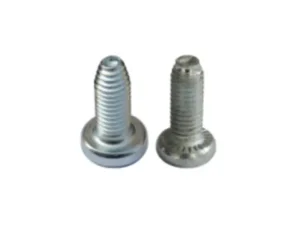
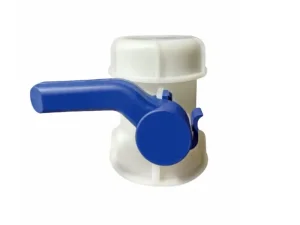
- Integrated DN50 & DN80 Butterfly Valves: Engineered with welded or screw-fit body connections, featuring high-precision PTFE (Teflon) or food-grade EPDM / Silicone sealing washers for leak-proof action.
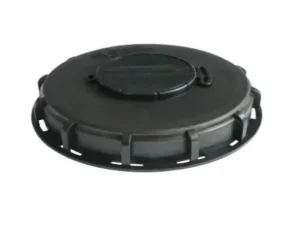
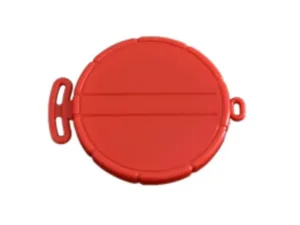
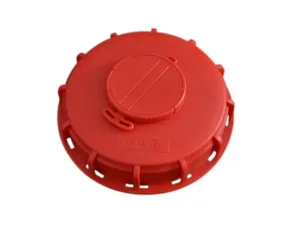
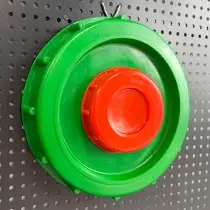
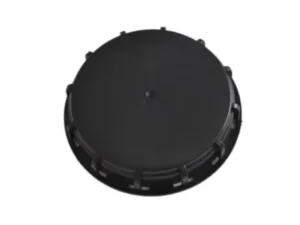
- Breathable Vented Top Covers: S245x6 and DN150 lid assemblies with integrated automatic pressure-relief valves equalizing internal pressure differentials during thermal shifts or high-speed pumping operations.
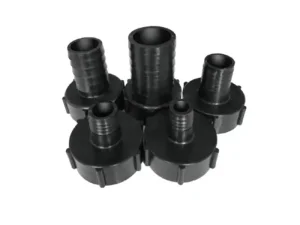
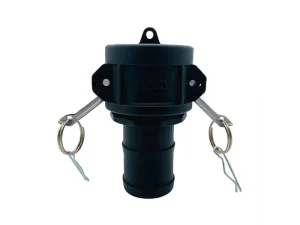
- Quick-Connect Camlock Fittings: Food-grade stainless steel (SS304/SS316) and reinforced polypropylene adapters for seamless connection to industrial transfer hoses.
3. Global Procurement Demand & Total Cost of Ownership (TCO) Optimization
How direct procurement from China IBC manufacturing hubs streamlines operational expenditure for multinational enterprises.
For B2B procurement managers, supply chain directors, and packaging engineers, selecting a wholesale food-grade 1000L IBC tank factory goes beyond calculating the unit purchase price. The evaluation matrix centers on Total Cost of Ownership (TCO), which factors in container tare weight, reuse lifecycle durability, cleaning efficiency, and return-logistics footprint.
While flexitanks offer low initial purchase costs, they generate massive non-recyclable solid waste, risk catastrophic sidewall tears during transit, and require labor-intensive manual installation. Steel drums require heavy labor to handle individually and suffer from interior lining degradation over time. A certified food-grade 1000L HDPE IBC container offers a reusable lifespan of 5 to 10+ years (when re-bottled or clean-washed), providing the lowest operational expense per liter shipped over its operational lifecycle.
Sourcing Direct from China Factory Complexes
China's advanced manufacturing hubs—particularly specialized industrial clusters in Shandong—combine massive raw resin bulk purchasing leverage with fully automated, robotic blow-molding production lines. This concentrated supply chain network delivers distinct structural advantages to international buyers:
- Economies of Scale: Direct factory pricing without intermediary distributor markup.
- Precision OEM/ODM Customization: Custom mold design, color matching (e.g., UV-blocking blue, black, or natural translucent), custom branding hot-stamping, and tailored valve standard fittings.
- Rapid Production & Freight Dispatch: Enterprise factories holding raw material and standardized component stock can execute order turnaround and container loading within ~3 to 7 days.
Logistics Matrix & Container Loading Dynamics
Optimizing shipping container payload density is vital for controlling international ocean freight costs. Standard 1000L IBC tanks are dimensionalized to fit ISO sea containers with minimal wasted space:
- 20ft ISO Dry Container: Fits 18 to 20 units of 1000L IBC tanks (unstacked or 2-high depending on gross weight limits).
- 40ft High Cube (HC) Container: Fits 42 to 44 units of 1000L IBC tanks stacked efficiently, maximizing volumetric load efficiency.
- Nested Frame Shipping Option: Bulk shipping of standalone HDPE bottles, disassembled cages, and pallets allows up to 2.5x more units per shipping container for overseas assembly plants.
4. Macro Industry Solutions & Multi-Sector Application Architecture
Tailored technical container configurations for food additives, beverage concentrates, dairy products, and active ingredients.
Beverage Concentrates & Syrups
High-viscosity ingredients like liquid sugar, malt extracts, and fruit juice concentrates demand rapid, unassisted discharge to maintain plant throughput.
Configured Solution: 1000L HDPE IBC with DN80 large-bore bottom butterfly valve, smooth inner wall finish, and an upper S245x6 breathable lid with a vacuum-break inner plug to prevent tank collapsing during high-flow pump out.
Edible Oils, Fats & Oleochemicals
Palm oil, sunflower oil, and food-grade glycerin can solidify or oxidize when exposed to air, light, or cold temperatures.
Configured Solution: Light-resistant opaque blue/black IBC inner bottle with 90%+ UV blocking resin, paired with high-temperature resistant PTFE valve gaskets and optional bottom thermal heating jacket compatibility for molten discharge.
Pharma-Grade Intermediates & Food Additives
Ultra-pure additives, liquid enzymes, flavorings, and oral pharmaceutical solutions mandate absolute sterility and leak containment.
Configured Solution: ISO Class 7 cleanroom blow-molded virgin HDPE bottle, completely free of silicone oils or heavy metals, equipped with a tamper-evident sealed valve lock and stainless steel identity tag.
5. Localized Support, Regulatory Compliance & Quality Assurance Framework
Navigating global food contact compliance standards and dangerous goods packaging certifications.
Deploying packaging across international borders requires rigorous compliance with food-contact materials legislation. A reputable 1000L food-grade IBC tank factory operates under fully audited quality management systems (ISO 9001:2015, ISO 22000, and HACCP) to verify that every component coming into contact with food is completely safe.
Global Food Contact Regulatory Standards
- US FDA 21 CFR 177.1520: Verifies that high-density polyethylene polymer resins meet strict purity standards for direct contact with aqueous, acidic, and fatty foods without risk of harmful chemical migration.
- EU Regulation (EC) No 1935/2004 & No 10/2011: Mandates comprehensive Overall Migration Limits (OML) and Specific Migration Limits (SML) testing, verified by third-party laboratories (SGS, TUV, Intertek).
- Heavy Metals & Phthalates Free: Guarantees zero plasticizers, bisphenol A (BPA), or restricted heavy metal stabilizers (Pb, Cd, Hg, Cr VI) are present in the polymer matrix.
UN Certification for Hazardous Food Ingredients
Certain food additives (such as concentrated acetic acid, flavor compounds containing alcohol, or acidic preservatives) fall under United Nations Dangerous Goods regulations (UN Marking).
- Vibration & Drop Testing: Drop tests performed at -18°C conditioning to ensure zero brittle cracking upon impacts.
- Hydrostatic & Hydraulic Pressure Tests: Pressure tested up to 100 kPa to guarantee seal integrity under extreme pressure variance.
- Stacking Load Test: Verified to support a top load equal to 3 fully loaded IBC totes stacked vertically for 28 days at elevated temperatures.
6. Technical Comparison Matrix: Bulk Packaging Systems
Objective engineering comparison evaluating functional efficiency, costs, safety, and reusability.
| Performance Specification | Food-Grade 1000L HDPE IBC | 55-Gallon Steel Drums (x5) | Single-Use Flexitank | Stainless Steel IBC (316L) |
|---|---|---|---|---|
| Volumetric Capacity | 1000 Liters | 1000 Liters (5x 200L) | 14,000 - 24,000 Liters | 1000 Liters |
| Tare Weight (Empty) | ~55 - 65 kg | ~100 kg (total 5 drums) | ~50 kg (liner only) | ~180 - 220 kg |
| Cube Utilization (20ft Container) | High (18-20 Units) | Moderate (80 Drums) | Maximum (1 Flexitank) | High (18-20 Units) |
| Reusability & Life Cycle | High (5-10+ Years / Re-bottlable) | Moderate (Requires reconditioning) | Zero (Single-Use Waste) | Extreme (15-20+ Years) |
| Initial Capital Expenditure | Low to Moderate | Moderate | Low (Per trip) | Extremely High (5x-8x HDPE) |
| Risk of Rupture / Leakage | Very Low (Steel cage protected) | Low | High (Sidewall puncture risk) | Zero |
| Cleaning & Sanitize Effort | Fast (Smooth bottle / replace bottle) | Labor intensive | N/A (Disposed) | Rigorous CIP / Steam sterilization |
7. Future Outlook & Sustainable Manufacturing Roadmap (2026–2030)
Emerging innovations reshaping the future of factory-direct intermediate bulk container manufacturing.
Circular Economy & Post-Consumer Recycled (PCR) Integration
While food-contact regulations mandate 100% virgin polymer for the inner bottle, next-generation 1000L IBC factories are introducing multi-layer co-extrusion technology. This enables the outer protective layer of the inner bottle to incorporate PCR plastic, while maintaining a pure virgin FDA-compliant inner liner. Furthermore, bottom pallet bases are transitioning toward 100% recycled industrial plastics.
Smart IoT Telemetry & Asset Tracking
The integration of ultra-low-power cellular IoT sensors directly into the IBC top cover or steel cage frame enables real-time logistics transparency. Enterprise buyers can remotely track internal liquid volume level, liquid temperature, dynamic GPS location, shock/impact events, and unauthorized opening detection during long ocean voyages.
Advanced Lightweighting & Bio-Based Polymers
Through finite element analysis (FEA) computer simulation, structural engineers are optimizing cage tube geometry to reduce total metal tare weight by up to 12% without sacrificing stacking strength. Simultaneously, R&D is paving the way for bio-based polyethylene resins derived from sugarcane feedstocks, drastically reducing product carbon footprint.
8. Frequently Asked Questions (Technical & Procurement Guidance)
Expert answers to common engineering, regulatory, and logistics queries from global IBC container purchasers.
Complete Specialized IBC Accessories & Replacement Parts Catalog
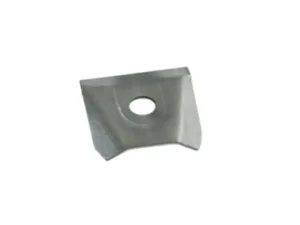
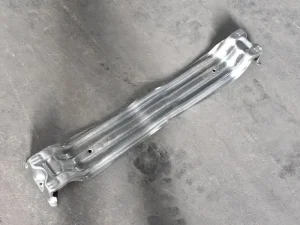
Factory-direct fittings, quick adapters, replacement covers, and structural replacement bars for container fleet maintenance.