
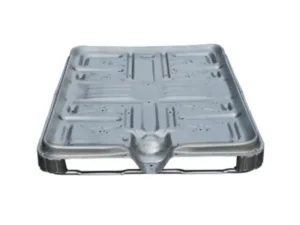
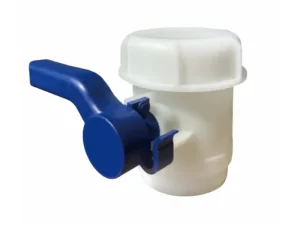
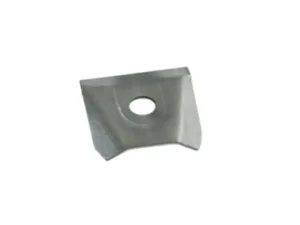
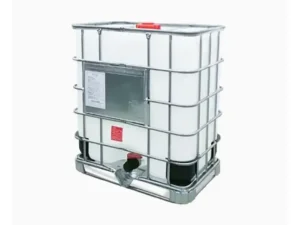
Featured Industrial Crate & IBC Components
Precision-engineered structural bases, valves, lids, and protective systems manufactured to rigorous international standards for seamless bulk supply chains.
1. Paradigm Shift in Returnable Packaging: Why Foldable Crates Redefine TCO
In the modern hyper-optimized global supply chain, static, rigid wooden and non-collapsible plastic containers represent a structural cost inefficiency. Modern enterprise procurement teams are pivoting aggressively toward collapsible polymer packaging networks.
The transition from single-use corrugated box networks and fixed-frame wooden crates to heavy-duty foldable crates (also known as collapsible sleeve packs, bulk foldable containers, and smart folding crates) fundamentally alters the Total Cost of Ownership (TCO) equation. By engineering dynamic folding mechanisms into high-impact polypropylene (PP) and high-density polyethylene (HDPE) matrixes, verified manufacturers achieve a return ratio up to **1:4 or 1:7**. This means for every seven outbound loaded containers shipped, a single return transport vehicle can haul the empty, collapsed crates back to the OEM facility.
Furthermore, when selecting a **Wholesale Crate Foldable Manufacturer & Supplier**, supply chain executives must analyze the structural mechanics of the folding hinges, latches, and side-wall structural ribs. Inferior foldable crates fail at the hinge pivot under high dynamic strain during truck freight vibration. Premier manufacturing partners integrate continuous steel pivot pins, reinforced ergonomic latches, and FEA (Finite Element Analysis) tested wall profiles to guarantee long-term operational integrity across thousands of collapse-and-erect cycles.
2. Polymer Science & Load-Bearing Physics
The engineering behind enterprise-grade foldable crates relies on sophisticated resin chemistry and structural geometry designed to withstand multi-ton stacking forces.
Top-tier manufacturing facilities utilize virgin high-molecular-weight High-Density Polyethylene (HMW-HDPE) or impact-modified Polypropylene Block Copolymers (PP-C). This molecular composition ensures high flexural modulus, superior creep resistance under continuous static stacking loads, and high notch-impact strength even in sub-zero cold-chain warehousing (-20°C to -40°C).
- Static Load Capacity: Up to 4,000 kg (4:1 safety factor stack ratio in warehouse setups).
- Dynamic Load Rating: Engineered for 1,000 kg to 1,500 kg during active forklift transport over rough industrial flooring.
- Interlocking Rim Topography: Anti-slip perimeter lip designs prevent crate slippage during sharp transport turns.
Structural Performance Comparison Matrix
| Packaging Attribute | Foldable Polymer Crate | Rigid Wooden Crate | Corrugated Fiberboard |
|---|---|---|---|
| Reverse Logistics Space | Savings up to 80% | 0% (Fixed Volume) | Flattened (Low Reuse) |
| Moisture / Chemical Resistance | 100% Impervious | Absorbs / Rots | Degrades rapidly |
| Moist & Cold Storage Stacking | Zero Loss Strength | Warping Risk | 70% Loss of Rigidity |
| Cleaning & Hygiene | Sanitizable / Washable | Porous / Splinters | Single Use Only |
3. China Factory Supply Chain Advantages & Industrial Economies of Scale
Understanding the structural cost competitiveness, precision tooling capability, and raw material access that make Chinese packaging manufacturers the world leaders in B2B supply chains.
In-House Precision Tooling
Leading Chinese manufacturing hubs house advanced multi-axis CNC machining centers and high-tonnage injection molding machines (up to 3,500 tons of clamping force). Mold tolerances down to 0.005 mm guarantee seamless wall panel interlocking and zero flash line defects on lid seals and crate hinges.
Upstream Polymer Integration
Proximity to world-class petrochemical refining centers allows direct bulk sourcing of resin pellets. Chinese manufacturers can seamlessly formulate customized flame-retardant (UL94-V0), anti-static (ESD safe), or UV-stabilized polymer matrixes at significantly reduced raw material markups.
Rapid OEM/ODM Scalability
From initial CAD modeling and Mold Flow Analysis (MFA) to rapid 3D-printed prototyping and high-volume mass production, Chinese factories offer turnaround times that are 40% to 60% faster than Western counterparts, accelerating product time-to-market.
4. Global Enterprise Procurement Needs: Compliance, Traceability & Standardization
When enterprise procurement officers source wholesale foldable crates and integrated IBC container systems, regulatory compliance and global interoperability are mandatory baseline requirements.
International logistics operations cross multiple jurisdiction borders, requiring stringent adherence to environmental, safety, and hygiene frameworks:
Food & Pharmaceutical Compliance
Foldable crates destined for agricultural harvesting, meat handling, or active pharmaceutical ingredients (API) transport must strictly utilize **FDA 21 CFR 177.1520** compliant virgin resins or European Union **EU Regulation No 10/2011** certified polymers. Smooth interior walls prevent bacterial harborages and withstand high-pressure hot water sanitization (CIP processes).
Hazardous Goods & UN Certification
For heavy liquid packaging, IBC containers and collapsible bulk bins carrying dangerous chemicals must comply with UN Recommendations on the Transport of Dangerous Goods. This involves drop tests from 1.9 meters at -18°C, hydraulic pressure testing up to 100-200 kPa, and vibration testing under ASTM D4169 standards.
In addition, modern Automated Storage and Retrieval Systems (ASRS) and robotic warehouse environments demand ultra-precise exterior dimensional tolerances (±1.5 mm). Wholesale suppliers must ensure that foldable crates feature standardized base configurations, robotic pickup slots, and integrated recessed zones for barcode and RFID tags to facilitate Industry 4.0 automated tracking.
5. Emerging Industry Trends: IoT-Enabled Smart Crates & Circular Economy
The convergence of industrial IoT technology and sustainable packaging materials is reshaping how global enterprises monitor, manage, and recycle collapsible container fleets.
Smart Sensor Integration
Next-generation foldable crates are manufactured with specialized structural pockets designed to house ultra-low-power Bluetooth Low Energy (BLE), LoRaWAN, or active RFID tracking beacons. Supply chain managers gain real-time visibility into internal crate temperature, relative humidity, shock impact events, and precise GPS location throughout transit.
Closed-Loop Circularity
Corporate ESG initiatives mandate the elimination of single-use plastics. Advanced suppliers now implement "Buy-Back & Re-granulate" closed-loop lifecycles. At the end of a crate's 5- to 10-year operational life, the degraded polymer is collected, washed, re-granulated, and blended at certified ratios into non-food-contact structural components or pallet bases.
Hybrid Light-Weighting Metallurgy
To maximize payload capacity under strict over-the-road vehicle weight limits, manufacturers are combining ultra-light aluminum alloy support beams and crossbars with high-rigidity structural foam injection-molded walls. This hybrid construction reduces container tare weight by up to 18% without sacrificing stacking strength.
6. Localized Application Scenarios & Sector Deployment Profiles
Tailoring foldable crate dimensions, wall ventilation, and load specifications to diverse global industrial environments.
Automotive & CKD Component Supply Lines
In Automotive OEM tier-1 supply networks, standardized foldable crates (such as Euro-KLT and VDA-compliant dimensions) are used to transport heavy engine blocks, stampings, and electronics. Custom dunnage inserts (EVA foam, textile sleeves) lock into crate side-walls, eliminating scratch damage while allowing clean robotic loading on automated assembly lines.
Fresh Produce & Cold-Chain Agriculture
Perishable agricultural goods require high air movement to dissipate metabolic heat. Specialized vented foldable crates feature optimized side-wall perforation patterns that accelerate hydro-cooling and forced-air chilling cycles in cold storage facilities, while smooth, burr-free interior surfaces prevent fruit bruising during field harvesting.
Chemical Bulk Transfer & Reusable IBC Systems
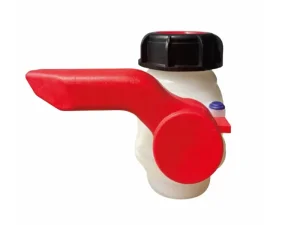
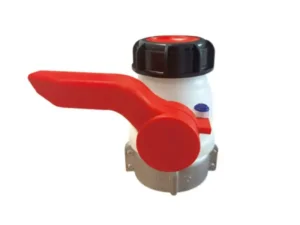
When handling liquid raw materials, viscous resins, or food ingredients (syrups, oils), collapsible IBC tote containers equipped with replaceable multi-layer aseptic pillow liners offer the ultimate hygiene solution. Once drained via bottom DN50/DN80 butterfly valves, the outer crate folds flat, saving massive freight costs on return trips.
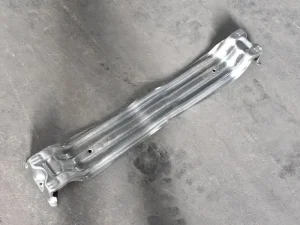
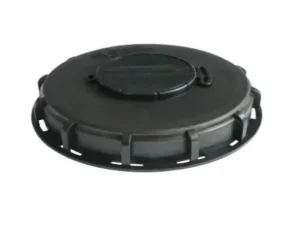
Essential Replacement Parts, Valves & Accessories
Comprehensive OEM aftermarket solutions engineered for long-term tote maintenance, zero-leak fluid handling, and frame reinforcement.
Frequently Asked Questions (Technical & Commercial FAQ)
Clear, expert engineering answers to assist global B2B buyers in evaluating wholesale foldable crates, custom tooling, and IBC component integration.