
High-Performance IBC Tanks & Replacement Fittings
Explore our precision-engineered components, replacement valves, specialized frames, and structural accessories manufactured for hazardous and non-hazardous liquid storage.
Modern Intermediate Bulk Container Architecture & Global Sourcing Optimization
Understanding the engineering parameters, materials integrity, and supply chain efficiencies of complete 1000L IBC totes for international industrial procurement.
In the contemporary global chemical, food processing, and agricultural distribution sectors, the choice of liquid containment systems directly dictates operational safety, freight cost efficiency, and total cost of ownership (TCO). As a premier wholesale complete IBC tank supplier, our engineering paradigm revolves around multi-layered barrier technologies, structural frame mechanics, and high-integrity valve sealing assemblies built to withstand extreme environmental stress.
Intermediate Bulk Containers (commonly designated as IBC totes or rigid plastic-steel composite IBCs) represent the pinnacle of liquid logistics unitization. Occupying the spatial footprint of standard ISO pallets (1200 mm × 1000 mm), a single 1000-liter complete IBC tank effectively replaces five 55-gallon (205L) steel or plastic drums, reducing handling times by up to 75% and minimizing residual product loss to under 0.1% when configured with precision bottom-discharge valves.
Information Gain: Material Density & Structural Hydrostatics
Standard complete IBC tanks engineered in advanced Chinese manufacturing facilities utilize High-Molecular-Weight High-Density Polyethylene (HDPE-HMW) extruded via continuous multi-layer co-extrusion blow molding. This results in superior Environmental Stress Crack Resistance (ESCR) when exposed to aggressive surfactants, organic solvents, and concentrated acids.
Anatomy of a Complete IBC Tank Assembly
A comprehensive systemic breakdown of every structural component engineered for structural resilience, leak prevention, and thermal stability.
HDPE Inner Bottle Container
Blow-molded using pure virgin PE100 / HDPE polymer infused with specialized UV-stabilizer additives (Carbon Black or hindered amine light stabilizers).
- Wall thickness uniformity: 3.5mm – 6.0mm
- Anti-static outer layer options for Zone 1/2 hazardous environments
- Translucent volume graduation scales permanently molded into bottle exterior
Galvanized Outer Cage Frame
Constructed from high-tensile tubular steel profiles welded automatically in computerized mesh grids and hot-dip galvanized for extreme corrosion resistance.
- Zinc coating density: ≥ 275 g/m² complying with ISO 1461
- Four-corner plastic protective guards for kinetic shock dissipation
- Reinforced transom support bars for maximum stacking stability
Integrated Discharge Valve & Sealing
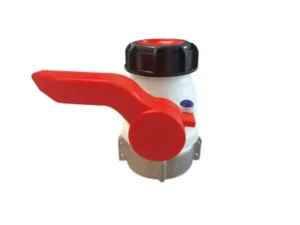
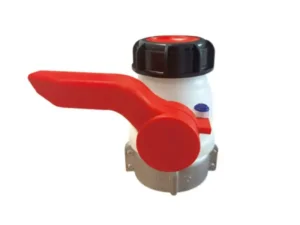
DN50 (2-inch) and DN80 (3-inch) heavy-duty butterfly or ball valves featuring customizable elastomer seals engineered for chemical inertness.
- Gasket sealing options: EPDM, NBR, FKM (Viton), PTFE-encapsulated
- Double-lock safety catch mechanism to prevent accidental opening
- Dust caps and security sealing wire lugs for tamper-evident transit
Why Sourcing Complete IBC Tanks from China Factory Suppliers Yields Competitive Superiority
An in-depth analysis of vertical supply chain integration, raw material scale economies, quality control automation, and custom OEM capabilities.
The global transition toward high-density industrial liquid distribution has centered much of the manufacturing equipment innovation in China's industrial hubs, particularly in Shandong, Jiangsu, and Zhejiang provinces. When global buyers query "Wholesale Complete IBC Tank Supplier & Suppliers", evaluating China's structural production advantages reveals distinct business drivers:
1. End-to-End Vertical Supply Chain Integration
Unlike Western reconditioners or localized assemblers who purchase components from disparate third-party vendors, leading Chinese factories house complete polymer synthesis compounding, high-tonnage injection molding for lids/valves, steel pipe galvanizing, and automated blow-molding lines within unified manufacturing parks.
This vertical synthesis minimizes inter-factory transport friction, cuts lead times for custom component orders down to 3–5 days, and ensures 100% trace-ability from plastic resin pellet batches to final palletized IBC tote shipment.
2. Advanced Mold Engineering & Tooling Precision
Tooling accuracy dictates valve hermeticity and threaded lid seal reliability. Chinese manufacturers utilize CNC machining centers offering mold manufacturing tolerances within 0.005 mm. Flow simulation software optimizes wall thickness distribution during the blow-molding cycle, preventing thin spots at lower container corners.
Furthermore, custom branding, etched stainless steel specification plates, and unique color-coded handling lids can be integrated at fractional tooling costs compared to European or North American mold shops.
Global Compliance: UN Markings and Quality Certification Matrix
To safely transport hazardous goods across international ocean freight corridors, complete IBC tanks must strictly comply with UN recommendations on the Transport of Dangerous Goods. Comprehensive testing routines conducted in certified Chinese laboratory facilities include:
| Test Specification | Standard Test Parameters | Engineering Objective |
|---|---|---|
| Hydraulic Pressure Test | 100 kPa – 200 kPa hydrostatic pressure maintained for 10 minutes | Verifies bottle seam integrity, valve flange seal strength, and pressure resistance. |
| Vibration & Stacking Test | 28-day static stacking load (up to 4600 kg load capacity) at 40°C | Simulates multi-tier warehouse stacking and dynamic high-sea transport vibrations. |
| Drop Test at Extreme Temperatures | Dropped from 1.9 meters height filled to capacity at -18°C conditioning | Evaluates low-temperature resin embrittlement and cage shock energy absorption. |
| Pneumatic Leakproofness Test | Air pressure (20 kPa) under full water immersion or pressure decay sensor | 100% online automated inspection ensuring zero micro-porosity in every valve and bottle. |
Macro Fluid Packaging Deployment Across Diverse Global Sectors
From hazardous chemical refining to pristine food-grade beverage logistics, tailored complete IBC configurations deliver operational excellence.
Chemical & Hazardous Materials
Storage and transit of aggressive reagents, acids, alkalis, coatings, inks, and agrochemicals (e.g., concentrated pesticides, fertilizers).
Configured Spec: Anti-static outer bottle layer, PTFE valve seals, pressure relief vent lid, heavy-duty hot-dip galvanized steel grid, UN 31HA1/Y rating.
Food & Beverage Ingredients
Bulk transport of liquid glucose, edible oils, fruit juices, dairy concentrates, wine, and food additives under strict hygienic conditions.
Configured Spec: 100% FDA-compliant virgin HDPE resin, aseptic fill top opening (225mm lid), steam-cleanable stainless steel valves, steam barrier foils.
Pharmaceutical & Fine Synthetics
High-purity intermediates, active pharmaceutical ingredients (APIs), sterile purified water systems, and specialty solvents.
Configured Spec: Fluorinated (Level 5) HDPE bottle liners to eliminate fluorocarbons leaching, smooth-wall sanitary valve fittings, custom engraved nameplates.
Solution Spotlight: Rainwater Harvesting & Agricultural Aquaponics
Beyond industrial chemicals, repurposed and reconditioned complete IBC totes offer sustainable macro-solutions for agricultural irrigation, remote construction site water storage, and closed-loop aquaponics systems. Their stackable modular design allows rapid installation of high-capacity water banks without permanent civil engineering costs.
Enterprise Sourcing Framework & Total Cost of Ownership (TCO) Analysis
Key parameters for procurement directors evaluating wholesale supplier proposals, freight optimization, and long-term asset management.
Procuring industrial bulk packaging is not simply a unit-price negotiation; it requires evaluating freight density, tare weight, structural longevity, and recycling asset value. Procurement teams should analyze the following core vectors when negotiating with a wholesale complete IBC tank supplier:
Container Payload & Shipping Logistics Optimization
Standard ocean freight 40-foot High Cube (40' HQ) shipping containers can accommodate 42 to 44 fully assembled 1000L complete IBC tanks. However, by establishing a "Knocked-Down" (CKD/SKD) procurement protocol with your factory supplier—wherein HDPE bottles, steel cages, and pallets are nested and assembled at regional distribution hubs—container payload density can be increased by up to 120%, drastically reducing per-unit ocean transport tariffs.
Pallet Base Material Selection Matrix
Selecting the optimal pallet foundation significantly affects durability and automated warehouse compatibility:
- Galvanized Steel Pallets: Maximum fire resistance, zero splintering, robust for heavy chemical racking.
- High-Density Plastic Pallets: Washable, chemical spill resistant, ideal for food and cleanroom entry.
- Composite / Aluminum Bases: Ultra-lightweight tare weight reduction for air freight or specialized transport.
Technological Innovations Driving the Future of IBC Manufacturing
Smart logistics integration, circular economy post-consumer resins, and advanced barrier chemistry transforming rigid industrial packaging.
IoT-Enabled Smart IBC Totes
Integration of low-power GPS, temperature, and hydrostatic level sensors directly into the IBC top lid or frame. Enables real-time supply chain track-and-trace, temperature alert thresholds for perishable food mixes, and automated re-ordering signals.
PCR Plastic & Circular Loop Totes
Incorporation of 30% to 50% Post-Consumer Recycled (PCR) resin into the middle layer of co-extruded bottles. Satisfies European packaging waste mandates without compromising structural burst pressure or UN certification parameters.
Advanced EVOH Barrier Layers
Co-extrusion of Ethylene Vinyl Alcohol (EVOH) inner layers prevents oxygen permeation and volatile organic compound (VOC) off-gassing, preserving sensitive flavorings, fragrance compounds, and high-purity solvents during extended sea transit.
Technical & Sourcing Procurement FAQ
Expert clarifications on compliance standards, chemical compatibility, maintenance protocols, and factory order procedures.
- EPDM: Excellent for hot water, steam, dilute acids, and polar solvents like acetone. Poor resistance to petroleum oils.
- NBR (Nitrile): Superior resistance to petroleum-based oils, fuels, grease, and aliphatic hydrocarbons.
- FKM (Viton): Outstanding resistance to high temperatures, strong acids, halogenated hydrocarbons, and aggressive aromatic solvents.
- PTFE-Encapsulated: Near-universal chemical inertness, making it the premier choice for multi-purpose chemical leasing fleets.
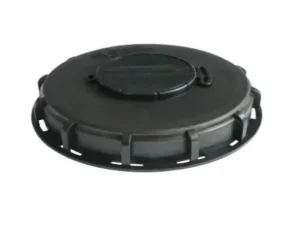
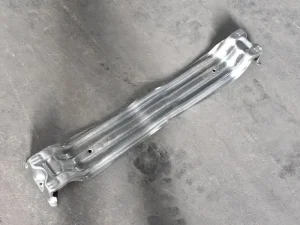
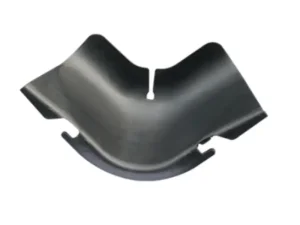
Explore Additional Factory-Direct IBC Components
Maintain and extend the operational lifecycle of your container fleet with genuine, factory-tested replacement accessories.
Partner with China's Premier Complete IBC Tank Manufacturer
Optimize your fluid logistics, secure factory-direct wholesale pricing, and customize container specifications with our expert engineering team.
Whether you require standard 1000-liter complete IBC totes for global hazardous chemical export or customized OEM fittings, valves, and anti-static liners, our integrated production lines deliver uncompromised quality and rapid global dispatch.