
Featured Chemical Resistant IBC Valves & Engineered Components
Factory-direct OEM solutions, heavy-duty valves, UV-opaque tanks, and high-integrity sealing systems engineered for extreme chemical environments.
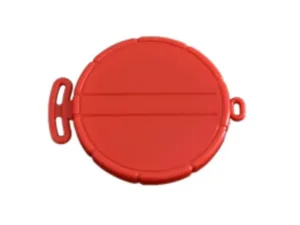
China China Suppliers Factory IBC Cover Lid Cap 150mm 225mm - Stainless Steel Brushed Finish for Secure Storage Factories, Factory
View Product Specs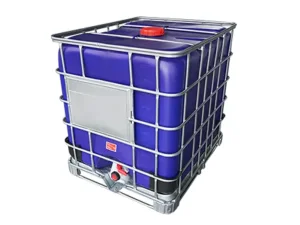
China China Factory Suppliers: Blue Light-Proof IBC Tank for Light-Sensitive Chemicals - UV Resistant & Opaque Manufacturer, Factory
View Product Specs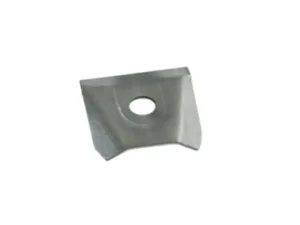
China China Suppliers Factory Rubber PTFE Replacement Screw Gasket Sealing Washer for IBC Fittings Factories, Factory
View Product Specs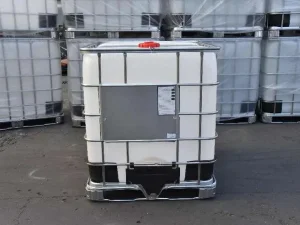
Wholesale 1000L Heavy Duty IBC Tank Container from China Suppliers | Durable Liquid Storage Factory Solutions Supplier, Factory
View Product Specs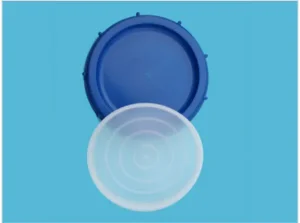
China 445mm Special-Shaped Chemical Drum Cap with 400mm Inner Core (Customized) Factories, Factory
View Product Specs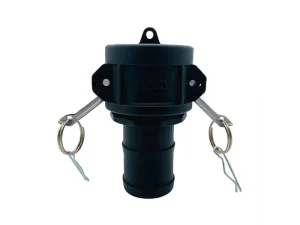
Wholesale Universal Plastic IBC Tank Adapter DN50 DN80 Connector - China Suppliers & Factory for Liquid Transfer Solutions Factories, Factory
View Product Specs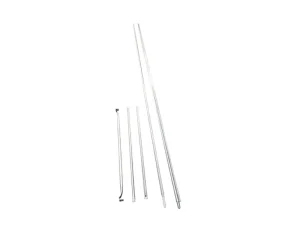
Wholesale China IBC Tank Frame Suppliers - Galvanized Steel Pipe Factory for Corrosion-Resistant Liquid Storage Solutions Manufacturers, Suppliers
View Product Specs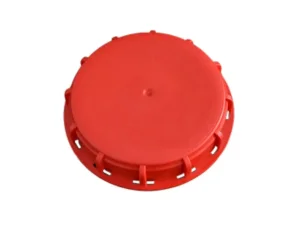
China Durable Red Sealing Cover for IBC Totes - China Suppliers & Factory Quality Protection Against Contamination Manufacturer, Manufacturers
View Product SpecsExecutive Industry Overview: The Evolution of Chemical Resistant IBC Valves
Navigating global chemical supply chain risks, polymer degradation challenges, and zero-emission containment mandates.
In the modern chemical processing, agricultural formulation, and petrochemical distribution sectors, the Intermediate Bulk Container (IBC) serves as the indispensable workhorse for safe bulk liquid logistics. However, the integrity of an entire 1000-liter containment system relies overwhelmingly on a single, critical mechanical point: the bottom discharge valve assembly. As chemical formulations grow increasingly complex—incorporating aggressive organic solvents, concentrated mineral acids, oxidizing agents, and ultra-pure electronic-grade reagents—traditional off-the-shelf valves are failing at an alarming rate.
Modern B2B procurement leaders and plant engineers no longer search merely for lower-cost plastic fittings. Today’s global sourcing strategies demand highly engineered, chemical-resistant IBC valves fabricated from high-density polyethylene (HDPE), glass-coupled polypropylene (PP-GF), polytetrafluoroethylene (PTFE), fluorocarbon elastomers (FKM/Viton), and fluorinated ethylene propylene (FEP). Sourcing directly from certified original equipment manufacturers (OEMs) and China-based specialized factories ensures strict dimensional compliance, reduced environmental liability, and guaranteed resistance to environmental stress cracking (ESC).
Material Engineering: Polymer Selection & Degradation Resistance
A rigorous technical analysis of resin formulations, fluoropolymers, and elastomeric seals for chemical containment.
Selecting a chemical resistant IBC valve requires matching the thermodynamic properties and chemical polarity of the media to the structural polymer of the valve body and internal seals. Below is an engineering evaluation of primary raw materials utilized by top wholesale manufacturers:
High-Density Polyethylene (HDPE)
High-molecular-weight HDPE forms the backbone of standard valve bodies. It delivers exceptional impact resistance at sub-zero temperatures (-40°C to +60°C), minimal moisture absorption, and broad compatibility with aqueous salts, dilute acids, and alkaline solutions.
Glass-Reinforced Polypropylene (PP-GF30)
Engineered with 30% short glass fibers, PP-GF30 offers superior structural stiffness, dimensional stability under high thermal load (up to +100°C), and enhanced mechanical torque resistance for high-frequency actuation in industrial filling plants.
PTFE / FEP Fluoropolymer Seals
Polytetrafluoroethylene (PTFE) exhibits near-universal chemical inertness. When integrated into IBC butterfly or ball valve seats, PTFE prevents swelling, dissolution, and chemical degradation when exposed to aromatics, esters, and strong oxidizers.
| Chemical Classification | Representative Media | Standard EPDM Seal | FKM / Viton Seal | PTFE / FEP Encapsulated | Recommended Valve Body |
|---|---|---|---|---|---|
| Concentrated Mineral Acids | Hydrochloric Acid (37%), Sulfuric Acid (98%) | Unsuitable | Good (Conc. Dependent) | Optimal / Universal | HDPE / PVDF / Special Alloy |
| Aromatic Solvents & Hydrocarbons | Toluene, Xylene, Benzene, Diesel | Severe Swelling / Failure | Optimal | Optimal | PP-GF30 / Stainless Steel |
| Strong Oxidizing Agents | Sodium Hypochlorite, Hydrogen Peroxide (50%) | Fair / Poor | Good | Optimal | High-Purity HDPE / PTFE |
| Aliphatic Alcohols & Food Reagents | Ethanol, Isopropanol, Food Ingredients | Optimal (FDA Grade) | Good | Optimal | Standard HDPE / Stainless Steel |
| Halogenated Compounds | Methylene Chloride, Chloroform | Severe Degradation | Fair | Optimal | PTFE Lined / Heavy Duty HDPE |
Valve Architectural Engineering: Butterfly vs. Ball Valves
Deciphering fluid mechanics, discharge velocity, seal geometries, and pressure ratings for B2B container deployment.
1. Integrated Butterfly Valve Assemblies (DN50 / DN80)
Butterfly valves remain the industry standard for general liquid transport due to their compact footprint, lightweight design, and cost-effective bulk production. Featuring a central rotating disc controlled by a heavy-duty handle with safety locking tabs, butterfly valves provide rapid quarter-turn operation.
- Optimized for low-to-medium viscosity fluids.
- Thread options: S60x6 buttress thread, Camlock quick-connect, or NPT/BSP output.
- Double-sealed stem prevents fugitive vapor leaks during transit.
2. Full-Bore Ball Valves for High-Viscosity Fluids
For viscous chemical slurries, resins, paints, and heavy agricultural suspensions, ball valves provide a straight-through full-bore flow path with zero internal fluid resistance. The precision-ground spherical ball rotates smoothly within virgin PTFE seats, eliminating product buildup and internal clogging.
- Maximum flow rate with minimal pressure drop during gravity unloading.
- Enhanced resistance against solid crystallization and sticky residues.
- Reinforced aluminum or stainless steel handle options for extreme torque environments.
Global Regulatory Compliance & Quality Assurance
Ensuring international transportation safety through UN dangerous goods certification, ISO standards, and zero-defect quality control.
When shipping hazardous materials via ocean container, rail, or highway, valve failure is not merely a maintenance issue—it is a major environmental infraction subject to severe regulatory penalties under international dangerous goods codes (IMDG, RID/ADR, US DOT 49 CFR). Premier China wholesale suppliers operate advanced clean-room injection molding and automated testing lines to guarantee total regulatory compliance.
UN 31HA1 Certification Standards
Composite IBCs designed for dangerous liquids must undergo rigorous hydraulic pressure testing (up to 100 kPa for 10 minutes), pneumatic leak tightness tests, drop tests (-18°C), and stacking tests. Valves must withstand minimum internal pressures without deformation or micro-seepage.
FDA & EU Food Contact Compliance
For food-grade, beverage, and pharmaceutical applications, valve polymers must strictly adhere to US FDA 21 CFR 177.1550 (PTFE) and 177.1520 (Polyolefins), alongside EU Regulation 10/2011, ensuring zero migration of heavy metals, phthalates, or toxic plasticizers into liquid food media.
0.005mm Precision Tooling Quality
State-of-the-art factories employ German-engineered CNC machining centers, automated hot-runner injection molds, and 100% inline helium mass spectrometer leak detection systems to maintain extreme physical thread and sealing tolerances.
Technological Roadmap: The Future of Smart Chemical Containment
IoT integration, circular economy recyclability, and advanced surface fluorination technologies shaping next-decade fluid control.
Smart IoT-Enabled Leak Detection Valves
Next-generation chemical valves integrate micro-electronic sensor pods capable of monitoring real-time line pressure, internal fluid temperature, and ambient chemical micro-vapor concentrations. Wireless NB-IoT or LoRaWAN transmitters alert logistics managers to accidental valve tampering or seal breakdown before major environmental contamination occurs.
Plasma Fluorination Surface Modification
Rather than manufacturing entire valve bodies out of costly fluoropolymers, factory innovations now utilize inline cold-plasma elemental fluorination. This chemical process replaces hydrogen atoms on the inner surface of standard HDPE valves with fluorine atoms, creating a micro-thin fluorocarbon barrier layer (C-F bonding) that reduces chemical permeation by over 95% at a fraction of the raw material cost.
Complete Factory Supply Range: Valves, Adapters & Fittings
Explore our full line of direct-factory replacement components, camlock quick-connectors, integrated valves, and protective tote accessories.
China China IBC Tanks Suppliers - UV Resistant Opaque Light-Proof Containers for Light Sensitive Liquids from Factory Supplier, Factories
View Product Specs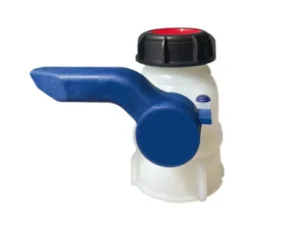
China China Suppliers Factory IBC Butterfly Valves for IBC Tanks and Containers - Durable, Chemical Resistant Design Manufacturers, Supplier
View Product Specs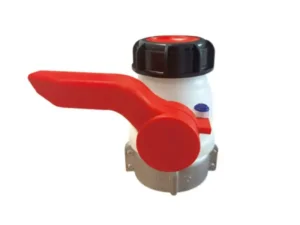
China China Suppliers Factory DN50 Quick Connect Camlock Valve Stainless Steel for IBC Tanks – Leak-Free Fluid Transfer Suppliers, Factories
View Product Specs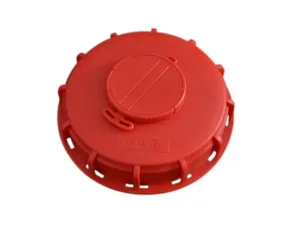
Wholesale IBC Red Breathable Cover/lid/cap Manufacturers, Factories
View Product Specs
Wholesale China Suppliers Factory Rubber PTFE Screw Gasket Sealing Washer for IBC Fittings - Leak-Proof and Durable Manufacturers, Factory
View Product Specs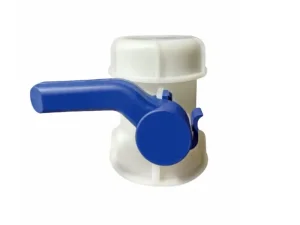
Wholesale China Suppliers IBC DN80 Integrated Butterfly Valve - Durable Stainless Steel for High-Flow Applications Supplier, Suppliers
View Product Specs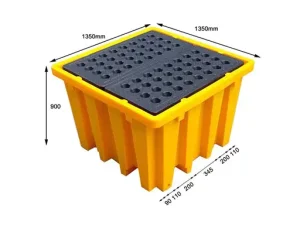
Wholesale PREFACE Industrial Safety Spill Prevention Control Chemical Oil Vertical HDPE Water IBC Tank 4 Drums Composite Pallet Supplier, Factory
View Product Specs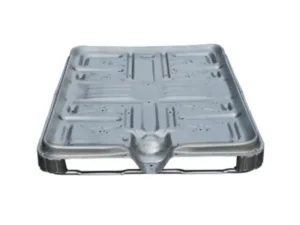
Wholesale Lightweight Aluminum Pallet Base for IBC Containers - Durable, Rust Proof, China Suppliers & Factory Quality Manufacturers, Factory
View Product SpecsFrequently Asked B2B Technical & Sourcing Questions
Expert answers regarding chemical compatibility, custom OEM tooling, bulk order logistics, and regulatory compliance.
How do I verify if an IBC valve is chemically compatible with my specific solvent blend?
Chemical compatibility depends on both the primary valve housing polymer (HDPE, PP, PVDF) and the internal elastomer/seal materials (EPDM, FKM/Viton, PTFE). To ensure total compatibility, provide your supplier with the chemical's CAS number, concentration percentage, operating temperature range, and maximum working pressure. For complex organic mixtures or aggressive solvents like toluene, methylene chloride, or concentrated nitric acid, we recommend specifying PTFE-encapsulated seals or pure PVDF valve bodies accompanied by laboratory immersion testing reports under ASTM D543 guidelines.
What are the primary differences between S60x6 buttress threads and NPT/BSP output threads?
S60x6 (60mm coarse buttress thread with 6mm pitch) is the universal European and international standard thread found on standard 1000L IBC discharge outlets. It provides rapid, heavy-duty connection designed to withstand repeated coarse industrial threading without cross-threading. NPT (National Pipe Thread) and BSP (British Standard Pipe) are fine-tapered or parallel pipe threads common in plumbing and chemical processing hoses. Direct-factory suppliers manufacture integrated adapter valves that convert S60x6 buttress threads to 2-inch male/female NPT/BSP threads or Camlock quick-disconnect fittings for seamless connection to industrial pump lines.
Why is PTFE encapsulation superior to standard elastomeric O-rings in chemical valves?
Standard elastomeric seals like Nitrile (NBR) or EPDM deteriorate, swell, or harden when exposed to aromatic hydrocarbons, ketones, or strong oxidizers, causing valve binding and liquid leakage. PTFE (Teflon) is chemically inert across virtually all industrial solvents. By fully encapsulating a flexible elastomer core (Viton or Silicone) inside a seamless FEP/PFA fluoropolymer jacket, the seal achieves both the universal chemical inertness of PTFE and the elastic memory/resilience required for zero-leak dynamic sealing under variable thermal expansion cycles.
What minimum quality control standards should I require from a China wholesale valve manufacturer?
Reputable OEM suppliers should maintain ISO 9001:2015 quality system certification and provide rigorous batch quality testing documentation. Key inspections include: Pneumatic pressure tightness testing (minimum 0.2-0.5 bar for 100% of production units), torque resistance testing on handle actuators, dimensional verification via coordinate measuring machines (CMM) with tolerances within ±0.005mm, and Environmental Stress Cracking Resistance (ESCR) testing per ASTM D1693. Furthermore, for hazardous chemical transport, verify that valves are certified under UN 31HA1 container packaging type approvals.
Can wholesale factories customize thread sizes, valve colors, handles, and branding for OEM orders?
Yes. Specialized IBC component factories feature full in-house mold design, tooling, and plastic injection capabilities. OEM customization options typically include: custom resin color matching (e.g., color-coding valves for specific hazardous chemical hazard classes), custom laser-engraved serial numbers or brand logos, specialized handle locking mechanisms (tamper-evident seals, padlockable handles), and non-standard thread configurations (such as DN80 high-flow outlets or custom flange mountings).
What is the typical lead time and packing protocol for international bulk container valve orders?
Standard off-the-shelf valve configurations (such as DN50 HDPE butterfly valves with S60x6 threads) maintained in warehouse bulk stock can be packed and dispatched to port within 3 to 5 business days. Custom OEM mold runs or specialized PTFE/FKM material orders typically require 15 to 25 calendar days. Export shipments are packaged in heavy-duty double-wall corrugated master cartons, sealed in anti-static moisture-barrier bags, and shrink-wrapped onto fumigated wood or plastic pallets compliant with ISPM 15 international shipping standards.