
Featured Industrial Closures & Fittings
Factory-direct fluid transfer solutions, engineered screw caps, and heavy-duty container components manufactured in China.
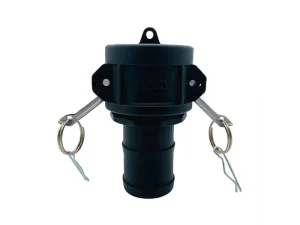
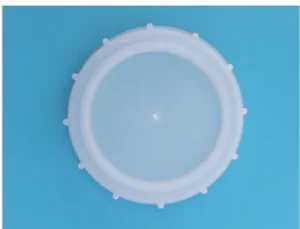
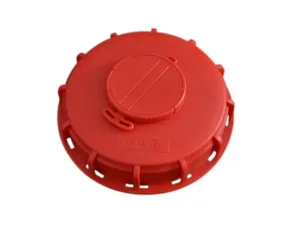
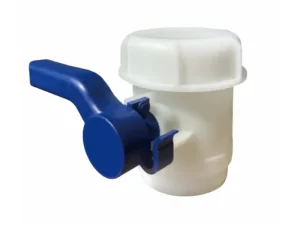
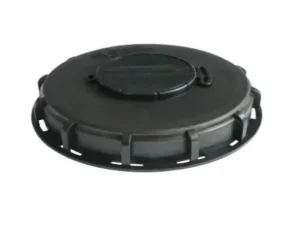
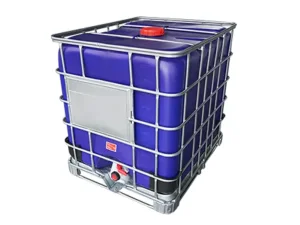
Executive Industry Report: The Evolution of Plastic Cap Manufacturing in China
An engineering-focused analysis of how Chinese plastic closure manufacturers have transformed global rigid packaging supply chains through precision injection molding, advanced material science, and high-speed automation.
Supply Chain Aggregation
China hosts complete polymer supply chain ecosystems. Industrial hubs in Shandong (such as Linyi) and Zhejiang unite raw petrochemical refining (HDPE, LLDPE, PP), specialized masterbatch compounding, precision CNC mold fabrication, and automated assembly within immediate geographic proximity.
Micro-Tolerance Tooling
Modern Chinese injection molding facilities routinely operate high-cavity tooling maintaining dimensional tolerances as tight as ±0.005 mm. This precision prevents cross-threading, guarantees continuous seal torque retention, and eliminates leak failure rates under UN pressure tests.
Strict UN & ISO Compliance
Chinese closure manufacturers producing drum lids, IBC tote caps, and threaded closures operate under ISO 9001, ISO 22000, and FDA compliance. Closures meant for dangerous goods undergo rigorous hydrostatic drop testing, stack loading, and chemical compatibility audits.
Polymer Engineering & Thread Mechanics
Understanding material selection, elastomeric sealing gaskets, thread profiles, and venting technologies used in heavy-duty screw-on plastic caps.
1. Resin Material Selection Matrix
Selecting the optimal polymer matrix dictates tensile strength, Environmental Stress Crack Resistance (ESCR), impact resilience, and thermal tolerance. Leading Chinese factories utilize virgin resins sourced from global chemical giants (Sinopec, Borealis, Sabic, Dow):
| Polymer Resin Type | Key Physical Properties | Chemical Compatibility | Primary Cap Applications |
|---|---|---|---|
| HDPE (High-Density Polyethylene) | High rigidity, superior tensile strength, excellent ESCR rating, thermal stability from -40°C to +90°C. | Resistant to acids, alkalis, alcohols, and aqueous chemicals. Moderate hydrocarbon resistance. | Industrial drum caps, 1000L IBC tote lid covers, chemical jug screw caps, tamper-evident seals. |
| PP (Polypropylene) | High flexural modulus, living-hinge capability, high temperature deflection (+120°C auto-clave rating). | Strong resistance to organic solvents, degreasers, and food-grade acids. Sensitive to strong oxidizers. | Dispensing pump caps, pull-ring tear-off lids, flip-top closures, threaded threaded caps. |
| PCR (Post-Consumer Recycled HDPE/PP) | Eco-friendly circular polymer, variable melt flow index (MFI), balanced mechanical properties. | Suitable for non-UN regulated liquids, household detergent packaging, non-food liquid storage. | Sustainable industrial containers, secondary outer caps, eco-line drum lids. |
2. Thread Standardization & Geometry
Modern Chinese screw-on plastic cap factories produce threaded closures adhering strictly to international container standards to ensure 100% interoperability with blow-molded drums, jerrycans, and IBC totes worldwide:
- S60x6 Buttress Thread: Standard 60mm outer diameter coarse thread with a 6mm pitch, standard on European and Asian IBC tank bottom discharge valves and top filling caps.
- S100x8 Coarse Thread: Heavy-duty 100mm outer diameter cap thread designed for high-viscosity liquid filling ports.
- DIN 45 / DIN 50 / DIN 61 Threads: Standard neck finishes for 5L to 30L plastic jerrycans, offering anti-chugging pour spouts and tamper-evident tear rings.
- 2" NPT & Fine Thread Bungs: Designed for 200L steel and L-Ring plastic drums requiring high-torque pneumatic sealing.
3. Gasket Sealing & Venting Membrane Technologies
A plastic screw cap's mechanical shell is only as reliable as its internal gasket seal and pressure management system:
Elastomeric Gaskets
Engineered closures integrate expanded PE foam liners, EPDM, NBR, Viton (FKM), or PTFE-sheathed silicone rings. Choice depends on chemical reactivity, vapor permeability, and long-term compression set failure resistance.
Micro-Porous Vented Caps
For off-gassing liquids (e.g., hydrogen peroxide, peracetic acid, agricultural fertilizers), caps feature hydrophobic ePTFE (expanded polytetrafluoroethylene) membranes. These allow air equalisation while remaining 100% liquid-proof.
Why Source Plastic Screw Caps from China Factories?
An empirical evaluation of manufacturing speed, customization capabilities, tooling cost structures, and global export infrastructure.
Cost-to-Performance Dominance
Through automated high-speed multi-cavity injection machines (ranging from 150-ton to 1200-ton clamping force), Chinese factories minimize per-unit cycle times to seconds. This yields unit production costs up to 40% lower than European or North American counterparts without sacrificing dimensional tolerances.
Rapid OEM/ODM Mold Development
In-house CAD/CAM tooling shops equipped with 5-axis CNC machining centers, wire-EDM, and mold-flow simulation software enable prototype cap molds to be completed within 10 to 14 days, reducing new product launch schedules dramatically.
Flexible Customization & Branding
Custom colors matching Pantone codes, laser-etched batch numbering, embossed company logos, specialized tamper-evident pull tabs, and custom-lined sealing washers are fully integrated into standard manufacturing workflows.
Industrial Applications & Global Procurement Scenarios
From bulk chemical logistics to food-grade container closures, explore how specialized screw caps protect product integrity across diverse global industries.
Agrochemicals & Pesticides
Liquid fertilizers, herbicides, and crop protection chemicals release gases and require extreme ESCR ratings. Chinese vented caps with hydrophobic PTFE membranes prevent container wall collapse (bloating/paneling) during ocean freight thermal fluctuations.
Industrial & Fine Chemicals
Corrosive acids, solvents, and industrial reagents stored in 200L drums or 1000L IBC totes rely on heavy-duty HDPE screw caps featuring encapsulated Viton gaskets or induction foil liners to ensure zero vapor emission during long-term storage.
Food & Beverage Packaging
Bulk syrup, edible oils, and food additives require caps produced in ISO Class 8 cleanrooms using FDA-compliant food-grade virgin HDPE/PP. Tamper-evident tear bands provide visual security against supply chain contamination.
Automotive Fluids & Lubricants
Motor oil jugs, anti-freeze containers, and AdBlue (DEF) fluid tanks require custom-threaded cap spouts, anti-glug pull tubes, and high-torque sealing capabilities compatible with automated factory capping lines.
Future Trends in Plastic Cap Technology (2026–2030)
How Chinese manufacturers are leading technological shifts in smart packaging, circular economy compliance, and light-weighting design.
Tethered Cap Mandates & Mono-Material Design
To adhere to global environmental regulations (such as EU Directive 2019/904), Chinese cap factories are engineering tethered screw caps that remain attached to container necks during use. Simultaneously, all-HDPE mono-material caps (including the gasket) enable 100% recycling without material sorting.
Smart Closures & Anti-Counterfeiting RFID
High-value chemical and pharmaceutical manufacturers are deploying screw caps embedded with NFC chips, RFID tags, or micro QR codes under tamper-evident caps. This allows real-time supply chain tracking, seal integrity verification, and brand authentication.
Advanced Lightweight Thread Engineering
Using finite element analysis (FEA), mold designers are reducing cap resin weight by 15% to 25% while increasing thread hoop strength and torque collapse resistance, directly reducing carbon footprint and ocean shipping costs.
Factory Direct Replacement Components & Seals
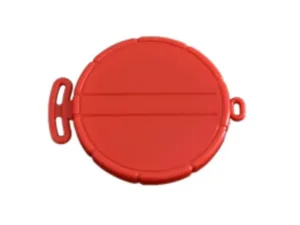
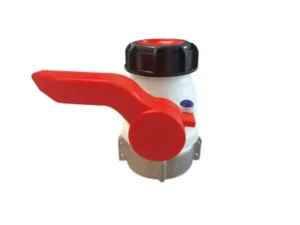
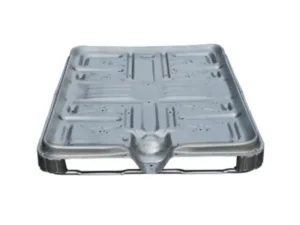
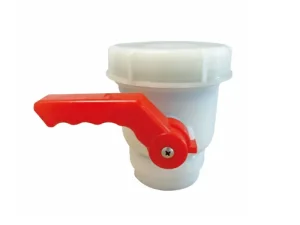
High-performance replacement sealing washers, stainless steel covers, valve attachments, and heavy-duty container bases.

Factory Quality Control & Testing Standards
How top-tier Chinese manufacturers ensure zero-defect closure production through rigorous laboratory validation.
Hydrostatic & Vacuum Leak Testing
Caps mounted to test vessels are pressurized to 200 kPa (2.0 bar) for 30 minutes submerged under water to verify seal integrity. Vacuum pressure tests ensure caps resist inward collapse under negative container pressures.
Torque Failure & Thread Strip Testing
Digital torque meters measure application torque and removal torque. Caps are torqued past specification limits to verify thread shear limits, ensuring workers or automated machinery cannot strip threads during capping operations.
Drop & Impact Resistance
Conditioned at -18°C for 24 hours, capped containers filled to capacity are subjected to 1.9-meter drop tests onto concrete to ensure cap material does not shatter or fracture under thermal freezing stress.
Frequently Asked Questions (FAQ)
Expert technical answers regarding plastic cap procurement, OEM customization, chemical resistance, and logistics.