High-Precision Protective Plastic Covers & IBC Accessories
Direct factory supply of durable protective solutions, tank lids, valves, and heavy-duty corner guards engineered for maximum chemical resilience and logistics containment.
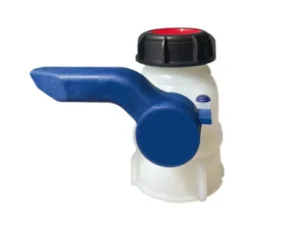
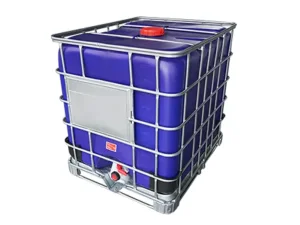
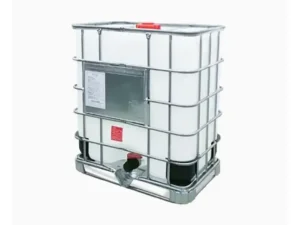
Engineering Protective Plastic Covers: Material Science, Thermal Resilience, & Asset Protection
An authoritative technical guide for procurement managers, chemical packaging engineers, and enterprise B2B buyers evaluating Chinese plastic cover manufacturing capabilities.
Defining Information Gain in Modern Industrial Packaging
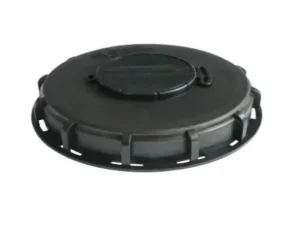
In modern industrial logistics, the integrity of liquid containment systems such as Intermediate Bulk Containers (IBCs), chemical drums, and heavy-duty storage totes heavily relies on auxiliary protective components. The term Protective Plastic Cover encompasses a sophisticated spectrum of specialized polymer products—including top dust covers, vented lid caps, edge and corner guards, anti-static shrouds, and tamper-evident sealing discs.
While primary containment vessels handle structural liquid loads, secondary and auxiliary plastic covers serve as the first line of defense against atmospheric oxidation, solar ultraviolet (UV) degradation, chemical splash, mechanical friction during transit, and environmental contamination. Selecting the correct thermoplastic cover is not merely a matter of dimensional fit; it requires deep material analysis, precision mold design, and strict regulatory compliance verification.
- Environmental Barrier Integrity: Shields valuable chemical formulations, food ingredients, and active pharmaceutical ingredients (APIs) from airborne particles and moisture ingress.
- Structural Stress Mitigation: Specialized corner guards absorb multi-axis kinetic impacts during forklift handling and high-density stacking.
- Pressure Equilibrium Dynamics: Breathable covers featuring ePTFE membranes prevent vacuum collapse or hazardous pressure build-up during temperature fluctuations.
Critical Performance Parameters
High-performance protective covers designed for severe industrial environments must meet rigorous engineering benchmarks to maintain dimensional stability and operational safety:
• Environmental Stress Crack Resistance (ESCR): ASTM D1693 testing exceeding 1,000 hours under active surfactant exposure.
• Thermal Deformation Threshold: Operational flexibility from -40°C cryogenic storage up to +80°C hot-fill process conditions.
• Ultraviolet Photodegradation Index: UV-8 to UV-15 stabilization packages preventing free-radical backbone cleavage under intense solar exposure.
China's Industrial Supply Chain Advantages in Plastic Packaging
How localized manufacturing ecosystems in Shandong, automated injection technologies, and raw material integration deliver unmatched cost efficiency and technical agility to global buyers.
Linyi Industrial Cluster Ecosystem
Situated in the heart of Shandong’s manufacturing hub, our facility leverages an integrated supply network. From direct feedstock pipelines from chemical giants like Sinopec and PetroChina to localized tooling workshops, raw material procurement costs and transit delays are reduced by up to 22% compared to non-clustered global competitors.
High-Precision Mold Manufacturing
Equipped with advanced CNC machining centers, high-speed spark erosion tooling, and automated 3D coordinate measuring machines (CMM), our in-house mold department achieves precision up to 0.005 mm. Multi-cavity hot runner molds allow rapid cycle times for large-scale production while maintaining zero dimensional variance across production batches.
Agile Scaling & Rapid Dispatch
With automated resin handling, central drying systems, and robotized injection molding cells running 24/7, standard catalog items—including IBC top breathable caps, corner guards, and screw lids—benefit from substantial safety stock, enabling rapid order preparation and container loading in as few as 3 to 5 business days.
Polymer Formulations & Comparative Technical Benchmarks
Matching resin morphology to operational stress: A side-by-side engineering evaluation of high-density polyethylene (HDPE), polypropylene (PP), and thermoplastic elastomers (TPE).
| Polymer Type | Tensile Strength (MPa) | Flexural Modulus (GPa) | Impact Strength (kJ/m²) | Thermal Window (°C) | Chemical Resistance | Primary Cover Application |
|---|---|---|---|---|---|---|
| Virgin HDPE (HD5502S) | 28 - 32 | 1.1 - 1.4 | 12 - 15 (High) | -40°C to +80°C | Exceptional (Acids, Bases, Solvents) | IBC Heavy-Duty Lids, Top Dust Covers, Valve Caps |
| Impact PP Copolymer | 30 - 35 | 1.3 - 1.6 | 8 - 10 (Moderate) | -10°C to +100°C | High (Oils, Fats, Organic Solvents) | Screw Thread Fittings, Vent Plugs, High-Heat Drum Covers |
| Engineered TPE / EPDM Blend | 12 - 18 | 0.2 - 0.5 | No Break (Very High) | -50°C to +120°C | Excellent Weathering & Ozone Resilience | Hermetic Gasket Seals, Flexible Dust Covers, Shock Pads |
| Conductive Anti-Static HDPE | 26 - 30 | 1.0 - 1.3 | 10 - 12 (High) | -30°C to +75°C | High (Combustible Media Compatible) | ATEX Explosive Zone Protective Covers & Shrouds |
Venting & Gas Equilibrium Technologies
When storing gas-emitting chemicals such as hydrogen peroxide, peracetic acid, or concentrated agricultural fertilizers, standard sealed covers risk over-pressurization or structural distortion. Conversely, rapid temperature drops during transport can create an internal vacuum, causing tote collapse.
Our engineered breathable protective covers incorporate hydrophobic and oleophobic expanded polytetrafluoroethylene (ePTFE) microporous membranes. These membranes allow free movement of gas molecules while maintaining absolute containment of liquid media, effectively stopping leakages even if the container experiences tilt or inversion during transport.
UV Weatherability & Outdoor Durability
Unprotected polymers deployed in outdoor staging yards rapidly undergo photo-oxidation. UV radiation breaks carbon-carbon polymer chains, manifesting as surface chalking, micro-cracking, loss of impact strength, and ultimate structural collapse.
Dasheng incorporates advanced Hindered Amine Light Stabilizers (HALS) along with high-purity carbon black (in black cover series) or titanium dioxide UV blockers (in colored covers). This formulation yields an outdoor service life exceeding 5 years under intense solar radiation environments (such as Middle Eastern or Australian field conditions).
Localized Support, Global Compliance, & Quality Control
Ensuring seamless international procurement through rigorous international certifications, strict quality control procedures, and localized customer support.
UN Dangerous Goods Packaging
Full compliance with UN 31HA1/Y container specifications. Our protective covers and lids are drop-tested at -18°C and hydraulic leak-tested to meet international maritime (IMDG) and air (ICAO) transport codes for hazardous materials.
FDA 21 CFR & EU Food Grade
For food, beverage, and pharmaceutical deployments, protective covers are molded inside cleanroom-monitored facilities using 100% virgin US FDA 21 CFR 177.1520 and EU 10/2011 compliant resin formulations, completely free of heavy metals and phthalates.
REACH & RoHS 3 Compliance
Every raw material formulation undergoes third-party SGS testing to verify strict adherence to EU REACH SVHC lists and RoHS 3 restriction guidelines, facilitating simple customs clearance in European and North American ports.
ISO 9001:2015 Quality Traceability
Every manufacturing lot receives laser-etched batch identifiers or molded date dials. Quality documentation includes raw material Mill Test Certificates (MTC), Melt Flow Index (MFI) reports, and dimensional inspection logs.
Localized Application Scenarios & Global Field Deployments
From hazardous chemical synthesis to bulk agricultural distribution: how targeted protective cover designs safeguard enterprise assets across diverse industrial operating environments.
Chemical & Petrochemical Processing
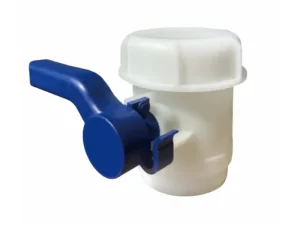
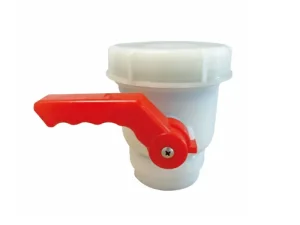
In aggressive chemical manufacturing environments, airborne acidic vapors, corrosive splashes, and volatile solvent vapors degrade structural steel tote frames and valve assemblies. Installing heavy-duty HDPE protective covers and fluorinated gaskets prevents premature oxidation, shields delicate bottom outlet valves, and extends asset lifespan in chemical processing plants.
Food, Beverage & Pharmaceutical Logistics
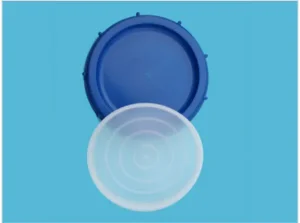
During the storage and transport of liquid sugar, food oils, syrups, and liquid pharmaceutical intermediates, keeping out dust, moisture, and pests is essential. High-purity white or blue food-grade protective covers featuring tamper-evident seal rings provide clear visual verification of product purity from factory discharge to customer receipt.
Agrochemical & Outdoor Liquid Distribution
Agricultural pesticides and bulk liquid fertilizers are frequently staged in open fields under direct sunlight and high atmospheric moisture. Specialized UV15-stabilized breathable plastic covers maintain atmospheric equilibrium during seasonal thermal shifts, resisting embrittlement, stress cracking, and wind loading over extended field exposure.
Emerging Trends & Next-Generation Protective Cover Technologies
Key innovations transforming industrial liquid containment: Circular economy integration, intelligent digital tracking, and ATEX-certified safety polymers.
1. Integration of Post-Consumer Recycled (PCR) Polymers
In response to global carbon reduction mandates and corporate ESG initiatives, Dasheng has engineered closed-loop manufacturing protocols capable of incorporating up to 30% to 50% high-grade Post-Consumer Recycled (PCR) resin into non-contact secondary protective covers. Advanced polymer compounding maintains mechanical impact properties while reducing product carbon footprint by up to 35%.
2. Smart Protective Covers with Embedded RFID & IoT Tags
Modern supply chain logistics requires real-time data visibility. Next-generation protective covers feature co-molded or ultrasonic-welded RFID / NFC transponders. This enables automated batch identification, fill-history tracking, tamper detection, and digitized maintenance scheduling across global IBC fleet networks without requiring manual inspection.
3. Conductive & ATEX Zone Compliant Anti-Static Resins
Transferring flammable solvents inside explosive dust or vapor atmospheres (ATEX Zones 1 and 2) presents electrostatic discharge risks. Advanced conductive plastic covers utilize nano-carbon network fillers to maintain surface resistivity between 10^4 and 10^9 ohms/sq, safely grounding static charges and preventing incendiary sparks.
4. Zero-Emission VOC Containment Breather Caps
Tightening environmental regulations around Volatile Organic Compound (VOC) emissions drive demand for active pressure-relief covers. Advanced internal silicone umbrella valves combined with activated carbon media capture micro-emissions while allowing full thermal breathability during storage.
Frequently Asked Questions (FAQ) for Enterprise Buyers
Direct technical answers addressing material selection, custom tooling schedules, regulatory compliance, and container compatibility.
What are the main polymer materials used in industrial protective plastic covers?
How do I choose between a breathable vented cover and a completely sealed cover?
Can Dasheng manufacture custom plastic covers based on proprietary CAD drawings or samples?
What is the expected outdoor operational lifespan of your UV-stabilized plastic covers?
Are your protective covers certified for food-grade and pharmaceutical applications?
What are your minimum order quantities (MOQ) and production lead times for bulk orders?
How do your plastic corner guards enhance IBC container durability during transport?
Do you offer anti-static or conductive plastic covers for hazardous environments?
Additional Factory Direct Protective Covers & Container Fittings
Explore our broader range of replacement IBC components, breathable drum caps, stainless steel valve inserts, and heavy-duty frame parts.