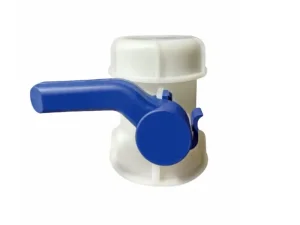
Precision IBC Valve Seals & Replacement Hardware
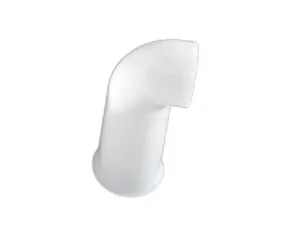
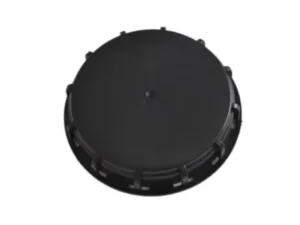
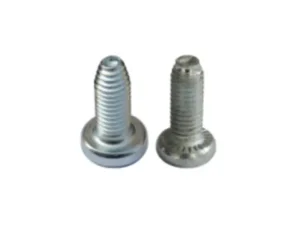
The Critical Role of Valve Sealing Infrastructure in Global Bulk Containment
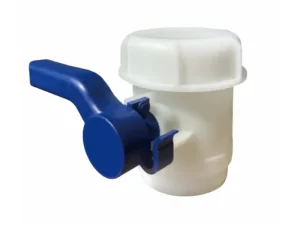
In the modern chemical logistics ecosystem, Intermediate Bulk Containers (IBC totes, typically 1000-liter / 275-gallon nominal capacity) represent the primary medium for cross-border liquid transport. The structural integrity of an IBC tote relies heavily on its discharge assembly—specifically the DN50 (2-inch) and DN80 (3-inch) integrated butterfly or ball valve seals. As international regulatory bodies such as the UN Committee of Experts on the Transport of Dangerous Goods, the European Agreement concerning the International Carriage of Dangerous Goods by Road (ADR), and US DOT CFR 49 enforce stringent zero-leakage mandates, the chemical resistance, compression set elasticity, and tribological durability of valve gaskets have become primary criteria for supply chain risk mitigation.
Valve seal failures during dynamic ocean transport or multi-modal rail transit do not merely cause product loss; they trigger catastrophic environmental compliance penalties, corrosive degradation of secondary ISO containers, and severe occupational safety hazards. As leading China IBC valve seal suppliers and factory engineering centers, manufacturing facilities in hubs like Linyi City, Shandong Province have evolved from basic compression molders into high-precision polymer research and automated manufacturing entities.
Hazardous Cargo Containment
UN 31HA1 certification mandates rigid hydrostatic tests (up to 100 kPa for 10 minutes) and drop tests at -18°C. Valve seals must maintain elastic rebound without micro-fracturing under extreme mechanical shock loads.
Zero Chemical Permeation
Solvents, concentrated acids, and aggressive surfactants can permeate lower-grade polymers, causing seal swelling, plasticizer leaching, and valve binding. Modern PTFE/EPDM composite gaskets provide total barrier integrity.
High-Cycle Actuation Reliability
Industrial IBC reconditioning fleets demand valve seals capable of withstanding 500+ full open-close cycles without permanent deformation, abrasive tearing, or loss of seating torque precision.
Material Science Breakdown: Selecting the Optimal IBC Valve Seal Compound
Selecting the appropriate sealing matrix requires balancing mechanical resilience against chemical compatibility. A single valve sealing system in an IBC tote often contains multiple polymeric elements: an internal main disc/ball seat, an outer stem O-ring, and a face gasket for the S60x6 or S100x8 buttress thread connection. China valve seal factories employ advanced co-injection and compression molding techniques to process specialized fluoropolymers and synthetic rubbers.
| Polymer Type | Hardness (Shore A) | Operating Temp Range | Chemical Resistance Highlights | Compression Set Resistance | Primary Industrial Applications |
|---|---|---|---|---|---|
| PTFE (Expanded / Virgin) | 55 - 65 Shore D | -200°C to +260°C | Universal chemical inertness (pH 0-14), zero swelling in solvents | Moderate (Needs Cores) | High-purity acids, aggressive organic solvents, hazardous chemicals |
| EPDM (Peroxide-Cured) | 70 ± 5 Shore A | -40°C to +150°C | Excellent resistance to steam, polar solvents, alkalis, and ozone | Exceptional | Aqueous solutions, agricultural chemicals, CIP food processing |
| Viton / FKM (Fluorocarbon) | 75 ± 5 Shore A | -20°C to +200°C | Superior against aliphatic/aromatic hydrocarbons, oils, and fuels | High | Petrochemicals, lubricants, biodiesel, agrochemical emulsifiers |
| NBR (Nitrile Butadiene) | 70 ± 5 Shore A | -30°C to +110°C | Good resistance to mineral oils, hydraulic fluids, and grease | Good | General industrial liquids, non-corrosive oils, vegetable oils |
| PTFE Encapsulated Silicone | 80 ± 5 Shore A | -60°C to +205°C | Combines PTFE barrier coating with low-temperature silicone elasticity | High Rebound | Sanitary food-grade ingredients, pharma, low-temp shipping |
Mitigating Cold-Flow Creep in Virgin PTFE Gaskets
While polytetrafluoroethylene (PTFE) possesses near-universal chemical inertness, virgin PTFE suffers from viscoelastic plastic deformation under continuous mechanical compression—a phenomenon known as "cold flow" or creep. To counteract this in IBC butterfly valve seats and thread sealing washers, Chinese engineering laboratories utilize micro-glass sphere reinforcement (15-25%) or expanded PTFE (ePTFE) multidirectional matrix structures. This material engineering innovation ensures that tightening torque on DN50 butterfly valve collar screws remains stable over multi-month oceanic transit cycles, eliminating the need for retorquing upon arrival.
China Manufacturing Ecosystem: Engineering Scalability & Precision
How vertically integrated manufacturing hubs in Shandong deliver unprecedented quality control, rapid mold prototyping, and global cost competitiveness.
The concentration of precision plastic injection molding, elastomeric vulcanization, and tooling facilities in industrial bases such as the Jinluo Technology Industrial Park (Linyi, Shandong) creates a highly resilient supply chain infrastructure. Factories like Linyi Dasheng Import & Export Co., Ltd. leverage over two decades of specialized manufacturing experience, operating integrated mold design centers equipped with high-speed CNC machining hubs, EDM wire erosion equipment, and mold flow simulation software.
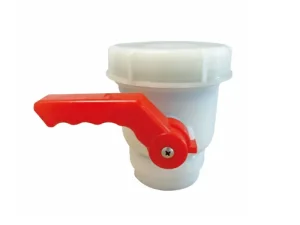
Vertical integration allows Chinese factories to control the entire manufacturing value chain: from raw polymer batch compounding (using top-grade standard resins from BASF, DuPont, and Shin-Etsu) to ultra-precise mold manufacturing and automated robotic insertion of valve seal rings. This eliminates third-party component lead times, allowing standardized IBC replacement gaskets, DN50 butterfly valves, breathable lids, and drum caps to be dispatched in as little as 3 days from bulk inventory buffers.
Field Application Scenarios & Chemical Compatibility Integration
Engineered sealing solutions matched to complex real-world operational environments.
Petrochemical & Bulk Solvent Transport
Environment: Toluene, xylene, acetone, mineral spirits, and synthetic lubricants.
Recommended Configuration: DN50/DN80 integrated butterfly valve equipped with a virgin PTFE face seal over an FKM core. Ensures dynamic seal stability against aromatic hydrocarbon swelling and aggressive solvent permeation.
Sanitary Food & Beverage Logistics
Environment: Liquid sugar, edible oils, dairy concentrates, fruit purees, and wine.
Recommended Configuration: FDA 21 CFR 177.2600 compliant white peroxide-cured EPDM or Silicone gaskets. Features zero plasticizer migration, steam-sterilizable (SIP/CIP) endurance, and taint-free fluid contact certification.
Agrochemical Formulations & Surfactants
Environment: Concentrated herbicides, pesticides, wetting agents, and liquid fertilizers.
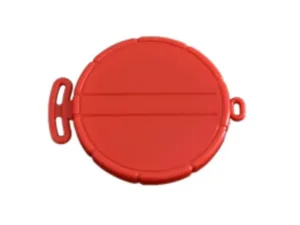
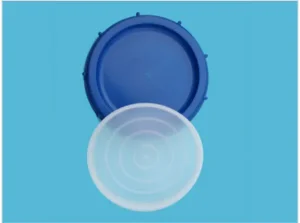
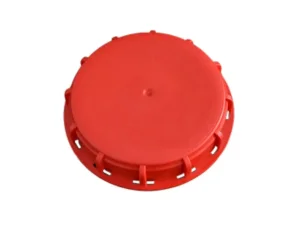
Recommended Configuration: Heavy-duty vented breathable red IBC lid with ePTFE hydrophobic membrane, coupled with chemical-grade Viton disc seal to prevent vacuum collapse and chemical off-gassing buildup during storage.
Technology Roadmap & Future Outlook (2025–2030)
Emerging innovations transforming standard IBC container sealing components into intelligent, sustainable assets.
Smart RFID Leak-Sensing Seals
Integration of ultra-thin, flexible RFID micro-sensors within the polymer matrix of IBC valve gaskets. Allows automated detection of micro-leakage and micro-fissures during automated warehouse scan routines.
Bio-Based Elastomeric Compounds
Commercialization of bio-derived EPDM and fluoroelastomer polymers synthesized from renewable agricultural feedstock, reducing the carbon footprint of disposable IBC replacement seals by up to 45%.
Plasma-Assisted Surface Nanocoatings
Application of nanometer-scale diamond-like carbon (DLC) and plasma fluorination coatings onto elastomeric cores, dramatically reducing actuation friction torque in DN80 butterfly valves without oil lubrication.
Fully Circular Reconditioning Loop
Standardization of closed-loop polymer recycling protocols, enabling spent PTFE gaskets and plastic valve bodies to be depolymerized and re-molded into industrial-grade plastic pallet bases.
Rigorous Quality Assurance & International Compliance Framework
To meet the stringent standards required by international buyers, top-tier Chinese manufacturers execute multi-tier quality inspection workflows throughout the production process. Quality management systems strictly adhere to ISO 9001:2015, with specialized testing protocols designed to verify physical seal properties prior to export packaging.
- Hydrostatic & Pneumatic Bubble Testing: Every batch of DN50 and DN80 valves undergoes automated air-under-water leak testing at pressures exceeding 0.3 bar to verify 100% seating seal integrity.
- Spectrophotometric Material Verification: FTIR analysis is utilized on incoming raw elastomer batches to ensure zero dilution of fluorocarbon ratios in specified Viton/FKM compounds.
- Finite Element Analysis (FEA) Stress Modeling: Advanced computer simulations evaluate seal compression profile deformation under variable torque loads, ensuring optimum flange sealing without crushing the gasket core.
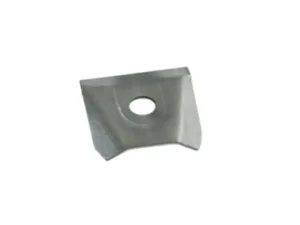
- Traceability & Custom Engraving: Optional laser-engraved QR codes and stainless steel IBC identification plates enable complete batch traceability from raw polymer resin to final customer delivery.
Frequently Asked Questions (FAQ)
In-depth answers to common technical queries from procurement managers, chemical packaging engineers, and IBC tote reconditioners.
How do I determine whether my IBC application requires an EPDM, Viton (FKM), or PTFE valve seal?
Selection depends entirely on the chemical composition, temperature, and concentration of the liquid stored. EPDM is ideal for water-based liquids, mild acids, alkalis, and food products, but fails rapidly in contact with mineral oils or aromatic solvents. Viton (FKM) excels in petroleum, solvents, fuels, and concentrated oils. Virgin or expanded PTFE offers near-universal chemical resistance (pH 0-14), making it the definitive choice for strong oxidizing acids, aggressive halogenated solvents, and high-purity microelectronic chemicals.
What is the difference between a breathable (vented) IBC lid and a solid sealing lid?
A breathable lid incorporates a microporous hydrophobic membrane (such as ePTFE) that permits air gas exchange while preventing liquid water or chemical escape. This prevents internal vacuum build-up or over-pressurization during thermal expansion, fast filling, or off-gassing media (like hydrogen peroxide). A solid gasketed sealing lid provides an airtight, hermetic barrier designed for long-term static storage and ocean shipment of non-gassing, moisture-sensitive liquids.
What are the standard thread specifications for Chinese-manufactured IBC outlet valves?
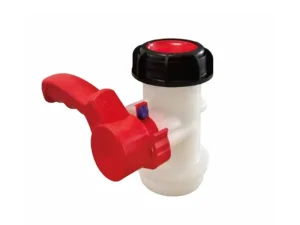
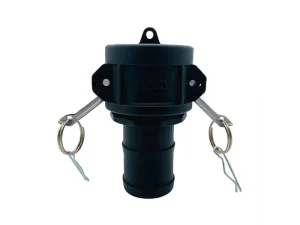
The vast majority of standard 1000L composite IBC totes utilize an S60x6 buttress thread (outer diameter 60mm with a 6mm pitch) on DN50 bottom outlet valves. High-flow applications (DN80) typically use an S100x8 buttress thread. Chinese factories also supply adapters converting S60x6 to 2-inch NPT, BSP male/female threads, or Camlock quick-connect fittings.
How fast can factory suppliers in China dispatch custom or standard IBC valve seal orders?
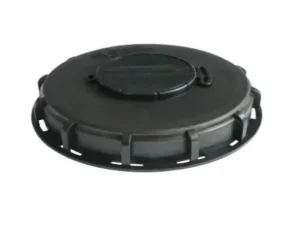
Standard off-the-shelf items such as DN50 replacement PTFE washers, EPDM sealing rings, standard black/red lids, and welded butterfly valves are maintained in large warehouse safety buffers, allowing dispatch within 3 business days. Custom color matching, brand logo embossing, or specialized polymer formulation projects generally follow a 2 to 3 week schedule, including prototype tool validation.
What tooling precision and quality certifications do Chinese manufacturers provide for OEM projects?
Leading facilities operate in-house tooling suites capable of achieving machining tolerances down to 0.005 mm. Production systems are certified under ISO 9001:2015, and food-contact sealing products comply with FDA 21 CFR 177.2600, EU 10/2011, and RoHS/REACH environmental safety regulations.
Explore Additional IBC Accessories & Industrial Closures
Factory-direct supply for reconditioning fleet maintenance, tote manufacturing, and bulk chemical distribution.