
High-Performance IBC Tanks, Replacement Valves & Engineered Components
Directly factory-sourced replacements engineered for seamless retrofit, chemical containment, and rigorous cross-border industrial logistics.
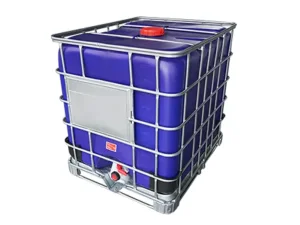
China IBC Tanks Suppliers - UV Resistant Opaque Light-Proof Containers for Light Sensitive Liquids
View Product Details
Blue Light-Proof IBC Tank for Light-Sensitive Chemicals - UV Resistant & Opaque Manufacturer
View Product Details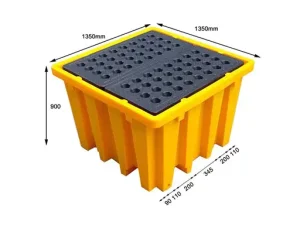
PREFACE Industrial Safety Spill Prevention Control Chemical Oil Vertical HDPE Water IBC Tank 4 Drums Pallet
View Product Details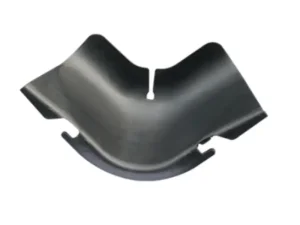
Protective Plastic Angle Corner Guards for IBC Tanks - Durable Corner Protection Suppliers
View Product Details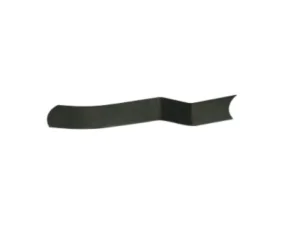
Stainless Steel Spring Insert Replacement for IBC Tank Valves - Reliable Solutions Manufacturer
View Product Details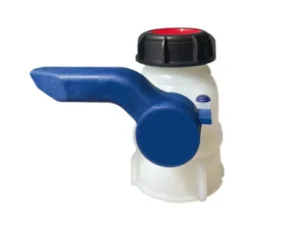
China Factory IBC Butterfly Valves for IBC Tanks & Containers - Durable Chemical Resistant Design
View Product Details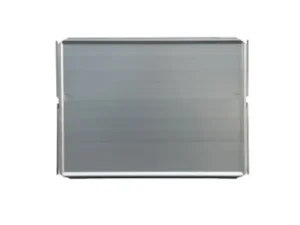
Stainless Steel IBC Tank Nameplate Identification Plate Custom Engraving Manufacturer
View Product Details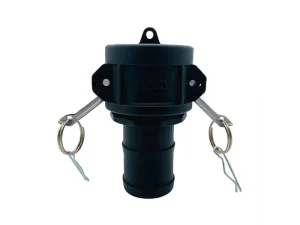
Universal Plastic IBC Tank Adapter DN50 DN80 Connector for Intermediate Bulk Containers
View Product Details1. Executive Summary & Global IBC Valve Replacement Evolution
Intermediate Bulk Containers (IBCs) are the backbone of modern industrial liquid logistics, enabling the safe handling of over two billion tons of chemicals, food ingredients, lubricants, and hazardous fluids annually. Within an IBC system—typically comprised of a blow-molded High-Density Polyethylene (HDPE) inner bottle supported by a tubular galvanized steel grid frame—the bottom outlet valve represents the primary dynamic mechanical point of control. It is also the most frequent point of mechanical wear, chemical degradation, and potential environmental release.
As corporate environmental, social, and governance (ESG) mandates tighten globally, the historical practice of discarding entire 1000-liter composite IBC totes due to valve failure or seal degradation has become economically unviable and ecologically unacceptable. Today, global supply chains prioritize container circularity, fleet reconditioning, and precision component retrofitting. Sourcing high-grade, chemically inert, and mechanically robust IBC valve replacements from specialized Chinese suppliers and factories has evolved into a strategic supply chain imperative for chemical manufacturers, logistics integrators, and industrial packaging reconditioners worldwide.
Key Technical Factors Driving Global Replacement Adoption
- Regulatory Harmonization (UN/DOT/ADR): Stringent international transportation regulations require that bottom discharge outlets maintain strict pressure containment under extreme thermal shock, vibration, and drop-impact conditions. Replacement valves must meet or exceed original OEM specifications (such as Schütz, Mauser, and Greif compatibility) to retain UN packaging certification.
- Chemical Permeation & Degradation Mitigation: Modern agrochemicals, specialty solvents, fluorinated compounds, and aggressive acids demand upgraded sealing materials (such as Viton/FKM, PTFE, or EPDM-coated elastomers) over standard factory-installed seals. Retrofitting with specialized valve replacements extends container operational lifespans by up to 300%.
- Cost Optimization in Fleet Reconditioning: Replacing a damaged bottom outlet valve costs approximately 8% to 12% of a complete new IBC unit. For major reconditioning operations managing tens of thousands of totes, localized valve replacement yields massive capital expenditure reductions.
2. Technical Anatomy of IBC Valves & Replacement Engineering Standards
Understanding the mechanical and polymer engineering of IBC replacement valves requires examining the structural stress points, thread geometry, sealing mechanisms, and resin compositions employed by top-tier Chinese manufacturers.
Butterfly Valve Architecture (DN50 / DN80)
Featuring a slim profile, low operational torque, and continuous circular disc seal. Ideal for viscous fluids, slurries, and standard liquid dispensing where full flow capability is required.
Welded Ball Valve Systems
Engineered for high-pressure sealing and zero-permeation applications. The floating ball mechanism surrounded by PTFE seats ensures leak-proof isolation even when handling concentrated nitric or sulfuric acids.
Integrated Thread & Coupling Standards
Includes standard S60x6 coarse buttress threads, S100x8 heavy-duty threads, BSP fine threads, and male Camlock quick-connect couplings (DN50 2-inch and DN80 3-inch).
Technical Matrix: Valve Materials & Chemical Resistance Compatibility
Selecting the proper valve replacement requires matching the polymer matrix and sealing elastomers to the media being stored. The table below serves as a technical engineering guide for procurement specialists:
| Component / Material | HDPE (High-Density Polyethylene) | PP (Polypropylene - Reinforced) | EPDM Seal | Viton / FKM Seal | PTFE (Teflon) Seat |
|---|---|---|---|---|---|
| Tensile Strength (MPa) | 22 - 32 | 30 - 40 | 10 - 15 | 12 - 18 | 20 - 30 |
| Working Temp Range | -40°C to +80°C | -10°C to +110°C | -40°C to +130°C | -20°C to +200°C | -200°C to +260°C |
| Organic Solvents | Moderate | Good | Poor | Excellent | Exceptional (Universal) |
| Concentrated Acids | Excellent | Excellent | Good | Excellent | Exceptional (Universal) |
| Oils & Hydrocarbons | Good | Good | Unsuitable | Exceptional | Exceptional (Universal) |
3. China Factory 4.0: Supply Chain Resilience & Manufacturing Precision
The global dominance of Chinese suppliers in the manufacture of IBC valve replacements is not merely built on cost competitiveness; it is founded upon deep industrial cluster synergy, advanced precision tooling, and high-throughput automation. Facilities located in major manufacturing hubs such as Shandong (Linyi) and Zhejiang utilize high-tonnage injection molding equipment paired with integrated robotic automation to maintain sub-millimeter manufacturing tolerances.
Ultra-Precision Mold Tooling (0.005mm Tolerance)
The integrity of a thread engagement on an S60x6 buttress neck dictates whether an IBC outlet will withstand hydrostatic pressure during maritime transport. Leading Chinese factories utilize CNC spark erosion, multi-axis machining centers, and mold cavity flow analysis software. Mold tooling precision down to 0.005mm prevents flash formation, wall thickness variance, and residual internal stress within molded HDPE valve bodies.
Automated In-Line Ultrasonic Welding & Assembly
For welded butterfly and ball valves, securing the valve collar to the inner HDPE bottle neck requires precision thermal or ultrasonic welding. Advanced Chinese suppliers employ automated ultrasonic welding cells with real-time melt displacement tracking. This eliminates human error, guarantees a hermetic seal, and maintains uniform structural strength capable of withstanding dynamic burst pressures in excess of 2.0 Bar.
100% Pneumatic & Hydrostatic Testing Protocols
Quality assurance standards within premier export facilities mandate automated pneumatic leak testing for every single replacement valve produced. Valves undergo low-pressure submerged bubble testing (0.2 Bar) as well as high-pressure structural resistance testing (0.6 Bar to 1.5 Bar) prior to packaging, ensuring zero-defect dispatches to international destinations.
4. Localized Application Scenarios & Sector Specific Requirements
Industrial liquid handling varies significantly across operational environments. Chinese IBC replacement valve manufacturers engineer specific configurations tailored to target sector demands:
Agrochemical & Pesticide Formulation
Active herbicide and pesticide concentrate formulations often contain aggressive organic aromatic solvents (e.g., xylene, toluene). Replacement valves for this sector feature fluorinated HDPE bodies combined with pure PTFE seals to prevent solvent swelling, neck softening, and environmental leaks during field storage.
Food & Beverage Processing
Dispensing bulk liquid sugar, vegetable oils, wine, or food-grade acids requires valves manufactured from virgin FDA-compliant HDPE resin (BPA-free) and EC 1935/2004 certified food-contact elastomers. Smooth internal geometry prevents product retention and microbial contamination during Clean-in-Place (CIP) cycles.
Petrochemicals & Industrial Lubricants
High-viscosity gear oils, hydraulic fluids, and synthetic lubricants demand heavy-duty DN80 large-bore butterfly replacement valves. These provide unrestricted flow geometry, preventing cavitation and reducing discharge times for automated drum filling operations.
5. Step-by-Step Engineering SOP: Replacing an IBC Outlet Valve
Correct installation of a replacement valve is essential to prevent thread stripping, gasket distortion, and subsequent fluid leakage. Reconditioning technicians should follow this engineering protocol:
- Container Decontamination & Depressurization: Ensure the IBC container is completely empty, triple-rinsed, and neutralized. Verify top lid venting to prevent vacuum pressure buildup.
- Old Valve Removal: For threaded aluminum-nut or plastic-nut valves, apply a specialized IBC valve wrench to the locking collar. Unscrew counter-clockwise while holding the HDPE bottle neck static to avoid torque damage to the bottle wall.
- Sealing Surface Inspection: Clean the male bottle neck threads with isopropyl alcohol. Inspect the sealing lip for scratches, gouges, or flash. Damaged bottle sealing faces must be smoothed before installing the new valve.
- Gasket Seating & Replacement Valve Alignment: Insert the correct elastomer seal (EPDM or Viton) into the internal recess of the replacement valve collar. Align the valve handle in the desired orientation (typically facing upwards or horizontally).
- Torque-Controlled Tightening: Hand-tighten the swivel collar onto the bottle neck thread. Using a calibrated torque wrench, apply the manufacturer-specified tightening torque (typically 70 Nm to 90 Nm for S60x6 plastic collars). Over-tightening will pinch and compromise the gasket.
- Hydrostatic Quality Verification: Fill the IBC tote with water to a height of at least 300mm above the outlet. Inspect the joint for 15 minutes. Operate the valve handle open and closed three times under hydrostatic pressure to verify complete seal shut-off.
6. Frequently Asked Questions (FAQ) - Sourcing & Engineering
How do I identify whether my IBC tank requires an S60x6, S100x8, or Camlock replacement valve?
Measure the outer thread diameter of your tank's bottom outlet neck using a digital caliper. An S60x6 buttress thread has an outer diameter of approximately 60mm with a 6mm pitch (distance between thread peaks). An S100x8 thread has a 100mm outer diameter with an 8mm pitch. If your existing valve terminates in two protruding side locking arms, it features an integrated male 2-inch or 3-inch Camlock quick-disconnect coupler.
What is the functional difference between a replacement butterfly valve and a ball valve for IBC totes?
Butterfly valves utilize a flat internal disc that swivels 90 degrees. They are lightweight, cost-effective, compact, and standard across most general chemical IBC totes. Ball valves utilize a solid spherical core with a central bore; they offer superior pressure rating performance, lower flow resistance, and enhanced chemical containment for aggressive, high-purity, or highly volatile media.
Can replacement valves sourced from Chinese factories maintain UN Packaging Certification?
Yes. Leading Chinese manufacturers produce replacement valves designed and tested in strict accordance with ISO 16104 and UN dangerous goods packaging standards. When retrofitting certified containers, procurement officers should request UN drop-test and pressure-test verification documentation from the factory to ensure ongoing compliance.
Which sealing material should be selected for agricultural chemicals vs. food-grade liquids?
For agrochemicals containing organic solvents (such as emulsifiable concentrates), Viton (FKM) or encapsulated PTFE gaskets are recommended due to their high aromatic hydrocarbon resistance. For food-grade liquids (juices, edible oils, dairy additives), FDA-compliant white EPDM or food-grade Silicone seals certified under FDA 21 CFR 177.2600 are required.
What is the typical minimum order quantity (MOQ) and lead time for wholesale IBC valve replacements?
Standard replacement valves (such as DN50 S60x6 butterfly valves) maintained in bulk factory inventory can typically be dispatched within 3 business days. For customized OEM colors, brand embossing, or special seal materials, standard export minimum order quantities range between 100 and 500 units, with production lead times averaging 10 to 15 days.
How do Chinese IBC valve suppliers prevent anti-tampering during cross-border transit?
Export-grade replacement valves incorporate integrated security features, including breakable safety tabs, secondary dust caps with security seal eyelets, and lockable handles that accept standard bolt seals or padlock wire clips. This prevents unauthorized fluid draw-off during intermodal freight transport.
Industrial IBC Accessories, Caps, Pallets & Connectors
Explore full supply-chain matching accessories engineered to integrate seamlessly with your replacement valve assemblies.
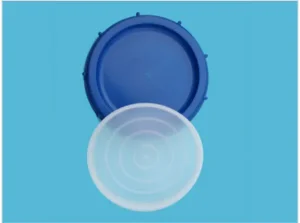
China 445mm Special-Shaped Chemical Drum Cap, 400mm Inner Core, Durable IBC Tank Lid Suppliers
View Product Details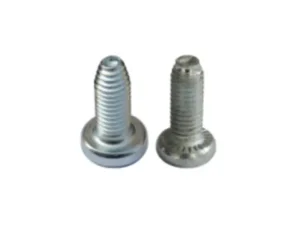
China Stainless Steel Replacement Screw for IBC Tank Lids Fittings Various Sizes Manufacturer
View Product Details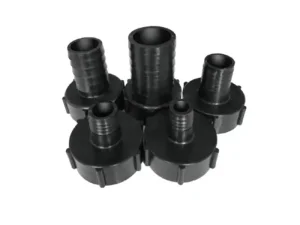
Wholesale IBC Quick Connector Camlock Type DN50 DN80 Stainless Steel Adapter Manufacturer
View Product Details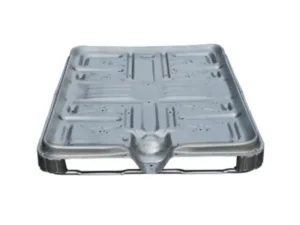
Wholesale China Aluminum IBC Container Base - Durable, Rust-Proof Pallet for Efficient Handling
View Product Details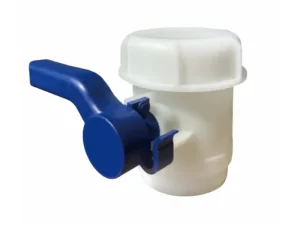
China DN80 Welded Butterfly Valve Suppliers - High-Flow Wafer Style Factory Direct Manufacturer
View Product Details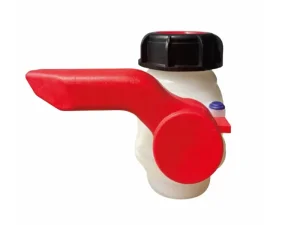
China Heavy Duty Stainless Steel IBC DN50 Welded Ball Valve - Factory Direct Bulk Liquid Storage
View Product Details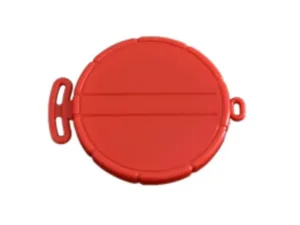
China Stainless Steel Brushed Finish IBC Cover Lid Cap 150mm 225mm Protective Manufacturer
View Product Details
Wholesale Protective Plastic Angle Corner for IBC Tank Frame Corner Guards Supplier
View Product DetailsPartnering with China's Premier IBC Valve Replacement Factory
Whether you manage a global fleet of reconditioned bulk containers, operate a chemical formulation plant, or distribute industrial liquid packaging components, sourcing direct from specialized Chinese manufacturers offers unprecedented quality, supply resilience, and cost efficiency. Contact our engineering support team today to request precise CAD drawings, chemical compatibility verification, or custom OEM production samples.