
Primary Commercial Products & Components (Part I)
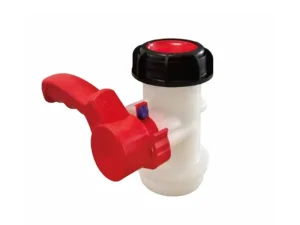
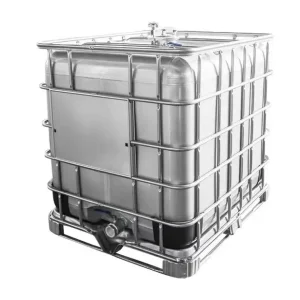
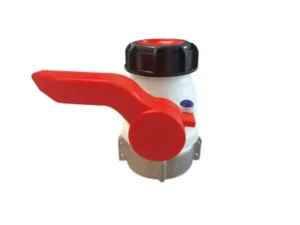
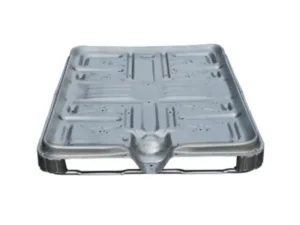
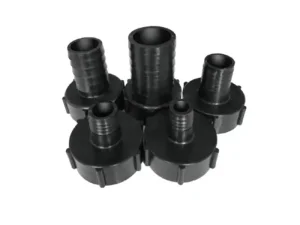
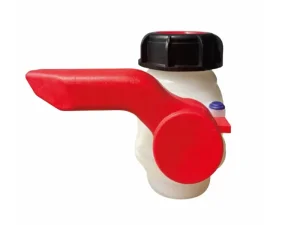
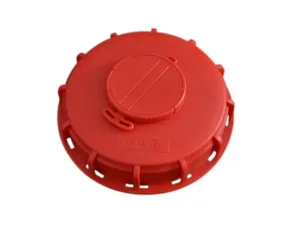
High-performance 1000L intermediate bulk containers, precision valves, closures, and structural accessories engineered for rigorous global transport.

Global Industrial Landscape & The Rise of China's IBC Manufacturing Ecosystem
The global industrial liquid packaging market has undergone a structural transformation over the past decade. Driven by stringent environmental regulations, aggressive corporate Scope 3 decarbonization targets, and the imperative for multi-modal logistical efficiency, Intermediate Bulk Containers (IBC Totes) have decisively outpaced traditional 55-gallon steel drums and rigid bulk tanks.
A single 1000L IBC tote replaces exactly five 200-liter drums, reducing labor handling times by over 65%, optimizing warehouse vertical stacking capacity by 35%, and eliminating nearly 80% of lingering wall-residue product loss. Modern global supply chains—spanning specialty chemical synthesis, food and beverage processing, petrochemical distribution, and active pharmaceutical ingredient (API) logistics—demand container systems that combine structural resilience, high chemical inertness, and absolute zero-leakage security during hazardous maritime transport.
As the primary engine of global industrial hardware manufacturing, China has evolved from a high-volume plastic molder into an advanced Industry 4.0 production hub for integrated IBC tote systems. Today, premier Chinese IBC suppliers manufacture UN-certified containers (UN 31HA1/Y and 31A/Y standards) utilizing state-of-the-art multi-layer co-extrusion blow molding systems, automated robotic welding cells for outer tubular cages, and ultra-precise injection molding for custom valve geometries.
Logistical Efficiency Comparison
Quantitative operational impact: 1000L Composite IBC Totes vs. Five Standard 200L Steel Drums.
Future Trends Shaping the Global IBC Packaging Sector
Key technology shifts driving engineering innovation across leading Chinese factories and global procurement organizations.
1. IoT-Integrated & Smart Trackable IBCs
The rapid convergence of telemetry sensors, GPS tracking, and fill-level monitoring directly into the IBC cap or valve infrastructure allows real-time visibility. Enterprise chemical fleets can now monitor internal temperature, pressure buildup, tilt shocks, and geographical location across ocean cargo lines, mitigating supply chain risks proactively.
2. Advanced Polymer & Anti-Static Fluorination
To safely contain ultra-pure chemical agents, aggressive solvents, and highly flammable media, top-tier Chinese factories are implementing six-layer co-extrusion technology with integrated EVOH oxygen barriers. Internal surface fluorination (Level 5 treatments) prevents polymer swelling, permeation, and static charge accumulation in Class 1 hazardous environments.
3. Circular Economy & Reconditioning Compatibility
Global sustainability mandates demand easy bottle removal and component standardization. Leading Chinese suppliers are designing modular IBC architectures where inner HDPE liners, galvanized steel cages, valve assemblies, and pallet bases (steel, plastic, or hybrid aluminum) can be independently replaced, refurbished, and recycled.
Global Enterprise Procurement Intent & Specifications
Procurement teams evaluate suppliers based on chemical compatibility, regulatory compliance, structural integrity under stack loading, and total cost of ownership (TCO). The selection of the optimal IBC type requires rigorous alignment between fluid dynamics, temperature exposure, and transit rigor.
| IBC Tote Architecture | Primary Material Build | Ideal Application Scenario | UN Dangerous Goods Rating | Key Mechanical Advantage |
|---|---|---|---|---|
| Composite 1000L Rigid IBC | Virgin High-Density Polyethylene (HDPE) + Tubular Galvanized Steel Frame | General Chemicals, Petrochemicals, Lubricants, Bulk Water & Food Syrups | UN 31HA1 / Y Class (Density ≤ 1.9) | Maximum cost-efficiency, standardized 4-way forklift pallet entry, lightweight handling. |
| Stainless Steel (SS304/SS316L) IBC | Heavy-gauge Austenitic Stainless Steel (304 or 316L polished finish) | High-purity APIs, Flammable Solvents, Flammables (Flashpoint < 60°C), Cosmetics | UN 31A / Y Class Compliance | Extreme temperature resistance, non-permeable, 20+ year lifespan, CIP/SIP cleanable. |
| Sanitary Food-Grade IBC | FDA-approved HDPE inner bottle with specialized Hygienic Stainless Steel Butterfly Valve | Liquid Food, Dairy Fillings, Edible Oils, Concentrated Juices, Pharmaceuticals | FDA 21 CFR, EC 1935/2004, Cleanroom Molded | Zero blind-corner valve execution, microbial growth prevention, steam-sterilizable seals. |
| Collapsible Flexible IBC Container | Reinforced Outer Frame with Multi-layer Replaceable Liquid Pillow Liners | Non-hazardous Bulk Liquids, Long-distance Return Logistics, Emergency Reserves | Non-UN (General Freight Grade) | Collapses to 30% original volume for zero-cost return-leg empty container freight. |
Critical Gasket & Valve Seal Material Selection Guide
A primary cause of fluid leakages during transoceanic shipping is chemical incompatibility between the liquid medium and the valve elastomer seal. Leading Chinese manufacturers provide customized seal configurations:
- EPDM (Ethylene Propylene Diene Monomer): Exceptional resistance to polar solvents, steam, water, and mild acids. Unsuitable for petroleum hydrocarbon oils.
- FKM / Viton (Fluoroelastomer): Superior chemical inertness against concentrated hydrocarbons, aromatic solvents, gasoline, and aggressive mineral acids.
- PTFE (Polytetrafluoroethylene Encapsulated): The absolute benchmark for extreme chemical neutrality, offering complete resistance to virtually all industrial acids, caustics, and aggressive compounds across wide temperature gradients (-40°C to +120°C).
- NBR (Nitrile Rubber): Excellent resistance to petroleum-based oils, fuels, grease, and vegetable oils in food-grade transfer systems.
China Industry 4.0: Manufacturing Efficiency & Supply Chain Resilience
China's competitive moat in IBC tank manufacturing extends far beyond raw material availability. It is rooted in highly concentrated industrial clusters—such as those in Shandong and Jiangsu provinces—where mold design, polymer compounding, metal framing, automated welding, and quality testing coexist within tight geographical hubs.
Modern Chinese IBC production plants feature integrated automated machinery:
- Computer-Controlled Large Blow Molding: Machine systems capable of producing 1000L bottles in under 120 seconds with uniform wall thickness control via 128-point parison programming.
- Robotic Galvanized Steel Welding: Automated mesh bending and seam welding ensure cage structural integrity capable of sustaining dynamic stack loads up to 4-high during sea transport.
- Ultra-Precision Tooling (0.005mm Tolerance): CNC-machined mold cavities for threads, DN50/DN80 butterfly valves, camlock adapters, and vented top caps ensure zero thread play and reliable gasket compression.
Supply Chain Resilience Factors
Localized Application Scenarios & Engineering Adaptations
Tailored IBC configurations optimized for distinct operating environments, fluid properties, and global regulatory frameworks.
Specialty Chemical Manufacturing
Used for high-corrosion acids, alkalis, coatings, and organic solvents. Requires UN 31HA1 compliance, multi-layer fluorinated inner bottles, Viton/PTFE gasket seals, and pressure-equalizing breathable top caps to prevent tote vacuum collapse.
Food & Beverage Processing
Ideal for liquid sugar, concentrated fruit purées, dairy fats, and wine logistics. Requires 100% virgin FDA-compliant resin, dust-proof sanitary butterfly valves, steam-sterilizable closures, and anti-static grounding connections.
Agrochemicals & Crop Protection
Formulated for pesticides, liquid nitrogen fertilizers, and herbicides. Employs UV-stabilized outer HDPE walls to prevent sun degradation during outdoor field storage, coupled with quick-connect Camlock fittings for rapid farm tractor loading.
Offshore Energy & Lubricants
Designed for offshore drilling fluids, lubricants, and marine engine oil transport. Demands heavy-duty 304/316L stainless steel IBC structures or heavy-gauge galvanized steel cages capable of enduring harsh marine salt-spray corrosion.
Supplier Audit & Quality Testing Standard Operating Procedure
When vetting a China IBC tote manufacturer, global procurement teams must verify that rigorous physical, hydraulic, and structural stress testing protocol is enforced on every production batch.
Raw Resin Testing
Differential Scanning Calorimetry (DSC) and Melt Flow Index (MFI) analysis to guarantee 100% virgin HMW-HDPE polymer purity.
Ultrasonic Wall Thickness
Continuous multi-point ultrasonic gauge measurements across bottle corners and bottom sump areas to prevent thin-wall burst vulnerabilities.
Hydraulic & Pneumatic Leak Test
Pressurization at 200 kPa for 10 minutes to verify zero micro-porosity across blow-molded bottles and valve weld seams.
Drop & Stacking Impact
Free-fall drop testing from 1.9 meters under cold temperatures (-18°C) and dynamic top-load stacking pressure testing up to 4600 kg.
Frequently Asked Questions (FAQ) for Global Buyers
Expert guidance from senior packaging engineers regarding procurement, customization, international standards, and logistics.
Primary Commercial Products & Components (Part II)
Explore our extended range of protective lids, replacement valve guide pipes, high-flow connectors, and lightweight structural pallet bases.


Optimize Your Global Industrial Fluid Packaging Today
Partner with China's leading IBC tote manufacturers to secure UN-certified bulk containers, precision-engineered valve fittings, custom closure caps, and resilient supply chain logistics.