Featured Industrial Products & Components
Direct factory engineering solutions, heavy-duty replacement fittings, precision valves, and high-integrity lids designed for global chemical, food, and industrial supply chains.

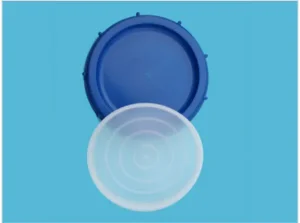
Executive Industry Whitepaper: The Evolution of China's IBC Container Manufacturing
In the era of modern global logistics, intermediate bulk containers (IBC totes) have become the undisputed benchmark for high-density, secure liquid storage and transportation. As global chemical, pharmaceutical, and agrochemical supply chains demand higher safety margins, lower total cost of ownership (TCO), and stricter environmental compliance, China’s manufacturing infrastructure for IBC tote containers has evolved from traditional blow-molding operations into ultra-automated, smart-factory eco-systems.
A leading China IBC Tote Container Manufacturer is no longer just a supplier of hollow plastic bottles housed in steel cages. Today, tier-one manufacturers integrate high-molecular-weight high-density polyethylene (HMW-HDPE), advanced multi-layer co-extrusion technology, computer-controlled robotic welding, precision mold machining (tolerances up to 0.005 mm), and finite element analysis (FEA) to withstand extreme hydraulic surge and hydrostatic pressures.
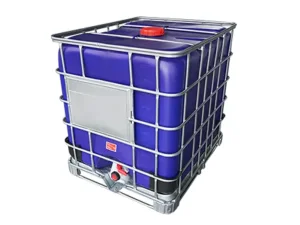
Anatomy of a Heavy-Duty Composite IBC Container
Standard composite rigid IBCs (typically standardized at 1000-liter or 275-gallon capacities under UN Code 31HA1) consist of three critical structural components engineered to perform in unison:
1. Inner HDPE Container Bottle
Extruded using UV-stabilized, high-density resin with high Environmental Stress Crack Resistance (ESCR). Features seamless blow-molded construction, optimized wall thickness distribution (minimum wall thickness > 2.0 mm), and smooth anti-adhesion inner surfaces to eliminate product residue during drainage.
2. Tubular Galvanized Steel Cage
Fabricated from hot-dip galvanized steel tubing welded into a rigid 3D grid matrix. Engineered to absorb intense dynamic shocks, resist lateral bulges under high-density liquid payloads (up to 1.9 SG), and provide reliable 4-high static stacking performance in warehouse environments.
3. Integrated Base Pallet & Valves
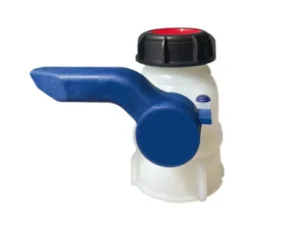
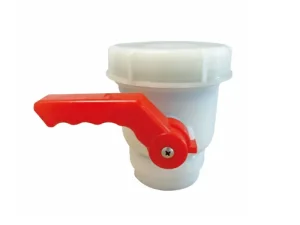
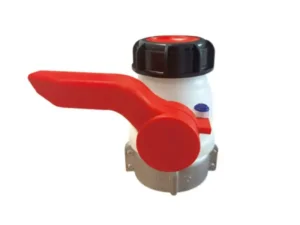
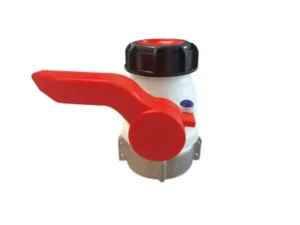
Available in heavy-duty steel, hybrid plastic, or lightweight aluminum configurations with 4-way forklift entry. Features recessed drain valves (DN50 butterfly or ball valves) equipped with gas-tight PTFE, EPDM, or FKM fluorocarbon seals for zero-leak discharge.
Global IBC Industry Development Trends (2025–2030)
The international liquid packaging sector is undergoing a massive transformation driven by carbon reduction mandates, smart IoT integration, and stringent dangerous goods transport safety standards. As industrial procurement shifts toward smart packaging assets, Chinese OEMs are leading several key technical breakthroughs:
1. Smart Telemetry & IoT-Enabled Totes
Modern high-end IBC containers are rapidly incorporating ATEX-certified IoT tracking modules directly into the tote frame or lid. These self-powered sensors transmit real-time telemetry including GPS location, internal fluid temperature, hydrostatic level/fill status, tilt angles, and unauthorized opening detection via NB-IoT or LoRaWAN networks. This intelligence enables predictive logistics, prevents batch contamination, and automates reorder workflows for global enterprise chemical buyers.
2. Advanced Fluorination Barrier Technology
For highly volatile organic solvents, aggressive aromatics, and aggressive agrochemicals, traditional un-treated HDPE bottles suffer from solvent swelling and vapor permeation. Leading Chinese manufacturers now deploy inline surface fluorination (Level 5 fluorine gas treatment) during blow molding. This process creates a micro-thin fluoropolymer barrier layer on the inner HDPE wall, reducing chemical permeation rates by up to 99% while maintaining total recyclability.
3. Closed-Loop Circular Economy & Reconditioning
Sustainability targets (such as the EU Packaging and Packaging Waste Regulation) require companies to reduce single-use industrial plastic. China's top tote manufacturers design IBC units explicitly optimized for multi-trip reconditioning. Standardized valve replaceability, quick-wash rounded interior geometry, and removable bottle designs allow reconditioners to wash, test, or rebottle containers cost-effectively up to 10–15 operational cycles.
4. Lightweighting with High-ESCR Resins
Through computational fluid dynamics (CFD) and FEA structural modeling, manufacturers can optimize wall profiles—placing more polymer at high-stress lower corners while thinning non-critical areas. Utilizing bimodal HMW-HDPE resins allows a weight reduction of 5–8% without sacrificing UN drop-test performance or top-load stacking compression limits (up to 1650 kg static load capacity).
Global Enterprise Procurement Requirements & TCO Calculations
For multinational procurement heads, chemical plant operational managers, and distribution directors, sourcing IBC tote containers from China requires evaluating factors far beyond the unit FOB price. A holistic procurement strategy evaluates structural reliability, regulatory risk, logistics compatibility, and total cost of ownership (TCO).
| Procurement Evaluation Vector | Technical Criterion / Standard | Operational Risk if Non-Compliant | Dasheng Factory Guarantee |
|---|---|---|---|
| Resin Grade & Purity | 100% Virgin HMW-HDPE (e.g., SABIC 5211 / YUMEX 5200B) | Premature stress cracking, bottle bulging, catastrophic environmental spill | Zero recycled resin mixed into bottle inner liner; batch certificate provided |
| Structural Integrity | UN 31HA1 / Y Packaging Code (Packing Group II & III) | Customs rejection at port of entry, heavy fines for UN non-compliance | Full UN certification documents, drop test (> 1.9m @ -18°C), stack test certified |
| Sealing & Permeation | Gasket materials: PTFE, EPDM, FKM; DN50/80 leak-tight valve tolerances | Chemical leakage, vapor emissions, hazardous corrosion of steel cage | 100% pneumatic leak testing (0.2 bar overpressure) on every assembled bottle |
| Cleanliness & Hygiene | Food grade ISO 22000, FDA 21 CFR 177.1520, cleanroom automated capping | Batch contamination of food syrups, pharmaceutical intermediates, high-purity additives | Dust-free automatic blow-molding lines, sealed cap placement, dust covers included |
| Frame Corrosion Protection | Hot-Dip Galvanized steel profile with heavy zinc mass coating (> 275 g/m²) | Premature rusting in marine ocean transit or acid-fog chemical plant yards | Salt spray resistance exceeding 500 hours; robotically welded structural points |
Total Cost of Ownership (TCO) Direct Comparison
When comparing China factory-direct procurement against local regional distributor purchasing, enterprise buyers typically realize significant bottom-line advantages. Buying directly from a specialized manufacturer like Dasheng yields a 25–40% reduction in capital expenditure per tote. Furthermore, high-quality initial construction minimizes container retirement rates, enabling 3 to 5 additional shipping cycles per container asset.
Macro Industry Solutions Across Global Supply Chains
Different manufacturing sectors require specific container configurations. A standard off-the-shelf container will fail if matched incorrectly with high-density acids, light-sensitive food ingredients, or volatile solvents.
1. Chemical & Petrochemical Sector
Challenge: Storage of corrosive acids, caustic alkalis, solvents, and dangerous industrial reagents requiring UN hazard approval.
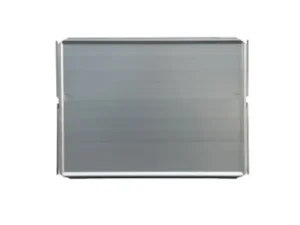
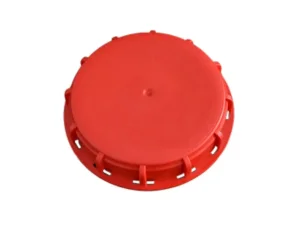
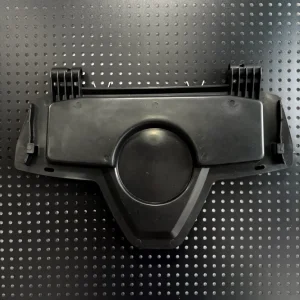
Engineered Solution: Heavy-wall HMW-HDPE bottle with optional Fluorination treatment. Outfitted with high-durability DN50 integrated butterfly valves featuring encapsulated PTFE gaskets, pressure relief breathable top lids (red vented covers), and stainless steel batch tracking plates.
2. Food, Beverage & Pharmaceutical
Challenge: Preventing micro-biological contamination, oxidation, or organoleptic cross-contamination of edible oils, flavorings, fruit concentrates, and liquid sugar.
Engineered Solution: Manufactured in ISO 22000 cleanroom environments. Features virgin FDA-approved resin, light-proof opaque bottle options, steam-sterilizable stainless steel DN50 camlock valves, and tamper-evident sealing covers.
3. Agrochemicals & Liquid Fertilizers
Challenge: Dynamic liquid sloshing during overland transit across rough rural roads causes vehicle instability and cage deformation.
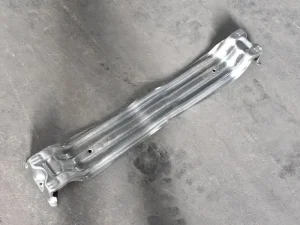
Engineered Solution: High-density IBC units integrated with anti-sloshing internal baffles and reinforced heavy-duty galvanized crossbeam transom support bars. Ensures maximum stability during transport while retaining smooth discharge capabilities.
4. New Energy & Battery Electrolytes
Challenge: Ultra-sensitive lithium battery electrolyte solutions demand zero-moisture ingress and zero metallic ion contamination.
Engineered Solution: Precision-molded ultra-pure HDPE inner containers, washed with deionized nitrogen systems, backed by all-stainless-steel frame variants or heavy plastic pallet bases for high-end battery chemical logistics.
Localization Support & Global Compliance Assurance
Deploying industrial packaging equipment globally requires seamless alignment with regional transportation regulatory bodies. Dasheng provides end-to-end technical documentation and structural engineering customization to guarantee uninterrupted customs clearance across North America, Europe, Southeast Asia, and the Middle East.
North American Compliance (DOT / UN)
Fully compliant with US DOT 49 CFR regulations for maritime and highway hazardous transport. Threads strictly adhere to ANSI / NPT and standard 2-inch NPS discharge specifications for seamless connection with domestic pump setups.
European Compliance (ADR / RID / REACH)
Conforms strictly to ADR road transport and RID rail transport standards. All raw plastic polymers comply fully with EU REACH registration requirements and EU 10/2011 food contact material migration limits.
Interoperability & Replacement Spares
Standard S60x6 buttress thread profiles on outlet valves ensure 100% interoperability with existing international container fleets, including Schütz, Mauser, and Greif accessories.
Technology Roadmap & Future Outlook (2025–2035)
As a forward-thinking IBC container factory, Dasheng invests heavily in future-proof manufacturing technologies. Our multi-year engineering roadmap focuses on decarbonization, smart manufacturing, and material science innovation:
Phase 1: Bio-Based Polymers & High-Percentage PCR Co-Extrusion
Implementing 3-layer co-extrusion blow molding systems. The inner layer remains 100% virgin FDA resin, while the middle structural core utilizes up to 50% Post-Consumer Recycled (PCR) HDPE, reducing scope 3 embodied carbon by 35% while preserving UN drop-test integrity.
Phase 2: Fully Autonomous Robotic Assembly & Vision Inspection
Transitioning 100% of cage welding, base clinching, and valve torquing to automated 6-axis robotic cells equipped with AI machine-vision system checks for zero-defect production logging.
Phase 3: Blockchain-Enabled Asset Lifecycle Tracking
Embedding indelible QR code / RFID laser nameplates directly onto the steel frame during stamping. Allows chemical companies and logistics operators to scan and retrieve complete resin provenance, pressure test records, and wash history instantly via digital cloud passports.
Frequently Asked Technical Questions (FAQ)
Direct technical insights from our engineering and quality assurance team regarding IBC tote selection, maintenance, and chemical compatibility.
PTFE (Teflon): The gold standard for universal chemical inertness. Resists almost all aggressive solvents, concentrated acids, and hydrocarbons.
FKM (Viton): Superior performance with aromatics, petroleum fuels, solvents, and strong mineral acids.
Complete Replacement Parts & Accessory Catalog
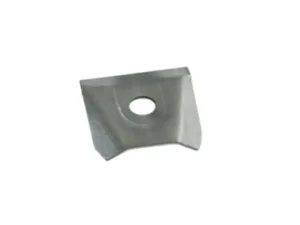
Maintain, repair, and upgrade your container fleet with factory-direct replacement crossbeams, precision ball/butterfly valves, leak-proof gaskets, and stainless steel identification plates.