Featured Commercial IBC Tank Parts & Assemblies
Direct-from-factory liquid packaging hardware, precision components, and engraved identification systems engineered for extreme chemical resistance.
1. Executive Overview & Global Commercial Landscape of IBC Nameplates
In global chemical logistics, pharmaceutical supply chains, and bulk liquid transport, the Intermediate Bulk Container (IBC) tank nameplate functions as a primary regulatory compliance document and structural tracking nexus. Rather than a cosmetic accessory, an industrial IBC nameplate serves as a permanent metallurgical record required to withstand severe environmental stress—ranging from concentrated nitric acid exposure to sub-zero arctic transit and high-pressure steam sterilization.
As China solidifies its position as the world's primary manufacturing hub for industrial packaging hardware, top-tier **China IBC tank nameplate manufacturers and factories** have evolved beyond simple stamping operations into advanced metallurgical engineering centers. Modern high-volume production facilities leverage fiber laser ablation, deep chemical etching, and integrated RFID/NFC hybrid architectures to manufacture nameplates that meet stringent global regulatory standards, including **UN Marking Standards (UN 31HA1/Y), DOT 57/60 specifications, IMDG Code Section 6.5, and ISO 16106 compliance**.
Fleet owners, tote reconditioners, chemical OEM manufacturers, and logistics operators face accelerating pressure regarding ESG circular economy loops. A nameplate must remain legibly engraved across 10 to 20 years of multi-trip deployments, hot caustic wash cycles, and mechanical impacts. Sub-standard nameplates lead to severe regulatory fines, rejected ocean shipments at port customs, and total failure in asset tracking across supply networks.
2. Technical Metallurgy Roadmap & Engraving Precision Metrics
Selecting the appropriate substrate material and marking methodology is crucial when designing industrial identification plates for stainless steel IBCs (rigid metal totes) or composite IBCs (HDPE bottle within a steel cage). China's leading factories utilize strictly certified raw materials with full Mill Test Certificates (MTC per EN 10204 3.1).
AISI 304 vs. AISI 316L Grade Selection
Standard commercial totes utilize AISI 304 (1.4301) stainless steel nameplates. However, for severe marine environments or hazardous chemical storage (e.g., organochlorines, aggressive acids), China factories manufacture low-carbon AISI 316L (1.4404) plates enriched with 2-3% Molybdenum to prevent pitting and crevice corrosion.
Advanced Marking Technologies
Leading manufacturers offer four primary processing routes: High-Power MOPA Fiber Laser Engraving, Photo-Chemical Etching with Epoxy Color Fill, Hydraulic Deep Mechanical Embossing (stamping), and Anodized Aluminum graphic printing for light-duty indoor applications.
Surface Finish & Mounting Integrity
Plates range from 0.5 mm to 2.0 mm thickness with 2B cold-rolled, No. 4 Satin polish, or Electropolished finishes. Mounting options include 4-corner precision punch holes for stainless blind rivets, spot-weldable margins, or 3M VHB high-tack industrial adhesive backings.
| Property / Parameter | AISI 304 Stainless Steel | AISI 316L Stainless Steel | Anodized Aluminum (Alloy 6061) |
|---|---|---|---|
| Corrosion Resistance | Excellent (General Industrial) | Superior (Marine / Chlorides / Acids) | Moderate (Atmospheric / Mild Chemicals) |
| Operating Temperature Limit | Up to 800°C (1472°F) | Up to 870°C (1598°F) | Up to 300°C (572°F) |
| Tensile Strength (MPa) | 515 - 720 MPa | 485 - 680 MPa | 290 - 310 MPa |
| Recommended Process | Fiber Laser Ablation / Stamping | Chemical Etching + Laser Contrast | Laser Anodization / Color Printing |
| Regulatory Target | Standard Chemical & Food Totes | Hazardous UN Class 3, 6.1, 8 Totes | Non-Hazardous Water & Dry Bulk |
3. Industry 4.0 Transformation: Hybrid Smart RFID/NFC IBC Nameplates
The industrial bulk packaging market is shifting rapidly toward digital asset management. Modern China IBC tank nameplate manufacturers are integrating digital tracking components into traditional stainless steel plates. **Hybrid Smart Nameplates** combine physical engraved data (for human inspectors and regulatory authorities) with digital microchips (for automated warehouse scanning and IoT fleet tracking).
Direct Part Marking (DPM) 2D Data Matrix
Laser-etched high-density 2D Data Matrix codes allow handheld industrial scanners to read serial numbers, test dates, and UN codes even if the nameplate is covered in grime, paint overspray, or partial surface abrasion.
On-Metal ATEX RFID Embedment
By machining custom recess pockets behind or within the stainless steel plate, manufacturers embed UHF RFID chips (860-960 MHz) with specialized anti-metal isolation layers. This enables long-range multi-tote scanning in explosion-hazardous ATEX Zone 1/2 environments.
NFC Smartphone Inspection Interfaces
Near Field Communication (NFC) chips allow field operators to scan an IBC tote using a standard ruggedized smartphone, pulling up real-time inspection certificates, MSDS chemical safety sheets, and pressure re-test schedules from cloud platforms.
4. Macro Industry Solutions & Application Scenarios
IBC container specs vary significantly across different industrial verticals. China's top OEM/ODM nameplate factories customize design geometry, marking depth, and legal formatting to match specific operating conditions:
A. Hazardous Chemical Logistics & ISO Tank Fleets
Requires 1.5mm thick AISI 316L stainless steel plates featuring deeply stamped UN specification marks (e.g., UN 31HA1/Y/01 24/CN/...). Must resist aggressive solvents, alkalis, and outdoor weathering during multi-modal sea freight.
B. Hygienic Food, Beverage & Pharmaceutical Processing
Demands electropolished stainless steel nameplates with crevice-free rounded corners (R=3mm minimum) and zero microscopic pores to prevent bacterial accumulation. All markings must be flush laser-sealed, fully compliant with FDA and EC 1935/2004 food-contact equipment guidelines.
C. IBC Reconditioning, Fleet Leasing & Recycling Networks
Tote refurbishers require dual-zone nameplates: a primary permanent serial section alongside a replaceable or re-stampable "Inspection & Test Date" grid. This design allows operators to update leak-proof and hydraulic test records every 2.5 and 5 years per ADR/RID regulations without replacing the main chassis plate.
D. Offshore Oil & Gas (DNV 2.7-1 Offshore Totes)
Heavy-duty stainless steel nameplates capable of surviving continuous salt fog, wave impact, and extreme mechanical vibration on offshore platforms. Plates undergo rigorous salt spray testing exceeding 1500 hours under ASTM B117 standards.
5. Global Regulatory Framework & Strategic Sourcing Guide
Procuring nameplates from China requires strict alignment between international maritime regulations and factory quality management systems. Buyers must ensure that nameplate layouts comply with target destination laws:
North American Market (DOT / OSHA)
Plates destined for the USA and Canada must incorporate **DOT-SP / UN codes**, maximum allowable gross mass in pounds (lbs), tare weight, volumetric capacity in US Gallons, and dedicated space for NFPA 704 hazard identification diamonds.
European Union Market (ADR / RID / CE)
EU regulations mandate clear identification of the inner vessel material (e.g., HDPE PE-100), wall thickness, initial test pressure (kPa), approval country code, and multi-lingual safety warnings in compliance with ADR 6.5.2.1.
China Supply Chain Advantages
By leveraging integrated industrial clusters in Shandong and Jiangsu, Chinese factories offer automated high-speed fiber laser cutting, low MOQ customized tooling, fast turnarounds (sample production in 48 hours), and direct cost savings of 30-50% compared to Western suppliers.
6. Frequently Asked Questions (FAQ) – Industrial Technical Sourcing
Why choose stainless steel over aluminum or plastic labels for IBC tank nameplates?
What information must legally appear on a UN-certified IBC nameplate?
How do Chinese manufacturers guarantee laser engraving contrast and readability?
What are the standard dimensions and hole mounting layouts for IBC nameplates?
Can I order custom sample prototypes with my company logo and dynamic serial numbers?
What quality assurance tests are performed prior to export dispatch?
How are smart RFID chips embedded into metal IBC plates without signal interference?
What is the standard production lead time and ocean packaging for bulk export orders?
Complete IBC Tank Accessories & Replacement Hardware
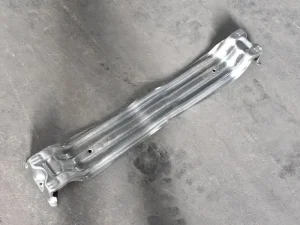
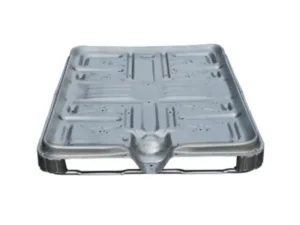
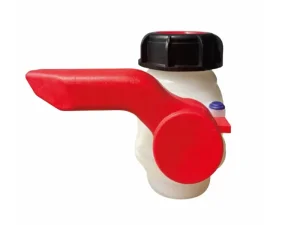
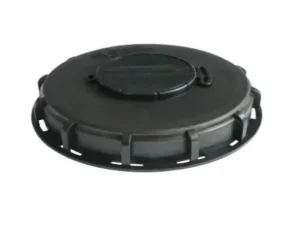
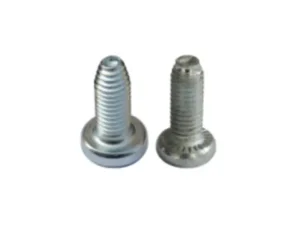
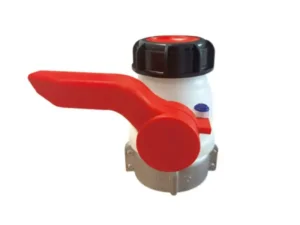
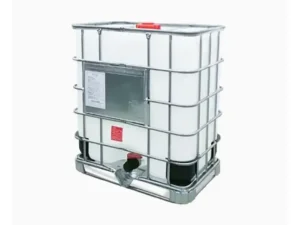
Explore our extended portfolio of precision replacement screws, support transom bars, pallet bases, and high-integrity sealing closures direct from our Shandong factory base.