
High-Performance IBC Closures & Fluid Handling Components
Global Industrial Landscape of Intermediate Bulk Container (IBC) Closures
In modern global logistics and liquid supply chains, the 1000-liter Intermediate Bulk Container (IBC tote) stands as the gold standard for transporting bulk chemicals, food ingredients, active pharmaceutical ingredients (APIs), and agricultural formulations. While the inner blow-molded High-Density Polyethylene (HDPE) bottle and outer tubular steel cage provide structural containment, the top lid assembly represents the primary line of defense against chemical oxidation, volatile off-gassing, moisture intrusion, and environmental contamination.
Standard Dimensional Specifications (150mm, 225mm, 400mm, 445mm)
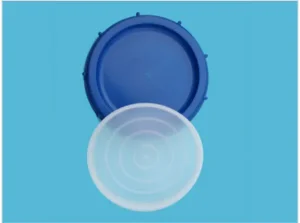
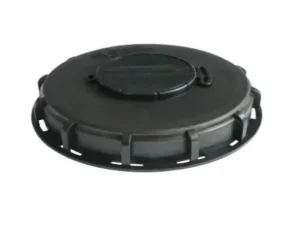
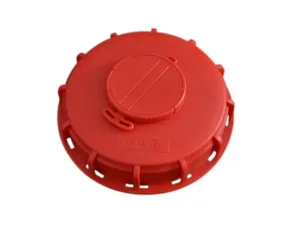
The global market relies on standardized neck openings governed by ISO and DIN standards. The most ubiquitous top lid formats include 150mm (DN150 / 6 inches) and 225mm (DN225 / 9 inches) threaded screw caps equipped with S160x7 or heavy-duty buttress threads. Furthermore, specialized chemical processing drums and high-viscosity food containers demand ultra-wide openings such as 400mm inner core and 445mm special-shaped chemical drum caps to accommodate rapid bulk filling, mechanical agitator entry, and thorough tank washing.
Critical Safety & Environmental Integrity Functions
An IBC lid is not merely a plastic cover; it is an engineered pressure-management ecosystem. During ocean transit or long-haul truck transport, ambient temperature fluctuations induce gas thermal expansion or vapor condensation inside the tote. Without engineered breathable membrane valves or two-way pressure-relief valves, containers risk structural buckling (vacuum collapse) or catastrophic dome rupture (over-pressurization). Leading manufacturers in China engineer composite lids that balance seal tightness with autonomous degassing.
Polymer Engineering, Gasket Chemistry & Venting Mechanics
Selecting the correct China IBC tank lid manufacturer requires a deep evaluation of raw material grade, masterbatch UV stabilizers, elastomeric sealing gaskets, and micro-porous membrane integration.
| Component Part | Primary Material / Polymer | Performance Standard & Properties | Target Chemical / Industrial Media |
|---|---|---|---|
| Lid Shell Body | High-Molecular Weight HDPE / Copolymer PP | Tensile strength > 28 MPa, ESCR (Environmental Stress Crack Resistance) > 1000 hrs | Aggressive Solvents, Acids, Alkalis, Food Syrups |
| Sealing Gasket Ring | EPDM / NBR / FKM (Viton) / Silicone / PTFE Envelope | Compression set < 15%, temperature range -40°C to 180°C, zero swelling | Petroleum Oils, Aromatics, Food-Grade Liquids, Concentrated Acids |
| Breathable Vent Plug | Expanded PTFE (ePTFE) / Mechanical Spring Valve | Airflow 15-500 L/hr at 10 mbar, water entry pressure (WEP) > 60 kPa | Hydrogen Peroxide, Peracetic Acid, Organic Fertilizers |
| Thread Profile | S160x7 Heavy Buttress / Custom 225mm Thread | High torque resistance up to 75 N·m without thread stripping or deformation | UN Certified Hazardous Packaging Systems |
Polymer Injection Molding Rigidity
Premier Chinese factories utilize 100% virgin prime-grade High-Density Polyethylene resin (such as SABIC 5621 or PetroChina 6010) blended with hindered amine light stabilizers (HALS). This ensures the lid maintains impact strength at sub-zero transport temperatures (-40°C) and prevents solar degradation under intense UV radiation during outdoor depot storage.
Advanced ePTFE Venting Tech
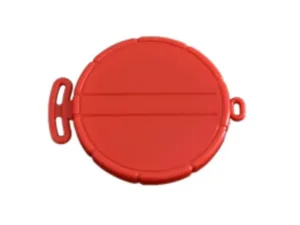
Vented lids feature hydrophobic and oleophobic expanded PTFE membranes. These microporous structures permit gas molecules to pass freely while completely blocking liquid molecules—even under severe hydro-static sloshing during ocean container shipping. Color-coded covers (e.g., Red for Vented, Black for Solid Sealing) streamline visual inspection in chemical filling plants.
Precision Tooling & Mold Design
Thread engagement integrity dictates leak protection. Top-tier manufacturers employ multi-cavity hot-runner injection molds with CNC tooling tolerances refined to ±0.005mm. Mold flow simulation eliminates sink marks, weld lines, and internal stress hot-spots, ensuring uniform wall thickness across 150mm, 225mm, and 445mm cap geometries.
Strategic Value of Partnering with Chinese IBC Lid Manufacturers
China has evolved into the global epicenter for intermediate bulk container component production. Sourcing directly from verified Chinese factories delivers systemic benefits spanning procurement cost optimization, rapid prototyping, and vertical supply chain integration.
1. Vertical Manufacturing Ecosystem
Leading clusters (such as Shandong Linyi Industrial Zones) combine raw resin polymerization, mold design, metal frame galvanization, valve casting, and lid injection molding within tightly knit geographical radii. This proximity reduces raw material transport lag to zero and accelerates bulk order execution.
2. Unrivaled Rapid Prototyping & OEM Customization
Need a custom 400mm inner core chemical lid with non-standard threads or private-label company embossing? Chinese manufacturers excel at taking CAD models to T1 sample injection in under 15 days, leveraging advanced CNC machining and EDM spark erosion.
3. Economies of Scale & Agile Stocking
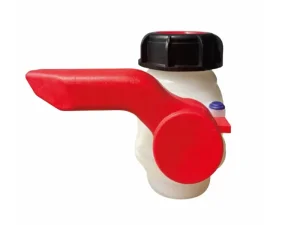
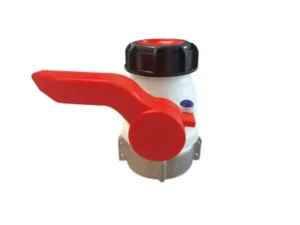
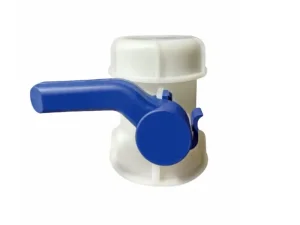
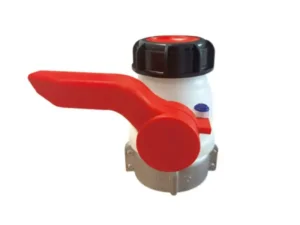
With modern high-tonnage injection presses operating on automated 24/7 cycles, Chinese factories maintain standard catalog items (150mm red vented caps, black sealing caps, DN50 butterfly valves) in bulk stock, enabling dispatch lead times as fast as 3 days for standard containerized freight.
Localized Application Scenarios & Industry Use-Cases
Intermediate bulk container lids must be tailored to the exact chemical compatibility, hygiene requirements, and physical demands of distinct end-use markets.
1. Fine Chemicals & Aggressive Agrochemicals
Agrochemical pesticides, herbicides, and concentrated acids emit volatile gases and exhibit strong solvent action. For these environments, manufacturers utilize heavy-duty HDPE lids fitted with FKM (Viton) gaskets and dual-way ePTFE degassing vents. The breathable membrane prevents pressure buildup inside the container without permitting acid fumes to degrade external steel cages or pollute warehouse air.
2. Hygienic Food, Beverage & Dairy Liquids
Transporting liquid sugar, edible oils, dairy concentrates, and fruit juices requires strict adherence to FDA and EU 10/2011 food-contact regulations. Lids designed for food supply chains use food-grade white silicone or EPDM gaskets, virgin pigment-free HDPE resins, and tamper-evident pull-ring seals to guarantee batch purity and prevent unauthorized container tampering during global freight transit.
3. Container Reconditioning & Remanufacturing Ecosystems
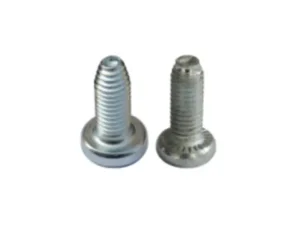
The circular economy relies heavily on IBC reconditioners who wash, collect, and re-bottle used totes. Reconditioners demand cost-effective replacement components—such as universal 150mm replacement screw caps, stainless steel replacement screws, and stainless steel engraved identification nameplates—to restore recycled units to UN-certified operational safety.
4. High-Viscosity Paste & Special Chemical Drums
Industries dealing with heavy inks, resins, sealants, or slurry products utilize specialized 445mm large-diameter drum covers with 400mm inner cores. These expansive openings allow immersion pumps and heavy industrial mixers to enter directly into the vessel without dismantling the primary containment lid assembly.
Key Industry Development Trends Shaping IBC Lid Manufacturing
As global logistics aligns with corporate sustainability directives (ESG) and Industry 4.0 digitizations, intermediate bulk container component engineering is undergoing rapid innovation.
Smart IoT Lid Integration
Next-generation IBC lids are incorporating embedded IoT sensors, RFID tracking tags, and pressure-transducers directly into the injection-molded cap structure. This enables real-time telematics for chemical tracking, fill-level monitoring, ambient temperature logging, and automated leak detection during cross-border transit.
Post-Consumer Recycled (PCR) HDPE Integration
To fulfill circular economy mandates, advanced Chinese manufacturers are perfecting multi-layer coinjection and closed-loop PCR resin blending. By sandwiching structural PCR resin between virgin food-grade outer/inner layers, factories achieve a 30% reduction in virgin plastic consumption without sacrificing mechanical load strength or UN drop-test compliance.
Advanced Fluorination Treatments
Off-line and in-line gas-phase fluorination (Level 3 to Level 5) is becoming standard for high-end HDPE lids. Fluorination creates a fluorocarbon barrier layer on the plastic surface, reducing chemical permeation, solvent swelling, and panelling effects when storing aggressive hydrocarbons, xylenes, and halogenated compounds.
B2B Vendor Qualification Audit & Quality Control Checklist
When evaluating a China IBC tank lid supplier for contract manufacturing or volume wholesale procurement, international buyers should insist on verifying the following technical compliance standards:
1. Factory Testing Laboratory Protocol
- Hydrostatic Pressure Testing: Verification that assembled lids maintain seal integrity under internal air/water pressures exceeding 100 kPa for 30 minutes.
- Drop Testing (Zero-Degree Freeze): Cold-chamber conditioning at -18°C followed by top-corner impact drops from a 1.9-meter height.
- Venting Flow Rate Verification: Anemometer calibration of ePTFE breathable vents to confirm air discharge matches specified liter-per-hour metrics.
2. Regulatory Documentation & Certification
- UN Markings: UN 31HA1/Y compliance for dangerous goods transportation certification.
- ISO Quality Management: ISO 9001:2015 factory certification alongside ISO 14001 environmental compliance.
- Material Traceability: Batch-level certificates of analysis (CoA) detailing resin melt flow index (MFI), density, and gasket durometer hardness.
Frequently Asked Questions: Technical Sourcing Guidance
Detailed technical insights addressing key engineering, selection, and logistics questions raised by international procurement managers and plant engineers.
- EPDM: Excellent for water-based liquids, dilute acids, alkalis, and alcohols. Poor resistance to petroleum oils.
- FKM (Viton): Superior resistance to aggressive aromatics, chlorinated solvents, heavy oils, and strong acids. High cost but maximum security.
- NBR (Nitrile): Ideal for petroleum fuels, mineral oils, hydraulic fluids, and vegetable oils.
- Silicone / PTFE Envelope: Preferred for food, pharmaceutical, and high-purity liquids requiring FDA compliance and zero odor migration.
Complete Replacement Parts, Frames, Caps & Tank Accessories
Partner with China's Premier IBC Component Manufacturer
Whether you are a chemical plant procurement manager, an IBC container reconditioner, or a global packaging distributor, direct factory collaboration delivers unmatched component precision, certified chemical safety, and optimal unit economics.