Featured Commercial IBC Replacement Components
Engineered replacement fittings, valves, lids, and structural components designed for high-stress industrial applications.


1. Global Market Dynamics & Executive Sourcing Strategy
The global industrial liquid packaging landscape is undergoing a systemic paradigm shift driven by circular economy mandates, stringent chemical transport regulations (UN/DOT standards), and total cost of ownership (TCO) optimization. Intermediate Bulk Containers (IBCs)—specifically 1000-liter rigid composite totes—represent the backbone of bulk chemical, food ingredient, pharmaceutical, and agricultural fluid distribution. However, maintaining the integrity of extensive IBC fleets requires robust, precision-engineered replacement components. This whitepaper analyzes the manufacturing capabilities, material science advancements, and strategic advantages offered by specialized China IBC repair parts manufacturers.
Industrial buyers, fleet reconditioners, and chemical manufacturers are increasingly transitioning from full-tote replacement to modular maintenance regimes. By replacing compromised discharge valves, deteriorated top closures, structurally fatigued aluminum pallet bases, and damaged structural fasteners, global enterprises extend container operational lifecycles by up to 300%. Sourcing high-precision OEM and aftermarket repair components directly from verified Chinese industrial hubs guarantees structural compatibility with world-class tote formats (including Schütz, Mauser, Greif, and Werit benchmarks) while driving capital efficiency.
Strategic Takeaway: Implementing standardized IBC component replacement protocols reduces asset downtime by 45% and reduces fleet capital expenditures by over $120 per tote cycle compared to immediate bottle/cage retirement.
2. Component Engineering & Failure Analysis Mechanics
Selecting industrial-grade replacement parts requires a deep technical understanding of mechanical stresses, polymer degradation, and sealing physics under dynamic transportation environments. Inferior component selection often leads to catastrophic failure during intermodal transport, exposing operators to environmental penalties and severe liability.
Discharge Valve Dynamics
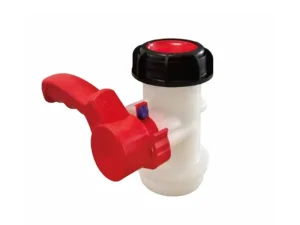
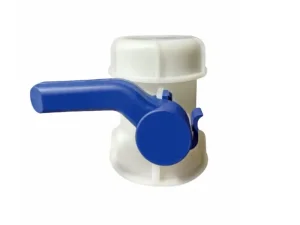
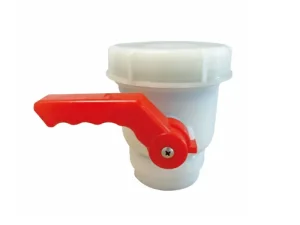
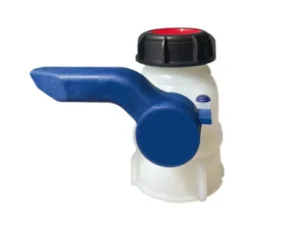
DN50 and DN80 Integrated Butterfly & Ball Valves utilizing high-density Polypropylene (HDPE) or SS316 stainless steel matrices. Designed with optimized flow coefficients (Cv) to minimize pressure drop during viscous fluid discharge.
Polymer Seal Integrity
Advanced elastomeric gaskets (EPDM, FKM/Viton, PTFE) formulated for Environmental Stress Crack Resistance (ESCR). Engineered to withstand aggressive solvents, strong acids, and thermal expansion cycles ranging from -20°C to +80°C.
Structural Base & Pallets
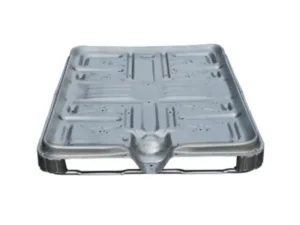
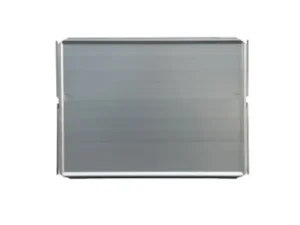
Lightweight aluminum and galvanized steel composite pallet bases. Engineered to absorb high impact energy during forklift interaction and maintain stack integrity up to 4-high loading (statically rated for 4000kg loads).
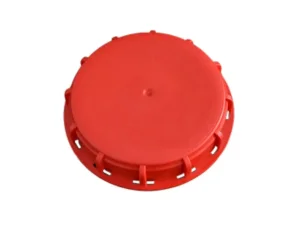
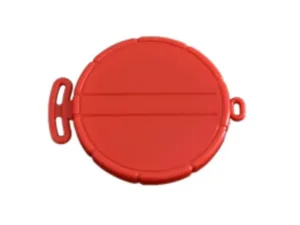
Material selection is vital when choosing closure systems such as the S245×6 or S160×7 plastic lids. Precision blow-molding and injection-molding techniques ensure microscopic dimensional consistency across thread pitches. Chinese manufacturing facilities utilize 3D coordinate measuring machines (CMM) and laser scanning to verify tool geometries down to ±0.005mm. This extreme tolerance prevents thread jump, seal pinch, and vapor leakage during pressure fluctuations encountered in air or sea transport.
3. Sourcing Strategies & Factory Qualification Framework
Navigating the vendor landscape in China requires an evaluation matrix that extends beyond unit price negotiation. Leading original equipment suppliers and specialized aftermarket factories in regions like Shandong (e.g., Linyi industrial packaging clusters) operate vertically integrated facilities housing mold design, polymer compounding, automated injection molding, and continuous pressure testing.
When vetting China IBC repair parts manufacturers, procurement teams must enforce three critical compliance verification steps:
1. Material Traceability
Demand 100% virgin High-Density Polyethylene (HDPE) certificates (such as Total Petrochemicals, SABIC, or Sinopec grades). Recycled resins must be strictly avoided for primary fluid contact zones and structural pressure caps due to micro-fracture risks.
2. UN & Food Contact Certifications
Verify that components destined for regulated liquids possess UN packaging approval markers and comply with FDA 21 CFR 177.1520 and EU No 10/2011 regulations for migration limits in food-grade processing.
3. Tooling Precision & In-House QC
Inquire whether the manufacturer executes in-house mold maintenance and automated optical inspection (AOI) to eliminate flash line defects, micro-voids, and uneven wall thickness in critical valve bodies.
4. Sector-Specific Application Engineering Solutions
Different industrial sectors present unique chemical, thermal, and mechanical hazards. A one-size-fits-all approach to IBC repair components leads to premature failure. Chinese manufacturing hubs provide specialized component formulations tailored to specific market verticals:
| Industry Sector | Primary Fluid Media | Recommended Valve Material | Gasket / Seal Selection | Specialized Feature Required |
|---|---|---|---|---|
| Specialty Chemicals | Solvents, Organic Acids, Resins | SS316 Welded / PP DN50 | FKM / PTFE Encapsulated | Grounding lug for anti-static safety |
| Food & Beverage | Edible Oils, Syrups, Concentrates | Food-Grade HDPE / Sanitary SS | FDA EPDM / Silicone | Hygienic dust cap & tamper-evident seal |
| Agrochemicals | Pesticides, Liquid Fertilizers | Coupled Reinforced Polypropylene | Specialized NBR / EPDM | Vented pressure-relief lid caps |
| Petrochemicals | Lubricants, Additives, Fuel Traces | DN80 Integrated Ball Valve | Viton / Fluorosilicone | High-flow discharge guide pipe |
For instance, agrochemical manufacturers handling off-gassing formulation liquids require top lids equipped with automatic venting membranes (such as ePTFE hydrophobic vents). These breathable caps automatically balance internal container pressure without permitting liquid escape, preventing tote collapse during mountain transit altitude changes or solar heat exposure.
5. Comprehensive Quality Assurance & Testing Standards
To maintain absolute reliability in hazardous cargo logistics, direct-from-factory repair parts are subjected to rigorous laboratory stress protocols prior to mass export container loading:
Pneumatic Leak Testing
Valves are subjected to 0.3 bar dry air pressure tests under water submersion for 30 seconds. Zero bubble emission is accepted (100% factory line testing).
Hydraulic Pressure Resistance
Assembled closures are pressurized to 100 kPa for 10 minutes to simulate dynamic surge forces experienced during emergency vehicle braking.
Drop & Impact Resistance
Conditioned components undergo low-temperature impact tests (-18°C) to ensure polymer ductility and eliminate brittle fracture risks in cold climates.
6. Technology Roadmap & Future Trends (2026–2030)
The next decade will transform standard fluid containment into intelligent, traceable packaging ecosystems. Chinese manufacturers are pioneering several key technological advances:
IoT-Enabled Smart Valves
Integration of passive RFID and active Bluetooth Low Energy (BLE) sensors within the valve body, providing real-time telemetry on valve opening cycles, fluid temperature, and tamper detection.
Fluorinated Resins & Nano-Coatings
In-line plasma fluorination technology applied to poly-closures, creating an impenetrable chemical barrier that suppresses permeation of non-polar solvents and VOCs without needing expensive metallic inserts.
Automated Reconditioning Robotics
Standardization of valve mounting dimensions and lid quick-release mechanisms to allow robotic arms at reconditioning stations to swap damaged parts in under 12 seconds per container.
Frequently Asked Questions (Technical & Sourcing Guide)
Expert insights regarding IBC part compatibility, material safety, OEM customization, and overseas logistics.
How do I verify if Chinese replacement valves will fit my existing IBC tote brand (e.g., Schütz, Mauser)?
What is the functional difference between an IBC butterfly valve and an IBC ball valve?
When should I specify a breathable (vented) top lid versus a solid sealing lid?
What elastomer material is best for handling concentrated acids or aggressive solvents?
What tooling precision can be achieved for custom OEM/ODM plastic lid molds in China?
What standard lead times and export packaging practices should overseas buyers expect?
Additional Industrial Repair & Conversion Assemblies
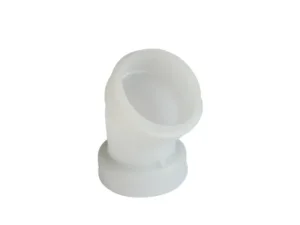
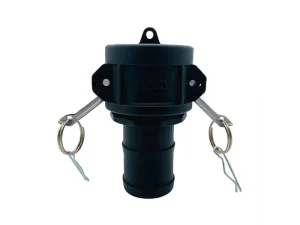
Explore complete lid assemblies, secondary adapters, high-flow guide pipes, and structural metal components.