
Factory Direct IBC Fittings & Accessories
Precision-engineered components manufactured under strict ISO quality control protocols for global chemical, food-grade, and industrial packaging applications.

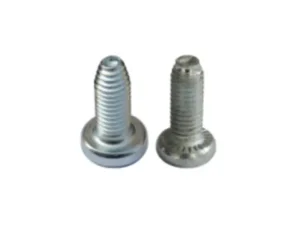
Engineering Standardization & Dimensional Tolerances of Chinese IBC Parts
A rigorous examination of material selection, thread geometry, pressure thresholds, and structural integrity standards defining modern industrial container manufacturing.
In global industrial logistics, the Intermediate Bulk Container (IBC) serves as the backbone of liquid and granular material transportation. Operating under extreme mechanical stress, thermal expansion, and chemical exposure, an IBC tote is only as reliable as its weakest component. Chinese OEM/ODM factories have evolved from simple component copyists into global pioneers of precision molding, metallurgy, and polymer science. Understanding the precise engineering specs of China-manufactured IBC parts is crucial for global supply chain directors, chemical logistics engineers, and packaging procurement specialists.
1. Thread Standardization and Dimensional Geometry
Compatibility across international fleets depends on strict adherence to standardized thread forms. Chinese factories manufacture valves, lids, and adapters conforming to both European metric standards and American NPT/Camlock specifications:
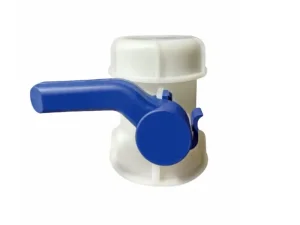
- DN50 (2-Inch) S60x6 Buttress Thread: The international standard for bottom discharge valves. Featuring a 60mm outer diameter with a 6mm pitch, engineered for rapid engagement and vibration resistance during intermodal transport.
- DN80 (3-Inch) S100x8 Heavy-Duty Thread: Designed for high-viscosity media discharge. The 100mm outer diameter and 8mm pitch optimize flow rate while maintaining structural wall thickness under hydraulic dynamic head pressure.
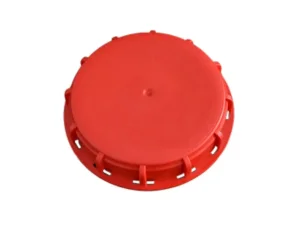
- Top Fill Lids (150mm / 225mm / 300mm): Precision injection-molded screw caps incorporating internal female threads, integrated pressure relief vents, and high-tensile gasket channels.
2. Material Science & Chemical Resistance Matrix
Leading Chinese IBC factories employ virgin, high-density polymers and specialized alloy grades to satisfy hazardous UN packaging standards and FDA food contact directives:
| Component Type | Primary Material Grade | Tensile Strength / Rating | Chemical Compatibility | Operating Temp Range |
|---|---|---|---|---|
| Inner Liner / Bottle | HDPE (Blow-molding Grade 5502BN) | Tensile Yield: ≥ 23 MPa | Acids, Alkalis, Organic Solvents | -40°C to +70°C |
| Integrated Butterfly Valve Body | Glass-Filled Polypropylene (PP-GF30) | Flexural Modulus: ≥ 4,500 MPa | Petroleum Products, Industrial Chemicals | -20°C to +80°C |
| Valve Sealing Gasket | EPDM / FKM (Viton) / PTFE (Teflon) | Shore Hardness: 70 ± 5 Shore A | High Concentrated Nitric/Sulfuric Acids | -30°C to +200°C (FKM) |
| Outer Structural Cage | Hot-Dip Galvanized Tubular Steel (Q235) | Yield Strength: ≥ 235 MPa | Atmospheric Rust & Salt Spray Protection | All Climatic Zones |
| Top Lid Vents | Polypropylene with ePTFE Membrane | Air Permeability: > 120 L/hr @ 10mbar | Off-gassing liquids, Hydrogen Peroxide | -10°C to +60°C |
Why Sourcing IBC Components from China Drives Competitive Gain
An in-depth evaluation of China's advanced manufacturing infrastructure, vertical supply chain integration, and rapid OEM/ODM prototyping ecosystem.
Advanced Injection & Tooling Precision
Chinese factories utilize high-tonnage multi-axis injection molding machinery combined with CNC EDM tooling capable of achieving tolerances down to ±0.005mm. This guarantees consistent thread mating, zero-leak closure seating, and structural wall uniformity across high-volume production cycles.
Raw Material Supply Chain Integration
Situated within major industrial hubs like Shandong (Linyi) and Zhejiang, manufacturers enjoy immediate proximity to petrochemical giants. Direct sourcing of virgin HDPE, PP resins, and Fluorocarbon elastomers minimizes procurement lead times and shields buyers from raw material cost volatility.
Custom OEM/ODM Engineering Flexibility
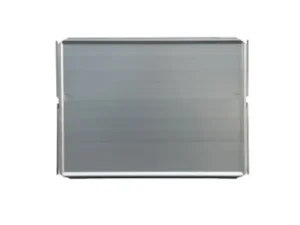
From custom engraved stainless steel identification plates and anti-sloshing internal baffles to proprietary anti-tamper sealing caps, Chinese suppliers offer rapid prototyping, 3D CAD simulation, mold design, and custom color matching in days rather than months.
Macro Trends Reshaping the Global IBC Parts Manufacturing Sector
How digital transformation, environmental sustainability compliance, and intelligent containment technology are revolutionizing the industrial packaging landscape.
1. Smart IBCs & IoT Integration
The industrial internet of things (IIoT) is turning traditional static totes into smart tracked assets. Modern Chinese component manufacturers are integrating electronic telemetry housing into top lids and bottom valve assemblies. Embedded telemetry sensors monitor real-time fill level, internal pressure spikes, ambient temperature, and GPS coordinates during transit, mitigating cargo damage risks for high-value chemical shipments.
2. Sustainability & Closed-Loop Circularity
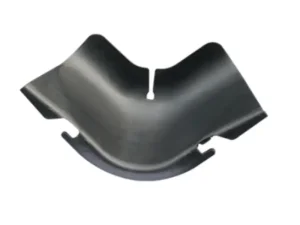
Driven by EU Green Deal directives and ESG corporate commitments, Chinese IBC component factories are leading the development of post-consumer recycled (PCR) resin blends for non-contact structural parts (corner guards, pallets, outer caps). Furthermore, designs emphasizing easy dismantling, washability, and 100% component recyclability are setting new benchmarks for reconditioners worldwide.
3. Extreme-Condition Material Engineering
Global climate variability demands components capable of resisting degradation under intense UV radiation and extreme thermal swings. Chinese R&D teams are incorporating advanced Hindered Amine Light Stabilizers (HALS) into red and black lid formulations to deliver 5+ years of outdoor weathering protection without polymer embrittlement.
Localized Industrial Application Scenarios & Macro Solutions
Delivering tailored component configurations to satisfy specialized regulatory, hygienic, and mechanical requirements across global end-use sectors.
Specialty Chemical & Corrosive Media
Challenge: Containment of aggressive acids, peroxide compounds, and volatile organic solvents that degrade standard gaskets and generate dangerous internal off-gassing.
Macro Solution: Implementation of DN50 integrated butterfly valves fitted with full-envelope PTFE/FKM seals, paired with ePTFE hydrophobic breathable top lids. This prevents catastrophic chemical weeping and automatically equalizes vapor pressure.
Food-Grade & Pharmaceutical Liquid Logistics
Challenge: Prevention of cross-contamination, compliance with stringent hygienic standards, and seamless clean-in-place (CIP) compatibility.
Macro Solution: Supply of 100% virgin HDPE lids and food-grade silicone/EPDM seals produced in ISO Class 8 cleanroom facilities, meeting US FDA 21 CFR 177.1520 and EU 10/2011 food-contact specifications.
Bulk Agricultural Liquid & Transport Safety
Challenge: Liquid sloshing during sudden transit maneuvers causing vehicle instability, structural container fatigue, and corner stress fractures.
Macro Solution: Deployment of internal plastic anti-sloshing baffles combined with high-density corner guards to absorb dynamic kinetic energy and preserve cage structural integrity during rough road transportation.
Global Enterprise Sourcing Framework & Supplier Audit Protocols
A step-by-step methodology for international procurement teams to evaluate factory capability, verify testing standards, and optimize total cost of ownership (TCO).
1. On-Site Factory Verification & Quality Control Audits
When auditing potential Chinese IBC component suppliers, technical purchasing officers must evaluate five non-negotiable operational benchmarks:
- In-House Tooling & Maintenance Shop: Verify if the factory owns CNC machinery for mold repair. Facilities dependent on third-party mold maintenance risk extended production downtime during tool wear or breakdown.
- Automated Hydrostatic Pressure Testing: Ensure 100% of finished discharge valves undergo automated helium or compressed air leak testing prior to packaging, rather than statistical batch sampling.
- Polymer Spectrometry Analysis: Confirm incoming raw resin lots are tested via Fourier-Transform Infrared Spectroscopy (FTIR) to guarantee zero contamination from unannounced recycled regrind resin.
- Drop-Impact Testing Capability: The supplier must maintain drop-test towers capable of evaluating filled containers at -18°C to verify low-temperature ductile fracture resistance.
- Traceability Systems: Look for laser-etched batch codes and serialized stainless steel nameplates that map components back to specific raw material lots and production shift records.
2. Total Cost of Ownership (TCO) Optimization
Direct component purchasing price represents only a fraction of total landing cost. Global procurement managers achieve substantial savings by optimizing packaging density, nested pallet design, and standardized containerization. Partnering with Chinese suppliers capable of consolidating valves, covers, replacement screws, and corner guards into unified container shipments significantly reduces sea-freight costs per unit.
Additional High-Performance IBC Components & Tanks
Explore our complete catalog of industrial containers, replacement valves, specialized caps, and fluid management accessories.
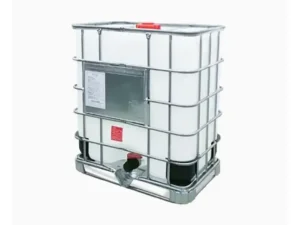
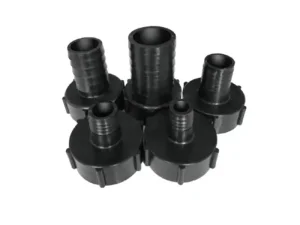
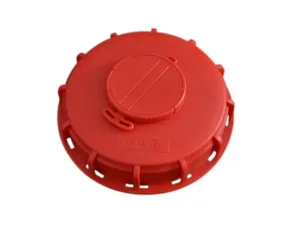

Frequently Asked Questions on IBC Parts Specifications & Factory Sourcing
In-depth engineering answers to common procurement, compliance, and material compatibility questions.