
Featured Hardware & Component Solutions (Top Tier Supply)
Explore high-durability intermediate bulk container components manufactured under stringent ISO 9001 and UN packaging compliance frameworks.
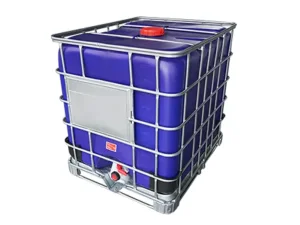
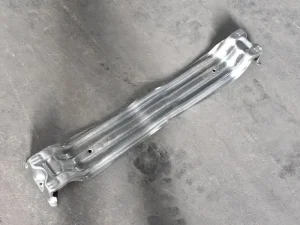
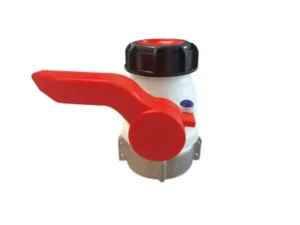
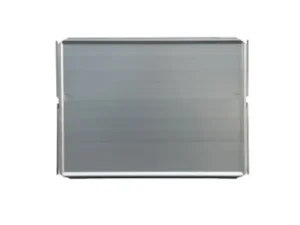
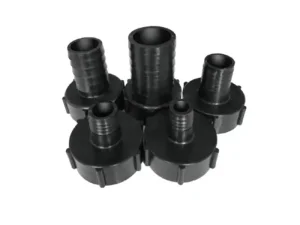
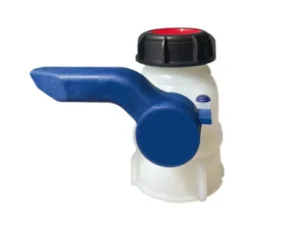
Global Industrial Landscape & The Critical Role of IBC Metal Nameplates
In modern industrial logistics, Intermediate Bulk Containers (IBCs) serve as the primary vascular system for global fluid movement, handling millions of metric tons of hazardous chemicals, pharmaceutical precursors, food-grade ingredients, and specialized lubricants annually. While structural components like blow-molded high-density polyethylene (HDPE) bottles, galvanized steel cages, and heavy-duty bottom discharge valves absorb physical stresses, the IBC metal nameplate operates as the indispensable brain and legal passport of the container.
Leading sourcing directors, compliance managers, and supply chain executives querying keywords like "China Ibc Metal Nameplate Factories & Factory" are not merely seeking cheap metal stamping. They are searching for advanced engineering facilities capable of mass-producing chemical-resistant, UN-certified 304 and 316L stainless steel identification tags with micro-meter laser engraving precision, customized mounting dimensions, and automated digital tracking compatibility.
As global environmental frameworks tighten—such as Europe’s ADR/RID regulations, North America’s DOT 57 specifications, and the IMDG (International Maritime Dangerous Goods) Code—the information gain provided by advanced China nameplate factories becomes a decisive competitive advantage. China’s manufacturing ecosystem, particularly within dedicated packaging hubs in Shandong (such as Linyi), has evolved from raw metal stamping into high-tech precision manufacturing hubs utilizing automated fiber laser marking, electrochemical etching, and optical quality verification.
Technical Roadmap & Engineering Material Specifications
Selecting the optimal metallurgy and manufacturing process for an IBC metal nameplate requires balancing chemical exposure, mechanical vibration, thermal expansion, and regulatory compliance. Chinese factories utilize multi-tiered material options tailored for specific industrial duties.
AISI 304 Stainless Steel
The standard benchmark for general chemical and agricultural applications. 304 stainless steel offers high tensile strength and robust resistance to atmospheric oxidation and mild acidic washdowns.
- Chromium content: 18-20%
- Nickel content: 8-10.5%
- Ideal for standard chemical logistics
- Cost-effective mass production
AISI 316L Marine Stainless
Engineered for extreme environments, including coastal chemical logistics and highly corrosive media such as organic acids, chlorides, and solvents. The low-carbon 'L' grade prevents carbide precipitation during welding.
- Molybdenum addition: 2-3%
- Exceptional pitting corrosion resistance
- Impervious to saltwater spray
- UN Dangerous Goods certified fleets
Anodized / Galvanized Alloy
Utilized primarily on cage crossbeam structures or specialized secondary identification panels where lightweight durability and economical high-volume stamping are required.
- High scratch and abrasion resistance
- Custom color anodizing for fleet sorting
- Vibration-proof rivet mounting
- 100% recyclable material loop
Manufacturing Process Comparison: Etching vs. Stamping vs. Fiber Laser
China's top nameplate manufacturing centers deploy distinct processing methodologies based on expected asset lifespan and operational budgets:
| Technology Process | Engraving Depth | Legibility Under Paint/Dirt | Chemical Resistance | Best Application |
|---|---|---|---|---|
| Mechanical Deep Stamping | 0.3mm – 0.6mm | Extreme (Stays readable if painted) | Maximum (No surface ink used) | Permanent UN Numbers & Tare Weights |
| Photochemical Acid Etching | 0.1mm – 0.25mm | High (Black epoxy filled) | High (Epoxy baked at 200℃) | Corporate Logos & Complex Diagrams |
| MOPA Fiber Laser Marking | 0.05mm – 0.2mm | Moderate to High | Exceptional (Surface annealing) | 2D DataMatrix, Barcodes & Serial Numbers |
| Hybrid Stamping + Laser | 0.4mm + Laser layer | Maximum Dual-Layer | Maximum Industrial Grade | Smart IBC Fleets with Digital Tracking |
China Factory Ecosystem: Efficiency, Scale, & Tooling Integration
Why do tier-1 packaging integrators, IBC reconditioners, and chemical multinationals concentrate their nameplate procurement in China? The answer lies in the unmatched concentration of raw materials, mold fabrication capabilities, and vertical supply chain integration within industrial clusters like Linyi, Shandong.
1. Steel Coil Proximity
Direct sourcing from giant steel mills (Tisco, Baosteel) ensures guaranteed heat-number traceability, certified material test reports (MTRs to EN 10204 3.1), and zero raw material supply bottlenecks.
2. In-House Precision Tooling
China's toolmaking expertise allows custom stamping dies with hole pitch tolerances within ±0.05mm to be fabricated in under 5 days, drastically reducing OEM project launch timelines.
3. Automated Production Lines
High-speed progressive stamping presses combined with robotic de-burring and automatic vision verification systems deliver daily throughputs exceeding 50,000 nameplates per factory line.
4. Agile Prototype Turnaround
Need custom dimples, special mounting slots, or integrated RFID chip pockets? Chinese OEM factories offer 72-hour sample dispatch for technical evaluation prior to mass runs.
Cost-to-Performance & Lead-Time Advantage
Compared to European or North American domestic stamping shops—which often suffer from high labor overhead, fragmented tooling subcontractors, and long metal coil procurement cycles—Chinese IBC component manufacturers provide a completely integrated experience. From deep-drawing the galvanized transom bars to stamping and marking stainless identification tags, all hardware elements are engineered under one quality control system.
Localized Application Scenarios & Operational Use Cases
IBC metal nameplates perform critical data preservation functions across diverse operating environments. Below are key field scenarios demonstrating how specialized construction prevents catastrophic tracking failure.
Hazardous Chemical Logistics
Environment: Transpacific shipping of aggressive solvents, acids, and alkalis exposed to salt air, high humidity, and potential chemical splashes.
Required Setup: AISI 316L plate with deep hydraulic embossing for UN marks (e.g., 31HA1/Y), riveted directly to the steel cage using stainless pop-rivets. Epoxies must withstand chemical washdowns from pH 1 to 14.
Food & Sanitary Processing
Environment: High-purity liquid sugar, edible oils, and dairy ingredients requiring frequent steam cleaning and caustic CIP (Clean-in-Place) sanitization cycles.
Required Setup: Smooth-surfaced 304 or 316 stainless plates with passivated surfaces and zero sharp burrs. Etched markings avoid crevices where bacteria could harbour, ensuring FDA/EC 1935/2004 food contact safety.
IBC Reconditioner Fleets
Environment: Industrial washing facilities utilizing caustic spray baths, high-pressure water blasting (up to 200 bar), and thermal drying tunnels.
Required Setup: Heavy-gauge (0.8mm – 1.2mm) stamped steel plates with raised mounting borders that protect laser markings from mechanical abrasion against washer conveyor rollers.
International Standards & Quality Control Protocols
Under international transport regulations for dangerous goods, an incomplete or unreadable identification plate can result in immediate customs seizure, heavy fines, and port refusal. Responsible Chinese factories adhere strictly to international packaging directives.
| Regulatory Framework | Mandated Data Fields on Nameplate | Factory QC Verification Test |
|---|---|---|
| UN Chapter 6.5 (31HA1) | UN Symbol, Container Code, Manufacturer Approval Country, Date of Manufacture (Month/Year), Test Pressure (kPa) | 100% Optical Character Recognition (OCR) vision system inspection post-engraving. |
| ISO 16106 | Maximum Permissible Gross Mass (kg), Tare Mass (kg), Capacity at 20℃ (Liters), Serial Number | Salt Spray Testing (ASTM B117) exceeding 500 hours without red rust formation. |
| DOT / IMDG Regulations | Initial Inspection Date, Last Inspection Date, Reconditioner Identification Code | Solvent Rub Test (MEK / Acetone 100 double rubs) for print legibility. |
| ISO 9001 Factory QA | Plate thickness uniformity, mounting hole pitch precision, mechanical edge radius safety | Coordinate Measuring Machine (CMM) dimensional verification to ±0.02mm. |
Essential Tank Accessories & Structural Components (Bottom Tier Supply)
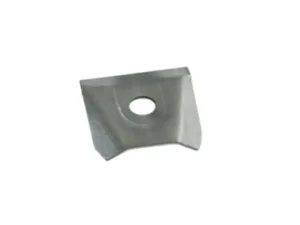
Complete your container system with direct-from-factory fittings, high-flow valve assemblies, and protective crossbeams designed for seamless compatibility.
Technology Roadmap & Next-Generation Smart Nameplates
The global shift toward Industry 4.0 and circular economy tracking is changing the humble metal nameplate from a passive piece of stamped metal into an active digital node within supply chain networks.
Hybrid Metal-RFID Integration
Leading Chinese nameplate factories are pioneering dual-housing tags that feature stamped stainless steel regulatory text alongside a recessed, high-temperature UHF RFID transponder or NFC tag. This enables non-line-of-sight inventory scans during automated yard management.
Laser-Etched Dynamic QR Tracking
By replacing static text plates with micro-laser engraved unique identifier codes linked to cloud database architectures, container owners can instantaneously retrieve chemical safety data sheets (MSDS), wash history, and pressure test certificates via smartphone scans.
Eco-Passivated Sustainable Alloys
Future-facing production lines are replacing traditional acid passivation baths with eco-friendly citric acid and dry plasma treatment technologies. This reduces heavy chemical byproduct while increasing pitting resistance performance for strict global ESG compliance.
Frequently Asked Questions: Sourcing & Technical Specifications
Direct answers from our engineering team to common queries raised by international buyers and OEM procurement teams.