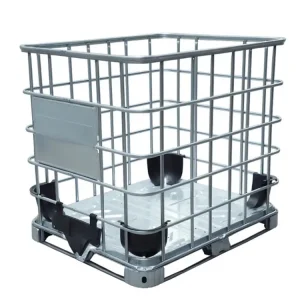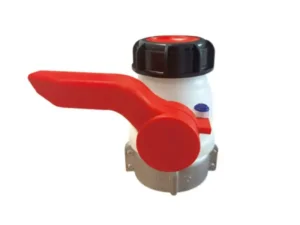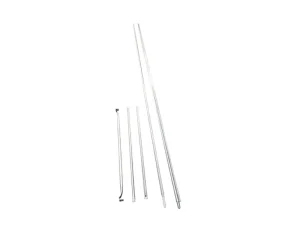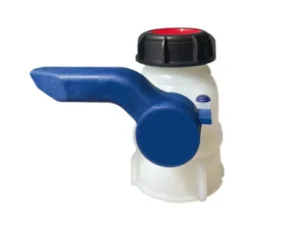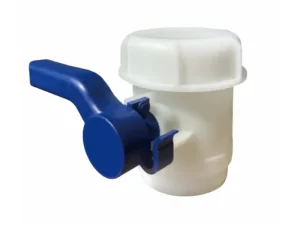
Featured IBC Components & Packaging Systems
Explore our factory-direct precision hardware, structural supports, and containment fittings manufactured alongside our custom IBC chemical label assemblies.
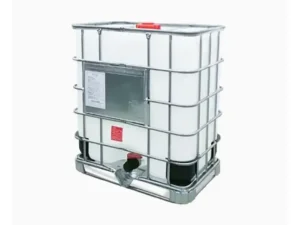
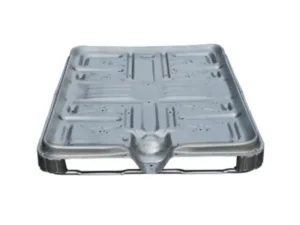
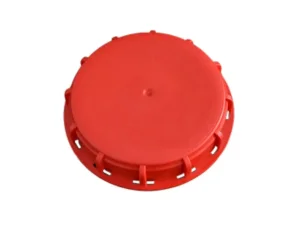
1. Executive Summary & Macro Industry Evolution
In global chemical logistics, bulk fluid transport, and industrial material handling, the Intermediate Bulk Container (IBC) serves as the primary workhorse. However, an IBC tote is only as reliable as its identification and safety compliance marking. Industrial IBC labels and marking plates are not mere decorative decals—they are legal compliance instruments, critical hazard communication vehicles, and the foundational layer for automated supply chain tracking.
As global supply chains transition toward Industry 4.0 standards, China has established itself as the leading global hub for high-performance IBC labels, specialized adhesive substrates, and custom metal container nameplates. China IBC label suppliers leverage advanced polymer chemistry, precision die-cutting, high-speed UV flexographic printing, and integrated RFID manufacturing to deliver packaging solutions that withstand extreme environmental stress.
2. Material Science & Engineering Standards for Extreme Environments
The primary bottleneck in labeling 1000-liter composite IBC totes lies in the chemical physics of blow-molded HDPE containers. HDPE naturally possesses low surface energy (typically 30–32 dynes/cm), making standard pressure-sensitive adhesives prone to flagging, tunneling, or total delamination. Leading China IBC label factories solve this through multi-layer material engineering.
Substrates & Face Materials
Utilizing heavy-duty Polypropylene (PP), Polyethylene Terephthalate (PET), and Vinyl films ranging from 80 to 200 microns. Top coatings are engineered for thermal transfer ribbons, solvent inks, and UV-curable systems to ensure zero ink migration when exposed to aggressive acids, alkalis, and petrochemical solvents.
Low Surface Energy (LSE) Adhesives
Custom-formulated solvent-based acrylic and hybrid rubber pressure-sensitive adhesives (PSA). Designed with high initial tack and exceptional ultimate bond strength, penetrating the microscopic surface pores of untreated HDPE bottles without requiring pre-flaming or plasma treatment in high-speed filling lines.
Lamination & Protective Overlays
Transparent polyester and fluoropolymer over-laminates containing UV blockers. These overlays prevent yellowing, print chalking, and ink wash-off during high-pressure caustic container reconditioning cycles (up to 90°C hot water washes at 150 bar pressure).
3. Global Regulatory Compliance & Hazardous Material Standards
Cross-border bulk chemical logistics requires strict adherence to international safety codes. Failure to supply compliant IBC label systems can result in port impoundments, heavy regulatory fines, and catastrophic environmental liability during transport vessel leaks.
Key Compliance Frameworks Supported by China Manufacturers:
BS5609 Marine Immersion Standard (Section 2 & 3)
Crucial for international maritime dangerous goods (IMDG) shipping. Section 2 tests base substrate adhesion after 3 months of continuous saltwater immersion. Section 3 tests print durability and abrasion resistance under extreme ocean wave action. Certified Chinese suppliers deliver fully tested ribbon-and-substrate combinations matching these benchmarks.
GHS Revision 9 & UN Dangerous Goods Regulations
Globally Harmonized System (GHS) regulations mandate standard red hazard diamonds (pictograms), signal words, hazard statements, and supplier identification. Chinese label printing factories utilize high-density color-fast pigments rated minimum 7 on the Blue Wool Scale for lightfastness.
4. Technical Comparison: IBC Labeling & Identification Technologies
Select the appropriate label technology based on operational exposure, chemical severity, and container reuse lifecycles.
| Label / Plate Technology | Primary Substrate Material | Adhesive / Mounting Method | Temperature Resistance | Chemical & UV Rating | Ideal Application Sector |
|---|---|---|---|---|---|
| BS5609 Polypropylene GHS Label | 100µ Matte Polypropylene | High-Tack Solvent Acrylic (LSE) | -40°C to +120°C | Extreme (Salts, Acids, UV) | International Hazmat Export Totes |
| Heavy-Duty Vinyl (PVC) Decal | 150µ Cast Vinyl Film | Permanent Rubber-Based PSA | -30°C to +90°C | High (Water, Oils, Abrasion) | Standard Industrial & Water Totes |
| Engraved Stainless Steel Nameplate | 304 / 316 Grade Stainless Steel | Rivet Mounted to Cage Plate | -80°C to +500°C | Indestructible (All Chemicals) | Permanent Tote Serial ID & UN Stamping |
| RFID / NFC On-Metal Smart Hybrid | PET + Ferrite Shield Layer | 3M 467MP / 468MP Transfer Tape | -40°C to +85°C | High (IP68 Encapsulated) | Automated Fleet & Reconditioning Loop |
| Wash-Away / Removable Reco Label | Specialty Polyolefin Film | Water-Soluble Alkali Acrylic | -20°C to +70°C | Moderate (Short-term storage) | Tote Reconditioners & Lease Fleets |
5. Technology Roadmap: Smart IBC Tracking & Digital Passports
The global bulk packaging sector is rapidly evolving from passive optical barcode labels to active digitalization. Future-ready Chinese suppliers are integrating electronic track-and-trace functionality directly into industrial label constructions.
Anti-Metal UHF RFID Integration
Standard RFID tags suffer severe signal detuning when placed near conductive fluids or steel cages. Next-generation smart labels feature flexible ferrite anti-metal spacer layers, enabling long-range automated gate scanning (up to 12 meters) in chemical warehousing yards.
Digital Battery-Free Sensors
Incorporating printable NFC temperature logging circuits and liquid level indicators into the label structure. Operators can scan the tote with an enterprise smartphone to verify chemical fill history, thermal excursions, and maintenance logs.
Circular Economy & Easy-Peel Chemistry
To meet strict European Union packaging waste directives, innovative label materials utilize clean-peel technology during caustic washing. This allows label separation without leaving adhesive residue, maximizing recycled HDPE flake purity during tote recycling.
6. Global Procurement & Sourcing Optimization
Sourcing IBC labels from China offers massive economies of scale, but enterprise buyers must establish precise quality assurance metrics to ensure seamless operational integration.
Key Evaluation Criteria for China Suppliers:
7. End-to-End OEM Custom Label Production Workflow
How leading Chinese label manufacturers translate enterprise specifications into high-volume, defect-free production runs.
Substrate & Adhesive Selection
Matching chemical exposure specs, container surface dynes, and ambient application temperature.
Precision Pre-Press & Proofing
Digital color management, barcode verifier checks (ANSI/ISO grading), and GHS layout compliance.
Flexographic Printing & Curing
High-speed 8-color UV flexo printing, inline lamination, and automated die-cutting on precision rotary tooling.
BS5609 Lab Testing & Shipping
Peel adhesion, shear strength, solvent wipe tests, moisture-proof vacuum packaging for ocean export.
8. Frequently Asked Questions (FAQ)
Technical responses to common engineering and procurement queries regarding IBC labeling systems and container fittings.
Additional IBC Infrastructure & Replacement Hardware
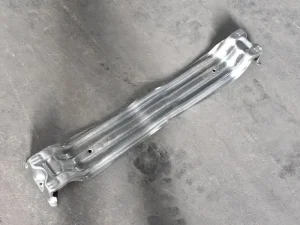
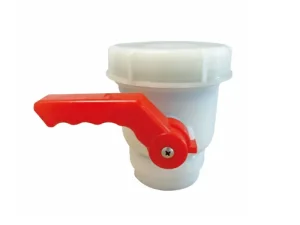
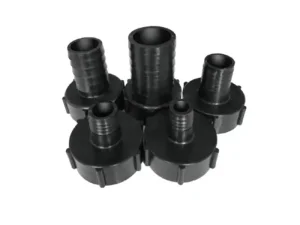
Browse our extended catalog of industrial fluid containment parts, valve mechanisms, quick-connect couplings, and frame reinforcement bars.