
Primary Packaging & Component Portfolio
Explore our precision-engineered IBC components, sealing rings, containment accessories, and industrial drum closures manufactured to stringent international quality metrics.
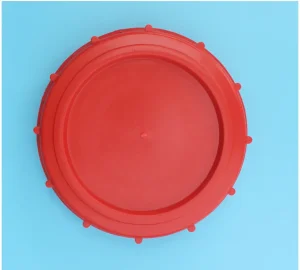
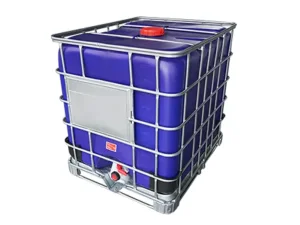
Critical Containment Architecture in Modern Bulk Logistics
In global bulk chemical, pharmaceutical, and food-grade liquid logistics, the integrity of an Intermediate Bulk Container (IBC) relies entirely on its sealing interface. As a premier China IBC Cap Rubber Seal Manufacturer & Factory, we engineering seal gaskets that mitigate the structural risks of fugitive emissions, micro-leakage, oxidative contamination, and stress-relaxation failures under multi-axial transport dynamics.
Standard top caps (DN150/S160x7 and DN225/S245x6) experience severe mechanical stresses during long-haul intermodal transport. Thermal expansion of liquid cargo, cyclic vapor pressure buildup, and aggressive chemical permeation demand polymer gaskets engineered with ultra-low compression sets, exceptional chemical resistance, and precisely controlled Shore A hardness.
Manufacturer Engineering Benchmarks
- Polymer Purity: 100% Virgin EPDM, FKM (Viton), Silicone (VMQ), & NBR compounds (Zero plasticizer migration).
- Precision Molding Tolerance: ISO 3302-1 Class E1 ultra-precision compression molding limits dimensional variances within ±0.15mm.
- Regulatory Approvals: FDA 21 CFR 177.2600, EU 1935/2004, REACH (SVHC-free), and UN Dangerous Goods Packaging Standard compliance.
- Compression Set Performance: < 15% after 70 hours at 100°C (ASTM D395 Method B benchmarking).
Technical Elastomer Benchmark Matrix for IBC Top Cap Seals
Evaluating elastomeric compounds for specific fluid containment demands objective empirical data. The table below outlines our standardized laboratory testing for IBC closure gasket selection:
| Polymer Compound | Hardness (Shore A) | Temp Range (°C) | Tensile Strength (MPa) | Chemical Resistance Profile | Primary Application Target |
|---|---|---|---|---|---|
| EPDM (Ethylene Propylene) | 65 ± 5 | -40 to +130 | ≥ 12.5 | Excellent against polar solvents, acids, alkalis, steam, and ozone. Poor against oils/hydrocarbons. | Industrial water, aqueous acid solutions, alkalis, glycol, alcohols. |
| FKM / Viton (Fluorocarbon) | 75 ± 5 | -20 to +230 | ≥ 14.0 | Superior resistance to aromatic hydrocarbons, aggressive solvents, concentrated acids, diesel. | Agrochem formulations, petrochemicals, aromatic solvents, fuels. |
| PTFE-Encapsulated Silicone/EPDM | 70 to 80 | -50 to +200 | Core dependent | Near universal chemical inertness via seamless FEP/PFA jacket over resilient elastomer core. | Ultra-pure fine chemicals, electronic grade solvents, APIs, aggressive blends. |
| NBR (Nitrile Butadiene) | 65 ± 5 | -30 to +100 | ≥ 11.0 | Outstanding resistance to petroleum oils, mineral lubricants, vegetable oils, fats, and aliphatic hydrocarbons. | Edible oils, biodiesel, lubricants, hydraulic fluids, fatty acids. |
| VMQ (Liquid Silicone) | 60 ± 5 | -60 to +200 | ≥ 8.5 | High thermal stability, non-reactive, odorless, excellent biological inertness. Low oil resistance. | Pharmaceutical liquids, food & beverage bulk delivery, high-purity cosmetics. |
Capacity, Engineering Precision & Global Scale
Our specialized manufacturing operations in Linyi, Shandong, supply high-performance rubber seals and integrated closure systems across 30+ countries worldwide.
Global Industrial Landscape for IBC Sealing Components
An in-depth analysis of supply chains, regulatory pressures, and shifting industrial buyer requirements across key economic corridors.
Rigorous DOT & UN Regulation
In the United States and Canada, intermediate bulk containers transporting hazardous materials must strictly abide by Title 49 CFR and UN Packaging Group I, II, and III standards. Industrial reconditioners and IBC OEMs require cap gaskets that maintain zero fugitive emissions under extreme vibrational frequencies experienced during long-haul rail and interstate transport.
REACH Compliance & Eco-Loops
European buyers prioritize chemical safety under REACH regulations, demanding complete exclusion of SVHCs (Substances of Very High Concern), phthalates, and polycyclic aromatic hydrocarbons (PAHs). Furthermore, the European shift toward closed-loop circular IBC reconditioning demands rubber seals capable of surviving aggressive caustic wash cycles (CIP) during tote washing.
Rapid Industrial Expansion
As Asia-Pacific maintains its dominance in specialty chemical production and agricultural output, the demand for cost-optimized, highly durable IBC cap rubber seals has skyrocketed. Factories in China act as the essential supply chain engine, providing advanced elastomer compounding that matches international performance specs at competitive cost profiles.
Elastomer Vulcanization & Precision Manufacturing Roadmap
From raw polymer formulation to automated inspection: how our factory ensures zero-defect sealing rings for 1000-liter bulk totes.
Polymer Compounding &Rheological Testing
Raw elastomeric polymers (EPDM, Viton, NBR) are compounded with curing agents, carbon black, and anti-degradants in an internal mixer. Every batch undergoes Mooney Viscosity and Moving Die Rheometer (MDR) testing to establish optimal cure kinetics and vulcanization behavior.
Precision Injection & Compression Tooling
Tooling designs utilize 3D CAD modeling and Finite Element Analysis (FEA) to simulate seal lip compression against the HDPE container neck profile. Multi-cavity molds engineered via CNC machining to a 0.005mm tolerance prevent flash formation and ensure dimensional uniformity.
Automated Vulcanization & Post-Curing
Compression molding presses operate under micro-processor temperature and pressure control. Fluoroelastomer (FKM) and silicone gaskets undergo secondary post-curing in forced-air industrial ovens for 16-24 hours at 200°C to eliminate volatiles and maximize cross-linking density.
Cryogenic Deflashing & Vision Quality Control
Molded seals pass through liquid nitrogen cryogenic deflashing systems to remove flash cleanly without damaging sealing surfaces. 100% of finished production passes high-speed optical automated inspection (AOI) checking for dimensional variance, pinholes, or surface inclusions.
Localized Application Scenarios & Macro Industry Solutions
Tailoring elastomeric closure systems to solve specific operational challenges across chemical, agricultural, food processing, and pharmaceutical sectors.
Aggressive Chemical & Solvent Bulk Transfer
For bulk shipments of aromatic hydrocarbons, concentrated nitric acid, or chlorobenzene, standard rubber gaskets suffer from swelling, softening, and mechanical degradation. Our solution utilizes FKM (Viton) or PTFE Encapsulated Gaskets, which resist chemical attack, preserving structural resiliency and sealing integrity during transoceanic shipping.
Hygienic Food & Beverage Bulk Ingredients
When transporting liquid sugar, fruit concentrates, dairy solids, or edible oils, flavor transfer and microbial growth behind the seal ring present major risks. We mold non-porous, platinum-cured Liquid Silicone (VMQ) and white FDA EPDM seals engineered with anti-microbial lip geometry that eliminates stagnation zones and simplifies CIP washing.
Agrochemicals & Pesticide Formulations
Emulsifiable concentrates (EC) in agricultural chemical totes frequently cause severe gasket permeation, leading to toxic vapor buildup in shipping containers. Our high-density, peroxide-cured EPDM compounds featuring specialty fluorocarbon surface coatings minimize volatile organic compound (VOC) migration under elevated field temperatures.
Multi-Trip Reconditioning & Circular Fleet Management
IBC reconditioners wash and refurbish thousands of 1000L totes daily. Re-usable, high-elasticity NBR and EPDM seals designed for fast snap-in fitment reduce manual labor time during lid refurbishment while offering guaranteed re-sealing torque performance on re-bottled units.
Comprehensive Quality Assurance & Laboratory Testing
Building trust through absolute transparency: our laboratory testing methods follow rigorous ASTM, ISO, and DIN international specifications.
Helium & Hydraulic Leakage Testing
Molded seals are mounted to standardized DN150/DN225 top caps, torque-tightened onto HDPE container necks, and subjected to internal pneumatic pressure of 100 kPa for 30 minutes, followed by vacuum decay testing to verify zero gas permeation.
Accelerated Thermal Aging (ASTM D573)
Gaskets undergo accelerated thermal aging inside environmental test chambers at 150°C for 168 hours. Subsequent physical testing verifies retention of minimum 85% original tensile strength and less than 10 Shore A hardness variance.
Chemical Immersion Swell Testing (ASTM D471)
Elastomer samples are fully immersed in standardized reference fuels, concentrated acids, and organic solvents for 70 hours. Volume change, mass variance, and dimensional expansion metrics are accurately documented for chemical compatibility matrices.
Next-Generation Innovations in Container Sealing
Pioneering eco-friendly polymers, intelligent sensor integration, and advanced surface functionalization for the future of industrial logistics.
Smart IoT Integrated Seals
Development of elastomeric seals embedded with passive RFID tags and micro-printed conductive pressure sensors. These "Smart Seals" allow logistics operators to track container opening events, real-time pressure changes, and tamper alerts via cloud networks.
Bio-Based & Recycled Elastomers
Transitioning toward sustainable polymer compounding by incorporating bio-derived EPDM monomers sourced from sugarcane ethanol, as well as devulcanized recycled rubber blends, reducing carbon footprints without sacrificing mechanical sealing integrity.
Plasma Surface Modification
Utilizing low-temperature plasma surface treatment to apply ultra-thin nano-fluorination layers over standard EPDM gaskets. This delivers fluoropolymer-like chemical inertness at a fraction of the material cost of solid FKM or PTFE encapsulations.
Valves, Accessories & Structural Components
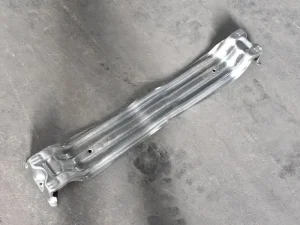
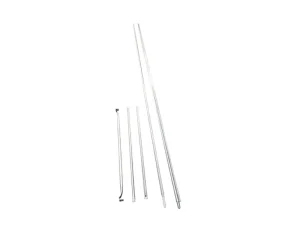
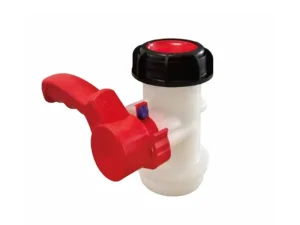
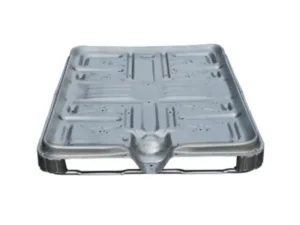
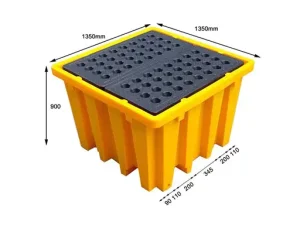
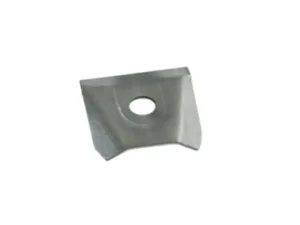
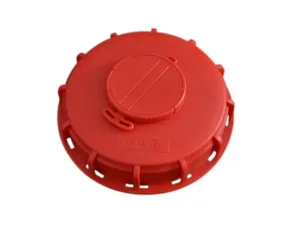
Complement your top cap rubber seals with our factory-direct IBC discharge valves, heavy-duty covers, base pallets, and structural replacement hardware.
Frequently Asked Technical & Sourcing Questions
In-depth answers from our senior polymer engineers regarding rubber seal selection, chemical resistance, mold customization, and global shipping standards.
How do I determine the correct elastomer (EPDM, FKM, Silicone, NBR) for my IBC chemical tote?
Elastomer selection depends on chemical composition, concentration, operating temperature, and regulatory requirements. EPDM is optimal for polar solvents, acids, alkalis, and water-based chemicals. FKM (Viton) is required for aggressive aromatic hydrocarbons, fuels, and concentrated acids. NBR is ideal for petroleum products, mineral oils, and vegetable oils. For food and pharma, Platinum Silicone (VMQ) or FDA-grade EPDM is recommended. For universal chemical immunity, select PTFE-encapsulated silicone/EPDM seals.
What standard sizes are available for IBC top cap rubber seals?
We manufacture seals for all standard IBC neck dimensions, including DN150 / S160x7 (nominal 150mm opening, 6-inch thread) and DN225 / S245x6 (nominal 225mm opening, 9-inch thread) top lids. Profile cross-sections are available in flat gasket geometries, solid round O-rings, and custom lip-seal designs matching Schutz, Mauser, Greif, and Werit tote neck configurations.
What causes rubber gasket failure or seal leakage in IBC totes during shipment?
The primary drivers of gasket failure include: 1) Compression Set Relaxation due to low-grade rubber, 2) Chemical Swelling/Extraction caused by polymer incompatibility, 3) Thermal Embrittlement from extreme storage temperatures, and 4) Incorrect Closure Torque. Our factory utilizes high-purity vulcanized compounds boasting compression sets under 15%, preventing stress relaxation during long-haul sea freight.
Can your factory produce custom OEM rubber seals based on technical drawings?
Yes. Our in-house mold engineering division handles complete OEM/ODM development. From STEP/DWG CAD files or physical samples, we perform mold flow simulation, manufacture precision CNC tooling (within 0.005mm accuracy), compound specialized polymer formulas, and deliver rapid 3D prototype samples prior to mass production.
How do your seals comply with UN Dangerous Goods packaging requirements?
Our IBC cap rubber seals undergo hydraulic pressure testing (up to 100-250 kPa depending on container spec) and drop testing under UN 31HA1 certification guidelines (ISO 16106 compliance). They maintain tight liquid containment without rupture or displacement under dynamic drop impacts and stacking loads.
What is the shelf life and recommended storage environment for spare IBC rubber seals?
In accordance with ISO 2230 guidelines, EPDM and FKM rubber seals have a shelf life of up to 10 years when stored properly. Seals should be kept in sealed polyethylene bags, away from direct sunlight (UV light), ozone-generating equipment, extreme humidity, and temperatures exceeding 25°C.