
Featured Industrial Plastic Caps & IBC Accessories
Factory-direct containment components engineered for robust leak prevention, chemical resistance, and heavy-duty logistics compliance.
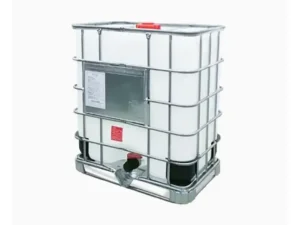
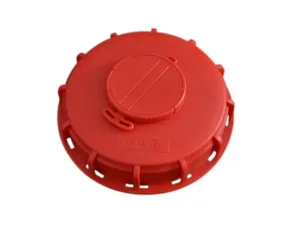
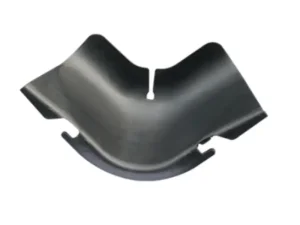
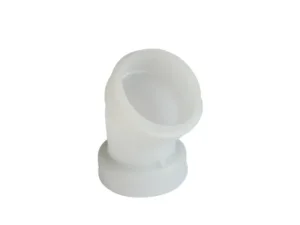
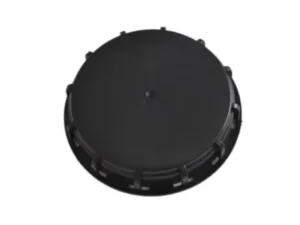
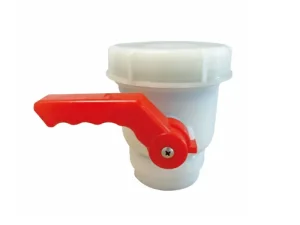
High-Density Polyethylene (HDPE) Closure Systems: Technical Blueprint
Understanding why virgin grade High-Density Polyethylene (PE100 / HDPE 5502BN) dominates the global industrial packaging and chemical closure manufacturing sectors.
Molecular Architecture & Microstructural Density
High-Density Polyethylene is characterized by its high strength-to-density ratio (0.941 to 0.965 g/cm³). Unlike low-density polyethylene (LDPE), the low degree of polymer chain branching yields intense intermolecular forces and high tensile strength (25–35 MPa). In industrial closure manufacturing, Chinese facilities utilize optimized blow-molding and injection-molding grades (such as Sabic B5429 or Sinopec 5502BN) engineered specifically for maximum Environmental Stress Crack Resistance (ESCR).
This molecular configuration prevents microscopic cracking when caps are subjected to aggressive surfactants, chemical solvents, organic acids, and continuous mechanical stress during torque application and transport vibration.
Thermal & Hydrostatic Resistance Profile
HDPE closures maintain structural integrity across an exceptional operational temperature envelope ranging from -40°C to +90°C (with hot-fill stability up to 110°C for short duration exposure). The low Melt Flow Index (MFI 0.35 to 0.55 g/10min at 190°C/2.16kg) ensures that heavy industrial caps—such as S60x6 buttress caps, S245x6 top lids, and drum bungs—exhibit zero creep deformation under sustained load.
Furthermore, HDPE features zero water absorption (<0.01%), providing an absolute moisture barrier that protects hygroscopic bulk chemicals, liquid food products, and pharmaceutical active ingredients.
Chinese top-tier closure manufacturers select specific polymer formulations based on rigorous laboratory verification. Below is the empirical comparison governing raw resin selection:
| Physical / Mechanical Property | Industrial Grade HDPE (e.g., PE-HD 5502) | Polypropylene Copolymer (PP) | Testing Standard Standardized Protocol |
|---|---|---|---|
| Density | 0.952 – 0.958 g/cm³ | 0.900 – 0.910 g/cm³ | ISO 1183 / ASTM D1505 |
| Melt Flow Index (MFI) (190°C/2.16kg) | 0.35 – 0.45 g/10 min | 1.5 – 3.0 g/10 min | ISO 1133 / ASTM D1238 |
| Tensile Yield Strength | 27 – 32 MPa | 23 – 28 MPa | ISO 527-2 (50 mm/min) |
| Flexural Modulus | 1,250 – 1,450 MPa | 1,100 – 1,300 MPa | ISO 178 / ASTM D790 |
| Environmental Stress Crack Resistance (ESCR) | > 1,000 Hours (Condition B, 10% Igepal) | 150 – 300 Hours | ASTM D1693 |
| Izod Impact Strength (Notched, 23°C) | 18 – 25 kJ/m² | 6 – 10 kJ/m² | ISO 180/1A |
| Vicat Softening Temperature | 126°C – 130°C | 145°C – 152°C | ISO 306 (50 N) |
Global Industrial Landscape & Sector-Specific Applications
HDPE plastic caps are essential engineered components in global liquid supply chains, serving critical roles from chemical containment to food logistics.
Bulk Chemical Logistics & IBC Totes
Over 70% of global 1000-Liter Intermediate Bulk Containers (IBC totes) rely on heavy-duty HDPE top lids (DN150 / S160x6 and S245x6 screw caps) and bottom valve discharge dust caps. Chinese manufacturers supply precision caps fitted with chemical-resistant EPDM or Viton (FKM) gaskets designed to withstand hazardous goods transport under International Maritime Dangerous Goods (IMDG) codes.
Agrochemicals & Pesticide Packaging
Concentrated herbicides, insecticides, and liquid fertilizers require caps featuring gas-permeable ePTFE venting valves. Off-gassing chemicals generate internal vapor pressure within sealed containers; Chinese HDPE vented caps equalize internal container pressure automatically without allowing liquid leakage or air ingress, eliminating bottle wall buckling or explosion risks.
Petrochemicals, Lubricants & Solvents
High-torque 2-inch and 34mm HDPE drum bungs and jerrycan closures are engineered to resist engine oils, synthetic lubricants, aromatic solvents, and fuel additives. Chinese factories supply custom color-coded closures with tamper-evident tear bands, ensuring brand security and anti-counterfeiting verification at retail stations worldwide.
Why China Leads Global Industrial Plastic Closure Supply Chains
Analyzing the industrial clusters, technological automation, and supply chain efficiencies that give Chinese HDPE cap manufacturers a decisive competitive edge.
1. Tooling Precision & Ultra-Fast Mold Development
The core of superior cap manufacturing lies in injection mold tooling. Leading Chinese manufacturers operate dedicated CNC machining hubs equipped with Swiss Mikron 5-axis machining centers, AgieCharmilles EDM machines, and mold-flow simulation software. Toolmakers achieve mold tolerances within ±0.005 mm.
While European or North American mold build lead times typically extend between 12 and 16 weeks, Chinese industrial clusters (such as those in Shandong, Zhejiang, and Jiangsu) deliver fully tested 32-cavity and 64-cavity hot-runner production molds within 25 to 35 days.
2. High-Speed Automated Injection Molding Hubs
Chinese production lines utilize high-tonnage electric injection molding presses (Husky, Haitian, Demag 380T to 1200T) equipped with robotic pick-and-place automation and in-mold gasket insertion systems. Automated optical inspection (AOI) vision sensors scan 100% of manufactured caps at speeds reaching 600 units per minute.
This automated quality assurance protocol immediately flags thread distortion, short shots, flash excess, or gasket misalignment, maintaining defective rates below 10 PPM (parts per million).
End-to-End Vertically Integrated Quality Workflow
How top China HDPE cap factories transform raw polymer resin into certified industrial packaging components:
Resin Rheology Test
Virgin HDPE pellets undergo Melt Flow Index (MFI) and moisture analysis before pneumatic conveyance to raw material silos.
Hot-Runner Molding
Precision multi-cavity injection molding under strict closed-loop thermal controls ensures minimal dimensional variance.
Automated Gasketing
Robotic arms punch and insert EPDM, PE foam, or Viton gaskets, or apply liquid poured-in-place polyurethane (PU) seals.
100% Vision & Leak Test
AOI high-resolution cameras inspect sealing surface integrity, followed by automated differential pressure leak testing.
Technical Anatomy of Industrial HDPE Plastic Closures
Deep technical teardown of thread geometries, sealing gasket polymers, and internal pressure equalizing venting valves.
Thread Geometries: S60x6, S150x6, S245x6
Industrial closures must withstand extreme dynamic stress during bulk transport. Chinese suppliers manufacture caps compliant with standardized European and international thread profiles:
- S60x6 Buttress Thread: Standard 60mm outer diameter with 6mm thread pitch, optimized for heavy chemical drum outlets and IBC bottom ball/butterfly valves.
- S150x6 / S245x6 Top Openings: Large-diameter IBC fill opening screw caps featuring coarse deep-pitch threads designed for rapid filling and heavy torque resistance.
- NPT & BSP Fine Threads: Precision-molded 2-inch adapter threads for bung caps, compatible with standard drum pumps and discharge fittings.
Sealing Gasket Material Chemistry
An industrial HDPE cap is only as effective as its sealing liner. Chinese suppliers integrate specialized elastomeric gaskets according to liquid media compatibility:
- EPDM (Ethylene Propylene Diene Monomer): Superior resistance to polar solvents, steam, dilute acids, and alkalis (-40°C to +130°C).
- FKM / Viton: Essential for aggressive non-polar hydrocarbons, aromatic solvents, strong inorganic acids, and fuels.
- PE Foam Liners: Cost-effective, multi-use sealing liners for general agricultural chemicals and water-based solutions.
- PTFE-Coated Seals: Ultimate chemical inertness preventing liner swelling or degradation in hyper-corrosive environments.
Pressure Relief & ePTFE Venting Technology
Liquid chemicals containing hydrogen peroxide, sodium hypochlorite, or peracetic acid naturally decompose, generating gases that expand inside sealed containers. Conversely, ambient temperature drops create internal vacuum contraction.
Chinese vented caps integrate an expanded Polytetrafluoroethylene (ePTFE) hydrophobic membrane. This microporous structure lets gas molecules pass freely while blocking liquid droplets, maintaining internal pressure equilibrium between 5 kPa and 20 kPa.
Global Procurement Checklist: How to Audit China Suppliers
Ensure zero container failures by enforcing rigorous testing protocols and international certification standards during your supplier evaluation process.
Mandatory International Quality Standards
When sourcing industrial HDPE plastic caps from Chinese manufacturers, procurement officers must verify compliance with the following international frameworks:
- UN Mark Dangerous Goods Packaging (ISO 16104): Cap and container combinations must pass stringent UN drop tests (-18°C conditioning), stacking tests, and internal hydraulic pressure tests (up to 200 kPa).
- FDA 21 CFR 177.1520: Compliance verification for food-contact plastics, ensuring zero toxic heavy metal leaching or phthalate migration.
- EU Regulation (EU) No 10/2011: Plastic materials intended to come into contact with foodstuff within European territories.
- REACH & RoHS Compliance: Certification proving absence of SVHC (Substances of Very High Concern) such as polybrominated biphenyls or specific plasticizers.
In-Factory Quality Control Testing Protocols
A reputable China HDPE cap manufacturer will provide Batch Inspection Certificates (COA) detailing results from the following physical quality checks:
- Torque Retention Test (ASTM D2063): Measuring initial application torque versus removal torque after 24-hour creep relaxation.
- Hydrostatic Leakage Test (ASTM D3078): Vacuum chamber submersion test detecting micro-bubbles along cap thread seams at -80 kPa.
- Drop Impact Resistance (ASTM D2463): Dropping cap-sealed filled containers from heights up to 1.9 meters at freezing temperatures (-18°C).
- Color Spectrophotometry (CIELAB): Ensuring exact brand color consistency (Delta E < 1.0) across separate injection production batches.
Future Trends: Sustainable PCR HDPE & Smart Closure Systems
How Chinese factories are pioneering circular economy solutions and digital supply chain integration for industrial packaging.
Post-Consumer Recycled (PCR) Integration
In response to global carbon neutrality mandates (such as the EU Packaging and Packaging Waste Directive), leading Chinese manufacturers have mastered the blending of 30% to 50% Post-Consumer Recycled (PCR) HDPE with virgin resins. Advanced compounding techniques preserve structural ESCR properties while dramatically lowering Scope 3 carbon footprints for international buyers.
Lightweighting & Geometry Optimization
Using finite element analysis (FEA), Chinese mold designers have engineered cap rib structures that reduce overall polymer weight by 12% to 18% without sacrificing vertical load capacity or thread shear strength. This lightweighting directly translates to lower raw material consumption and reduced ocean freight transport costs.
RFID / NFC Smart Cap Tracking
Next-generation Chinese closures feature co-molded RFID or NFC micro-tags embedded directly within the inner HDPE cap cavity. This enables automated inventory scanning, anti-tampering verification, chemical batch tracking, and real-time digital chain-of-custody logging across global transport networks.
Frequently Asked B2B Procurement Questions (FAQ)
Expert technical answers addressing common buyer concerns regarding order quantities, tooling, chemical compatibility, and ocean shipping.
What are the key technical differences between HDPE and PP closures for industrial liquid storage?
How do Chinese manufacturers ensure leak-proof seals on coarse IBC threads (S60x6 / S245x6)?
What is the standard Minimum Order Quantity (MOQ) and lead time for custom color or logo-embossed HDPE caps?
How do ePTFE vented caps function when transporting off-gassing liquids?
What documentation is provided to satisfy customs clearing and dangerous goods compliance?
Can Chinese factories supply complete closure assemblies, including valves, dust caps, and spouts?
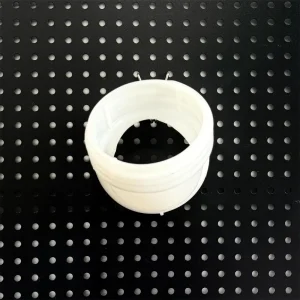
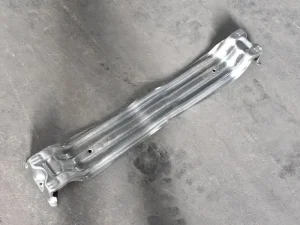
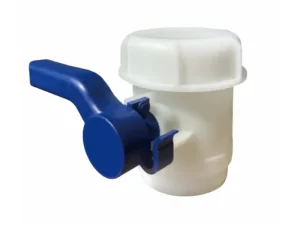
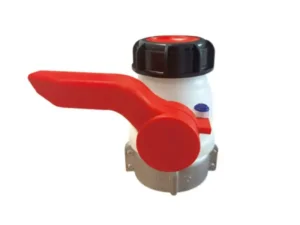
IBC Tote Lids, Valves & Replacement Components
Explore our complete range of specialized industrial closure caps, discharge valves, and structural container fittings.

Request Technical Drawings & Bulk Factory Quotations
Connect directly with our senior polymer engineers and global export team. Receive detailed CAD blueprints, chemical resistance matrices, and competitive FOB/CIF volume pricing within 24 hours.