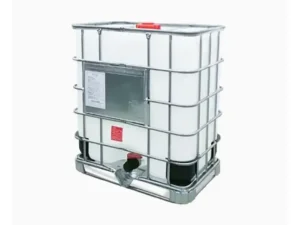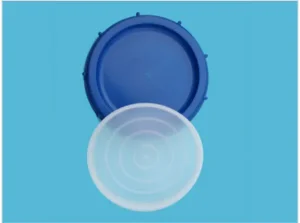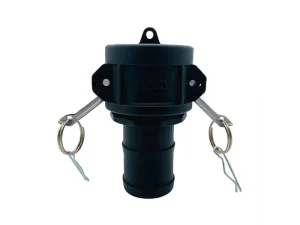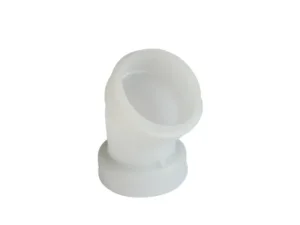
High-Precision Food Safe Plastic Lids & IBC Closure Accessories
Directly engineered for food processing, liquid chemical containment, and heavy-duty industrial storage applications.
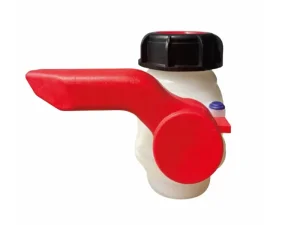

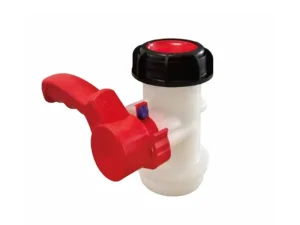
Global Landscape of Food Safe Plastic Lid Manufacturing
In the contemporary global supply chain, rigid plastic packaging components—specifically food-safe plastic lids, chemical drum caps, and Intermediate Bulk Container (IBC) closures—serve as critical failure-prevention barriers. Modern food processing plants, pharmaceutical ingredient manufacturers, and specialized chemical exporters require sealing solutions that balance absolute leak-tightness with strict toxicological compliance.
China has consolidated its position as the premier international hub for food-grade polyolefin injection molding. Driven by massive domestic petrochemical integration (such as Sinopec and PetroChina high-purity polymer feedstocks) and advanced CAD/CAM automated tooling facilities in manufacturing clusters like Linyi, Shandong, Chinese factories deliver unprecedented precision at scale. Buyers globally are transitioning from local procurement to strategic sourcing partnerships with Chinese manufacturers who demonstrate full compliance with international food contact standards.
Technical Blueprint: High-Density Polyethylene & Polypropylene Dynamics
The structural performance of food safe plastic lids and IBC closures relies entirely on polymer rheology and mechanical design. Chinese engineering facilities prioritize two primary thermoplastic polymers for food-contact closures:
HDPE (High-Density PE)
Utilizing high molecular weight grades (e.g., HDPE 5502XA), engineered specifically for high tensile strength, exceptional Environmental Stress Crack Resistance (ESCR), and chemical inertness across pH 2 to 12.
PP (Polypropylene Co-polymer)
Block co-polymers selected for applications requiring higher thermal deflection temperatures (up to 120°C for hot-fill food lines) and superior flexural fatigue resistance in integrated living hinges or pull-rings.
Elastomeric Gaskets
Food-grade EPDM, Silicone, and Viton gasket rings engineered to resist permanent compression set, ensuring hermetic sealing during multi-axis ocean transport vibrations.
Closure Engineering Matrix & Chemical Resistance
To assist industrial procurement officers and packaging engineers, the technical specification table below highlights the performance metrics of premier food-safe lids manufactured in China:
| Parameter / Metric | Food-Grade HDPE Drum Lids | 355mm-445mm IBC Tank Covers | Vented Pressure-Relief Caps |
|---|---|---|---|
| Primary Polymer Base | 100% Virgin HDPE (MFI 0.35 g/10min) | Impact Modified Polypropylene / HDPE | HDPE + Expanded PTFE Membrane |
| Thermal Tolerance Range | -40°C to +80°C | -20°C to +100°C (Hot-fill suitable) | -30°C to +90°C |
| Food Safety Certification | FDA 21 CFR 177.1520 / EU 10/2011 | FDA 21 CFR 177.1520 / GB 4806.7 | FDA Food Contact / REACH Compliant |
| Closure Torque Resistance | 65 - 85 Nm without thread stripping | 110 - 140 Nm (Heavy Duty Buttress Thread) | 50 - 70 Nm |
| Migration Limits (OML) | < 10 mg/dm² (Overall Migration Limit) | < 10 mg/dm² (Overall Migration Limit) | < 5 mg/dm² (Vented Element Isolated) |
Localized Application Scenarios & Global Field Utility
Liquid Food & Beverage Logistics
Used extensively in bulk transfers of liquid sugar, fruit concentrates, dairy ingredients, and edible oils. Lids feature pull-ring tamper-evident seals to prevent unauthorized access or contamination along global shipping routes.
Agricultural & Organic Additives
In agriculture, liquid bio-fertilizers often off-gas organic vapors. Specialized vented lids incorporating hydrophobic PTFE membranes permit gas venting without allowing liquid leakage or ambient moisture ingress.
Fine Chemicals & Ingredients
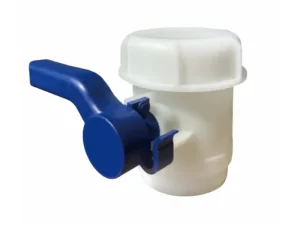
High-purity chemical intermediates require IBC tote lids with integrated DN50/DN80 butterfly valve connections and stainless steel spring inserts, maintaining total chemical resistance and preventing heavy-metal leaching.
Regulatory Compliance & Localization Support
Navigating cross-border regulatory demands is a cornerstone of top-tier Chinese manufacturers. Leading factories establish strict quality management systems ensuring exported products comply seamlessly with local laws in North America, Europe, the Middle East, and Asia-Pacific:
-
FDA 21 CFR 177.1520 Compliance: Verification that olefin polymers used in lids contain no prohibited heavy metals, plasticizers, or unapproved colorants, ensuring safety in direct contact with dry, aqueous, and fatty foods.
-
EU Commission Regulation (EU) No 10/2011: Comprehensive testing for Specific Migration Limits (SML) of additives and overall heavy metal contents (Pb, Cd, Hg, Cr VI) according to EN 1186 standards.
-
UN Packaging Approval (Dangerous Goods): For IBC lids and chemical drum caps involved in hazardous material transport, caps undergo hydrostatic pressure testing (up to 200 kPa) and drop testing at -18°C.
Technology Roadmap: Next-Gen Food-Safe Closures
The next decade of food-safe plastic lid design will be defined by smart tracking integrations and circular economy principles. Chinese research institutes and industrial suppliers are actively pioneering innovations in three critical domains:
1. Circular Economy & PCR Integration
Developing closed-loop decontamination processes to introduce food-grade Post-Consumer Recycled (PCR) HDPE into secondary lid structures without compromising organoleptic neutral properties or stress-crack performance.
2. Intelligent Smart Lids
Embedding passive RFID and NFC micro-sensors inside lid moldings to monitor internal container temperature, pressure buildup, and fill-level telemetry real-time during intermodal sea freight.
3. Advanced Bio-Polyolefins
Synthesizing bio-based polypropylene derived from agricultural processing by-products, reducing the net cradle-to-gate carbon footprint of industrial closures by over 40%.
Expert Insights & Procurement FAQ
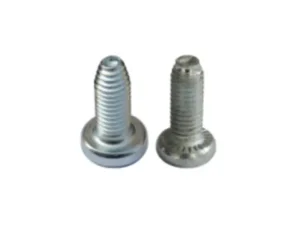
IBC Containers, Replacement Caps & Valve Assemblies
Full range of factory-direct packaging hardware engineered for maximum operational integrity.