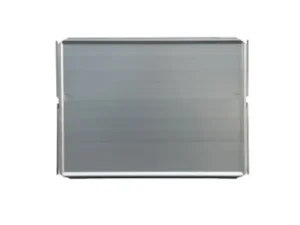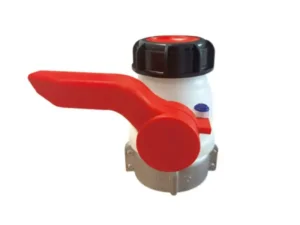
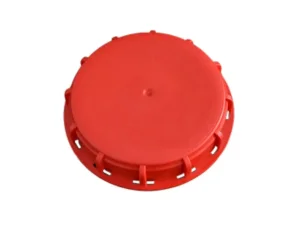
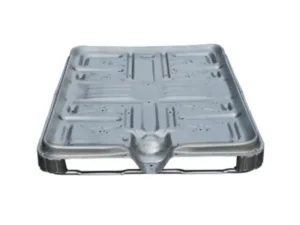
Explore our primary manufacturing output, ranging from high-flow valves and sealing covers to structural metal frames and specialized industrial identification plates.
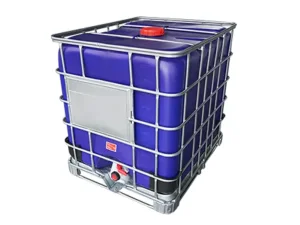
In the globalized chemical logistics, pharmaceutical intermediate, and industrial fluid processing industries, Intermediate Bulk Containers (IBCs) serve as the primary transport workhorse. While significant engineering focus is rightfully directed toward inner blow-molded High-Density Polyethylene (HDPE) bottles, discharge valves, and outer galvanized cages, the Embossed IBC Nameplate represents a critical, compliance-mandated, and operational tracking backbone. Standard chemical labels printed on adhesive films or vinyl routinely degrade when subjected to harsh environmental stressors, UV radiation, solvent splashes, and abrasive cleaning cycles during container reconditioning.
As a premier China embossed IBC nameplate manufacturer and factory network leader, our engineering methodologies address the specific failure modes of container asset tracking. Embossed metal nameplates—fabricated primarily from 304/316 grade stainless steel, high-tensile aluminum, or specialized galvanized sheet—provide permanent, tactile, and highly legible visual identification. They preserve vital tracking code structures, UN packaging certifications, tare weight metrics, max gross payloads, and chemical hazard indicators across decades of multi-trip operational cycles.
The production of high-performance embossed IBC nameplates requires strict control over material physics, tooling geometry, and surface finishing techniques. Chinese manufacturing facilities have evolved from manual punch pressing to high-speed, multi-stage progressive stamping dies and integrated laser-embossing hybrid systems.
Utilizing CNC-machined tungsten carbide tooling dies, our pressing process delivers clean structural displacement. We achieve embossed depth ratios between 0.5 mm and 1.2 mm without inducing micro-fractures in the protective oxide layer of stainless steel or aluminum sheets.
Post-stamping, nameplates undergo automated citric or nitric acid chemical passivation (ASTM A967 compliant). This process removes free iron particles deposited during die contact, instantly restoring the chromium oxide protective skin.
For dynamic batch data, variable serial numbers, matrix QR codes, and UN specification markings, we pair physical embossing with high-frequency fiber laser annealing. This ensures high-contrast visual marking without disturbing material flatness.
Comprehensive Technical Specification Matrix
| Engineering Parameter | Standard Grade Stainless Steel | Marine/Chemical Grade Steel | Anodized Aluminum Alloy |
|---|---|---|---|
| Material Standard | AISI 304 / EN 1.4301 | AISI 316L / EN 1.4404 | AL 5052-H32 / AL 6061-T6 |
| Plate Thickness Range | 0.4 mm - 1.0 mm | 0.5 mm - 1.2 mm | 0.8 mm - 1.5 mm |
| Embossing Depth | 0.4 mm - 0.8 mm | 0.5 mm - 1.0 mm | 0.6 mm - 1.2 mm |
| Chemical Resistance | Good (Solvents, mild acids) | Superior (Sulfuric, chlorides, marine environment) | Moderate (Petrochemical vapors) |
| Operating Temperature | -40°C to +450°C | -50°C to +600°C | -40°C to +200°C |
| Mounting Options | Blind Rivets, Spot Weld Tabs, Steel Wire Cage Clips | Welded Mounting Brackets, Rivets | High-tack 3M VHB Tape, Corner Rivet Holes |
Intermediate Bulk Containers operate across diverse environmental conditions worldwide. The design requirement for an embossed IBC nameplate varies depending on regional regulations, climatic conditions, and stored chemical characteristics.
In refineries and chemical storage terminal hubs (e.g., Houston Ship Channel, Rotterdam), IBC containers are subjected to aggressive volatile organic compounds (VOCs) and intense sun exposure. Embossed 316L stainless steel plates resist chemical stripping agents and maintain mandatory UN identification (UN 31HA1/Y) during intensive automated hot-water washing cycles.
Food processing facilities handling fruit concentrates, liquid sugar, or edible oils demand zero-microbial-retention hardware. Our debossed/embossed plates feature smooth radius tooling contours (R ≥ 0.5mm), eliminating sharp internal corners where organic residue or bacteria could accumulate during high-pressure CIP (Clean-in-Place) steam cleanings.
Transoceanic shipments of hazardous liquid waste require full compliance with the International Maritime Dangerous Goods (IMDG) code. Plates mounted to the external cage wire grid must endure salt spray corrosion, deck stacking impacts, and sub-zero arctic transit without loosening, peeling, or rusting.
IBC reconditioners swap HDPE inner bottles while retaining the structural outer cage for decades. Embossed nameplates provide a dedicated trackable history panel, allowing reconditioners to restamp or laser-anneal re-test date stamps (every 2.5 and 5 years per international dangerous goods transport rules).
As the hub of global industrial manufacturing, China’s industrial ecosystem—specifically within Shandong, Jiangsu, and Zhejiang manufacturing clusters—offers unprecedented integration across raw material sourcing, precision tooling production, and automated mass assembly.
Direct upstream integration with premier domestic stainless steel mills ensures constant availability of certified 304, 316L, and coated sheet coils with strict thickness tolerances (±0.02mm) and full mill test certificate (MTC) traceability.
In-house tooling workshops leverage ultra-precision wire EDM and 5-axis CNC machining, reducing custom embossing die production lead times from weeks to 3-5 days. This enables rapid OEM prototyping for unique container frame designs.
Our automated stamping lines utilize AI-powered optical vision verification systems to inspect 100% of finished nameplates. Systems immediately reject components exhibiting micro-burrs, depth inconsistencies, or mounting hole deviations beyond 0.05 mm.
Exporting IBC identification systems to North America, Europe, Southeast Asia, and the Middle East requires rigorous adherence to international industrial safety standards. Our manufacturing framework operates under comprehensive quality assurance protocols to guarantee seamless customs clearance and end-user acceptance.
Full quality management system coverage across press shop floor, raw material receiving, and chemical passivation lines.
Stamping layouts structured to meet mandatory UN 31HA1/Y packing code display specifications per chapter 6.5 of the UN Model Regulations.
100% compliant metal compositions without heavy metal contamination, lead traces, or restricted toxic chemicals.
Accelerated salt spray corrosion testing verified up to 1,000 continuous hours without red rust initiation on 316 grade products.
Technical clarifications regarding material selection, mounting methods, dynamic serialization, and factory direct customization.
What is the difference between embossed, debossed, and laser-etched IBC nameplates?
Which stainless steel grade (304 vs 316L) should we specify for chemical IBC tanks?
How are embossed metal nameplates attached to the galvanized IBC cage grid?
- Stainless Steel Blind Rivets: Fastened through pre-punched plate corner holes into mounting sheet plates welded to the cage.
- Integrated Fold-Over Wire Clips: Metal tabs die-cut directly into the nameplate perimeter that wrap around the 8mm/10mm tubular cage wires.
- High-Tack Industrial Adhesive Backing: 3M VHB acrylic foam tape pre-applied for smooth-walled metal or composite IBC surfaces.
Can custom factory orders include pre-printed QR codes and dynamic serialization?
What is the lead time for custom tooling dies and wholesale ocean freight orders from China?
Browse our secondary catalog containing custom engraved nameplates, quick-connect camlock valves, replacement PTFE gaskets, and protective sealing caps.